

Mechanical agitation is a critical step in deep-cleaning carpets, yet improper brushing techniques can easily cause irreversible damage such as fiber fraying, pile untwisting, or matting. Achieving a thorough clean without degrading the textile structure requires an understanding of fiber physics, friction control, and the correct directional strokes.
The Science of Fiber Tension and Friction
Carpet pile is composed of twisted yarns that are either sheared (cut pile) or left intact (loop pile). When you apply a brush to these fibers, you introduce mechanical friction. Excess friction generates localized heat, which can be highly destructive depending on the material. Synthetic fibers like nylon or polyester have a specific melting point; while they will not melt from manual brushing alone, high friction can cause the microscopic surfaces of the fibers to fuse, leading to a dull, rough texture. On the other hand, natural wool fibers possess microscopic scales. When subjected to moisture, heat, and vigorous, multi-directional friction, these scales lock together, a process known as felting, which permanently ruins the soft texture of the rug.
Selecting the Right Bristle Mechanics
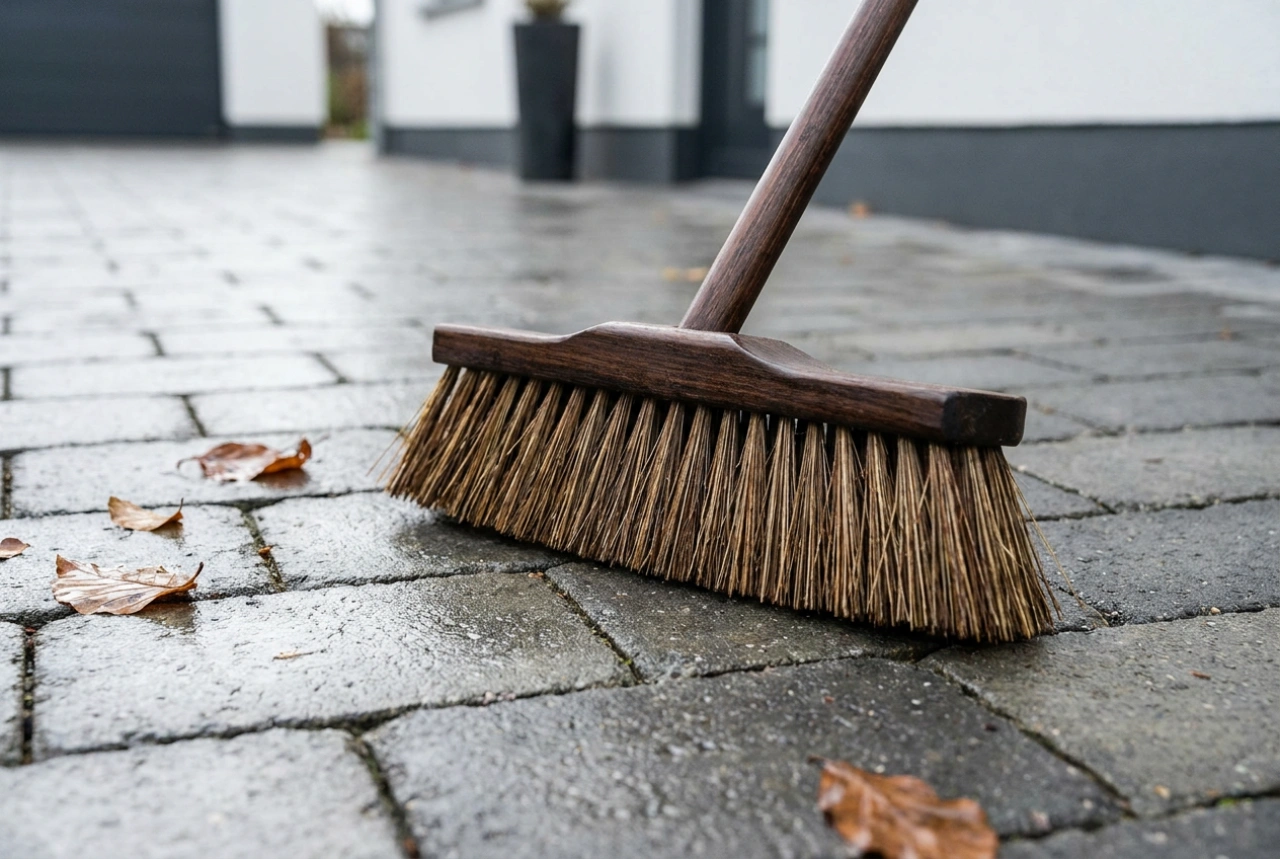
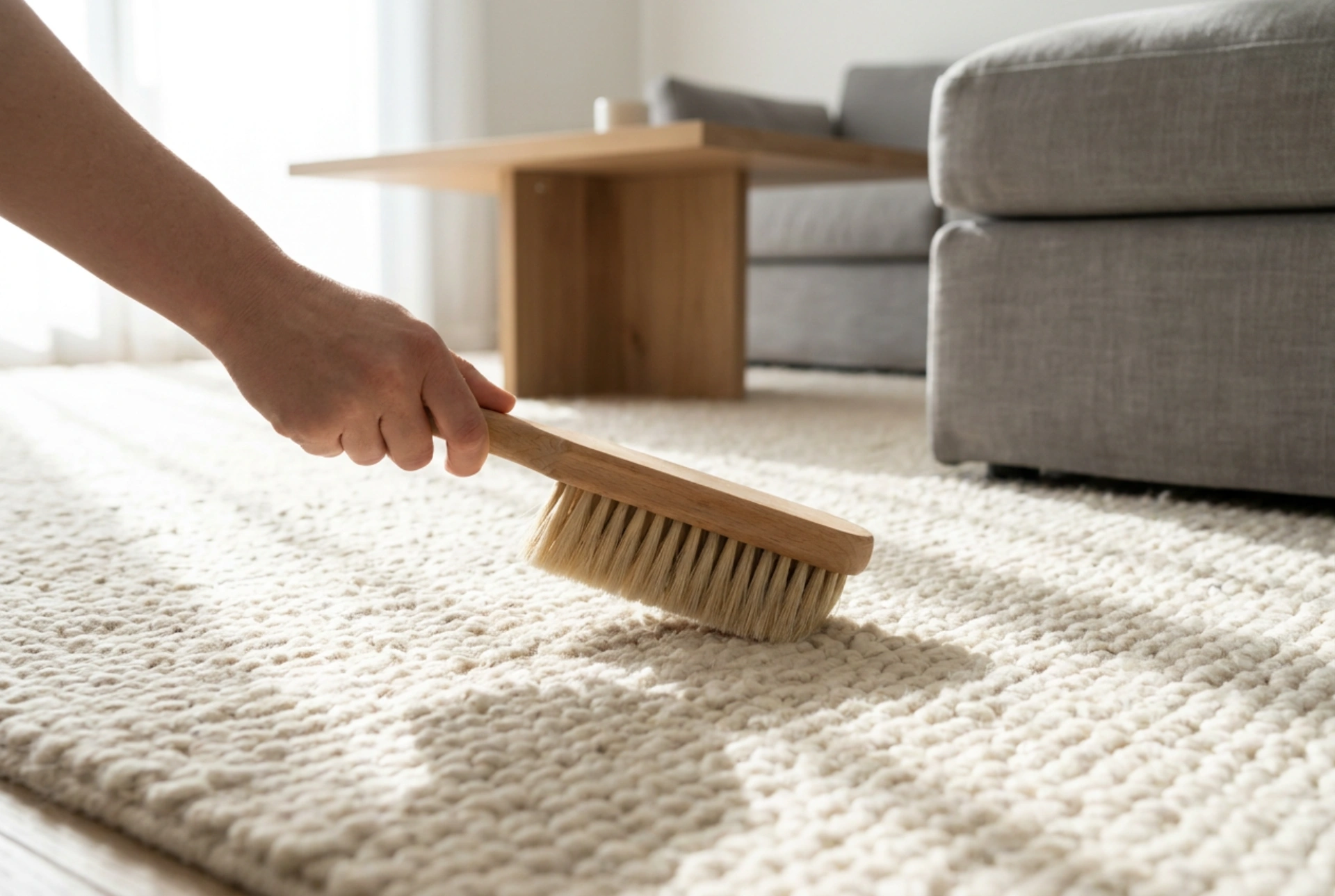
The stiffness of your brush bristles must inversely match the delicacy of your carpet fibers. For wool, silk, or shag carpets, you must exclusively use soft-bristled brushes, such as those made from natural horsehair or fine, split-end nylon. These materials bend easily, absorbing excess downward force and distributing pressure evenly across the yarn tips. Medium-stiff synthetic brushes are reserved for dense, low-pile synthetic commercial carpets, where the fibers are tightly packed and require more mechanical energy to dislodge deeply embedded soil. Never use wire or stiff deck brushes on residential indoor carpets, as their tensile strength far exceeds the structural integrity of household textile fibers.
The Linear Stroke Technique: Avoiding Tangling
The most common mistake in manual carpet scrubbing is using rapid circular motions. Circular scrubbing forces the twisted yarns to rub against each other from multiple angles, untwisting the yarn plies and causing the individual filaments to bloom and fray. This results in fuzzy patches that catch light differently, making the carpet look worn and stained even when clean.
The Correct Stroke Pattern
- Assess the Nap: Run your hand across the carpet to determine the natural direction of the pile (the nap). Brushing against the grain lifts dirt but increases resistance, while brushing with the grain smooths the fibers.
- Linear Strokes: Work in short, overlapping linear strokes (straight back and forth or in a single direction). This keeps the yarns aligned and prevents them from twisting around adjacent fibers.
- Controlled Downward Pressure: Let the ends of the bristles do the work. Pressing down too hard forces the sides of the bristles against the carpet, which increases surface friction without improving soil removal.
Lubrication and Temperature Control
Dry scrubbing should always be avoided, as dry fibers suffer from significantly higher friction coefficients than wet ones. Water and carpet cleaning solutions act as essential lubricants, lowering friction and allowing the bristles to glide smoothly past the fibers while lifting soil. When preparing your cleaning solution, temperature is highly influential. Warm water (around 30°C to 40°C) helps to relax synthetic fibers and dissolve oily binders without risking the shrinkage or dye bleeding associated with hot water, particularly in wool or delicate natural rugs. Ensure the carpet is damp but not saturated; excess water can weaken the primary latex backing that holds the tufts in place.
Post-Cleaning Pile Realignment
Once the cleaning solution has been agitated and extracted (using a wet-vacuum or clean microfiber towels), the damp carpet fibers must be reset. Leaving the pile in a chaotic state during the drying process will cause the fibers to stiffen and dry in distorted shapes, leading to a rough feel. While the carpet is still damp, take a clean, dry, soft brush or a dedicated carpet rake and gently groom the pile in a single direction—usually against the grain to lift the fibers and promote airflow, or with the grain for a uniform, sleek finish. This step ensures that as moisture evaporates, the fibers dry in their natural, upright orientation, preserving both the soft texture and the visual consistency of the carpet.