

Maintaining clean pillows requires understanding how machine drum dynamics and surfactant extraction work together to preserve fibre loft and hygiene. By balancing the load and utilising targeted rinsing cycles, you prevent structural damage to both the washing machine and the pillow fillings.
Balancing the Drum: The Physics of Pillow Loads
Washing a single pillow is a common mistake that leads to mechanical imbalances during the high-speed spin cycle. Modern washing machines rely on sensors to detect uneven distribution of weight. When a single, water-saturated pillow clings to one side of the drum, it creates a severe centrifugal force imbalance, often causing the machine to abort the spin cycle or sustain bearing damage. To mitigate this, always wash pillows in pairs. If you only have one pillow to clean, balance the drum by adding two clean, dry towels of similar weight. This distribution of mass ensures that the gravitational and centrifugal forces are distributed symmetrically across the axis of rotation, allowing for efficient water extraction without mechanical strain.
Material Chemistry: Selecting the Right Temperature and Agent
The structural integrity of a pillow depends heavily on its filling material, which dictates the washing temperature and detergent choice. Synthetic fillings, such as polyester hollowfibre or microfibre, are thermoplastic polymers. Washing them at excessively high temperatures can cause the fibres to melt or fuse, leading to permanent clumping. A temperature of 40 degrees Celsius is generally optimal for dissolving sebum and sweat without compromising synthetic structures. Natural fillings, such as down and feathers, consist of keratin proteins. These require gentle treatment to avoid stripping their natural oils, which provide loft and elasticity. Use a mild, pH-neutral liquid detergent. Avoid powder detergents completely; their granular particles do not dissolve fully in the dense interior of a pillow and can remain trapped, causing skin irritation and fibre degradation.
The Mechanics of Rinsing: Removing Surfactants
Pillows act like giant sponges, trapping soap molecules within their complex internal matrix. Standard washing machine programmes are calibrated for flat textiles like sheets and garments, often failing to extract detergents from deep within three-dimensional fills. Residual surfactants act as moisture magnets (humectants), attracting atmospheric humidity and oils, which leads to rapid re-soiling, musty odours, and yellowing. To prevent this, always programme a minimum of two extra rinse cycles. The additional water volume dilutes the concentration of remaining surfactants, while the physical agitation forces the clean water through the core of the pillow, carrying away dissolved soap residues.
Extraction and Drying: Restoring Structural Loft
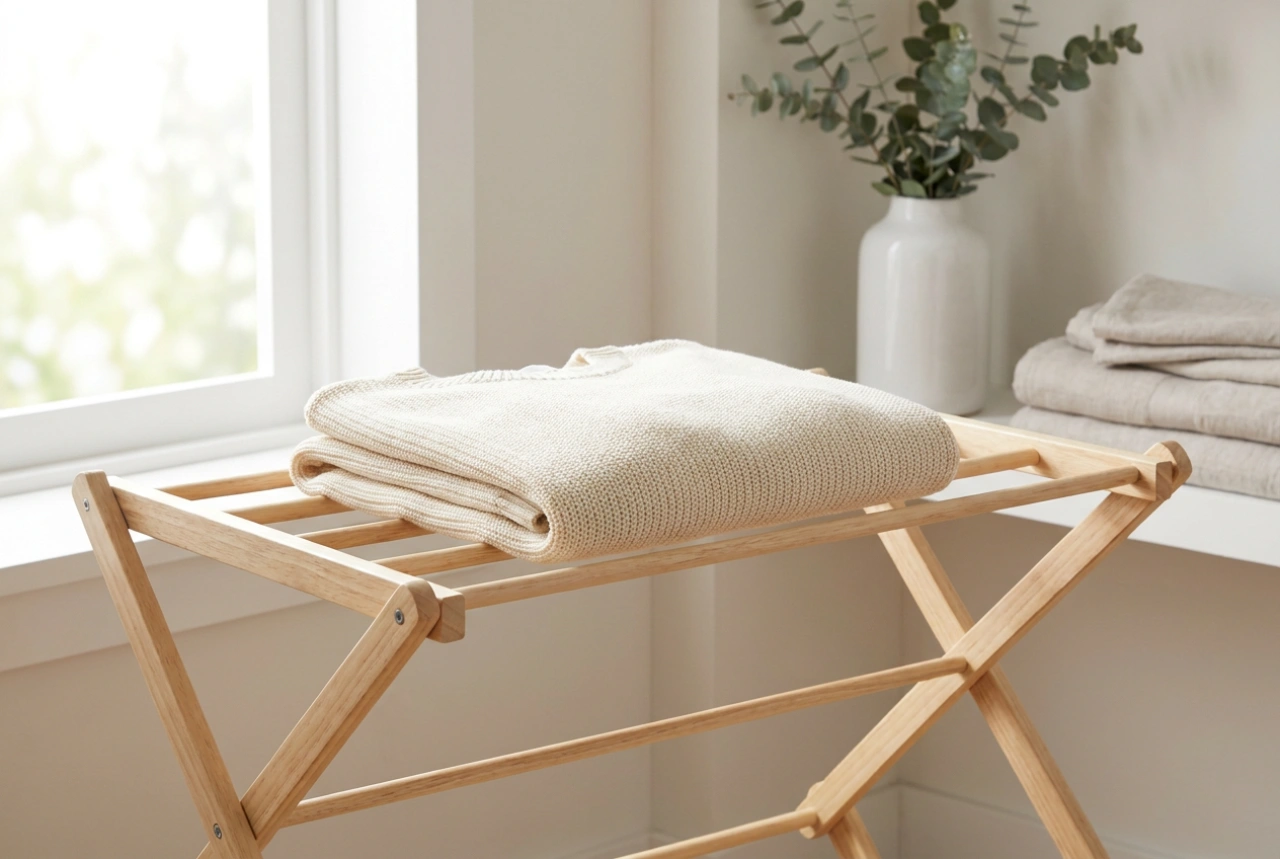
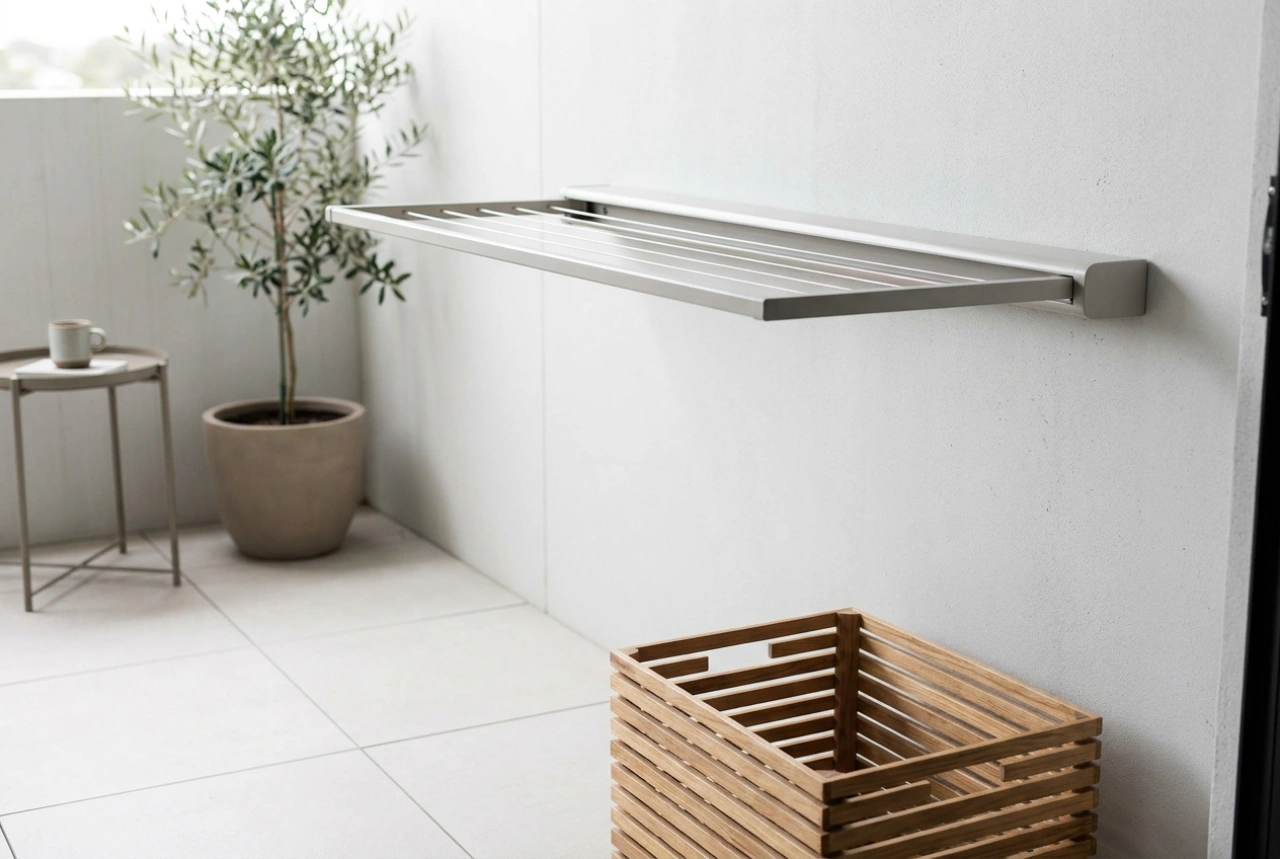
Once washed and thoroughly rinsed, extracting maximum moisture is critical to preventing microbial growth. Select a moderate spin speed—800 to 1000 RPM for synthetics, and 600 to 800 RPM for delicate down—to extract the bulk of the water without crushing the filling. When drying, physical agitation is essential to break up clumps of fibres or feathers that have bound together during the wash. In a tumble dryer, use a low heat setting and introduce mechanical agitators, such as clean tennis balls or dedicated dryer balls. As the dryer rotates, these balls physically strike the pillows, separating the damp fibres and restoring the loft. For air-drying, lay the pillow flat on a drying rack in a well-ventilated area, shaking and flipping it every hour to redistribute the filling manually.
Essential Pillow Washing Checklist
- Load Balance: Always wash two pillows at once or balance with towels to protect the drum spindle.
- Detergent Choice: Use pH-neutral liquid detergent; avoid powder formulas to prevent chemical build-up.
- Temperature Settings: Limit synthetic and natural down materials to a maximum of 40 degrees Celsius.
- Rinse Settings: Always add at least two extra rinses to eliminate surfactant residue from the core.
- Mechanical Agitation: Use tumble dryer balls to manually break up clumps and restore structural loft.