

Using a heavy-duty stain remover requires a precise understanding of textile chemistry to prevent permanent fibre damage. This guide explains when to deploy highly concentrated active agents and how to safeguard the structural integrity of your garments during the process.
Understanding Stain Chemistry and Active Agents
Stains are molecular bonds formed between foreign pigments and textile fibres. To break these bonds without dissolving the fibre itself, you must match the chemical nature of the stain with the correct active agent. Heavy-duty stain removers typically rely on three main mechanisms: enzymatic hydrolysis, oxidative bleaching, and surfactant emulsification.
Enzymatic formulas target organic molecules. Amylases break down starches, proteases dissolve protein-based stains like blood or grass, and lipases target fatty lipids. When dealing with complex, deeply embedded grease or oil, surfactants with hydrophobic tails and hydrophilic heads are required to lift the hydrophobic lipids away from the fabric molecules, suspending them in water. For stubborn pigments like those found in red wine or coffee, oxygen-based bleaching agents (such as sodium percarbonate) release active oxygen. This reaction oxidises the chromophores—the parts of molecules responsible for colour—rendering them colourless and water-soluble.
Assessing Fabric Tolerance to Prevent Structural Damage
Before applying any concentrated stain remover, you must identify the fibre composition of the garment. Natural plant-based fibres, such as cotton and linen, are composed of cellulose. Cellulose is highly resilient to alkaline environments but can degrade quickly under acidic conditions. Conversely, protein-based animal fibres, such as wool and silk, are highly sensitive to alkaline pH levels and chlorine-based oxidisers, which break down their peptide bonds, causing yellowing, thinning, and eventual tearing.
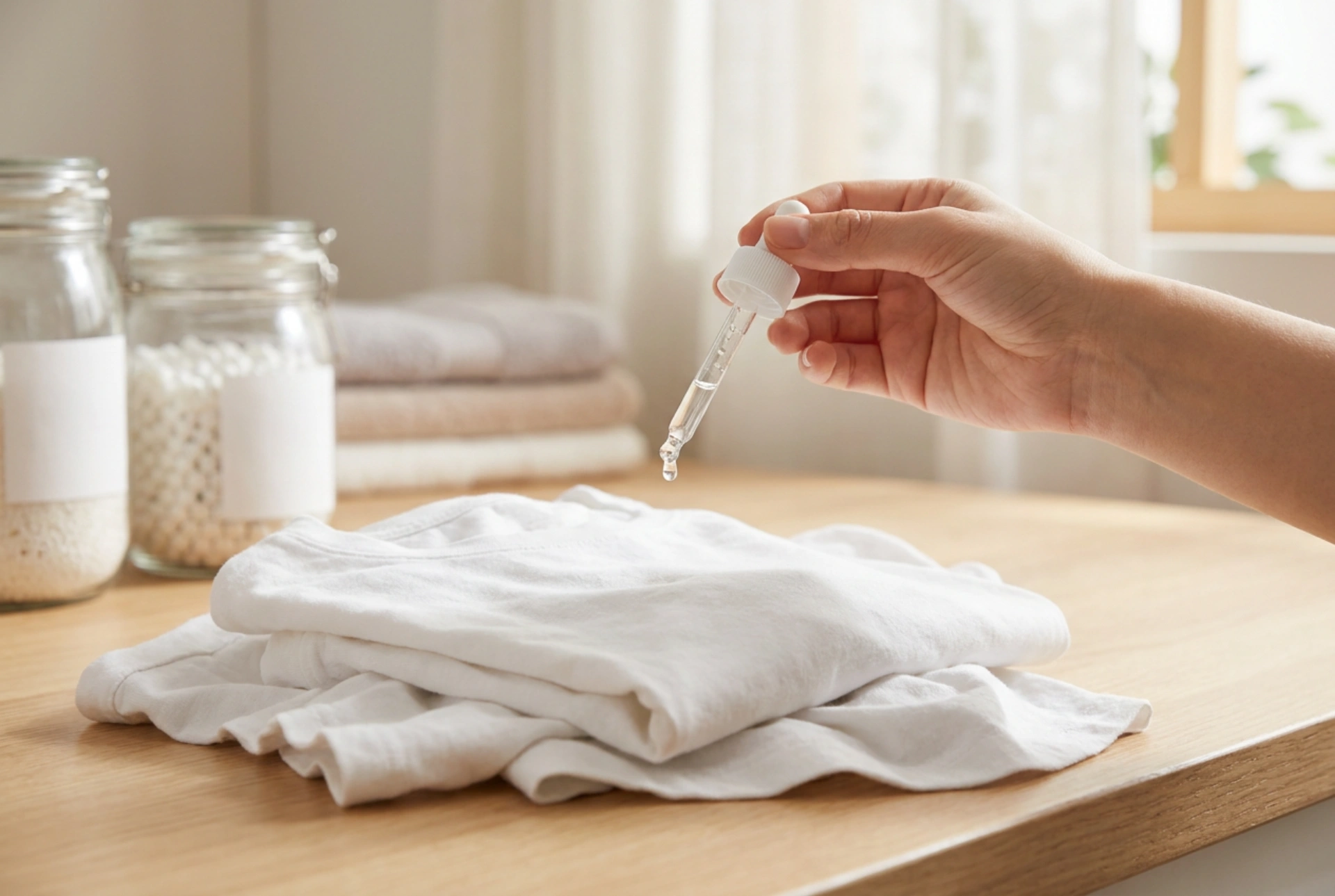
Synthetic fibres like polyester and nylon are highly lipophilic, meaning they attract oils and resist water-based treatments. While synthetics can tolerate a wider range of pH levels, strong solvents can melt or distort their thermoplastic structure. Always perform a spot test on an inconspicuous area, such as an inside seam. Apply a single drop of the stain remover, wait three minutes, and press a white cloth against the spot to check for dye transfer or structural weakening.
The Safe Order of Operations: Temperature and Technique
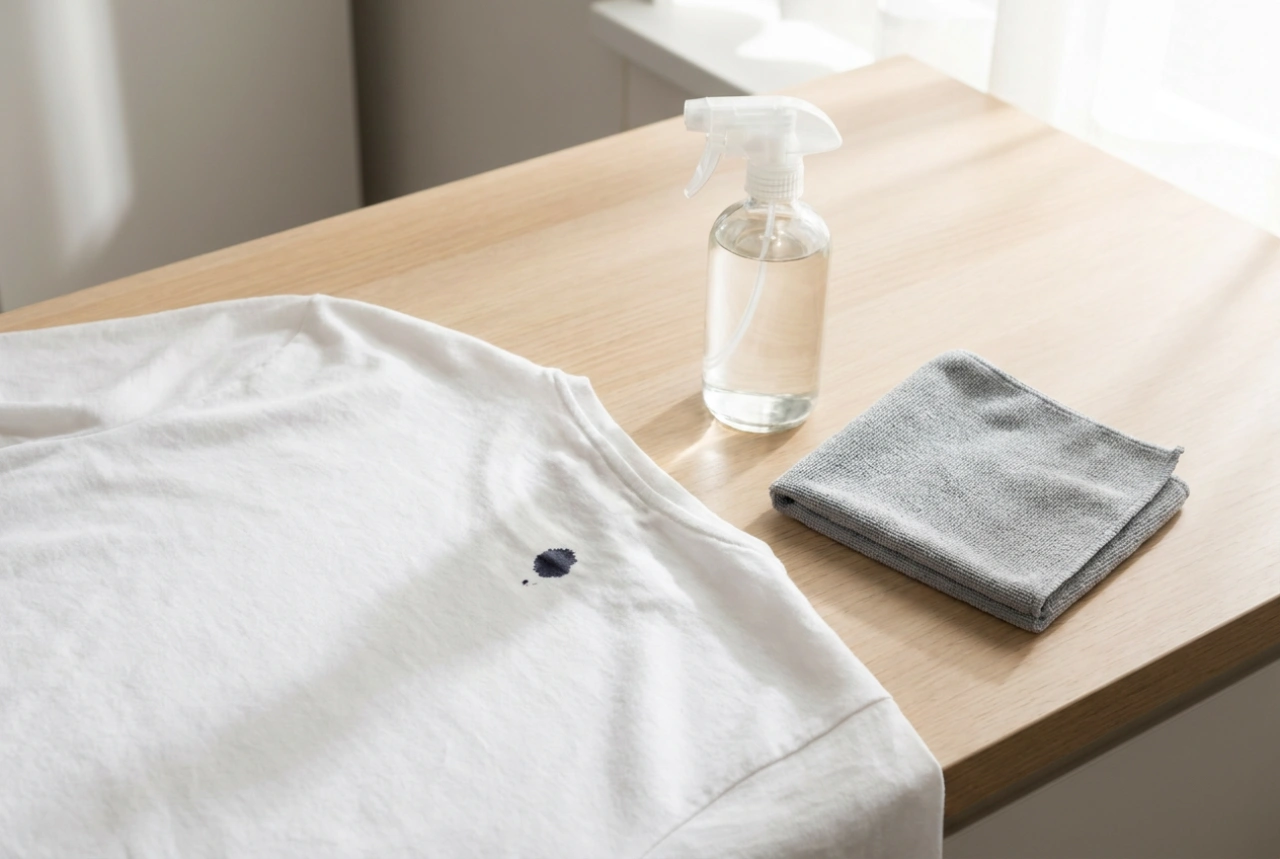
The physical application of a stain remover determines whether the pigment is lifted or permanently set into the weave. Rubbing a stain creates heat and friction, which pushes the pigment deeper into the microscopic interstitial spaces of the yarn. Instead, use a blotting motion with a clean, lint-free cloth, working from the outer edges of the stain inward to prevent the perimeter from expanding.
- Pre-treatment Timing: Never allow concentrated stain removers to dry completely on the fabric. As water evaporates, the concentration of the chemical active agents spikes, which can chemically burn the fibres. Limit pre-treatment exposure to a maximum of five to ten minutes before rinsing.
- Thermal Control: Water temperature must align with the stain type. For protein-based stains, use cold water (below thirty degrees Celsius) to prevent the proteins from denaturing and binding permanently to the fibres. For lipid and oil-based stains, warm water (between forty and fifty degrees Celsius) is necessary to liquefy the fats, allowing the surfactants to emulsify them effectively.
Neutralising and Thorough Rinsing
The stain removal process is only complete when all chemical residues are thoroughly extracted from the textile. Active surfactants and alkaline agents left within the weave will continue to attract dust and microscopic debris, leading to a greyish patch over time. Furthermore, residual oxidisers degrade organic fibres when exposed to UV light and atmospheric heat during drying and ironing. Always rinse the treated area with copious amounts of cool water, or run the garment through a complete wash cycle immediately after spot treatment to fully neutralise the active agents.