

Removing ballpoint pen ink from fabrics requires understanding ink chemistry, specifically how solvents break down the dyes and polymer binders without damaging the textile fibres. By matching the solvent's polarity to the ink type, you can safely lift the stain through capillary action rather than abrasive friction.
Understanding the Chemistry of Ballpoint Ink
Ballpoint pen ink is engineered to dry quickly and adhere permanently to surfaces. It consists of synthetic organic dyes or pigments suspended in a high-viscosity solvent base, typically benzyl alcohol or glycol ether, blended with synthetic resins. These resins act as binders, ensuring the ink clings to the textile fibres once the solvent evaporates. Because these resins are hydrophobic (water-repelling), standard water-based washing will not dissolve them. To break the bond between the ink and the fabric, you must introduce a solvent with a similar chemical polarity that can liquefy the dried resin binder. Isopropyl alcohol (rubbing alcohol) or ethanol are highly effective because they readily dissolve these specific polymers without degrading common natural or synthetic fibres like cotton, polyester, and nylon.
The Physics of Transfer: Blotting versus Rubbing
When treating an ink stain, mechanical action is just as critical as chemical action. Rubbing a stain forces the liquefied ink deeper into the interstitial spaces of the yarn, spreading the pigment laterally and creating a larger, permanent smudge. Instead, the process must rely on capillary action and physical transfer. By placing a highly absorbent, clean white cotton cloth or multi-layered paper towel directly underneath the stained fabric, you create a sink for the dissolved ink. Applying pressure from the reverse side of the stain forces the dissolved pigment particles out of the fabric matrix and directly into the absorbent backing material. This one-way transfer prevents the ink from re-depositing onto adjacent fibres.
Step-by-Step Ink Extraction Protocol
To safely extract ballpoint ink from washable fabrics, follow this systematic, temperature-controlled procedure:
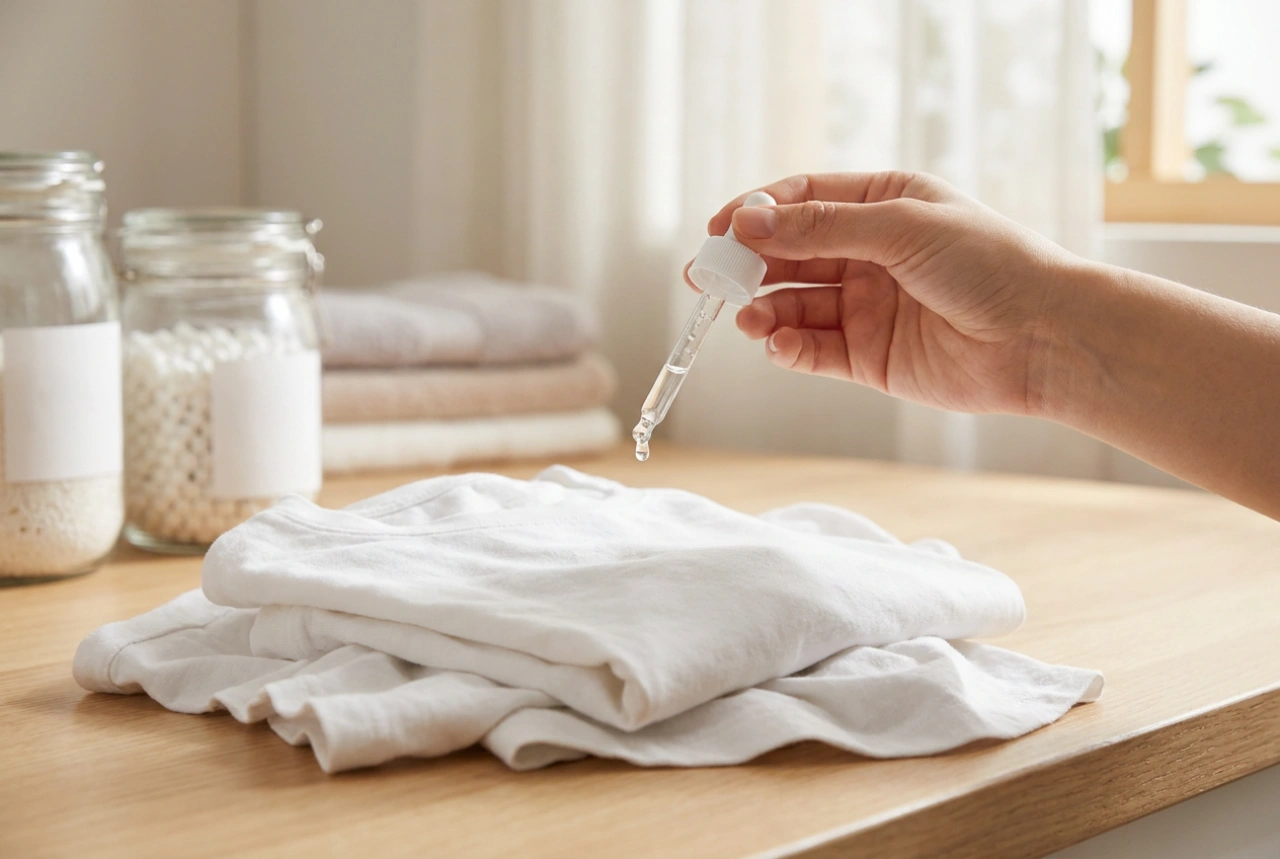
- Pre-test the fabric: Apply a small drop of your chosen solvent (such as isopropyl alcohol) to an inconspicuous seam or hem. Wait two minutes and press with a white cloth to ensure the textile dye does not bleed.
- Isolate the stain: Lay the garment flat, placing the stained area face down over a clean, dry, absorbent white towel or heavy-duty paper towel barrier.
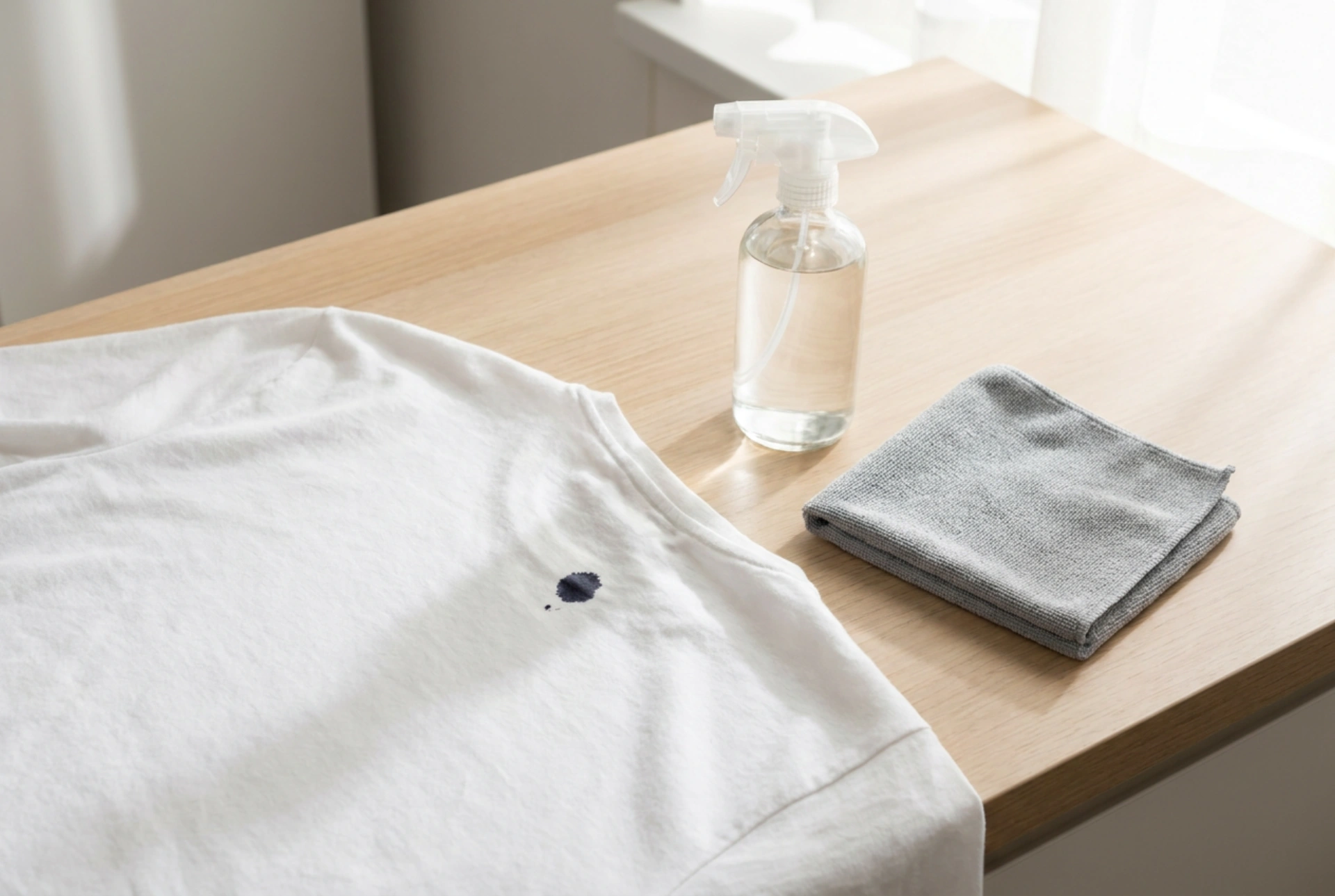
- Apply the solvent: Saturate a cotton bud or swab with isopropyl alcohol. Gently press the swab onto the back of the stain. The solvent will migrate through the weave, dissolving the ink resins and flushing the pigment downwards.
- Blot and repeat: Press firmly onto the back of the fabric with a clean section of the cotton bud. You will see the ink transfer onto the absorbent backing. Shift the backing towel frequently to ensure you are always blotting onto a clean, dry surface, preventing re-absorption.
- Rinse and launder: Once the pigment is lifted, flush the area with cold or lukewarm water to remove residual solvent. Apply a small amount of liquid laundry detergent containing surfactants to emulsify any remaining grease-based binders, then wash the garment according to its care label instructions. Do not use hot water until you are certain the stain is completely gone, as heat can permanently set any remaining pigment.
Handling Delicate Fibres and Dried Stains
Delicate textiles such as wool, silk, or acetate require a modified approach, as harsh solvents can dehydrate and weaken natural protein structures or dissolve synthetic acetate yarns. For these materials, vegetable-derived glycerin acts as an excellent, mild humectant. Applying a small amount of pure glycerin to the stain helps to rehydrate and soften dried ink resins over several hours without damaging fragile fibres. Once softened, the ink can be gently rinsed away using a mild, pH-neutral surfactant solution. For old, set-in ink stains on robust fabrics, a mixture of equal parts isopropyl alcohol and mineral-based oxygen bleach powder can be used as a targeted paste, using oxidation to break down stubborn dye molecules that have bonded with the yarn over time.