

While many use the terms interchangeably, cleaning and disinfecting rely on fundamentally different chemical mechanisms to manage soil and pathogens on household surfaces.
The Physics of Detergents: Surfactants and Soil Removal
Detergents are formulated to clean, which means physically removing organic matter, salts, oils, and dust from a surface. They do not necessarily kill micro-organisms; instead, they detach them so they can be rinsed or wiped away. The core workhorses of any detergent are surfactants (surface-active agents). Surfactant molecules possess a dual nature: a hydrophilic (water-attracting) polar head and a hydrophobic (water-repelling) non-polar tail.
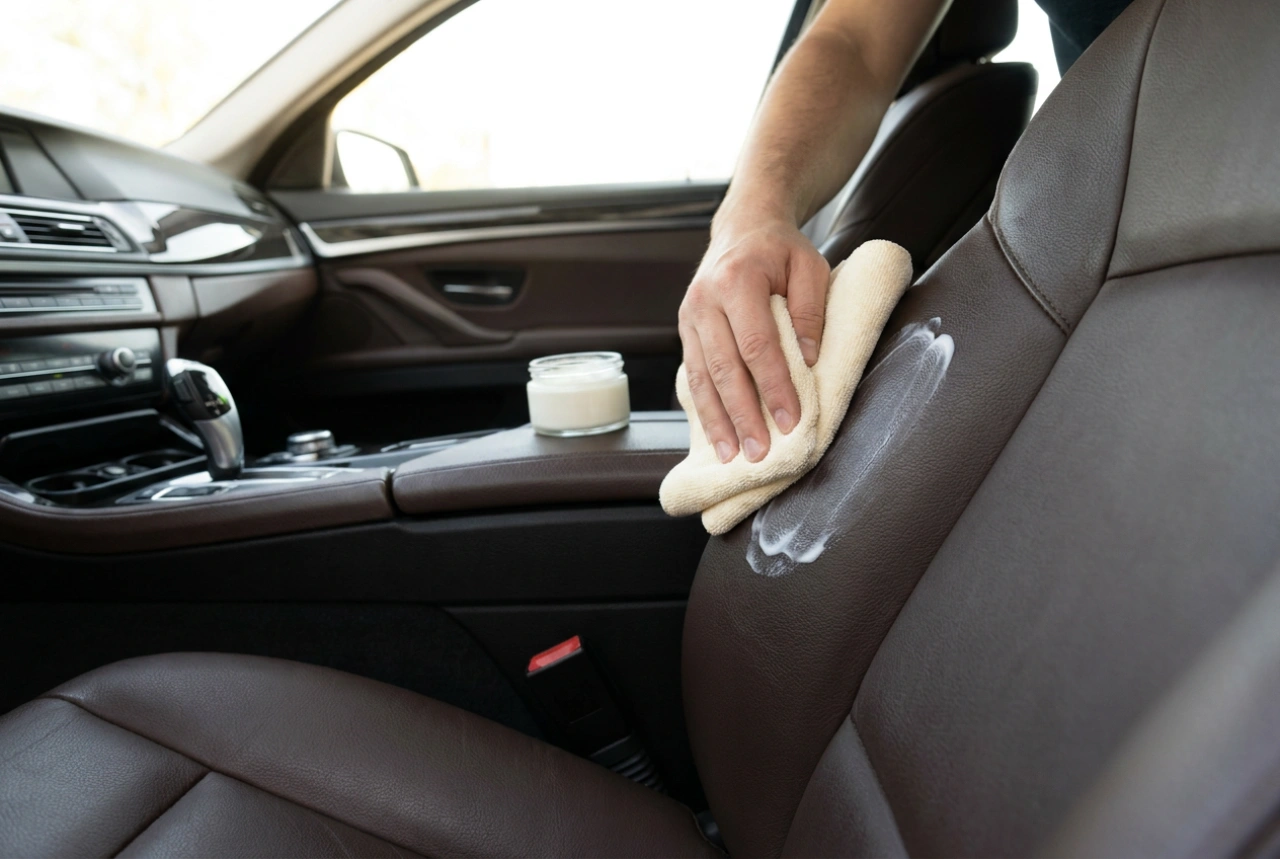
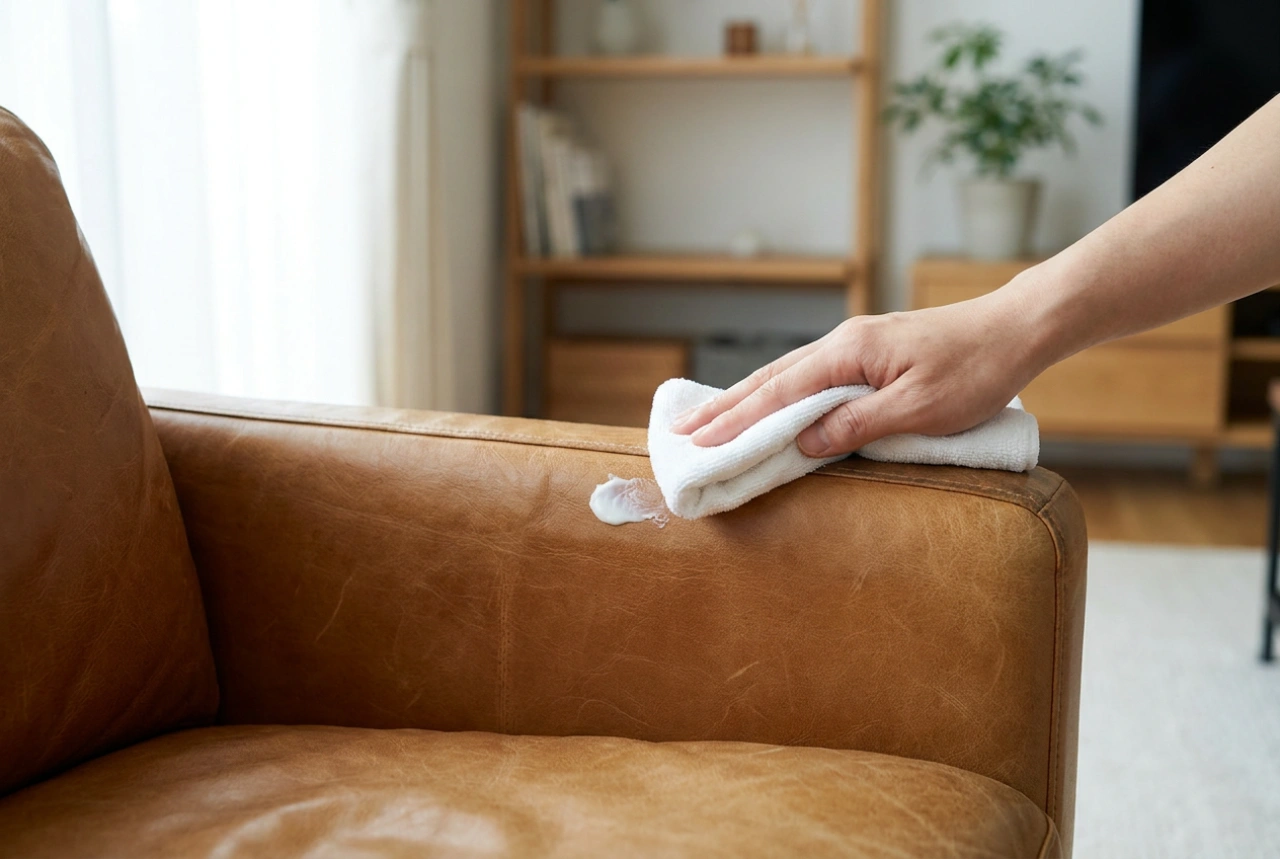
When applied to a soiled surface, the hydrophobic tails align themselves with organic lipids, oils, and grease, trapping them in spherical structures called micelles. Meanwhile, the hydrophilic heads remain exposed to the water. When mechanical force is applied—such as wiping with a microfiber cloth or rinsing with water—these micelles are lifted off the substrate and suspended in the liquid medium, allowing them to be easily washed away. This process reduces the surface tension of water, allowing it to wet surfaces more effectively and penetrate microscopic crevices where dirt resides.
The Chemistry of Disinfectants: Pathogen Eradication
Unlike detergents, disinfectants are designed to destroy or irreversibly inactivate micro-organisms like bacteria, viruses, and fungi. They do not physically remove soil; instead, they target the biological structures of pathogens. The active chemical agents in disinfectants achieve this through several distinct pathways depending on their molecular composition.
For example, alcohols (such as isopropyl alcohol or ethanol at concentrations of 60% to 90%) denature proteins, melting the protective lipid bilayer of enveloped viruses and bacterial cell walls. Oxidising agents, such as hydrogen peroxide or sodium hypochlorite, work by stripping electrons from organic molecules, causing rapid oxidation that destroys the structural integrity of cellular walls and DNA. Quaternary ammonium compounds, commonly known as quats, bind to the negatively charged cell membranes of bacteria, disrupting their permeability and causing the cell contents to leak out. None of these mechanisms physically clean the surface; they merely leave dead biological material behind.
Why Order of Operations Matters: The Clean-Before-Disinfect Rule
Understanding the difference between these two processes reveals why disinfecting a dirty surface is highly ineffective. Organic soil, dust, and grease act as a physical shield for micro-organisms, forming a protective barrier or biofilm. If a disinfectant is applied directly to a dirty surface, the active chemical agents will react with and be consumed by the surface dirt before they can ever reach the underlying pathogens. Furthermore, many disinfectants are neutralised chemically by organic matter.
To achieve true sanitisation, a strict two-step protocol must be followed. First, use a detergent and mechanical action to lift, suspend, and remove the bulk of soil and microbes. Second, apply the disinfectant to the pre-cleaned, dry surface. This ensures the active disinfecting agents have direct contact with any remaining pathogens, allowing them to work at maximum potency.
The Crucial Factor of Contact Time
A common mistake in household hygiene is spraying a disinfectant and immediately wiping it dry. Unlike detergents, which work almost instantaneously via mechanical wiping, disinfectants require a specific contact time (or wet dwell time) to effectively penetrate and destroy pathogens. This duration can range from 30 seconds to 10 minutes depending on the chemical agent and the target pathogen. During this window, the surface must remain visibly wet. If the disinfectant evaporates too quickly, or is wiped away prematurely, the chemical reaction is cut short, leaving viable pathogens behind.