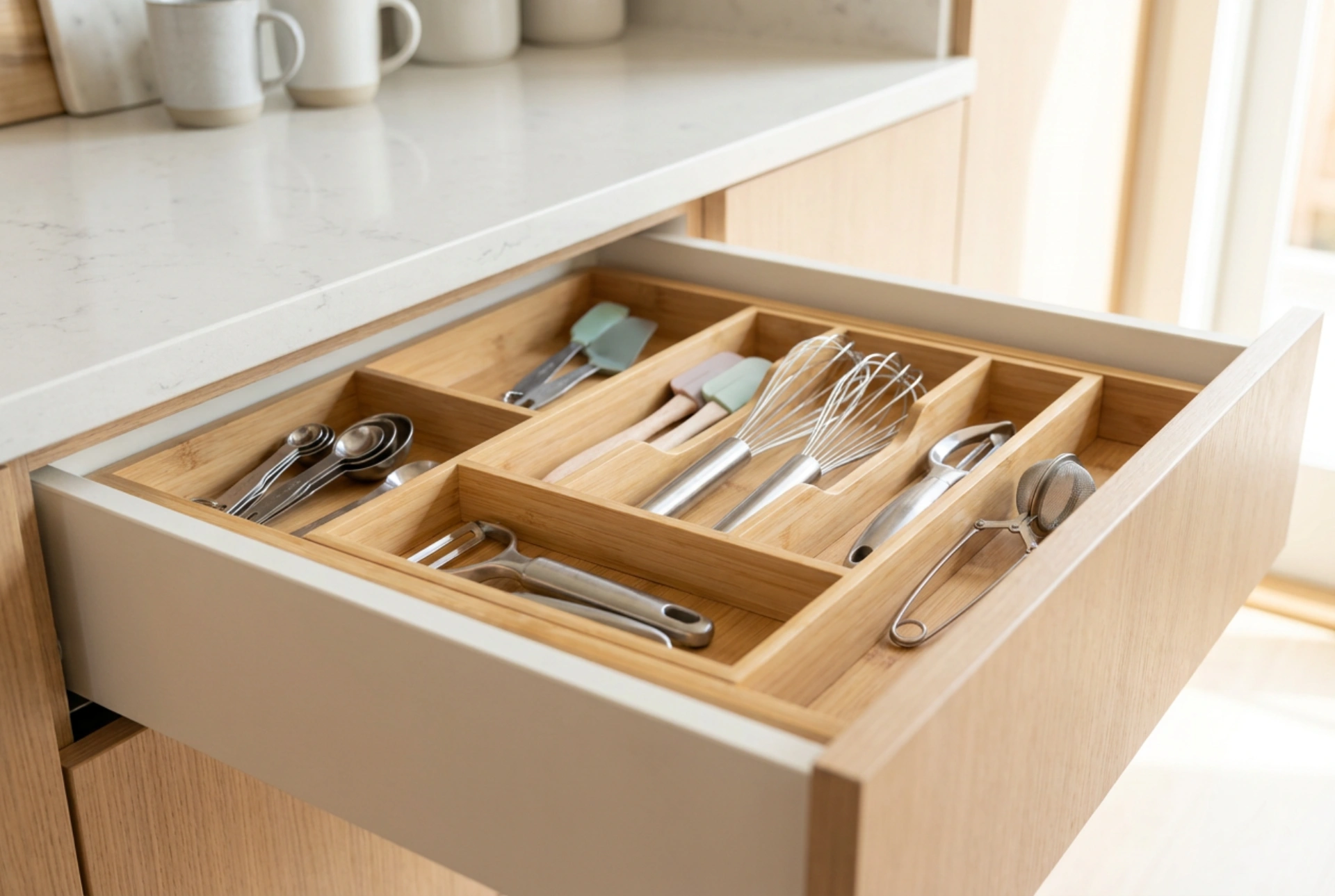


Drawers filled with loose items quickly descend into chaos, causing physical wear on both the drawer mechanisms and the stored objects due to kinetic friction. Utilizing a bamboo organiser offers a structural, material-science-backed solution to secure small items, prevent shifting, and maintain a sterile microclimate within closed storage spaces.
The Physics of Drawer Chaos: Why Items Shift
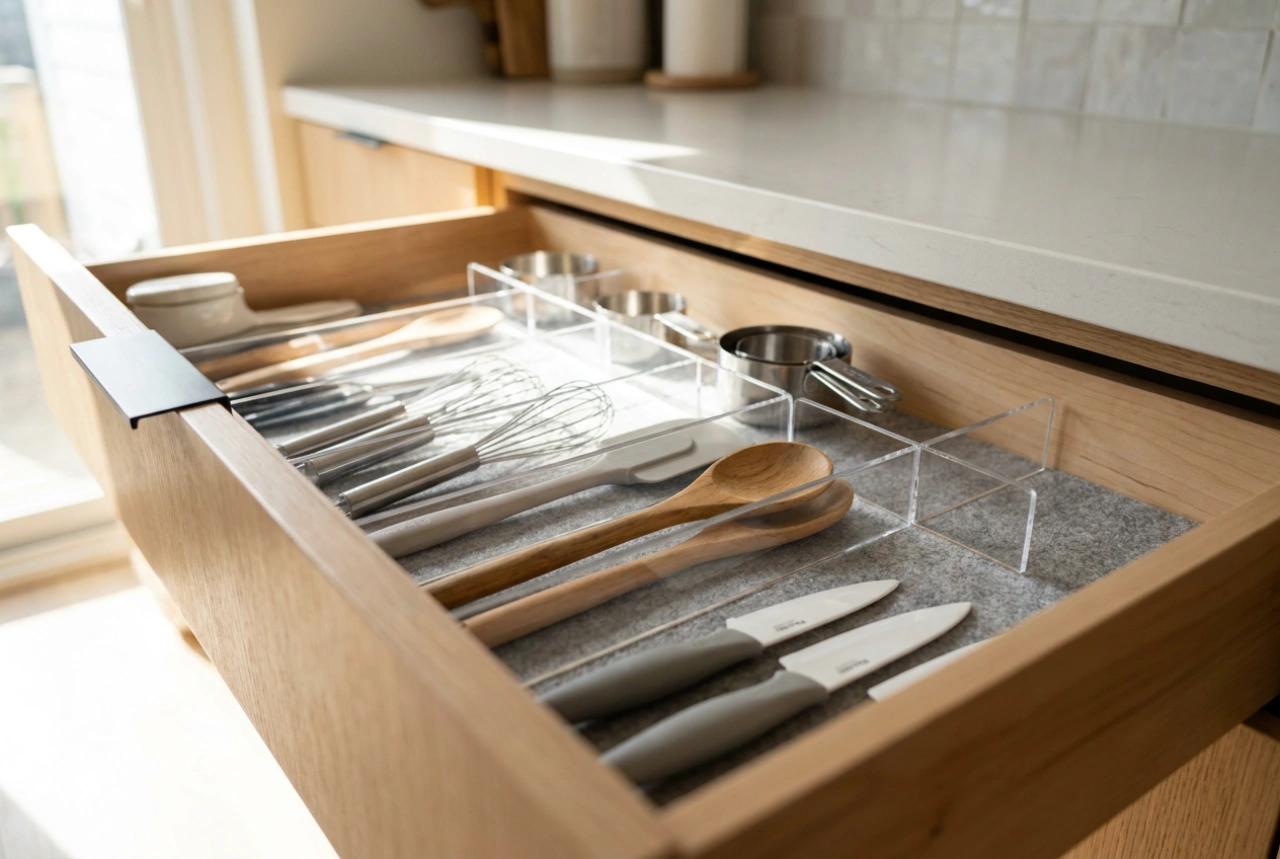
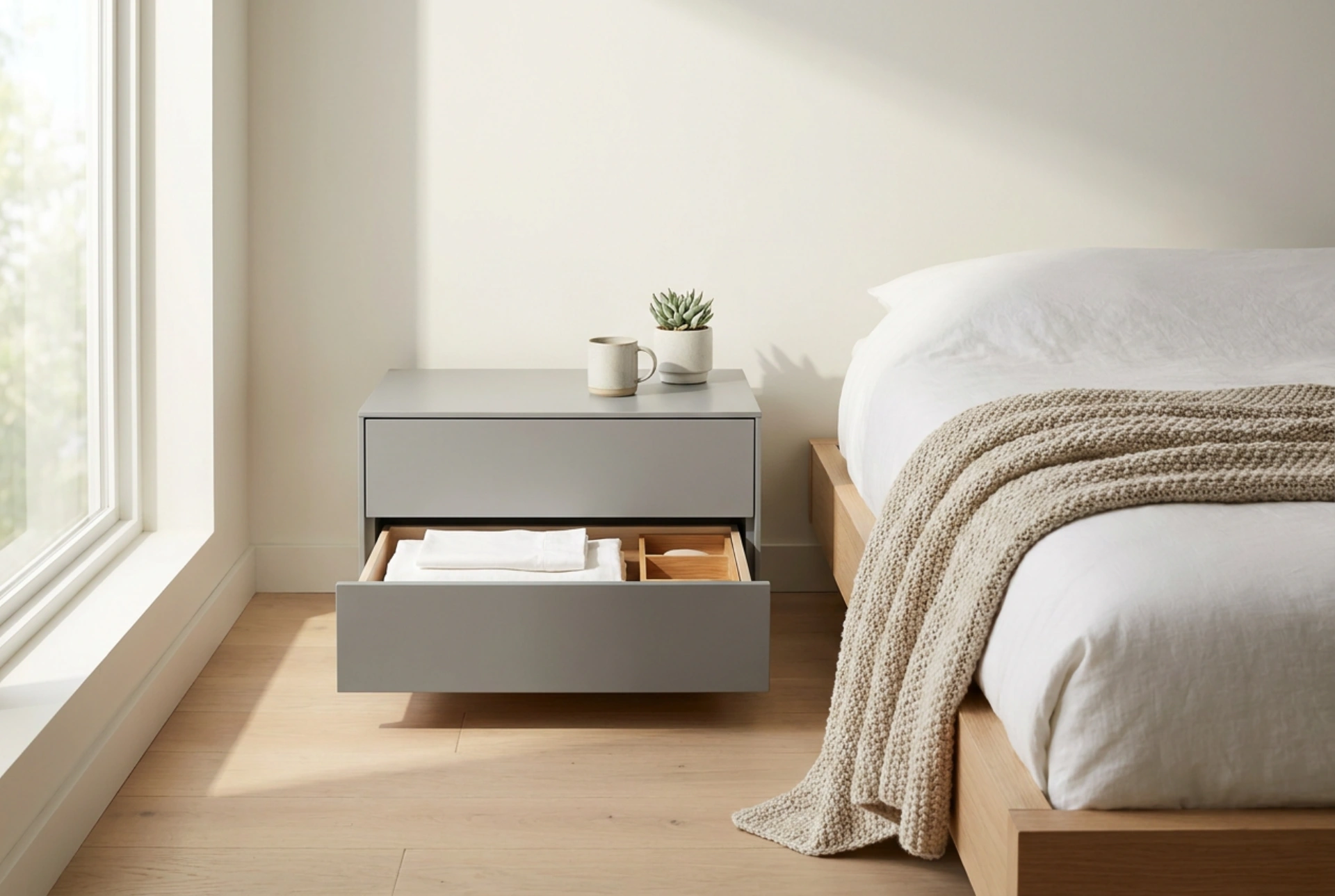
Every time a drawer is opened or closed, the objects inside are subjected to acceleration and deceleration. According to Newton’s first law of motion, items will continue moving until a force acts upon them. In an open drawer, this force is typically the impact against the drawer wall or other items, resulting in scratches, damage, and disorganized clutter. Divider walls within a bamboo organiser act as physical barriers that absorb this kinetic energy, confining movement to localized, tight compartments.
Furthermore, the surface friction of the organiser's floor determines how much an item slides. While slick plastics and smooth metals offer minimal resistance, the natural grain of bamboo provides a subtle microscopic texture. This texture increases static friction, keeping lightweight utensils, sewing notions, or cosmetics securely in place during sudden drawer movements.
The Material Science of Bamboo: Dimensional Stability and Moisture Resistance
Bamboo is botanically classified as a grass, but its woody stalks possess remarkable physical properties that make it superior to traditional hardwoods and synthetic polymers in drawer environments. Its high tensile strength—often comparing favourably to steel—comes from its densely packed vascular bundles.
Microclimate Regulation in Enclosed Spaces
Drawers in kitchens, bathrooms, and utility rooms are prone to localized microclimates where humidity levels fluctuate. When synthetic plastics seal in moisture, they create breeding grounds for mildew. Softwoods, on the other hand, absorb moisture too rapidly, leading to warping, twisting, and structural failure. Bamboo exhibits exceptional dimensional stability. Its cellular structure allows it to absorb and release microscopic amounts of ambient moisture without significant swelling or contraction, ensuring that the organiser remains perfectly fitted to the drawer chassis over years of use.
Natural Resistance to Microbes
In its natural state, bamboo contains an organic agent called kun, which provides inherent resistance to pests and microbial growth. When processed into drawer organisers, this characteristic remains highly beneficial. It prevents the growth of bacteria and fungi in dark, unventilated drawer spaces, making it an exceptionally hygienic choice for storing items that come into contact with food, skin, or open wounds, such as kitchen tools, makeup brushes, or medical supplies.
Acoustic Dampening and Material Compatibility
Selecting the right material for drawer division also involves acoustic and mechanical compatibility. Metal organisers, while durable, produce high-frequency clattering sounds when hard items like keys, metal cutlery, or beauty tools are placed inside. Over time, the repeated impact of metal against metal can chip anodized coatings or dull sharp blades.
Bamboo acts as a natural acoustic dampener. Its fibrous cellular matrix absorbs sound waves and cushions impacts, reducing ambient noise in the home. Because bamboo is softer than metal alloys but harder than most plastics, it strikes the perfect balance: it will not scratch delicate silver, carbon steel, or glass vials, yet it resists the deep gouges and structural wear that compromise cheaper plastic alternatives.
Optimal Maintenance Protocol for Bamboo Organisers
To preserve the structural integrity and hydrophobic qualities of a bamboo organiser, a specific maintenance routine should be followed. Because bamboo is a natural composite material, improper cleaning can damage its structural bonds.
- Avoid Immersion: Never submerge a bamboo organiser in water or place it in a dishwasher. Extreme heat and excessive water break down the natural adhesives holding the laminated strips together, causing splitting along the grain.
- Surface Sanitisation: Wipe the organiser with a damp microfiber cloth using a highly diluted solution of mild soap or a weak mixture of water and white vinegar (acetic acid) to neutralise odours without degrading the fibres.
- Oil Conditioning: Every six to twelve months, apply a thin layer of food-grade mineral oil to the surface. The oil penetrates the dry outer fibers, restoring the hydrophobic barrier and preventing the bamboo from drying out or cracking.
- Airtight Drying: Ensure the organiser is completely dry before returning it to the drawer, preventing any trapped moisture from affecting the drawer lining.