

Fabric pilling is a natural mechanical consequence of wear and friction, but it can be safely corrected without damaging the underlying weave by understanding the physics of fiber shear. Using an electric fabric shaver with proper technique allows you to cleanly slice away entangled fibers and restore a smooth surface texture.
The Physics of Pilling: Why Fabrics Bobble
Pilling occurs when friction causes loose or broken fibers to work their way out of the yarn structure. Over time, these tiny fibers migrate to the surface of the fabric and entangle with one another, forming small, unsightly spheres or pills. This phenomenon is highly dependent on the material's physical properties. Synthetic fibers, such as polyester and acrylic, have exceptionally high tensile strength, meaning they hold onto pills tenaciously without letting them shed naturally. Conversely, natural fibers like wool and cashmere have weaker tensile strength, but their scaled surface structure promotes fiber interlocking, leading to frequent pilling in high-friction areas like underarms and cuffs.
The Mechanical Principle of the Fabric Shaver
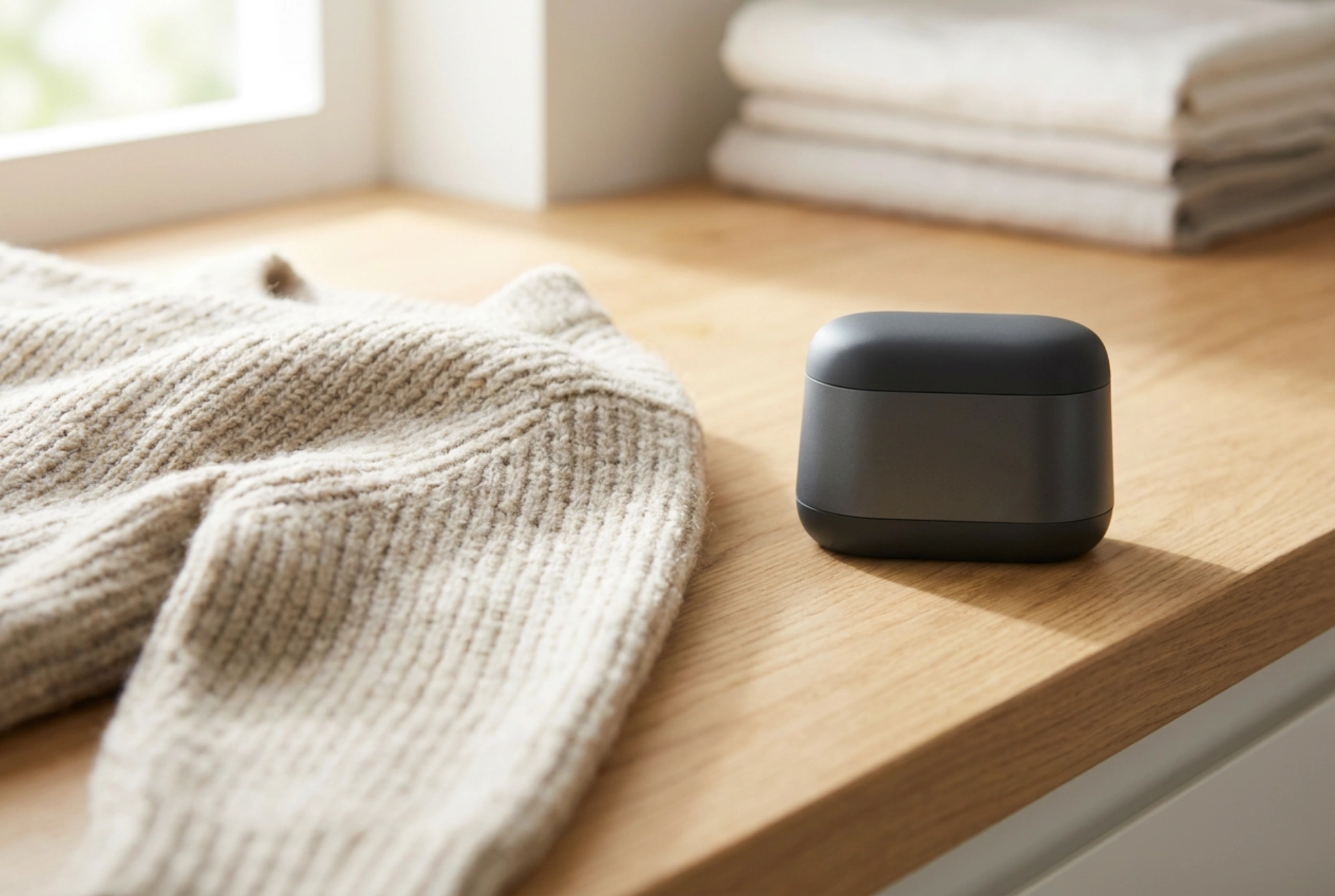
An electric fabric shaver solves this problem through a simple engineering mechanism: rotational shear. The device features a series of sharp, rotating blades positioned directly beneath a perforated metal mesh or foil. The mesh acts as a physical barrier that protects the main fabric structure from the moving blades. Only the raised, loose pills pass through the apertures of the metal screen, where they are instantly sheared off by the rapidly spinning blades underneath. This ensures that the structural integrity of the yarn is preserved, provided the fabric is kept completely flat against the screen.
Execution: Precision Techniques for Safe De-pilling
Using a fabric shaver requires careful control of tension, pressure, and angle to prevent the blades from catching on the weave. To achieve professional results, follow these steps:
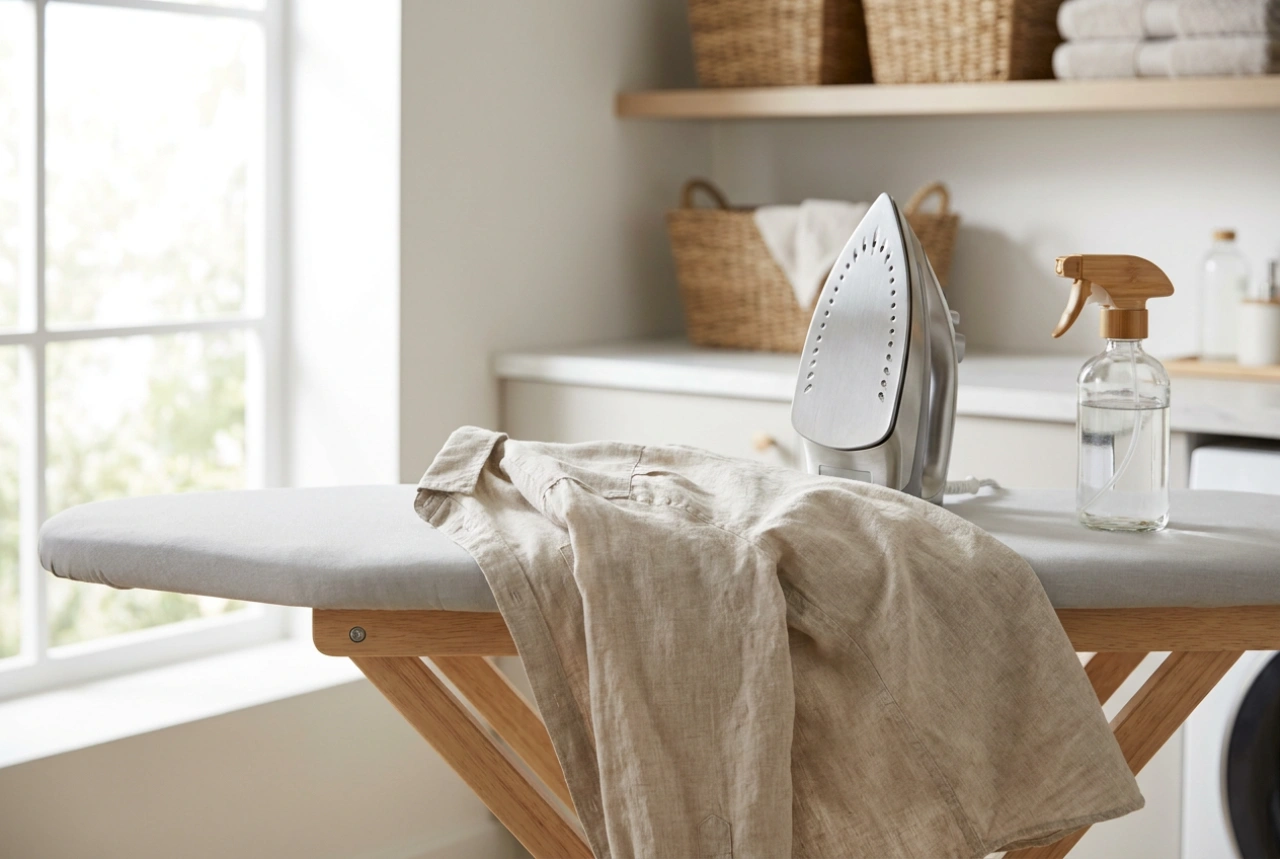
- Ensure a Flat Foundation: Always place the garment on a hard, flat surface like an ironing board or a clean table. De-pilling a garment while wearing it or on a soft surface like a bed increases the risk of fabric bunching, which can cause the blades to cut a hole in the material.
- Maintain Gentle Tension: Use one hand to gently pull the fabric taut, eliminating any wrinkles, folds, or loose threads. The metal mesh must glide smoothly over a perfectly flat plain.
- Apply Zero Downward Pressure: Let the weight of the device do the work. Pressing the shaver into the fabric forces the weave through the mesh holes, leading to accidental cuts. Glide the shaver lightly over the surface in small, circular motions.
- Follow the Knit Direction: For ribbed or patterned knits, move the shaver in the direction of the grain to minimize unnecessary friction and prevent snagging.
Material-Specific Calibration
Different textiles require different approaches to guard height and hole selection. Heavy wool knits have large, bulky pills that require a mesh guard with wider apertures and a higher distance setting to allow the large pills to enter without crushing the yarn. For fine wools, silks, or cotton blends, a smaller aperture size and a lower guard height are essential. This prevents the delicate base fibers from being drawn into the cutting chamber. Regularly emptying the lint collector during the process is also critical; a clogged chamber reduces rotational velocity, resulting in tearing or pulling rather than clean shearing.