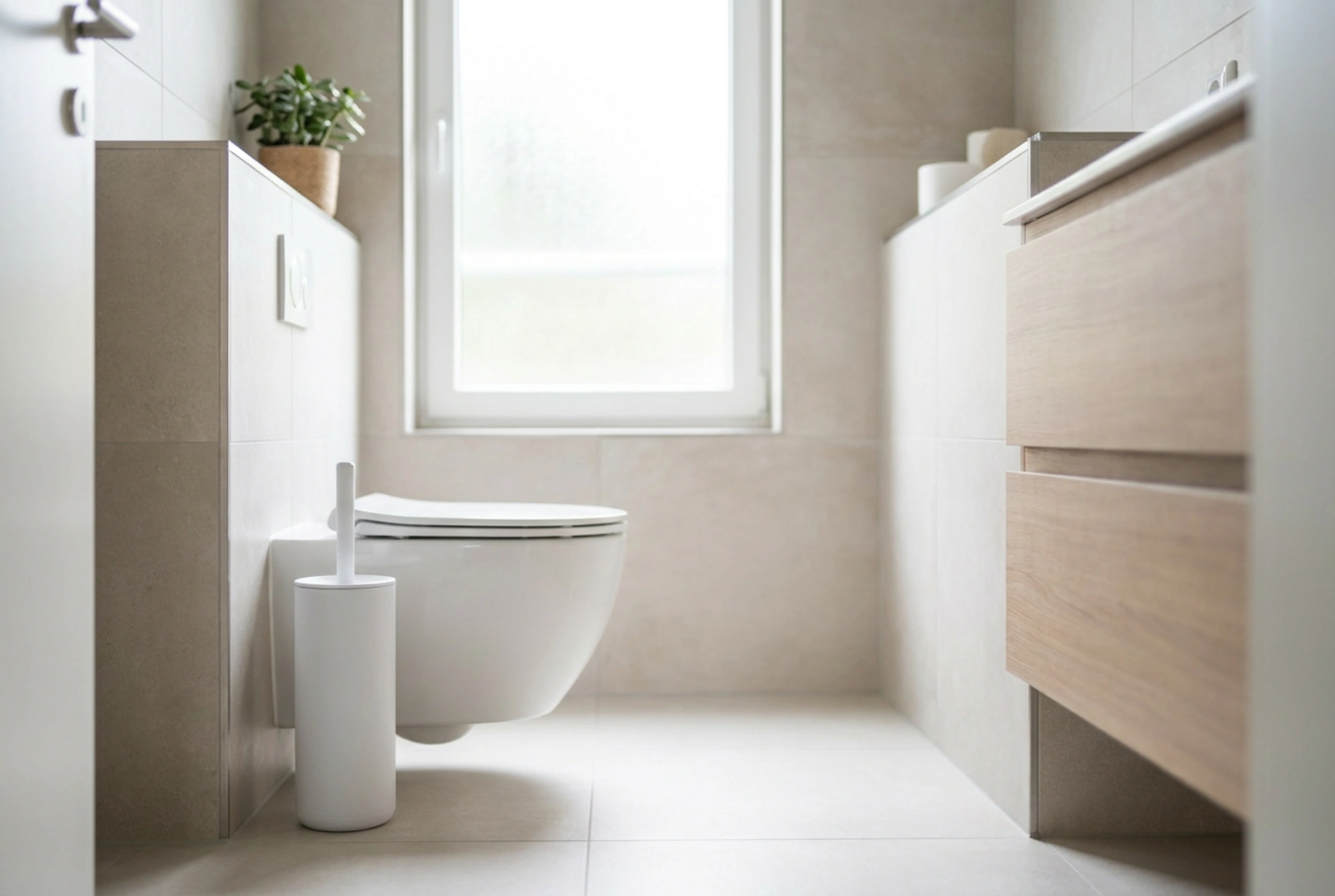


Traditional toilet brushes often act as reservoirs for moisture and pathogens, compromising bathroom hygiene despite regular cleaning. A disposable toilet brush addresses this issue by utilizing single-use, biodegradable scrubbing pads that eliminate the need to store a wet, contaminated tool in a permanent holder.
The Physics of Pathogen Retention in Standard Brushes
Standard plastic-bristle toilet brushes create a microenvironment highly conducive to bacterial growth. Capillary action draws contaminated water up between the dense bristles, where it remains trapped due to restricted airflow inside the storage container. Over time, this moisture facilitates the development of a complex biofilm, consisting of bacterial colonies embedded in a self-produced matrix of extracellular polymeric substances. When you reuse a damp brush, you risk redistributing these pathogens across the ceramic surface rather than sanitizing it. Additionally, the mechanical action of shaking a wet brush to dry it disperses microscopic aerosol droplets containing bacteria into the surrounding air, settling on nearby surfaces like towels and toothbrushes.
How Disposable Scrubbing Pads Function Chemically and Mechanically
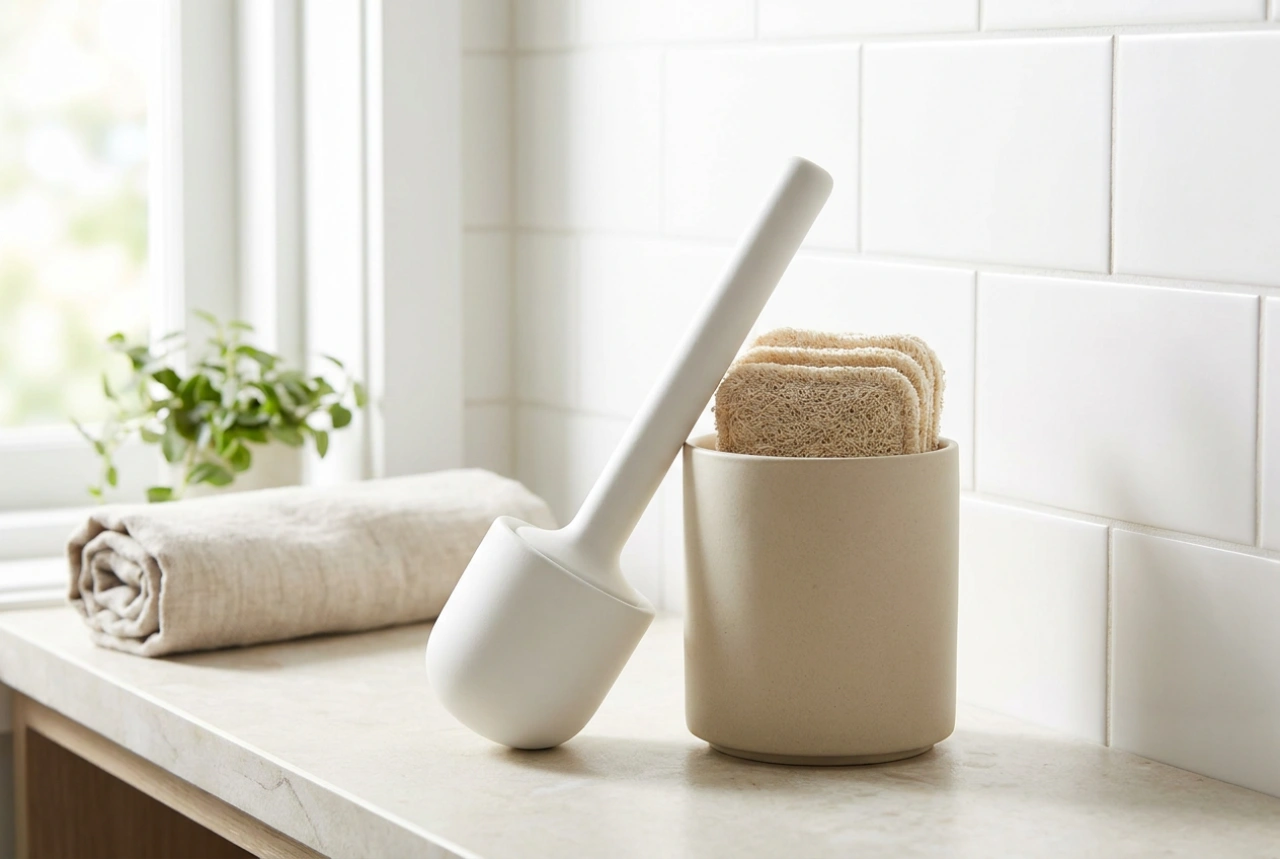
Disposable toilet brushes replace permanent bristles with single-use pads made of compressed non-woven cellulose fibers. These fibers are bonded with water-soluble adhesives that dissolve gradually upon contact with water, allowing the pad to conform precisely to the contours of the porcelain bowl. The mechanical friction of the cellulose fibers is highly effective at scraping away mineral deposits and organic matter without scratching the protective vitreous enamel glaze of the toilet. Furthermore, these pads are pre-impregnated with dry surfactant agents and mild acids, such as citric acid or sodium carbonate. When submerged, these compounds activate instantly, breaking down surface tension, dissolving calcium carbonate (limescale), and emulsifying organic oils without requiring separate chemical spray applications.
Step-by-Step Method for Optimal Hygienic Cleansing
To maximize the hygiene benefits of a disposable cleaning system, a systematic approach is essential to prevent cross-contamination.
- Preparation: Attach the disposable pad securely to the wand handle before wetting it, ensuring no direct skin contact with the cleaning agent.
- Activation: Submerge the pad in the toilet water for three to five seconds to activate the integrated cleaning agents. Allow the surfactant solution to foam slightly before scrubbing.
- Mechanical Scrubbing: Begin under the rim, where mineral deposits and bacteria collect in high concentrations. Work downward toward the water line, applying firm, circular pressure to break up physical deposits. The mechanical action of the non-woven fibers lifts debris into suspension.
- Disposal: Once the cleaning process is complete, use the wand’s mechanical release button to eject the pad directly into the waste bin. Avoiding physical contact with the soiled pad is crucial for maintaining aseptic conditions.
- Sanitizing the Handle: Wipe down the reusable wand handle with a disinfectant wipe containing alcohol or hydrogen peroxide, and store it in a dry, ventilated holder.
Material Safety and Environmental Considerations
Understanding the material composition of disposable toilet brushes is critical for both household plumbing safety and environmental preservation. Many high-quality disposable pads are composed of natural cellulosic fibers that break down mechanically under shear stress. However, to prevent blockages in home drainage systems, these pads should be disposed of in the dry waste bin rather than flushed down the toilet, particularly in buildings with older pipework or septic systems. Unlike synthetic plastic bristles, which shed microplastics into the wastewater stream during every scrub, cellulose-based disposable pads minimize the release of synthetic polymers into aquatic ecosystems while maintaining high structural integrity during the cleaning process.