

Storing playing cards in a drawer seems convenient, but unregulated shifting, friction, and moisture can quickly ruin paper decks by causing warped edges, delamination, and surface wear. Understanding the material science of cellulose fibers and implementing structured storage methods will keep your decks in pristine condition for years.
The Physics of Card Degradation: Humidity and Friction
Most standard playing cards are constructed from laminated layers of paper, held together by specialized adhesives, or made entirely of plastics like polyvinyl chloride (PVC) or cellulose acetate. Paper cards are highly hygroscopic, meaning they naturally absorb and release moisture from the surrounding environment. When humidity levels in a drawer fluctuate, the cellulose fibers in the paper expand and contract unevenly. This differential expansion leads to warping, commonly referred to as bowing or cupping.
Furthermore, every time a drawer is opened or closed, loose card decks shift. This movement creates kinetic friction between the tuck boxes or the exposed card edges. Over time, friction causes delamination—the separation of the paper layers—and destroys the smooth coating that allows cards to slide effortlessly over one another during use.
Controlling the Microclimate inside Your Drawer
To protect cellulose-based cards, maintaining a stable relative humidity (RH) of around 40% to 50% is critical. High humidity weakens the organic glues holding the card plies together, while extremely low humidity makes the paper brittle and prone to cracking.
- Utilize Desiccants: Place small packets of silica gel inside the drawer to absorb excess moisture. These packets act as a buffer, smoothing out environmental spikes.
- Avoid Direct Heat Sources: Ensure the drawer unit is positioned away from radiators, air vents, or windows, as localized temperature changes alter the relative humidity instantly.
- Avoid Airtight Plastic Bags: Storing paper cards in sealed plastic bags without a desiccant traps moisture inside, accelerating mold growth and paper softening.
Choosing the Right Protective Enclosures
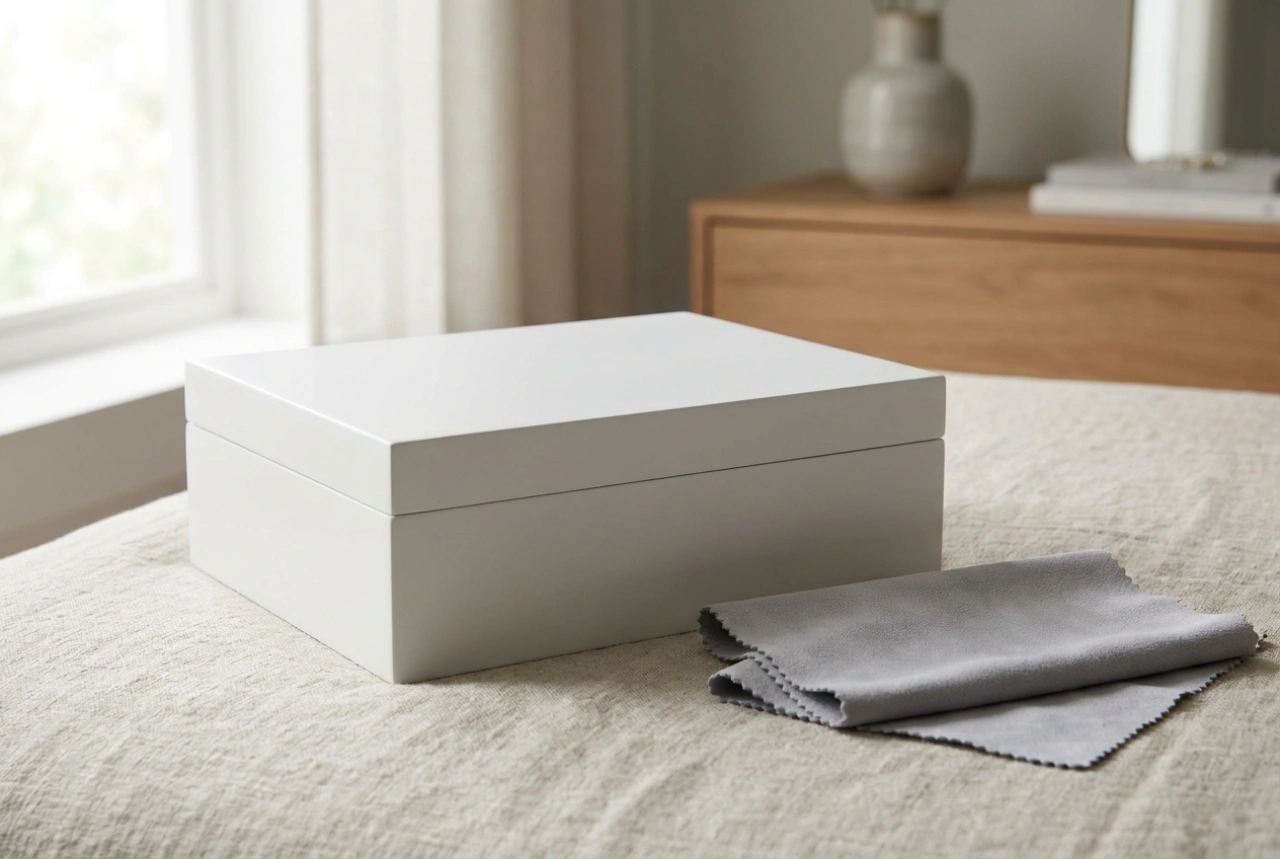
The original cardboard box (tuck case) provides basic dust protection but offers minimal structural defense against compression. To prevent physical deformation under the weight of other items in a drawer, consider upgraded housing materials.
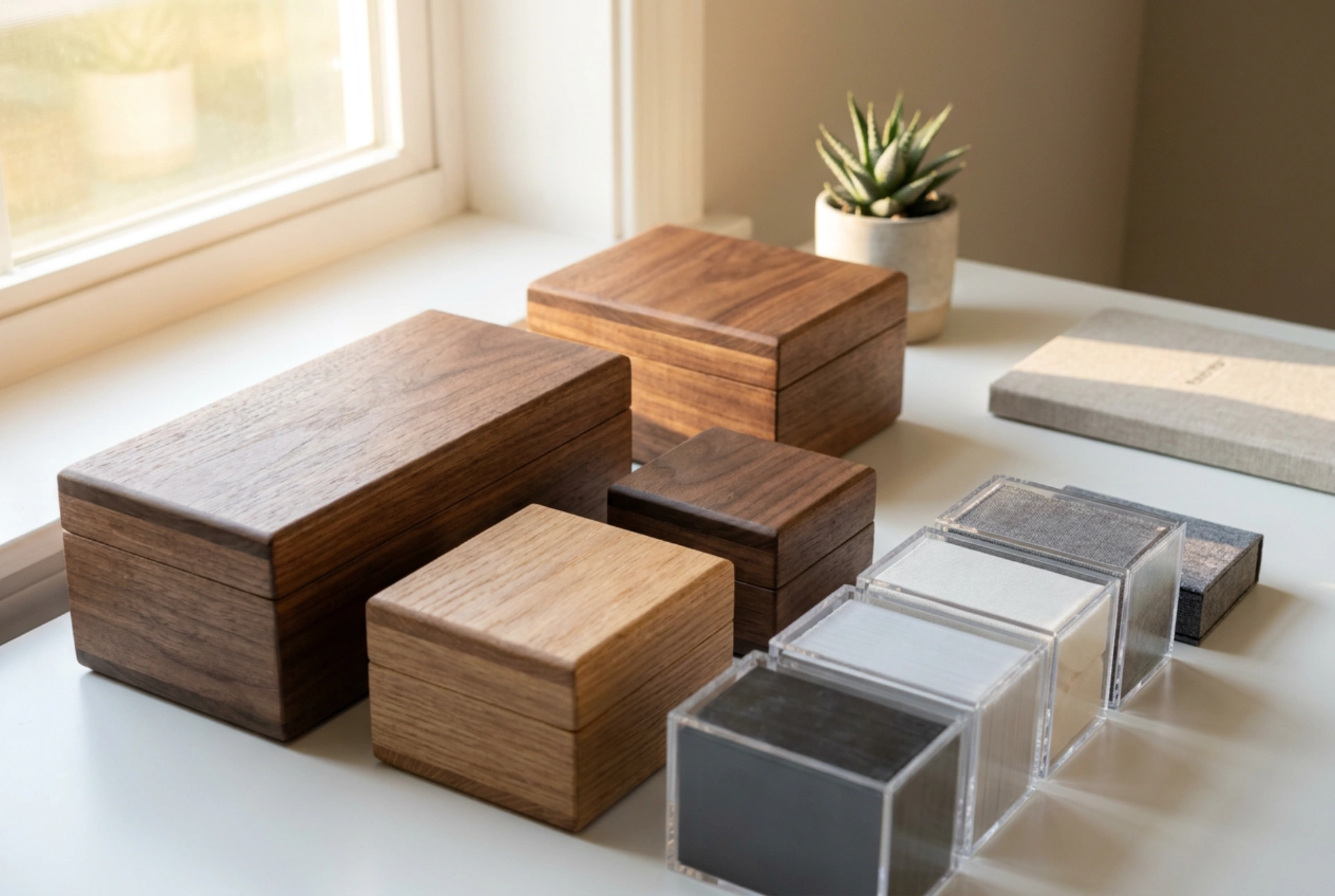
Hard acrylic cases or custom wooden deck boxes distribute external pressure evenly, safeguarding the vulnerable corners of the cards. When arranging decks within these cases, ensure they are packed snugly enough to prevent bowing, but not so tightly that the edges are compressed, which can cause permanent physical deformation. If you store cards without their tuck cases, always secure them with a wide, non-acidic paper band rather than a rubber band; rubber bands degrade over time, releasing sulfur compounds that discolor and degrade card coatings.
Drawer Mechanics and Layout Optimization
How you arrange your decks within the drawer space directly impacts their longevity. When a drawer slides, inertia causes loose items to slam into the back or front panels.
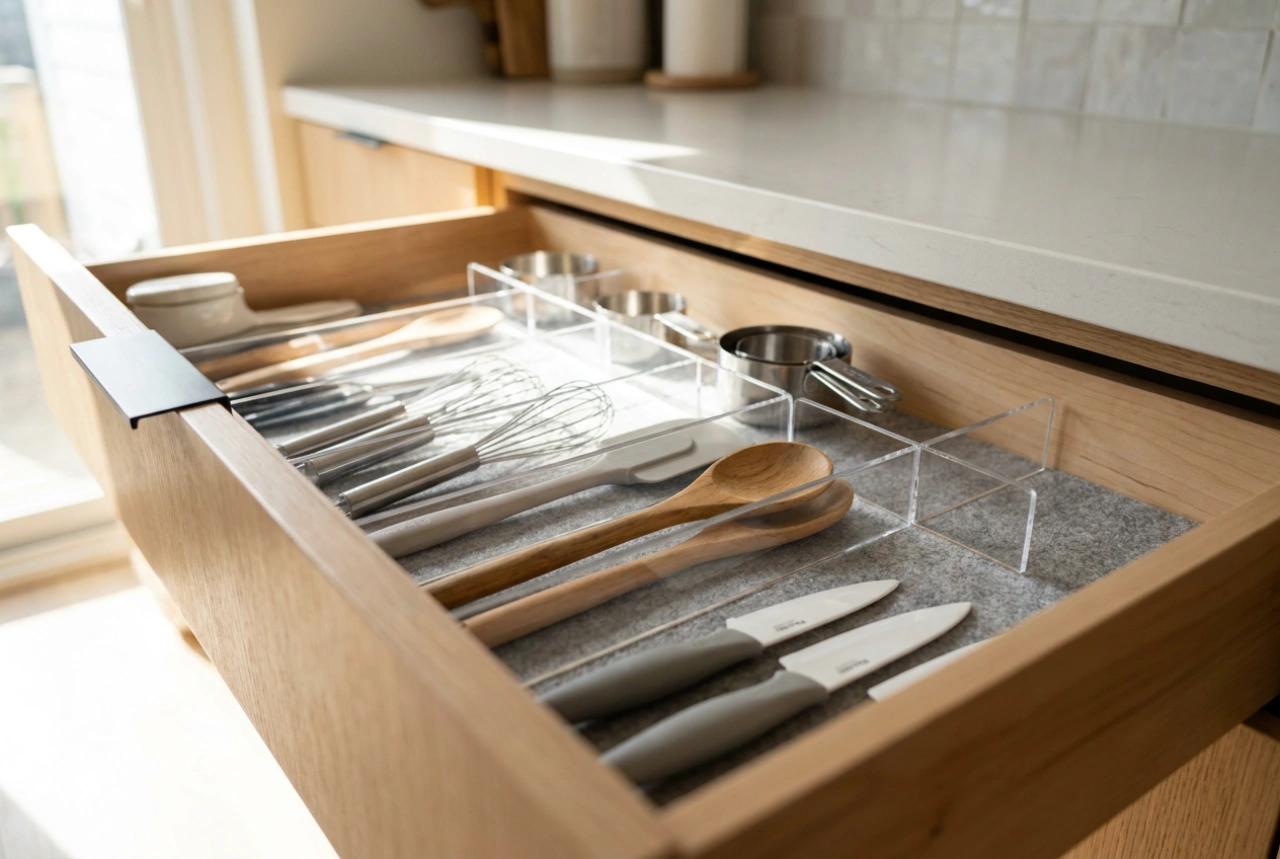
- Install Drawer Dividers: Use custom-fit wooden or heavy-duty plastic dividers to partition the drawer into dedicated slots. This restricts lateral movement and keeps decks upright.
- Apply Friction Liners: Lay down a non-slip, silicone-based drawer liner. The high coefficient of friction of the liner prevents the storage cases from sliding when the drawer is operated.
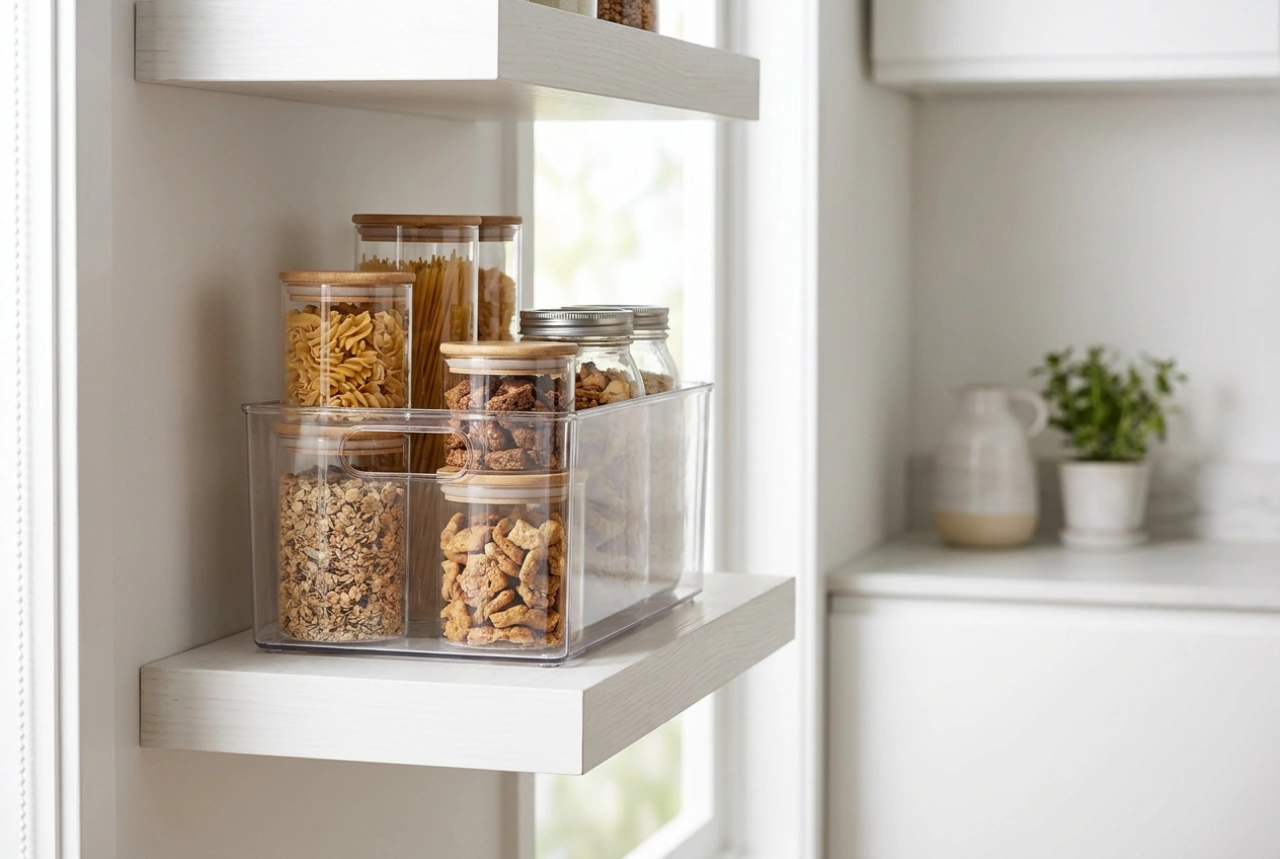
- Store Decks Vertically: Position your deck boxes vertically (like books on a shelf) rather than stacking them horizontally. Stacking creates cumulative downward pressure on the bottom decks, which can compress the card cores and permanently warp the lower tuck cases.