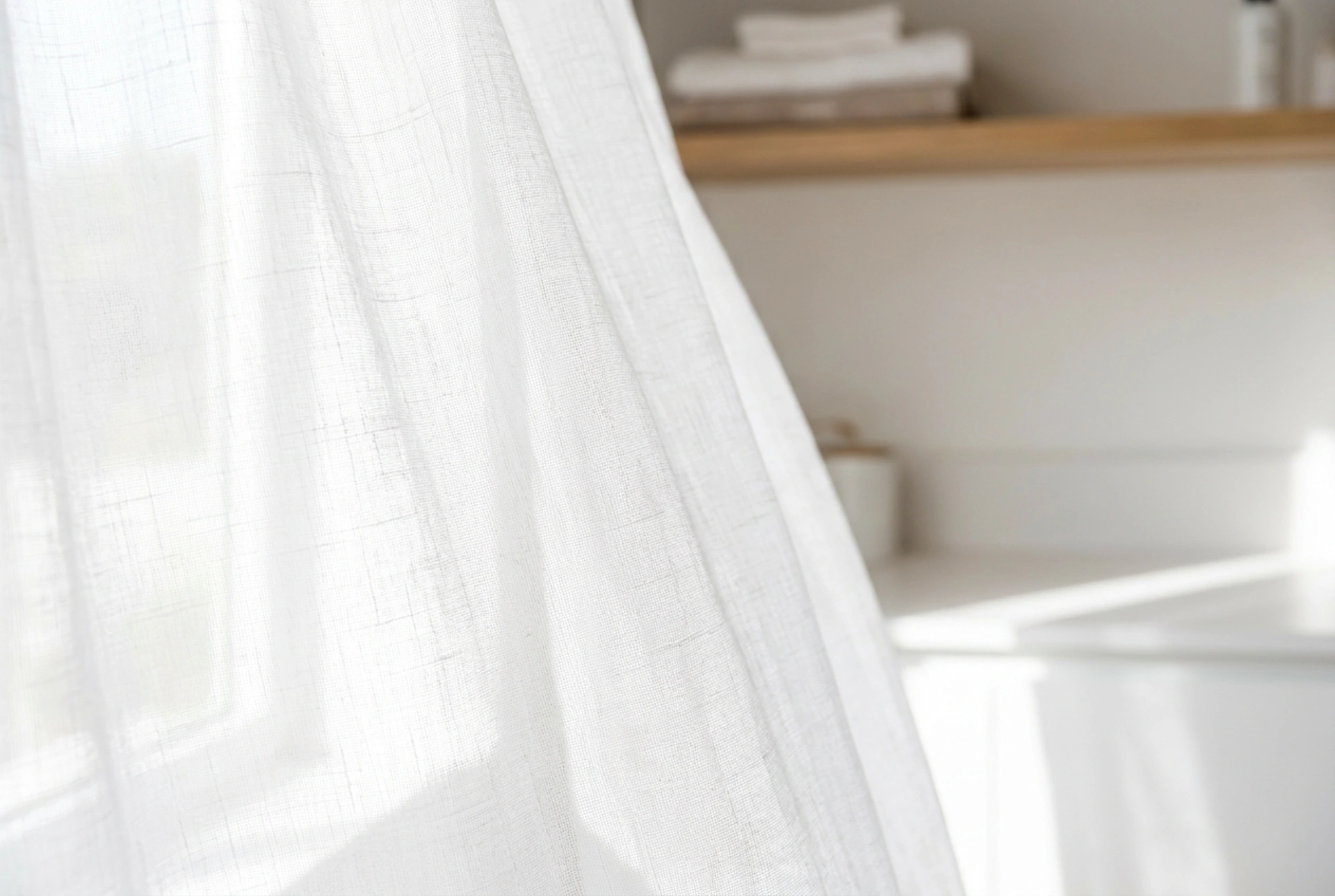


Sheer curtains made of voile, organza, or lace are highly susceptible to mechanical damage and thermal deformation during machine washing. Understanding the physical and chemical factors of the washing process allows you to remove dust, soot, and yellowing without compromising the structural integrity of delicate fabrics.
The Vulnerability of Fine Fabric Weaves
Most modern sheer curtains are woven from synthetic fibers like polyester or blended with natural fibers such as cotton and silk. While polyester is inherently durable, the extremely thin threads used in sheer weaves have low resistance to friction and pulling. When subjected to the aggressive tumbling of a standard wash cycle, these fibers rub against each other and the metal drum, causing micro-tears, pilling, and distortion of the weave grid. Additionally, when wet, fibers absorb water and become heavier; high-speed spinning forces this heavy, wet fabric against the perforations of the washing drum, leaving permanent creases and stretching the delicate patterns out of shape.
Selecting the Correct Machine Program and Temperature
To mimic the gentle action of hand washing, you must select a cycle that minimizes mechanical action and controls thermal exposure. The ideal setting is a dedicated "Delicate", "Hand Wash", or "Wool" program. These cycles utilize a specific drum movement rhythm: instead of continuous rotation and dropping the laundry from the top of the drum, they use a gentle swaying or cradling motion with long pauses. This significantly reduces mechanical friction. Water temperature must be strictly limited to 30 degrees Celsius. High temperatures soften synthetic fibers, making them prone to permanent creasing and shrinkage. Furthermore, the spin speed should be set to a maximum of 400 to 600 RPM, or disabled entirely, allowing the water to drain naturally to prevent centrifugal force from crushing the delicate weave.
The Chemistry of Dust Removal and Brightening
Curtains act as electrostatic filters, attracting airborne dust, pollen, and nicotine or heating soot. Standard detergents often contain optical brighteners that merely mask dirt, or harsh chlorine-based bleaches that chemically degrade polyester, leading to yellowing and fiber rot. For safe and effective cleaning, use a mild, low-foaming liquid surfactant designed for delicates. To combat graying or yellowing, incorporate oxygen bleach (sodium percarbonate) in the pre-wash or main wash cycle. When dissolved in water above 30 degrees Celsius (or activated with a specialized low-temperature activator), sodium percarbonate releases active oxygen. This process oxidizes organic stains and neutralizes yellowing without attacking the polymer chains of synthetic fibers.
Preparation and Loading Techniques to Minimize Creasing
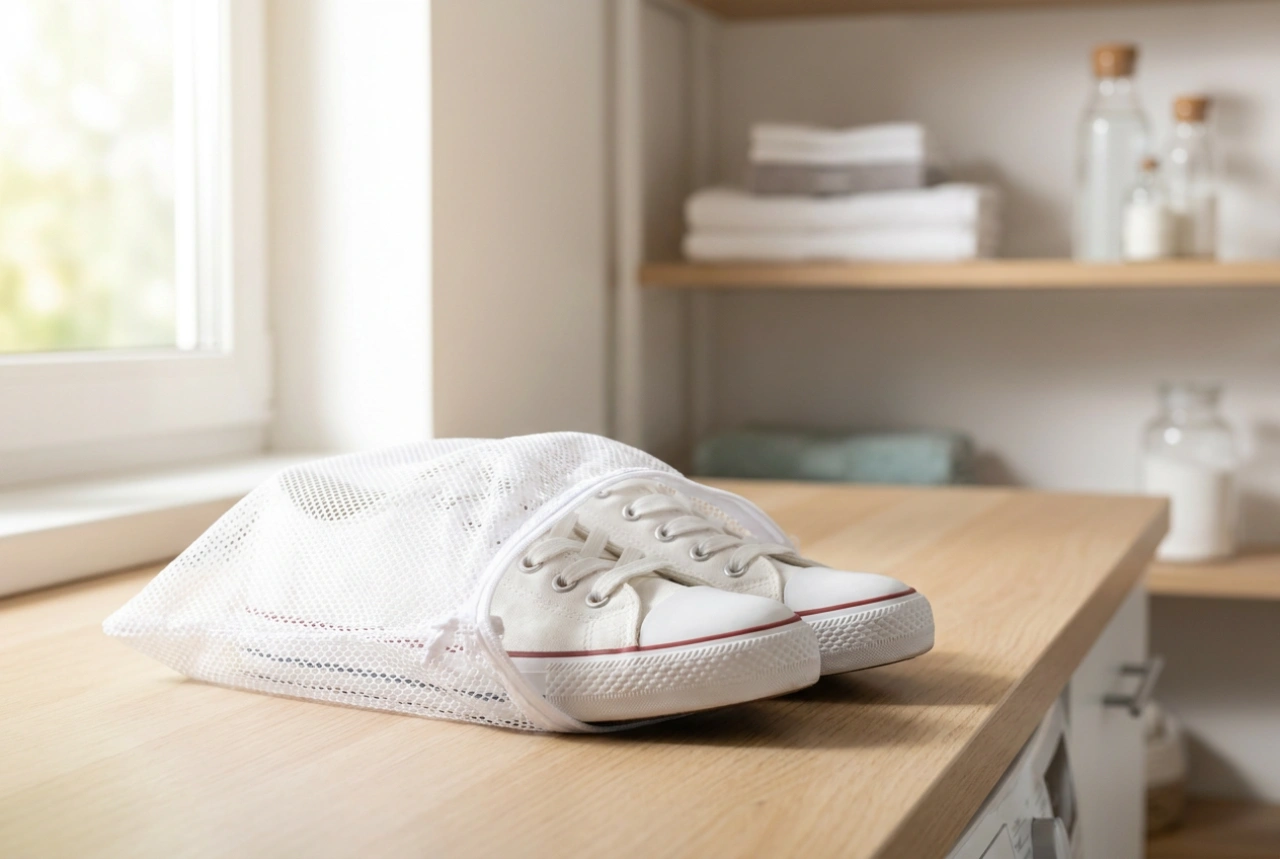
How you place the curtains in the machine is just as important as the wash cycle itself. Never stuff crumpled curtains into the drum. Instead, shake them gently outside to remove loose dust, then fold them loosely into a neat rectangle. Placing the folded curtains inside a large, mesh laundry bag is highly recommended. The mesh bag acts as a physical barrier, preventing direct contact with the drum surface and eliminating the risk of the fabric getting snagged on the door seal or drum perforations. Ensure the washing machine is loaded to no more than one-third of its volume; this high water-to-fabric ratio allows the curtains to float freely, reducing friction and ensuring even detergent distribution.
Step-by-Step Washing Protocol
- Remove all metal or plastic hooks and lead weights from the bottom hem to prevent rust stains and fabric tears.
- Fold the curtains neatly and place them inside a protective mesh laundry bag.
- Select the delicate or hand wash cycle with a temperature of 30 degrees Celsius and spin speed set to 400 RPM.
- Add a mild liquid detergent and one tablespoon of oxygen-based bleach to the dispensing drawer.
- Hang the curtains back on the curtain rod while still damp, allowing gravity to naturally smooth out any remaining minor wrinkles.