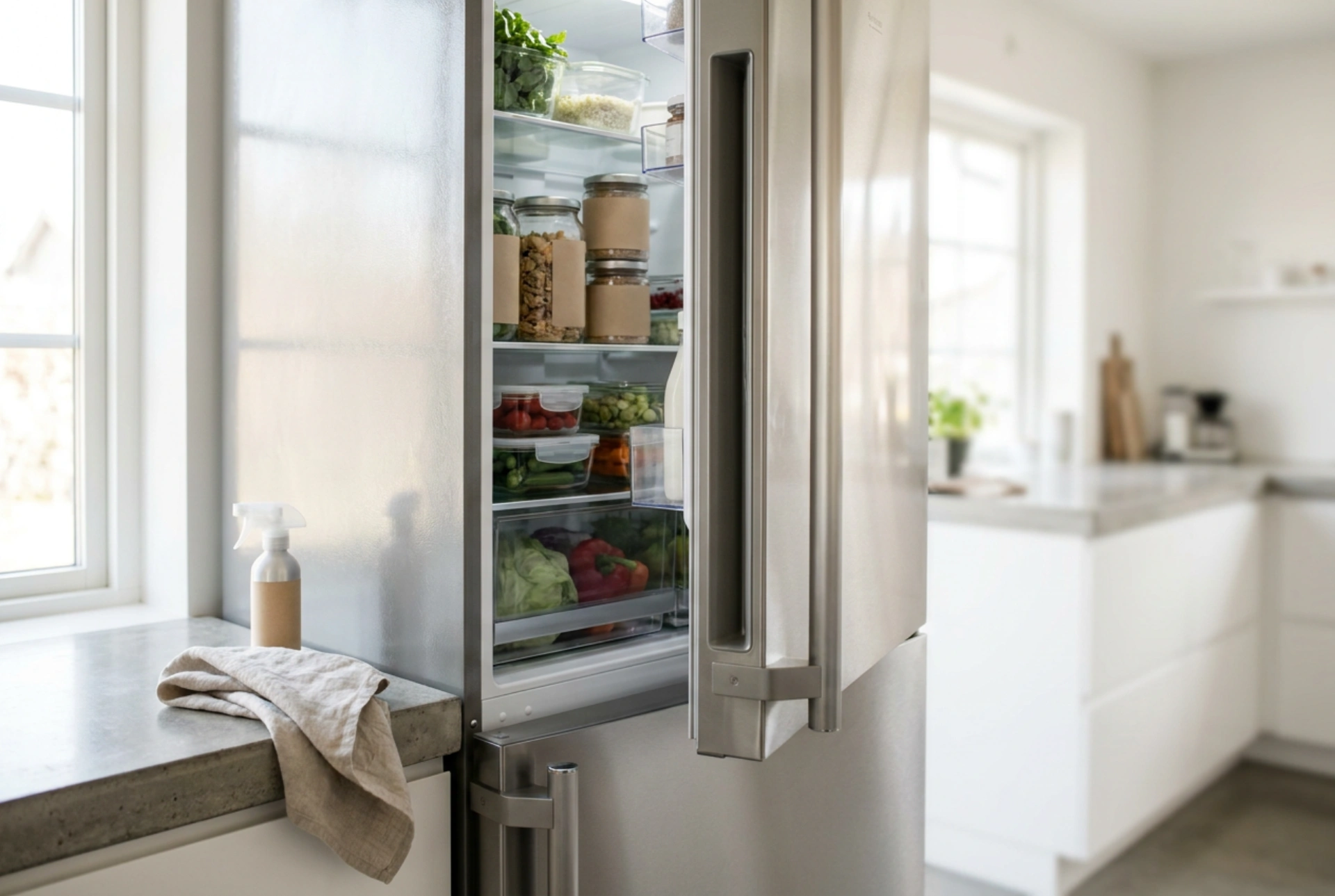


Deciphering the technical parameters of a double-door refrigerator-freezer is essential for ensuring optimal food preservation, thermodynamic efficiency, and long-term energy savings in your kitchen. Beyond the aesthetic appeal of a stainless steel appliance, the underlying physics of cooling, insulation, and air circulation determine how effectively the unit performs under varying environmental conditions.
Climate Classes and Thermodynamic Efficiency
Every refrigeration unit is engineered to operate within specific ambient temperature ranges, designated as climate classes. These classes—Subnormal (SN, 10°C to 32°C), Normal (N, 16°C to 32°C), Subtropical (ST, 16°C to 38°C), and Tropical (T, 16°C to 43°C)—dictate how efficiently the heat pump mechanism can expel heat. A double-door appliance has a larger surface area, meaning heat transfer from the room into the cabinet is naturally higher than in smaller models.
If a refrigerator rated for Normal (N) conditions is placed in an unheated pantry or next to an oven, the compressor must work continuously to maintain the internal temperature gradient. This constant operation accelerates component wear and exponentially increases energy consumption. Understanding these thermal boundaries ensures you select an appliance optimized for your specific kitchen microclimate.
Understanding Net Volume and Insulation Thickness
When reviewing specifications, you will encounter two capacity metrics: gross volume and net (usable) volume. Gross volume measures the total space inside the external shell, whereas net volume accounts for the physical space occupied by drawers, shelving, light fixtures, and internal cooling columns. For daily use, only the net volume is relevant.
The difference between these volumes is heavily influenced by the insulation material, typically high-density polyurethane foam. Thinner walls can increase net capacity but require a higher-grade insulating material to prevent thermal bridging—where heat bypasses the barrier. In double-door configurations, a well-insulated central mullion (the vertical bar separating the doors) is vital to prevent condensation forming on the exterior surfaces where cold and warm air masses meet.
No Frost Technology and Airflow Dynamics
Modern double-door refrigerators utilize advanced air circulation systems to manage humidity and temperature distribution. Understanding the difference between static, semi-No Frost, and Total No Frost is critical for food preservation:
- Forced Convection (Total No Frost): Fans continuously circulate chilled, dry air throughout both compartments. This process prevents ice accumulation by directing humid air toward an hidden evaporator, where it undergoes a controlled defrost cycle, turning ice into water that drains out.
- Dual Tech Cooling: High-end double-door systems use independent evaporators and fans for the fridge and freezer zones. This prevents odor transfer between compartments and maintains higher relative humidity in the fresh food section, which is essential to prevent produce from dehydrating.
By studying the air circulation parameters, you can determine how the appliance manages temperature recovery times after the doors are opened, which directly impacts the shelf life of highly perishable goods.
Energy Consumption and Acoustic Power Levels
The energy label provides a standardised annual energy consumption figure in kilowatt-hours (kWh/annum). This value is calculated under controlled laboratory conditions and represents the baseline power required to run the compressor, fans, and defrost heaters over a year. However, real-world consumption depends on door-opening frequency and internal load.
Another crucial parameter is the noise emission rating, measured in decibels (dB) and categorized from class A to D. In double-door models, noise is primarily generated by three sources: the compressor pump, the expansion of the gaseous refrigerant as it passes through the capillary tubes, and the circulation fans. A rating of 35 to 39 dB is considered quiet and suitable for open-plan living spaces, whereas ratings above 42 dB may be noticeable during quiet evening hours. Modern linear inverter compressors run continuously at variable speeds to minimise the sudden spikes in acoustic output associated with traditional start-stop compressors.