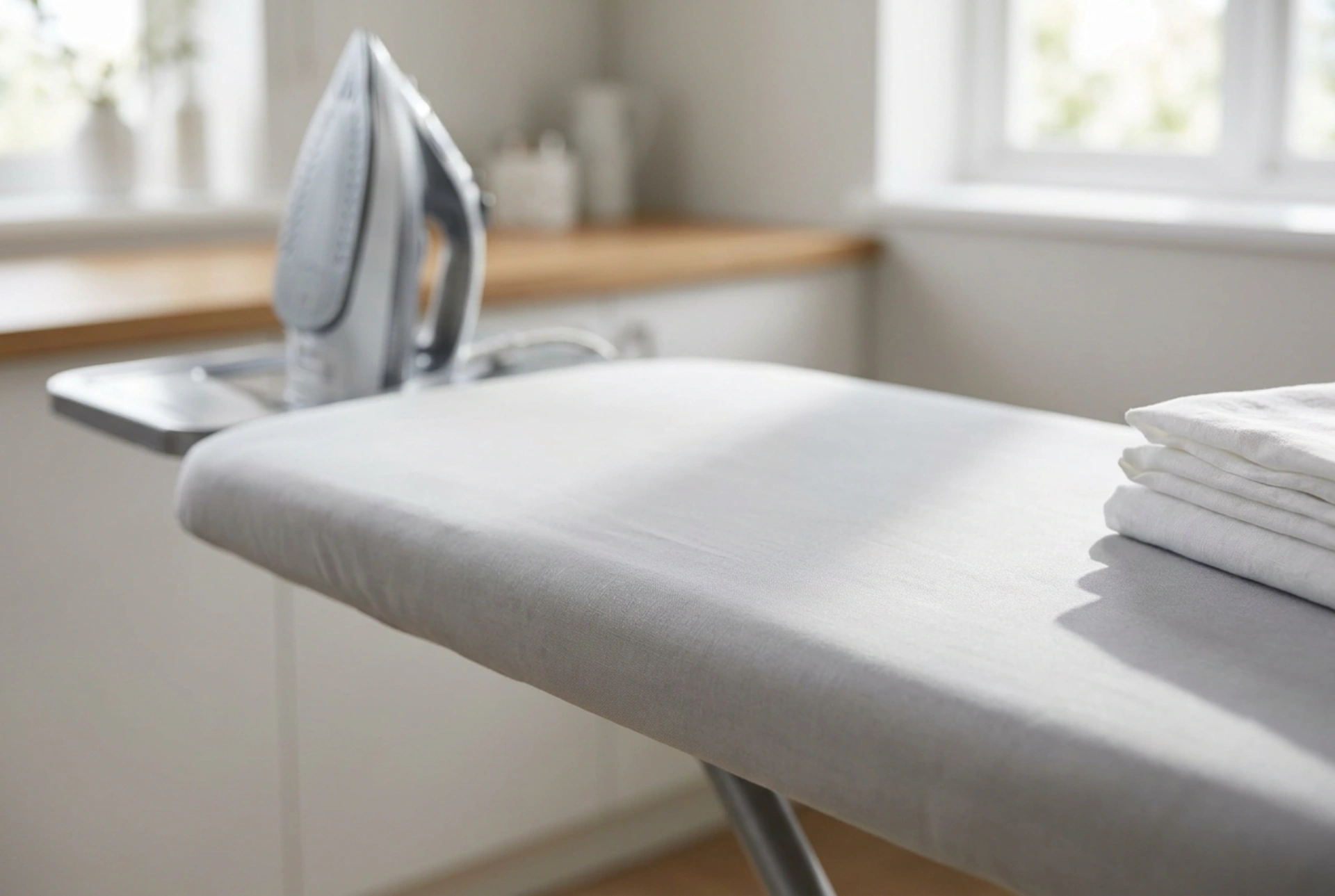


Proper maintenance of an ironing board cover not only extends its lifespan but also ensures flawless garment care by preventing heat-induced discoloration and chemical residue buildup. Understanding the thermal properties of your cover's material and adopting correct heat-transfer techniques is key to keeping it free from scorch marks.
The Material Science of Ironing Board Covers
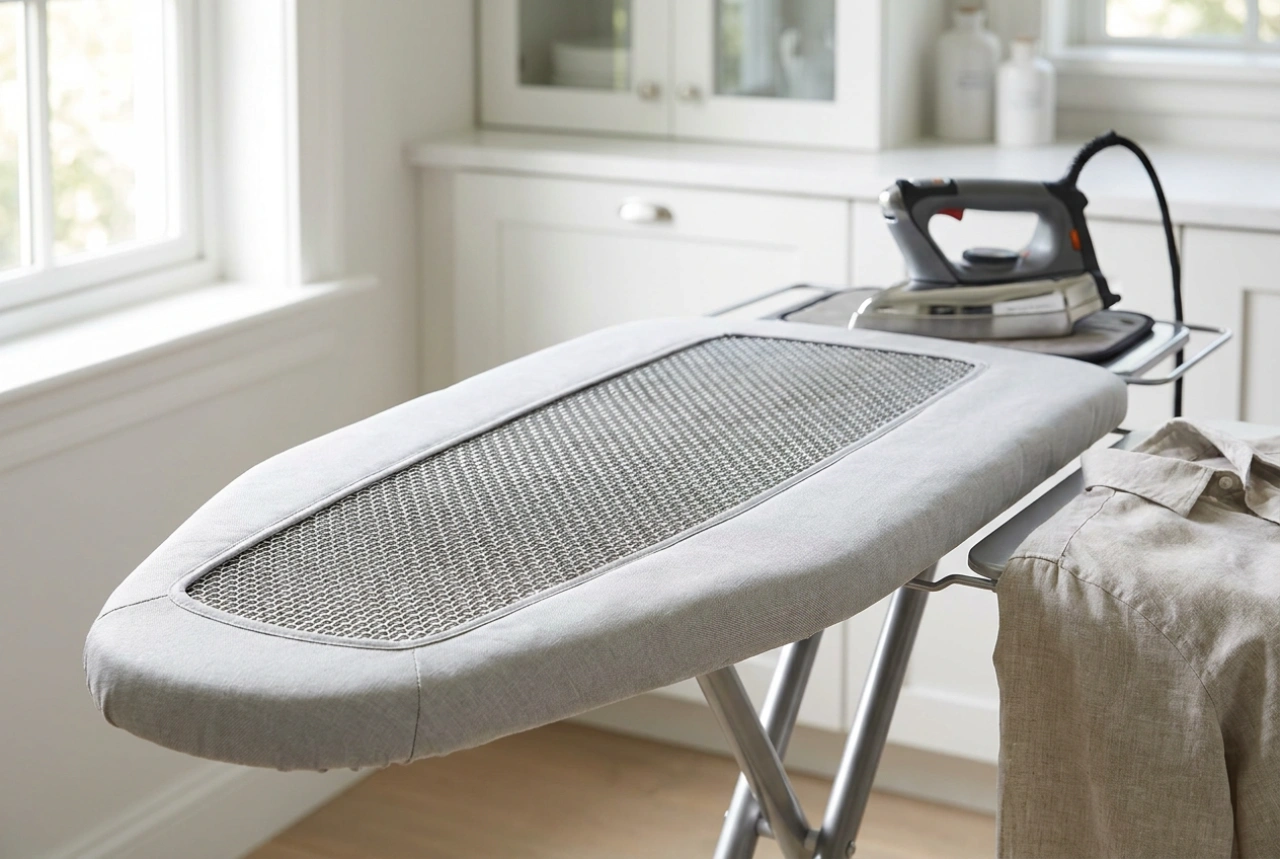
Ironing board covers are engineered to withstand high temperatures, but their heat resistance depends heavily on fiber composition. Unbleached cotton is the standard for high-heat performance, capable of enduring temperatures up to 220°C. Many modern covers feature metallized coatings, where microscopic metallic particles are bonded to the fabric to reflect heat back through the garment, accelerating the ironing process. While highly efficient, these reflective surfaces require careful temperature regulation to prevent the coating from peeling. Synthetic covers, such as those containing polyester, have a lower melting point (around 150°C to 180°C) and are highly susceptible to heat damage. Beneath the fabric, dense needle-punched felt or foam padding acts as a thermal cushion, absorbing excess moisture and dispersing heat evenly to protect both the board and the top cover from localized overheating.
The Chemistry of Scorch Marks
A scorch mark is the visual result of pyrolysis. When cotton fibers are subjected to excessive heat without sufficient moisture, the cellulose chains break down, releasing carbon compounds that discolor the fabric. This process is accelerated by organic residues on the cover. Laundering starch, fabric softeners, and synthetic fiber residues from previously ironed clothing accumulate over time. Under the intense heat of the iron, these residues undergo caramelization and thermal carbonization. This causes stubborn brown stains and creates a sticky friction layer that drags against garments, leading to further heat concentration and potential fabric damage. Keeping the cover chemically clean is therefore the first line of defense against scorching.
Effective Cleaning Protocols to Prevent Heat Stains
To prevent residue buildup from carbonizing under your iron, a regular cleaning schedule is essential. Always remove the cover from the board before cleaning to protect the underlying frame.
- Mild Acetic Acid Rinse: To dissolve accumulated fabric starch and mineral deposits from hard water, soak the cover in a solution of warm water and white vinegar (a 4:1 ratio) for 30 minutes. This mild acidity breaks down alkaline residues without degrading cotton fibers.
- Oxygen-Based Bleaching: For organic stains, use an oxygen-based bleach (sodium percarbonate) dissolved in warm water. Avoid chlorine bleach, as it oxidizes and weakens cotton fibers, making them far more susceptible to scorching during subsequent ironing sessions.
- Gentle Washing and Air Drying: Machine wash cotton covers on a gentle cycle at 30°C to 40°C. Never tumble dry a cover, especially those with foam backing, as high mechanical heat causes shrinkage and delamination, ruining the taut fit required for smooth ironing.
Advanced Ironing Habits for Heat Protection
Preventing scorch marks is ultimately a matter of managing thermal energy and moisture. When ironing, utilize steam effectively. Steam transfers heat through latent energy, allowing fibers to relax at lower surface temperatures and reducing the need for direct, dry heat contact. Never leave a hot iron stationary on the cover; always place it upright on its heel or on a dedicated silicone heat-resistant pad. Additionally, using a clean, damp cotton pressing cloth over the cover when iron temperatures exceed 200°C provides a physical barrier, absorbing excess thermal energy and protecting both the cover and delicate fabrics from direct contact with the hot soleplate.
How to Treat Fresh Scorch Marks
If a minor scorch mark occurs, quick intervention can often reverse the discoloration before the cotton fibers are permanently weakened. Lay the cover flat and apply a small amount of 3% hydrogen peroxide directly to the stain. Hydrogen peroxide is a mild oxidizing agent that breaks down the charred organic compounds without harming the natural cellulose of the cotton. Lay a clean, dry cloth over the treated area and press lightly with a warm iron. The heat accelerates the oxidation process, lifting the scorched particles onto the cloth. Wipe the area with a damp microfiber cloth to remove any remaining chemical residue and allow it to air dry completely.