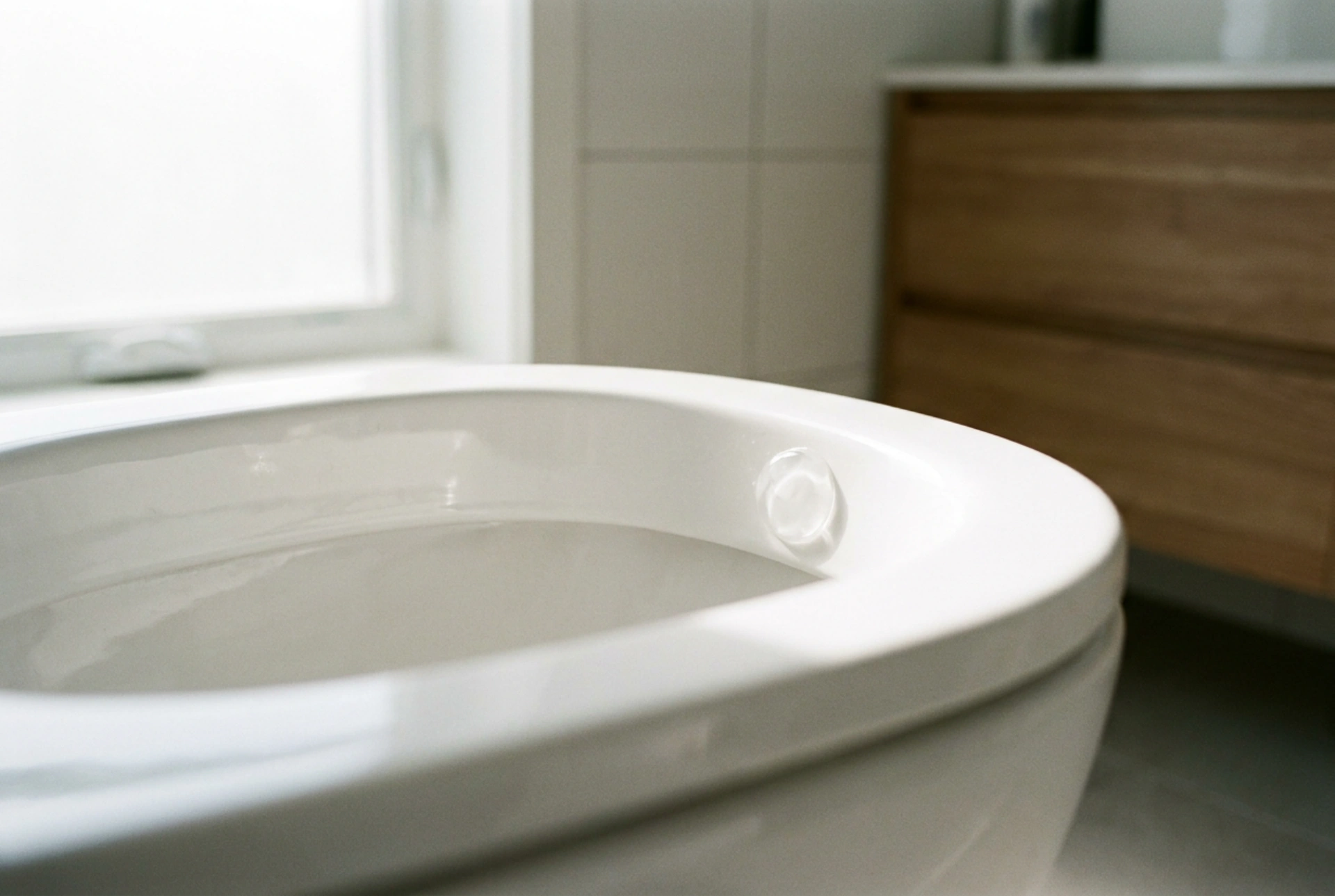


The Chemistry of Self-Adhesive Toilet Gels
Unlike traditional rim blocks that sit inside plastic baskets, toilet gel stamps rely on advanced material science to adhere directly to glossy ceramic surfaces. The gel itself is a highly structured colloidal system. It consists of a network of synthetic polymers or modified cellulose gelling agents that trap water, non-ionic surfactants, organic acids, and fragrance oils within their matrix. This polymer network gives the gel its characteristic viscoelastic properties, allowing it to behave like a solid when at rest but deform slightly under physical pressure during application.
The adhesion mechanism relies on physical adsorption and hydrogen bonding. Ceramic toilet bowls are glazed with a vitreous silicate layer, which is highly polar. The surfactants and polymers within the gel contain hydrophilic (water-attracting) functional groups that form weak chemical bonds with the polar hydroxyl groups on the clean ceramic surface. Because this bond is sensitive to surface contaminants, applying the gel to a bowl coated with biofilm or microscopic limescale deposits will drastically reduce adhesion, causing the stamp to slide off or dissolve prematurely.
The Erosion and Cleaning Mechanism
The primary function of a toilet gel stamp is controlled dissolution, a process governed by fluid dynamics and surfactant chemistry. When the toilet is flushed, water flows over the exposed surface of the gel dome. This flow exerts a shear force that slowly dissolves the outermost layer of the polymer matrix, releasing a metered dose of active ingredients into the wash water.
The released surfactants play a dual role in maintaining cleanliness. First, they dramatically lower the surface tension of the flushing water. This reduction in surface tension allows the water to sheet across the porcelain bowl rather than bead up, ensuring full coverage and a more effective mechanical rinse. Second, these surfactants are amphiphilic molecules, containing both hydrophobic and hydrophilic portions. They surround organic soil particles, emulsifying them so they can be easily rinsed away down the drain instead of clinging to the ceramic glaze.
Additionally, modern gel formulations contain chelating agents or weak organic acids. These components chemically bind to calcium and magnesium ions present in hard tap water. By sequestering these minerals, the gel prevents the nucleation of calcium carbonate crystals, thereby stopping the formation of stubborn limescale rings at the water level before they can bind to the ceramic.
Optimal Placement and Application Techniques
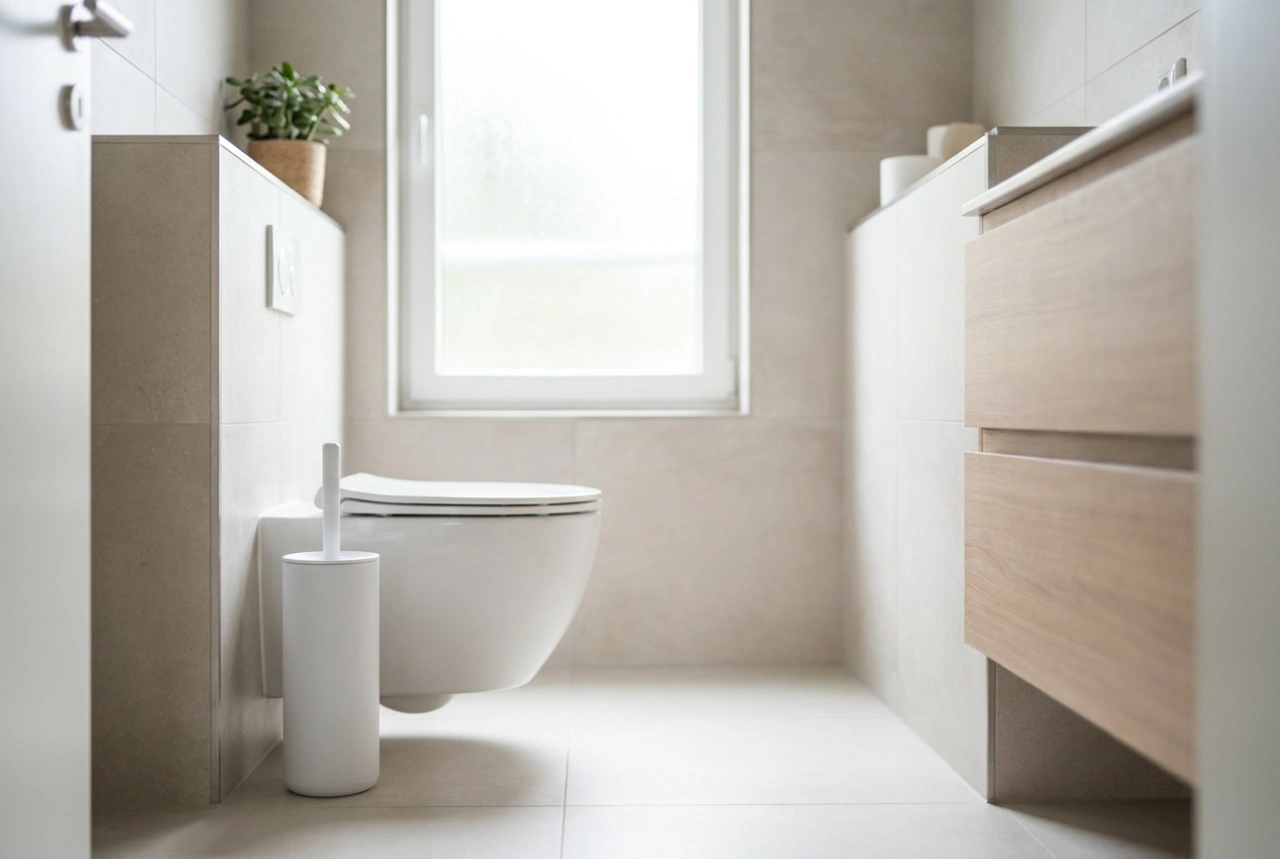
Achieving the maximum functional lifespan from a gel stamp requires precise application, rooted in understanding the water flow within your specific toilet model. Standard gravity-flush toilets distribute water differently compared to pressure-assisted or modern rimless models, and this dictates where the stamp should be positioned.
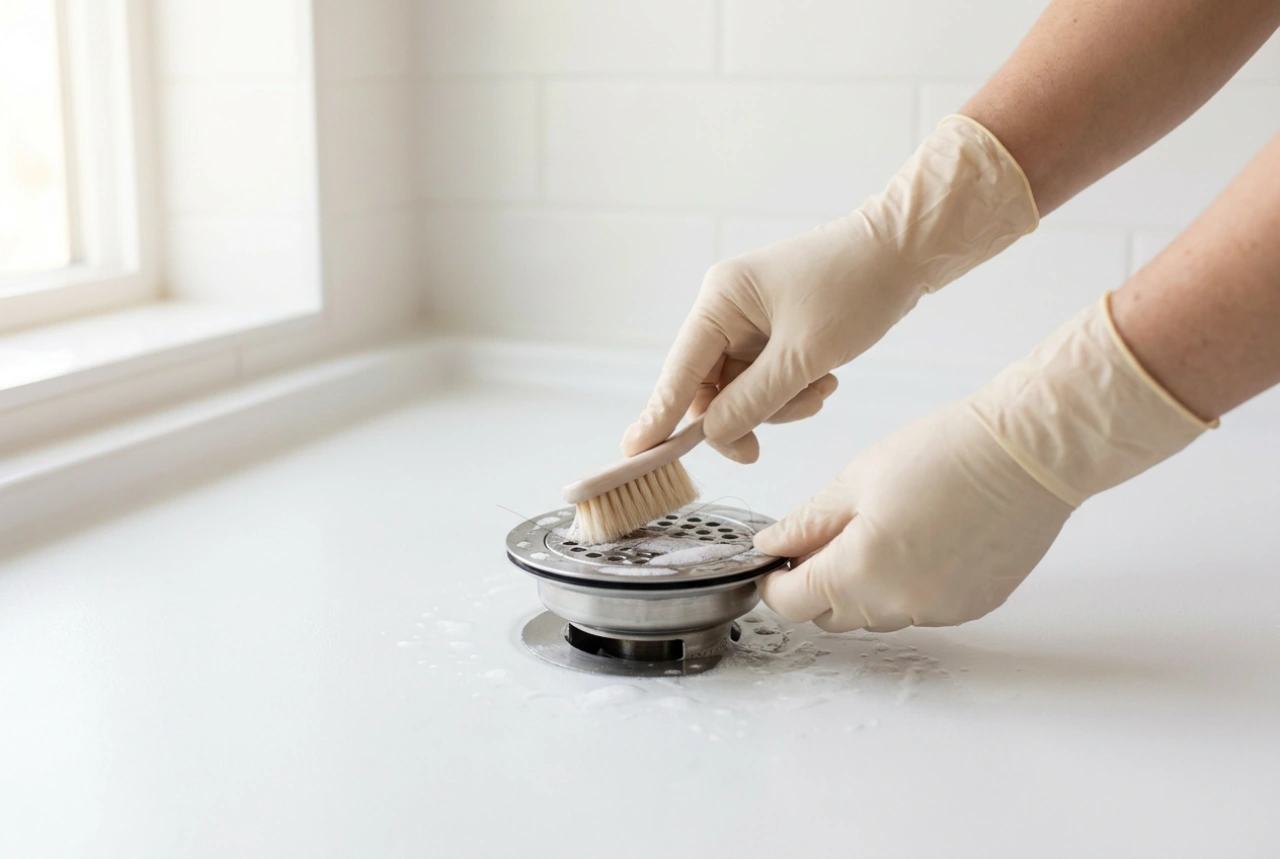
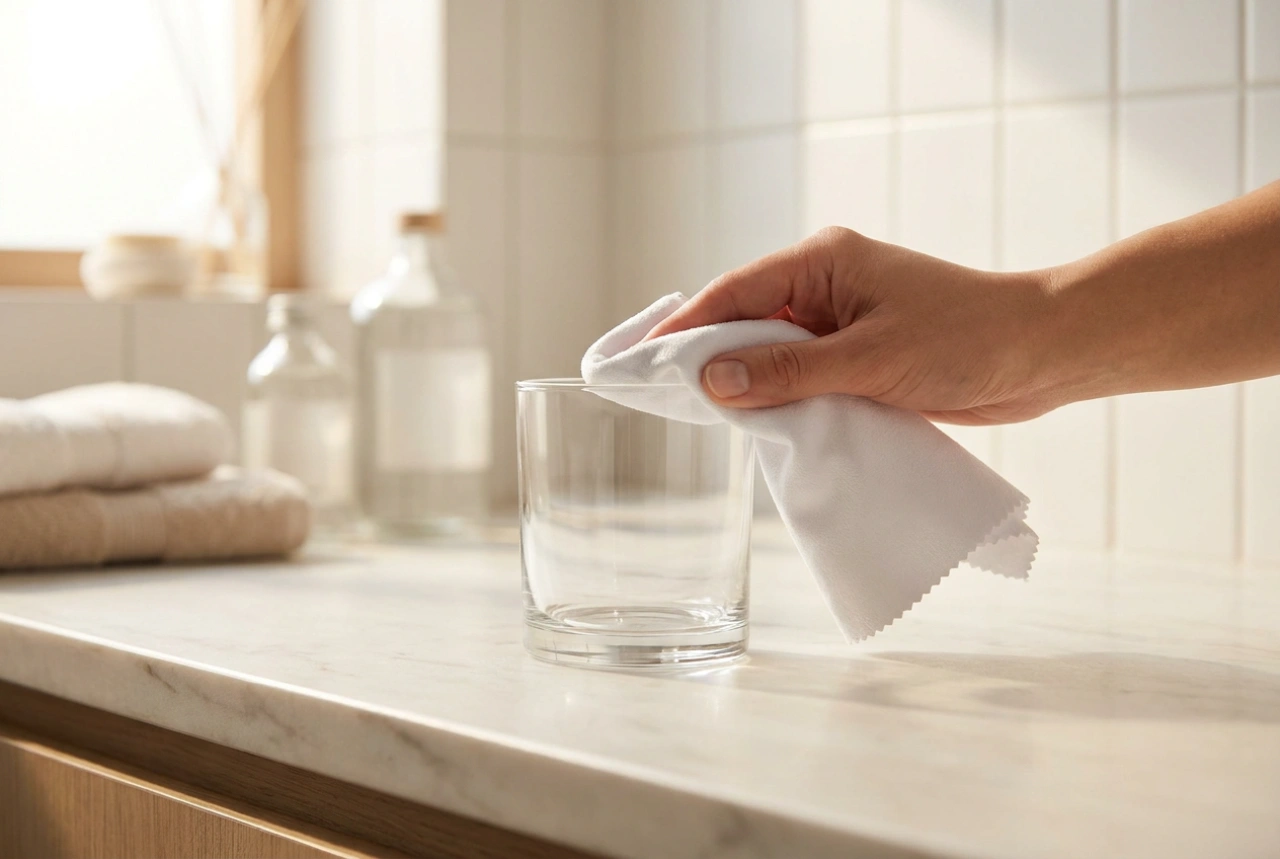
- Surface Preparation: Always begin with a thoroughly descaled, clean, and dry bowl. Use an acidic cleaner to remove any invisible mineral films, then wipe the target area dry with a microfibre cloth to ensure maximum direct contact between the gel polymers and the ceramic glaze.
- Flow Rate Calibration: Identify the path of the flush water. Avoid placing the stamp directly under the primary, high-velocity water jet, as the extreme kinetic energy will erode the gel dome within days. Instead, position the stamp slightly to the side of the main stream, where it receives a steady but gentle wash of water.
- Application Angle: Hold the applicator tube completely perpendicular to the ceramic wall. Press firmly until the applicator clicks or releases the correct volume of gel, then pull the tube straight back without twisting. This ensures a uniform, aerodynamic dome shape that resists uneven erosion.
Indicators for Replacement and Lifespan Factors
A single toilet gel stamp typically lasts between one to two weeks, but its precise lifespan is highly dependent on household dynamics. Every flush causes incremental dissolution. In high-traffic households, the constant exposure to moving water accelerates the erosion of the polymer matrix, requiring more frequent replacement.
You can identify the exact time to apply a new stamp by observing the physical state of the gel. As the active ingredients dissolve, the dome will gradually shrink, flattening against the ceramic. When the stamp is reduced to a thin, semi-transparent film, it loses its structured shape and can no longer regulate the release of surfactants effectively. At this point, you will notice a lack of foaming during flushes and a decline in fragrance emission.
To replace the stamp, simply use a stiff-bristled toilet brush to scrub the remaining thin film during your regular cleaning routine. The shear force of the brush combined with water will easily break the remaining polymer bonds, leaving a clean, residue-free surface ready for the next application.