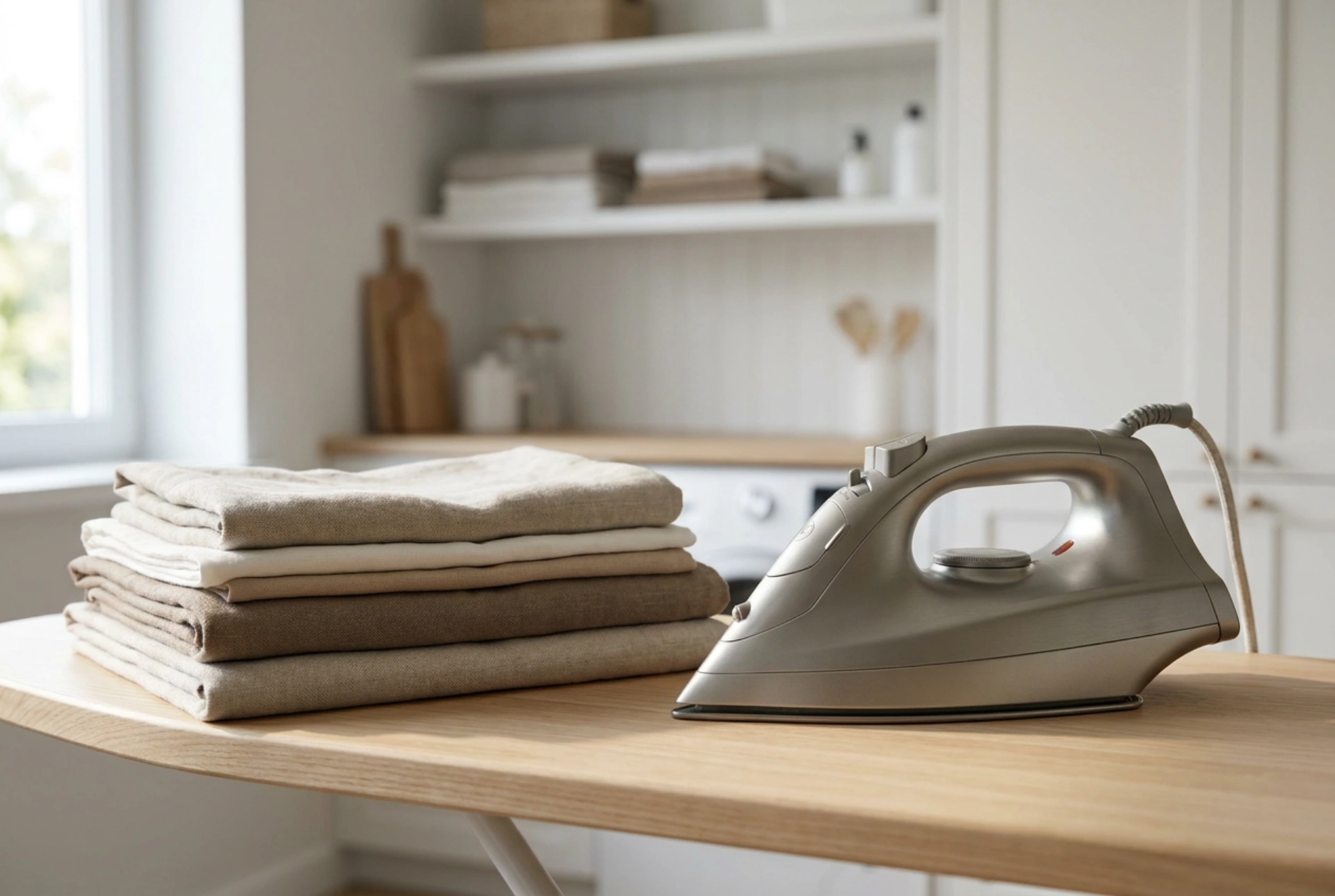


Ironing garments with a modern temperature-free iron requires a solid understanding of how heat, moisture, and pressure interact with various textile fibres. Instead of manually adjusting heat settings, these appliances rely on a single, scientifically calibrated soleplate temperature combined with high-pressure steam to safely smooth out creases in everything from silk to heavy linen.
The Physics of Temperature-Free Ironing
Traditional irons require manual temperature adjustments because dry heat can easily melt synthetic polymer fibres like polyester or nylon if set too high, or fail to relax tough plant-based fibres like cotton and linen if set too low. Temperature-free irons solve this dilemma by keeping the soleplate at a constant, lower temperature—typically around 130°C to 140°C. This specific temperature is safely below the melting point of sensitive synthetic fibres, preventing thermal damage.
To tackle stubborn wrinkles on sturdier fabrics without increasing the temperature of the metal plate, the appliance utilises high-pressure steam. Water vapour acts as a powerful plasticiser. When steam penetrates the fabric, it temporarily breaks the weak hydrogen bonds holding the polymer chains in the fibres together. The weight of the soleplate then realigns these chains into a flat, smooth structure, and as the moisture evaporates, the hydrogen bonds reform in the new, wrinkle-free position.
The Strategy of Order and Preparation
Even though a constant-temperature iron eliminates the risk of burning, organising your ironing workflow based on fabric structure still yields the best results. Proper preparation ensures that moisture is distributed optimally throughout the fibres.
- Start with synthetics and silks: These delicate fabrics require minimal steam. Ironing them first allows you to use the clean, dry soleplate with light pressure.
- Group woollens in the middle: Wool requires moderate steam to lift the fibres without flattening the natural texture of the yarn.
- Finish with cotton and linen: Save these heavy-duty materials for last, as they require maximum steam volume and slow, steady pressure to smooth out deep creases.
Techniques for Synthetics and Delicates
When dealing with polyamide, polyester, or silk, the primary concern is preventing static and fabric shine (scorching of the surface fibres). Even with a safe soleplate temperature, physical friction can compress fibres and create an undesirable reflective sheen.
To prevent this, always iron delicate items inside out. For highly sensitive fabrics like silk or acetate, place an untreated cotton pressing cloth between the soleplate and the garment. Use smooth, continuous gliding motions rather than stopping the iron in one spot. Avoid using the steam boost feature on thin synthetics, as excess moisture can cause water spotting or distort the delicate weave.
Conquering Heavy Cotton and Linen
Plant-based fibres like cotton and linen have highly crystalline structures that are naturally resistant to reshaping. Because a temperature-free iron does not reach the scorching dry temperatures of a traditional iron's linen setting, you must compensate with moisture management.
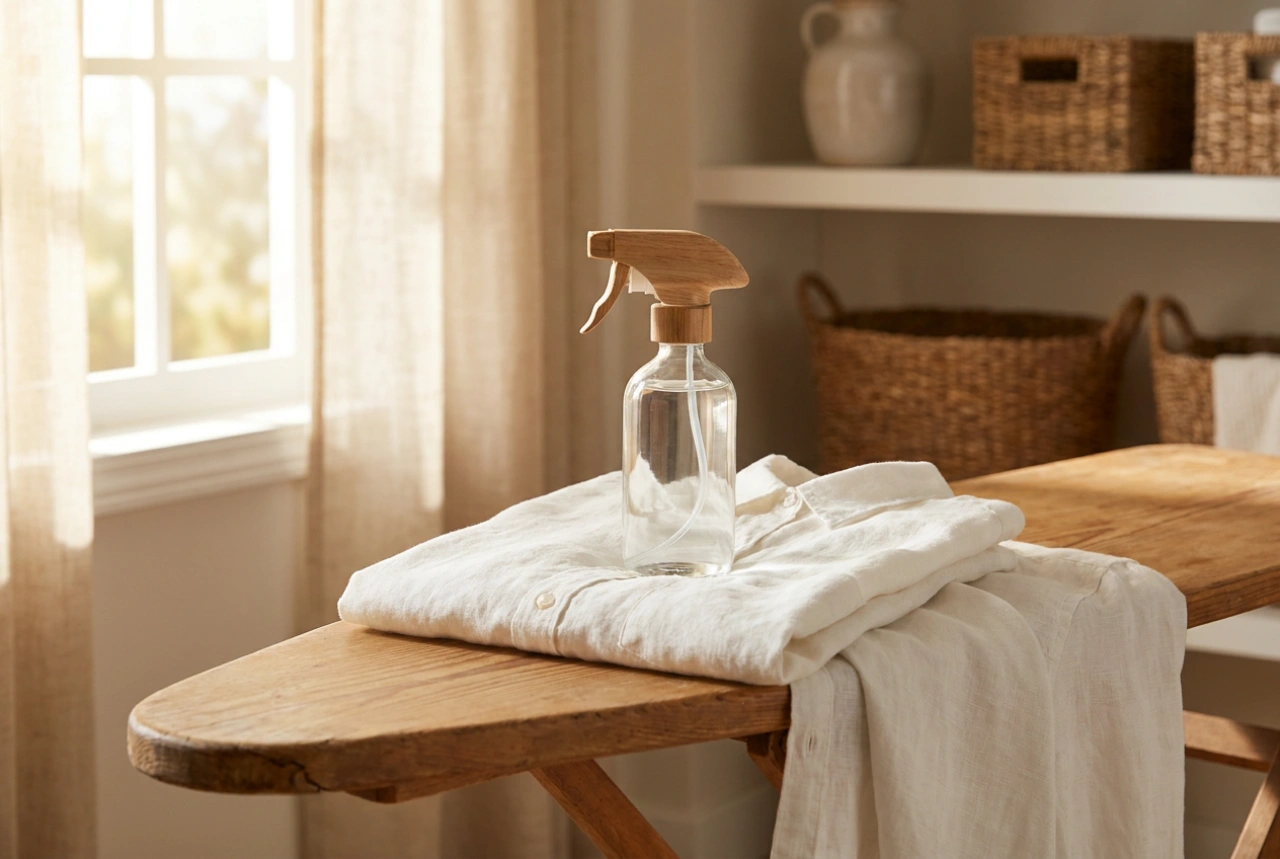
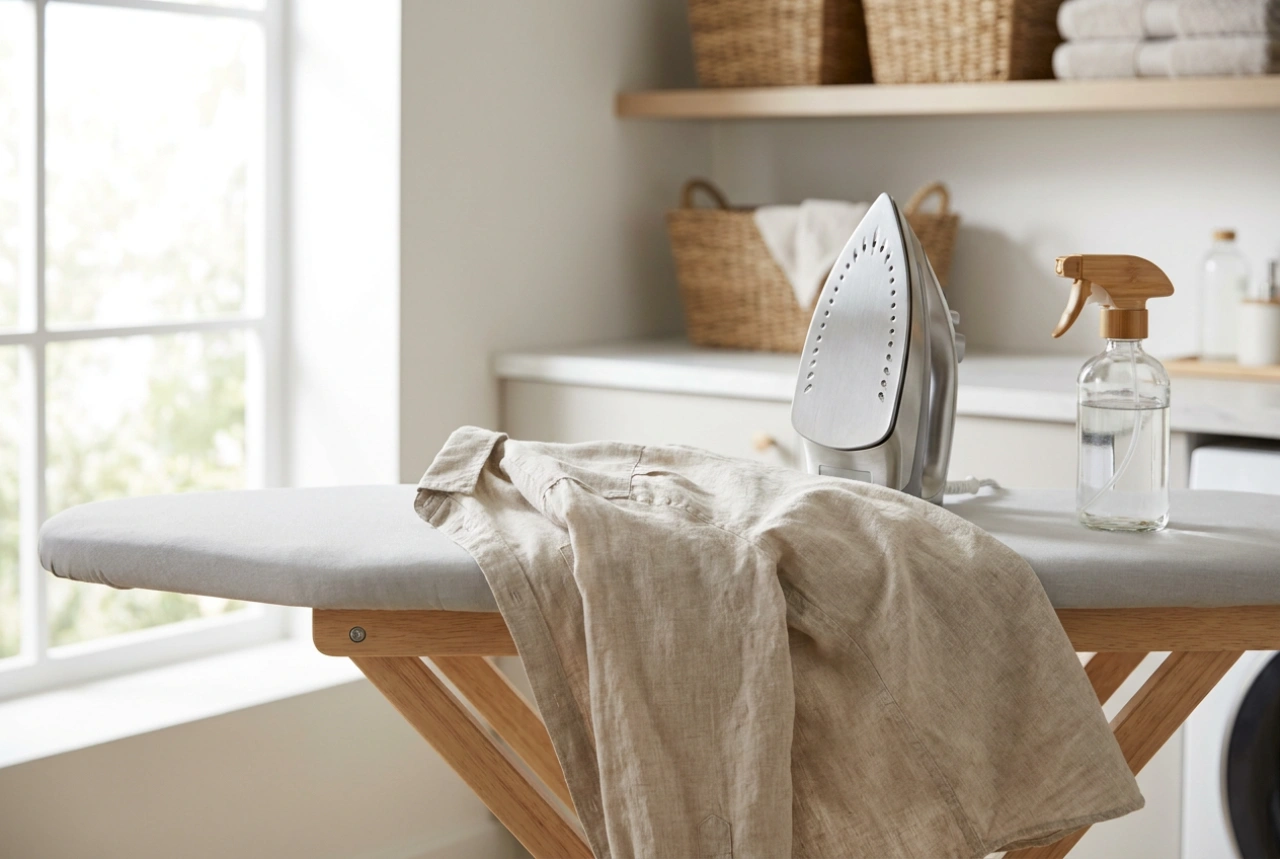
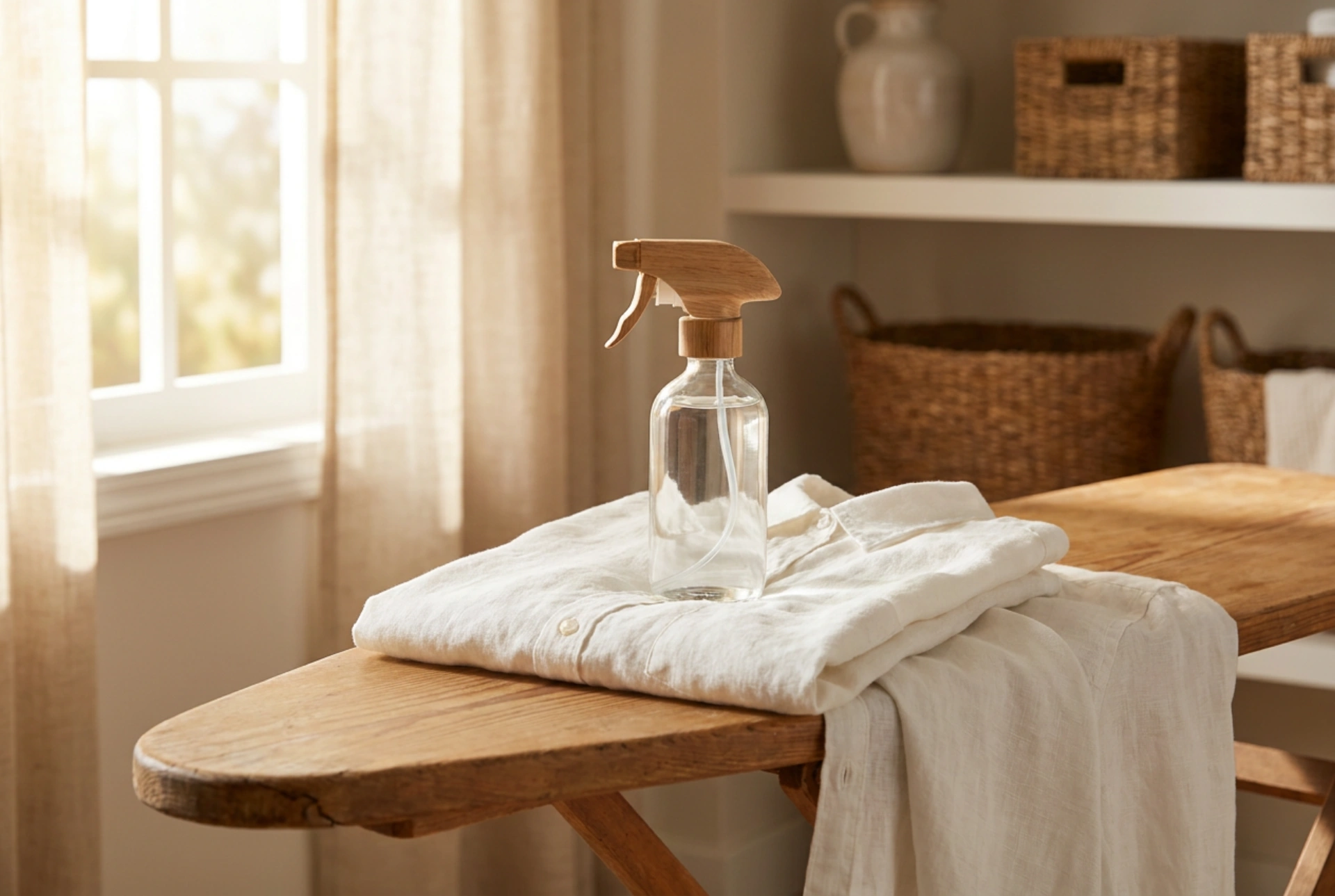
For these demanding fabrics, engage the continuous steam function. The hot steam raises the temperature of the fabric fibres instantly to the boiling point of water, making them pliable. Apply slow, deliberate downward pressure, allowing the weight of the iron to do the work. If a crease is particularly stubborn, lightly spray the fabric with distilled water prior to ironing; this extra moisture, when hit by the warm soleplate, creates localized steam that penetrates deep into the weave.
Steam Management and Maintenance
Because steam is the primary vehicle for heat transfer in temperature-free irons, maintaining the steam chambers is crucial. Mineral deposits from hard water can clog the steam vents, reducing pressure and lowering the efficiency of the iron. Always use a mixture of tap water and distilled water as recommended by general chemistry principles, and perform regular flushing cycles to prevent limescale buildup.