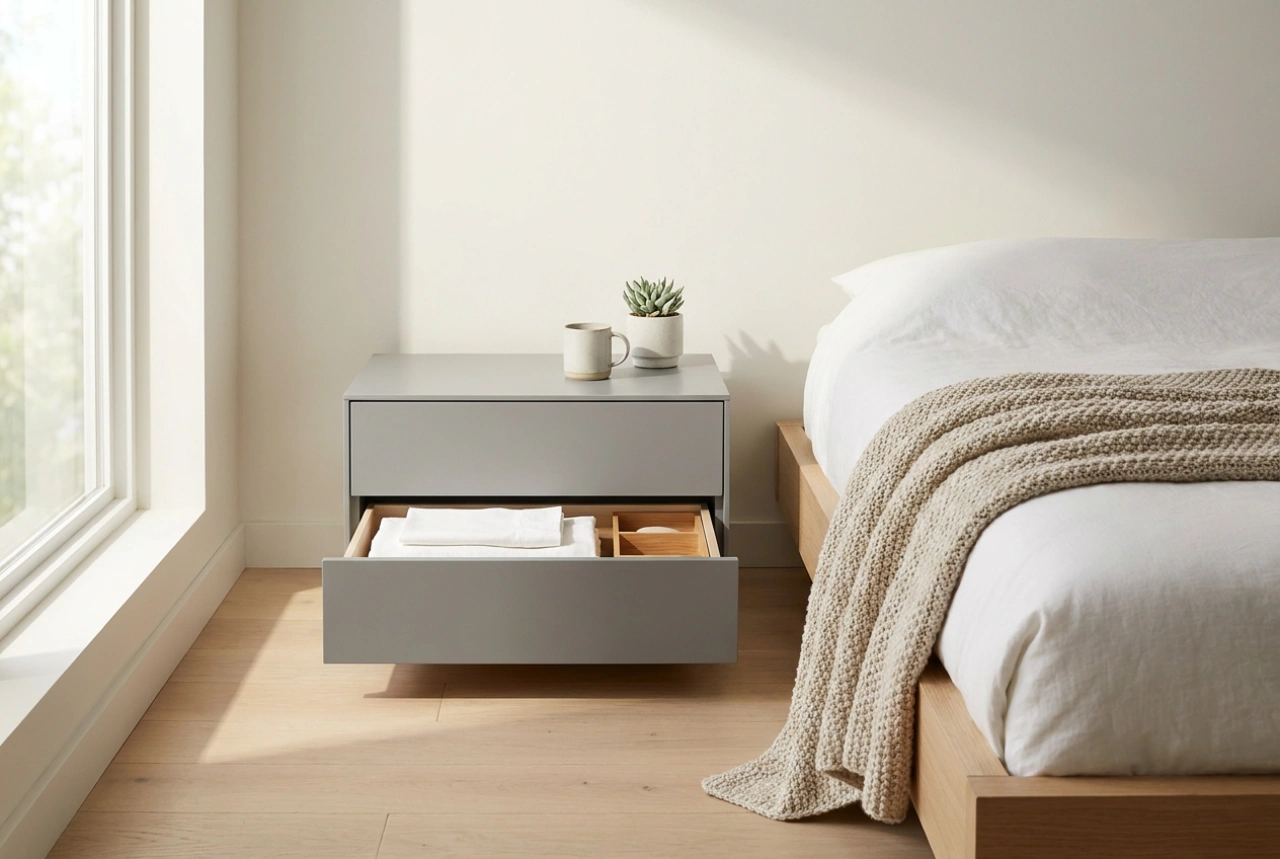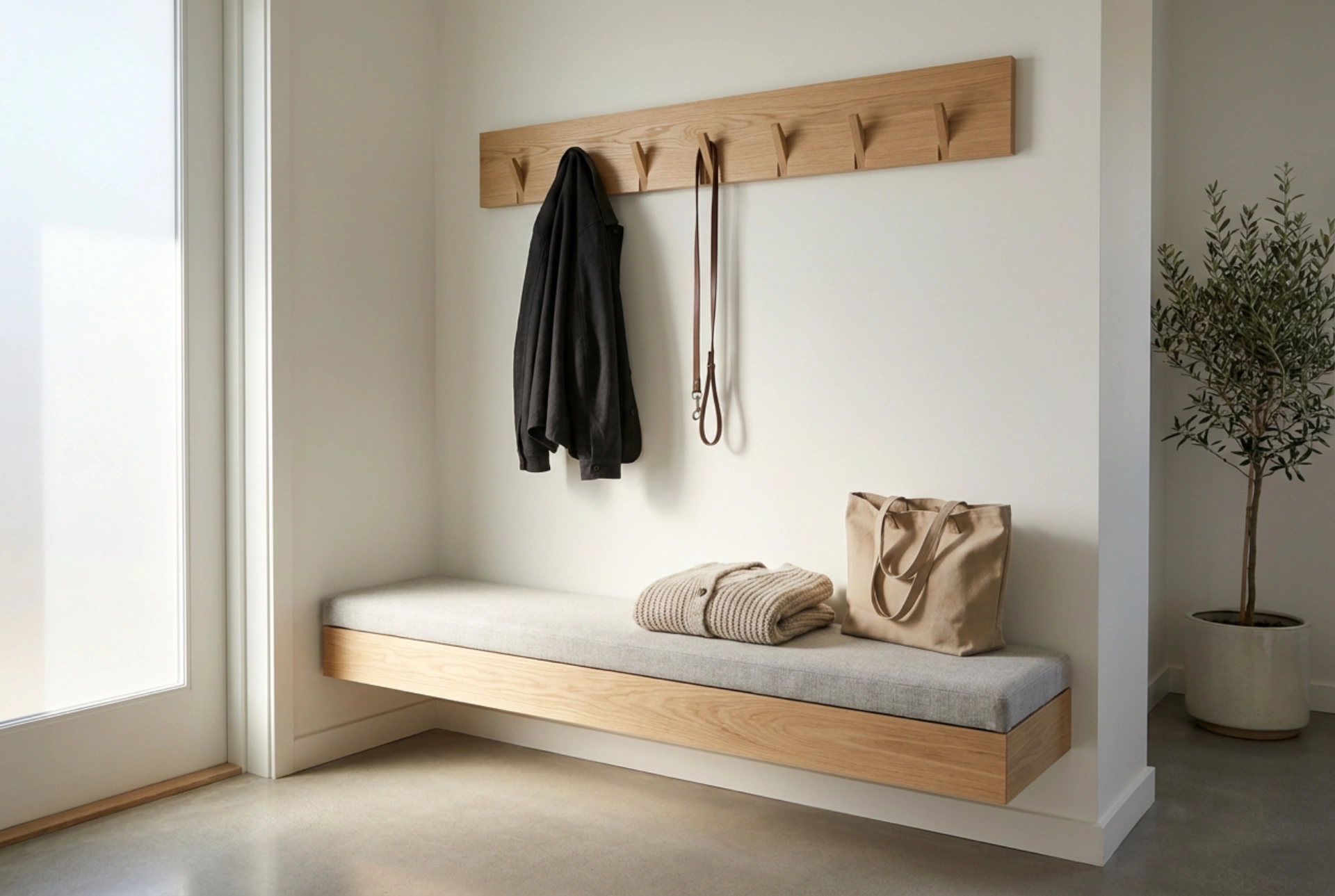


An entryway coat rack with an integrated bench is more than just a decorative piece; it is a highly functional staging zone that regulates the microclimate of your daily wear. By understanding how gravity, airflow, and material transitions affect fabrics, you can transform this furniture piece into a professional system for clothing preservation and daily routine management.
The Physics of Airflow and Moisture Control
When you return home, your clothes carry microscopic moisture from both ambient humidity and natural perspiration. Placing these garments immediately into a closed wardrobe traps this moisture, creating an ideal environment for bacterial growth and fiber degradation. An open coat rack with a seat acts as a transitional de-humidification station. Suspended garments benefit from unrestricted convection currents, allowing dry indoor air to circulate through the weave. This process neutralises odours and restores the structural integrity of natural fibers like wool and cotton, which contract when dry.
The integrated bench provides an essential secondary level for items that should not be hung immediately. Knitted sweaters, for example, suffer from gravitational stretch if placed on narrow hooks while damp. Laying them flat on the upholstered or wooden seat allows the fibers to relax and dry without losing their shape, preserving the original knit tension.
Implementing the Staging Zone Method
Most households suffer from a single spot where semi-clean clothes accumulate in a chaotic pile. An entryway bench and rack combo solves this by establishing a structured staging zone. To utilise this effectively, apply a strict three-tier classification system based on frequency of use and fabric vulnerability.
- The Upper Tier (Hooks): Reserved for structural outerwear such as heavy coats, trench coats, and jackets. Use wide, contoured hangers suspended from the hooks rather than hanging garments directly by their collar loops, which distorts the neckline.
- The Middle Tier (The Bench): Designated for daily transit items like canvas bags, folded scarfs, or activewear that requires immediate access. The flat surface prevents these items from cluttering floor pathways.
- The Lower Tier (Under-Bench Space): Utilised exclusively for footwear. By storing shoes directly beneath the seating area, you isolate outdoor dirt while allowing the heat rising from the floor to dry damp soles.
Material Science: Friction and Fabric Protection
The materials of your rack and bench directly influence fabric wear. Low-quality metal hooks often have sharp edges or small surface areas that concentrate pressure on a single point of the garment. This concentration causes localized stretching, fabric thinning, and permanent indentations. Opt for wide wooden pegs or rounded ceramic hangers. Wood, with its natural grain, offers a balanced coefficient of friction; it holds garments securely without snagging delicate silk or synthetic linings.
The bench surface also plays a critical role. If upholstered, choose tightly woven synthetic blends or treated canvas. These fabrics resist moisture transfer from damp outer coats and prevent lint accumulation. For solid wood benches, a smooth polyurethane or wax finish ensures that rough grain does not snag fine wool threads or pull delicate knits when items are slid across the surface.
Biomechanical Efficiency and Entryway Flow
Organising your entryway around a seated coat rack optimizes your daily physical transitions. The act of removing shoes and heavy outerwear involves complex shifts in balance. A stable seat offers a secure base, reducing physical strain on the lower back and knees. This ergonomic support encourages a deliberate, orderly transition rather than a rushed entry where clothes are dropped carelessly.
Establish a strict physical sequence: sit down to remove footwear, slide the shoes into the ventilated under-bench compartment, stand to remove your coat, and suspend it using a wide-shoulder hanger. This systematic routine prevents the accumulation of clutter and ensures that damp garments are immediately placed in the optimal position for air drying, maintaining a clean, functional home environment.