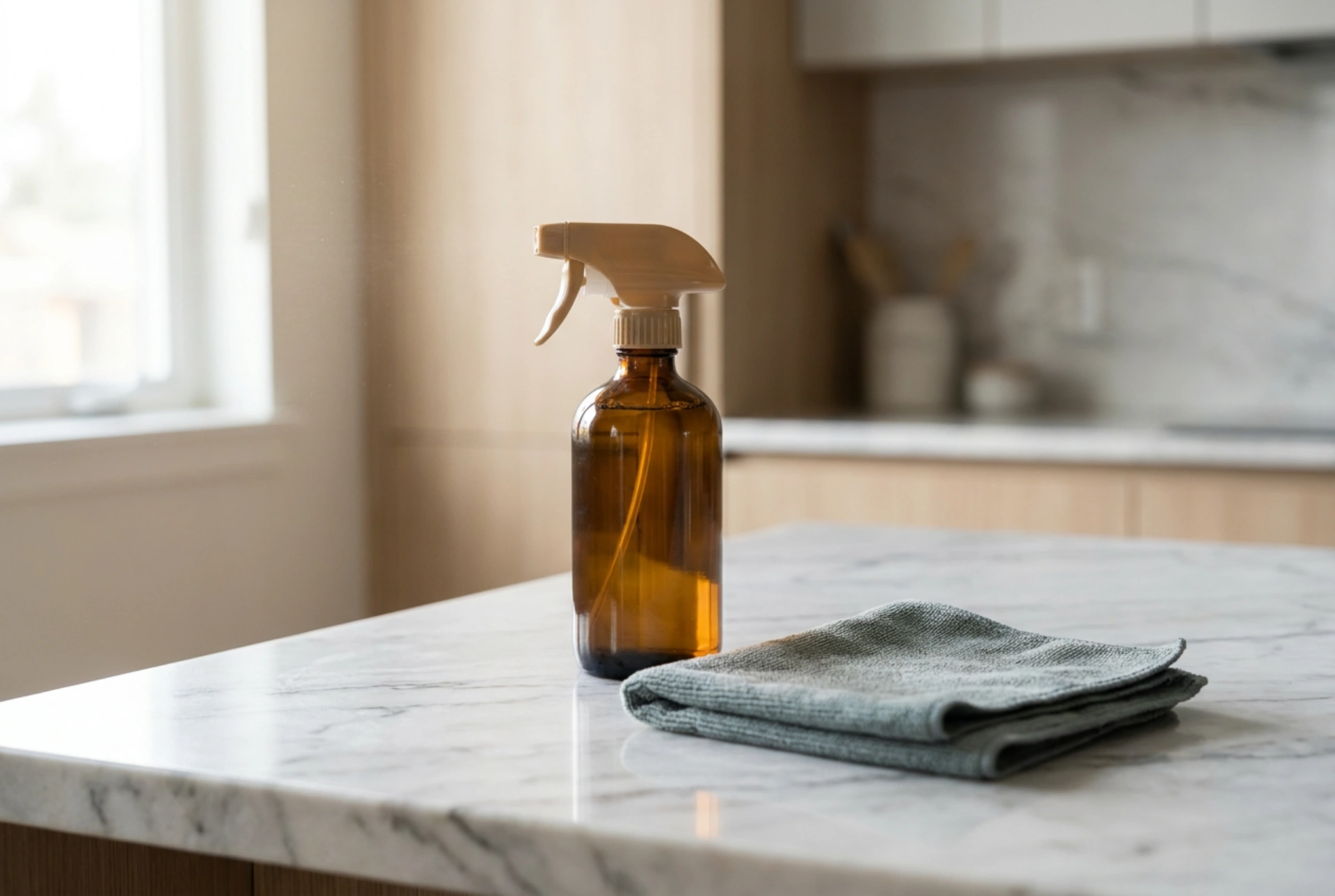


Applying a surface disinfectant is the final, critical step in achieving a hygienically clean home, but its success relies on scientific precision rather than quick wiping. Understanding the chemical requirements of disinfectants ensures that you actually eliminate pathogens instead of merely spreading them across your countertops.
The Essential Distinction: Cleaning vs. Disinfecting
To disinfect effectively, you must first clean. Cleaning is the physical removal of dirt, grease, and organic matter from surfaces, typically using water and surfactants. Surfactants lower the surface tension of water, allowing it to bind to oils and lift away debris. This step is vital because organic load—such as grease, food residue, or dust—acts as a physical shield for microorganisms.
If you apply a disinfectant directly to a dirty surface, the active chemical agents will react with and be neutralised by the organic soil before they can reach the underlying pathogens. Furthermore, some disinfectants can coagulate proteins in organic matter, creating a protective barrier that seals bacteria inside. Always wash the surface with a neutral detergent, rinse with clean water, and dry it before beginning the disinfection process.
Understanding Contact Time: The Science of Pathogen Elimination
The most common error in home disinfection is spraying a chemical and immediately wiping it dry. For any biocide to work, it must remain in contact with the pathogen for a specific duration, known as the "dwell time" or "contact time". During this period, the chemical active ingredients systematically destroy the structural integrity of the micro-organisms.
- Alcohol-based disinfectants (60–80% ethanol or isopropanol): These work by denaturing proteins and dissolving lipid membranes. They require a contact time of at least 30 seconds to 1 minute. However, because alcohol evaporates rapidly, you must apply enough liquid to keep the surface visibly wet for the entire duration.
- Hydrogen peroxide: A powerful oxidiser that produces hydroxyl free radicals, which attack membrane lipids and DNA. It typically requires 1 to 5 minutes of wet contact.
- Quaternary ammonium compounds (quats): These agents disrupt cell membranes, leading to leakage of intracellular contents. They are highly effective but often require a longer contact time of up to 10 minutes to eliminate more resistant pathogens.
Always consult the product label to identify the precise contact time required for the specific pathogens you aim to target.
Application Techniques and Material Safety
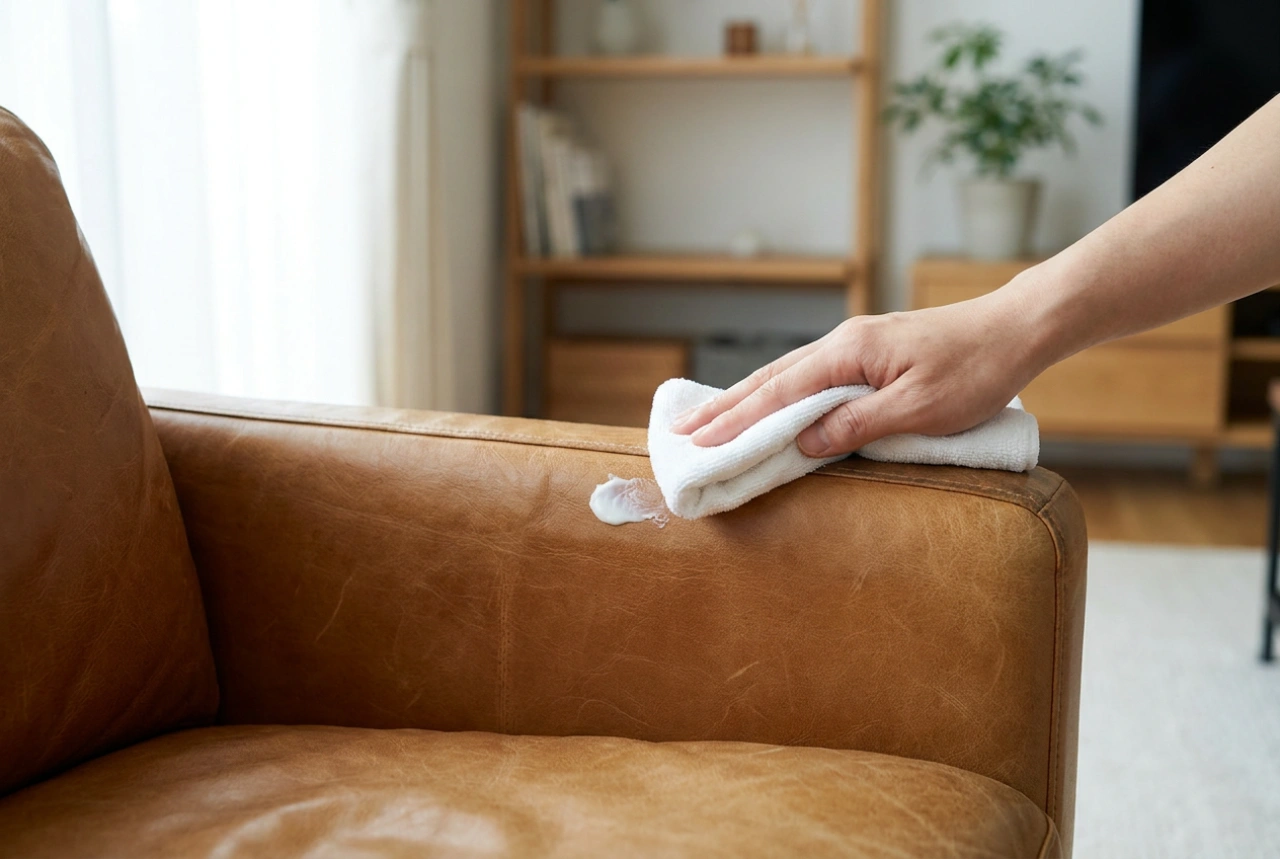
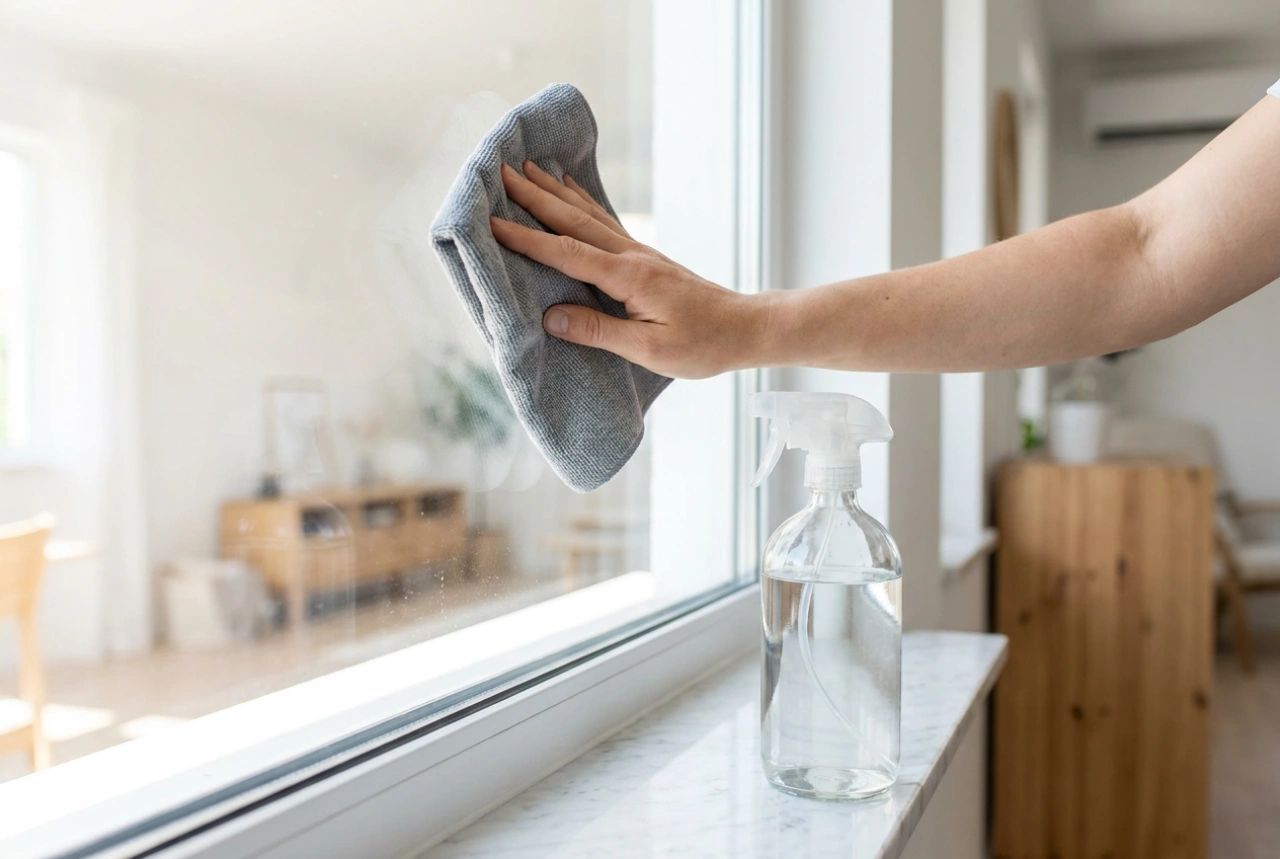
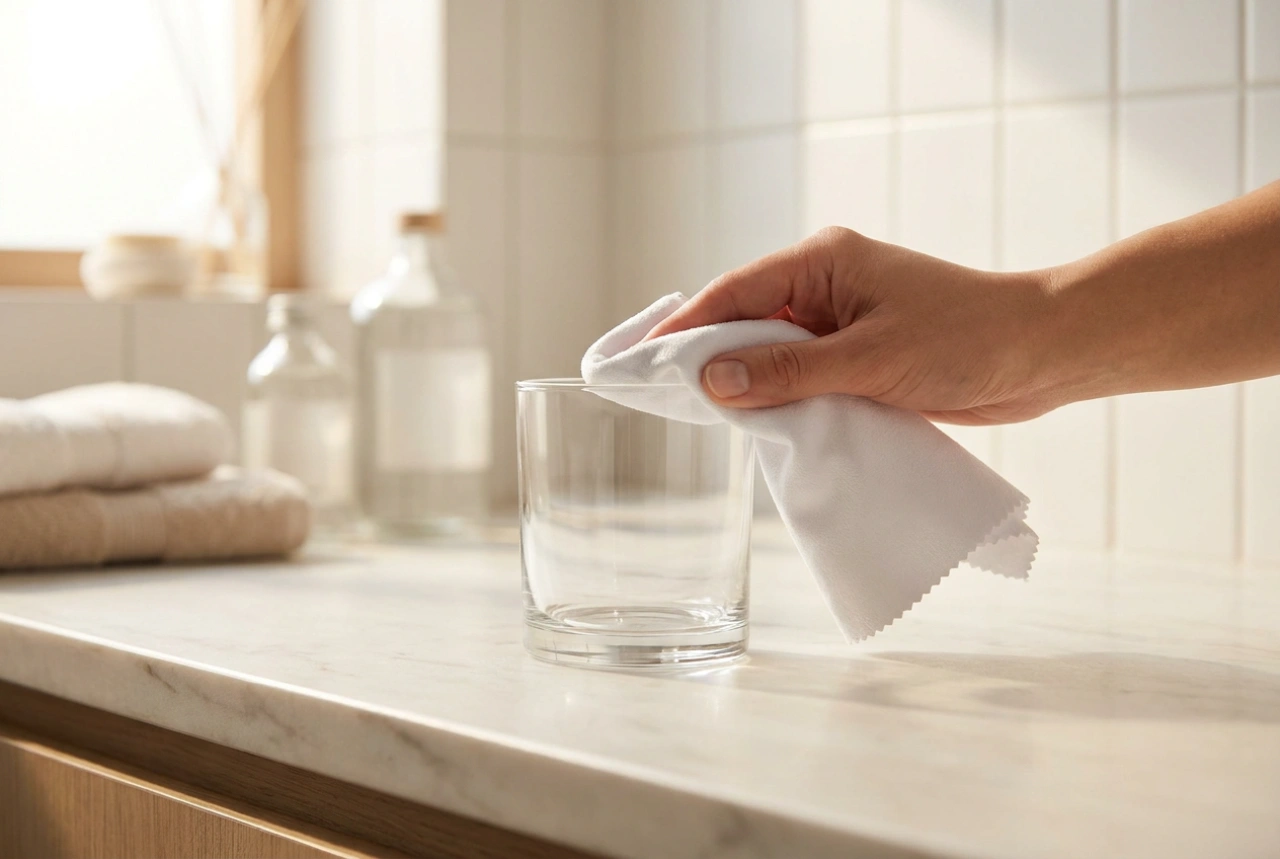
How you apply the disinfectant is just as important as the chemical composition of the product. Direct spraying can aerosolise chemical particles, leading to inhalation risks, and often results in uneven distribution with dry spots where pathogens survive. Instead, apply the disinfectant onto a clean, lint-free microfiber cloth until it is damp, then wipe the surface using overlapping S-shaped patterns to ensure complete, continuous coverage.
You must also match the disinfectant to the chemical tolerance of the surface material:
- Natural Stone (Marble, Granite): These materials are highly sensitive to acids and harsh solvents. Acidic disinfectants (such as those containing citric acid or vinegar) will etch the calcium carbonate in marble, leaving permanent dull spots. Use pH-neutral disinfectants specifically formulated for stone.
- Plastics and Acrylics: High concentrations of alcohol can cause environmental stress cracking or clouding on sensitive plastics. For these surfaces, quaternary ammonium compounds or diluted hydrogen peroxide are generally safer choices.
- Sealed Wood: Alcohol can dissolve varnishes and polyurethane sealants, stripping away protective coatings and exposing the wood to moisture damage.
The Post-Disinfection Protocol
Once the contact time has elapsed, the active chemical process is complete, but safety steps remain. For surfaces that come into direct contact with food, such as kitchen countertops or cutting boards, you must rinse the surface with clean, potable water after the dwell time has passed. This prevents the transfer of chemical residues to your food.
Finally, ensure the space is well-ventilated during and after the process. Open windows or run exhaust fans to disperse volatile organic compounds (VOCs) that evaporate as the surface dries, maintaining both surface hygiene and indoor air quality.