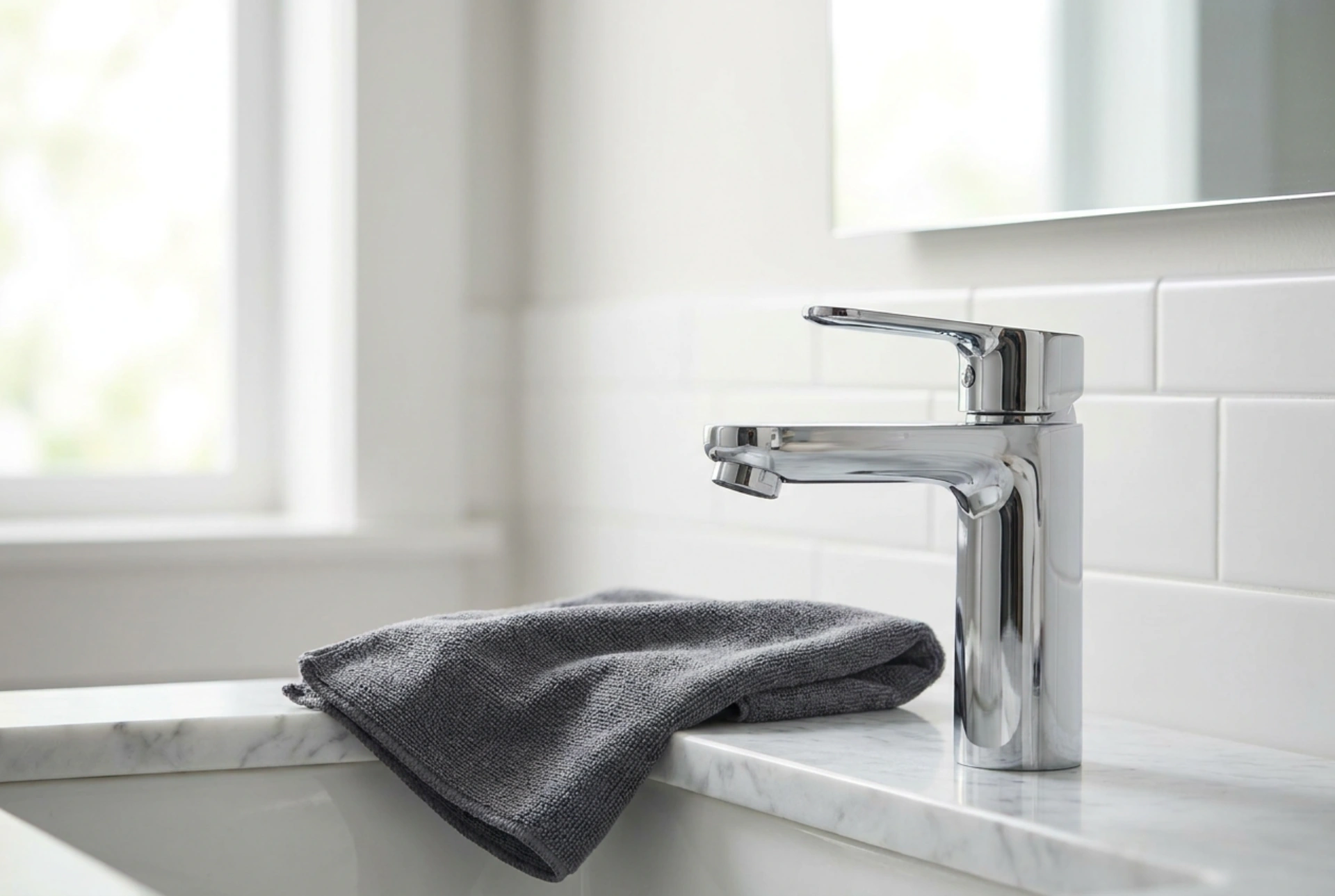


Restoring the brilliant, mirror-like finish of chrome fixtures requires understanding the chemical bond of mineral deposits and the vulnerability of thin electroplated metallic layers to physical abrasion.
The Science Behind Chrome Dullness: Limescale and Soap Scum
Chrome plating is a micro-thin layer of chromium electroplated onto a base metal like brass, copper, or engineered plastic. While chromium is exceptionally hard and corrosion-resistant, its high surface energy makes it highly susceptible to the adhesion of water droplets. As tap water evaporates, it leaves behind dissolved minerals—primarily calcium carbonate and magnesium carbonate—commonly known as limescale. Soap scum, a compound formed when the calcium ions in hard water react with the fatty acids in soap, further binds to these deposits, creating a dull, cloudy film.
To break this bond without damaging the underlying metal, you must deploy chemical dissolution rather than mechanical force. Abrasive scrubbers, steel wool, or harsh scrubbing powders will create micro-scratches on the chrome surface. These tiny scratches scatter light, permanently destroying the mirror finish and creating microscopic crevices where rust and grime can take hold.
The Chemical Solution: Safe Acidic Dissolution
The most effective and safest way to dissolve alkaline calcium carbonate is with a mild, food-grade acid. Citric acid and diluted acetic acid (white vinegar) are ideal for this task. When an acid reacts with calcium carbonate, a chemical reaction occurs, converting the insoluble solid into soluble calcium salts and carbon dioxide gas. This process weakens the bond holding the scale to the chrome, allowing it to be wiped away effortlessly.
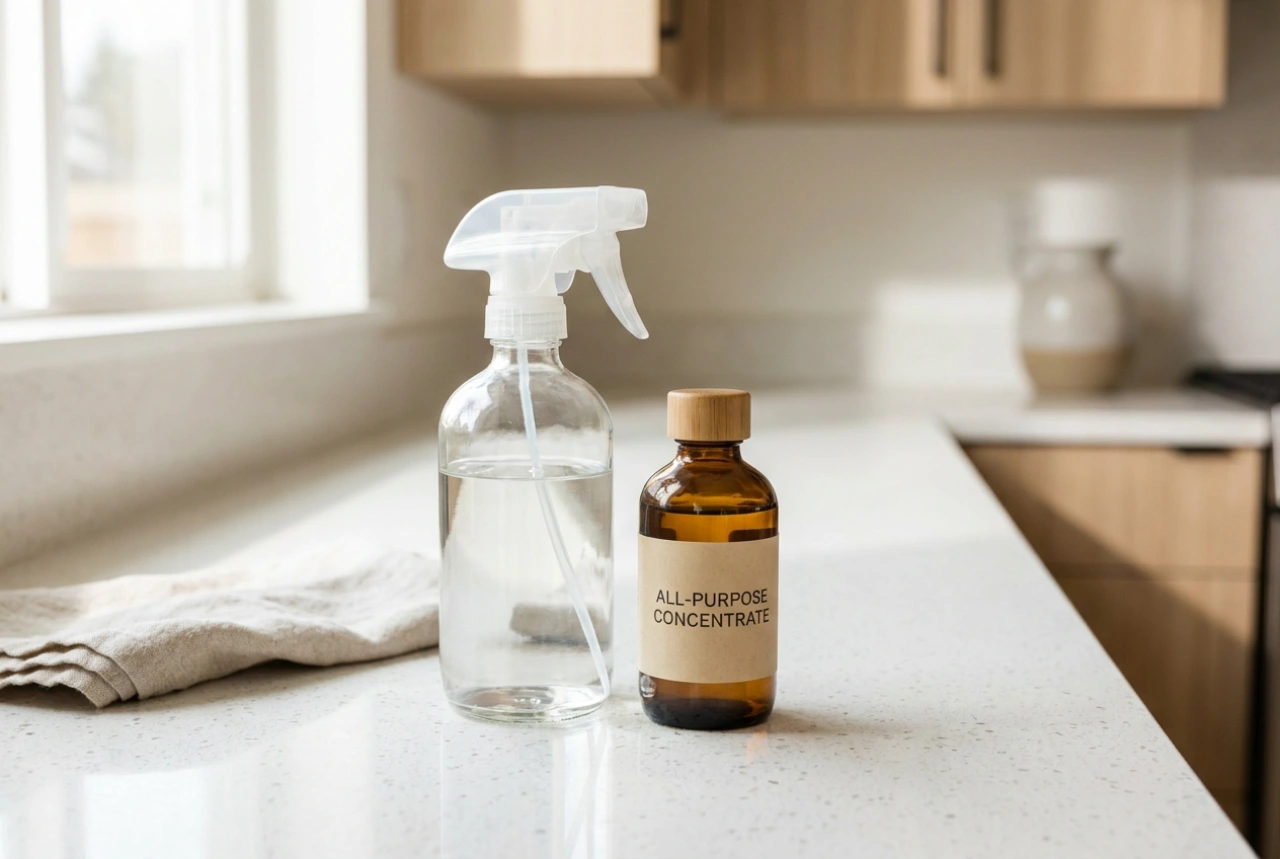
- Citric Acid Solution: Dissolve 2 tablespoons of citric acid powder in 500 ml of warm water. Citric acid is highly effective and completely odourless, making it an excellent alternative to vinegar.
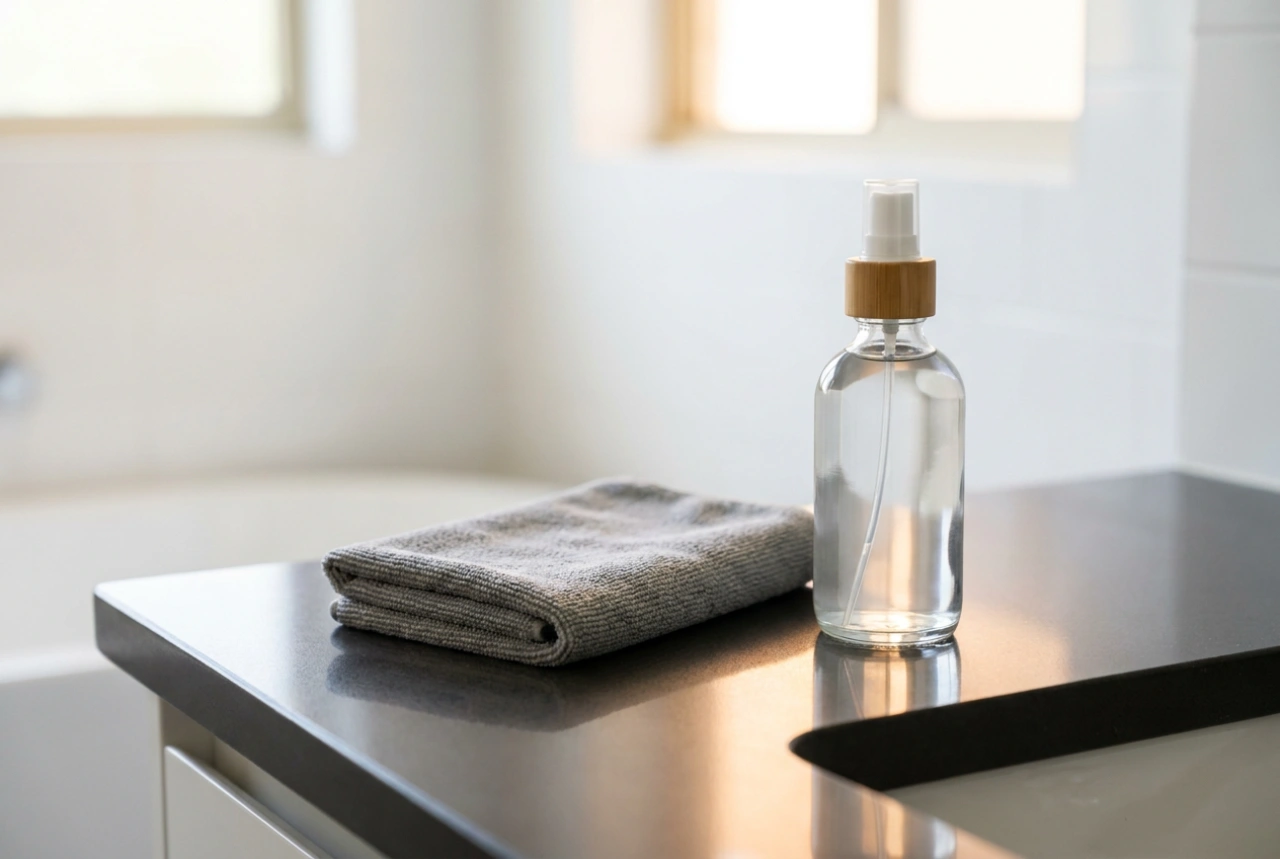
- Acetic Acid Solution: Mix equal parts of distilled white vinegar and water. Distilled water is preferred because it contains no minerals that could contribute to new spotting.
Crucially, these mild acids should not be left on the metal indefinitely. While chromium resists mild acids, prolonged exposure, especially in hot environments, can slowly degrade the protective oxide layer of the chrome, leading to tarnishing.
The Mechanical Protocol: Friction and Buffing
Once the chemical reaction has softened the mineral deposits, the physical removal technique determines whether you achieve a streak-free shine. The tool of choice is a high-density, split-fiber microfiber cloth. Microfiber is manufactured with polyester and polyamide fibers that are split to create microscopic hooks. These hooks lift and trap oils, moisture, and loosened mineral particles rather than merely pushing them across the surface.
Follow this exact sequence to clean and polish:
First, apply your mild acid solution to the cloth, not directly to the fixture, to prevent the liquid from pooling in joints or crevices where it could cause long-term corrosion. Gently drape the damp cloth over areas with heavy buildup, allowing the acid to work for three to five minutes.
Second, wipe the surface using gentle, linear strokes. Avoid circular motions, which can trap loose grit and create circular swirl marks that are highly visible under direct light.
Third, rinse the fixture thoroughly with clean, cold water. This step is vital to neutralise and wash away any residual acid and dissolved minerals that would otherwise dry back onto the surface, leaving white streaks.
Fourth, dry the chrome immediately. Use a fresh, dry microfiber cloth to buff the surface. This final buffing step removes any remaining water molecules before they can evaporate and leave new deposits. The friction of the dry microfiber also aligns the microscopic surface particles, maximising light reflection and achieving that desired streak-free shine.
Long-Term Preservation: Creating a Hydrophobic Barrier
To reduce the frequency of cleaning, you can modify the surface energy of the chrome to make it hydrophobic (water-repelling). When water cannot cling to the metal, it slides off, preventing the formation of water spots. Applying a thin layer of carnauba wax or a light application of cosmetic-grade mineral oil creates a microscopic barrier. Simply rub a tiny drop onto the clean, dry chrome, then buff vigorously with a clean microfiber cloth until no greasy residue remains. This simple barrier causes water to bead up and roll away, preserving the brilliant shine for weeks.