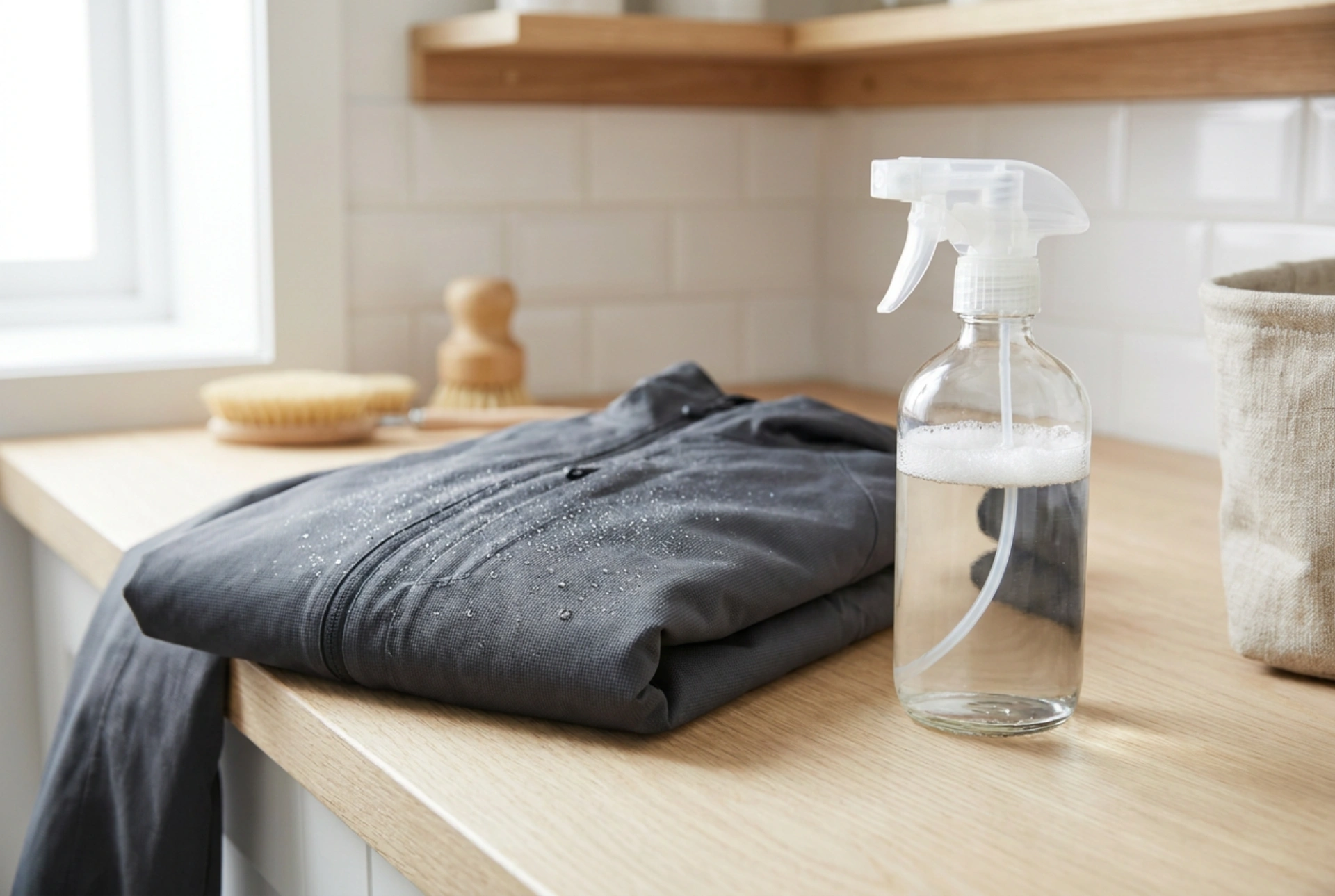


Membrane jackets rely on microscopic pores to let sweat vapor escape while blocking external water droplets; however, using the wrong detergent can permanently clog these pores or strip the fabric's water-repellent coating. To maintain the breathability and weatherproofing of technical outerwear, you must understand the underlying material science and choose a surfactant-free or residue-free liquid cleaner.
The Physics of Membrane Breathability
Technical jackets feature a semi-permeable membrane, typically made from expanded polytetrafluoroethylene (ePTFE) or polyurethane (PU). This membrane contains billions of microscopic pores per square centimeter. Each pore is roughly 20,000 times smaller than a single drop of liquid water, yet about 700 times larger than a water vapor molecule. This size differential allows vaporized sweat to escape from the inside while preventing rain from penetrating from the outside.
On the outer surface of the jacket lies the Durable Water Repellent (DWR) coating. The DWR treatment consists of microscopic polymer chains that stand vertically on the fabric fibers, creating high surface tension. This tension forces water droplets to bead up and roll off rather than soaking into the face fabric. If the outer fabric becomes saturated (a state known as "wetting out"), a barrier of liquid water forms, blocking the microscopic pores and halting the process of vapor transmission, leaving you damp from your own sweat.
Why Standard Detergents Ruin Technical Outerwear
Household detergents are designed to clean everyday cotton and synthetic fibers by leaving behind additives that improve look, smell, and feel. However, these additives are highly destructive to technical membranes. Standard detergents contain:
- Fabric Softeners: These contain cationic surfactants that coat fibers in a thin, lubricating layer of fats or silicones. On a membrane jacket, this layer fills the microscopic pores, completely blocking breathability.
- Optical Brighteners and Fragrances: These compounds do not rinse out easily. They are engineered to cling to fabrics, which alters the surface chemistry of the membrane and reduces its hydrophobicity.
- Hydrophilic Surfactants: Conventional laundry detergents leave a hydrophilic (water-attracting) residue behind. Instead of water beading up, the residue pulls water into the face fabric, causing the jacket to wet out instantly.
The Chemistry of Membrane-Safe Cleaners
To protect the membrane and the DWR layer, you must use a detergent formulated with pure, non-ionic surfactants that leave absolutely zero residue. These cleaners work through mechanical lift rather than chemical binding, allowing them to suspend dirt, body oils, and salts in water so they can be completely rinsed away.
Avoid powder detergents entirely, as undissolved granules can physically lodge inside the membrane pores. A liquid, soap-free formula designed specifically for synthetic technical wear is the only safe option. These liquids are formulated to maintain the neutral charge of the synthetic fibers, ensuring that the water-repellent polymers remain upright and functional.
Step-by-Step Washing and Reactivation Protocol
Maintaining a membrane jacket requires a precise order of operations to ensure all surfactant residues are removed and the DWR coating is thermally reactivated:
1. Preparation: Zip all zippers, close velcro fasteners, and empty pockets. Friction from open zippers can mechanically damage the delicate membrane layer during the spin cycle. Turn the jacket inside out.
2. Machine Preparation: Clean the detergent dispenser drawer of your washing machine. Standard detergent and softener residues left in the tray can wash into your cycle and ruin the membrane. Run a short empty cycle with clean water to flush out the drum if necessary.
3. Washing Parameters: Select a gentle or synthetic cycle at 30°C or 40°C (always check the care label). Use a low spin speed (maximum 800 RPM) to prevent creasing and physical delamination of the membrane from the face fabric. Add the specialist liquid cleaner to the dispenser.
4. The Double Rinse: This is a crucial step. Program an extra rinse cycle to ensure every trace of surfactant is flushed out of the fabric matrix.
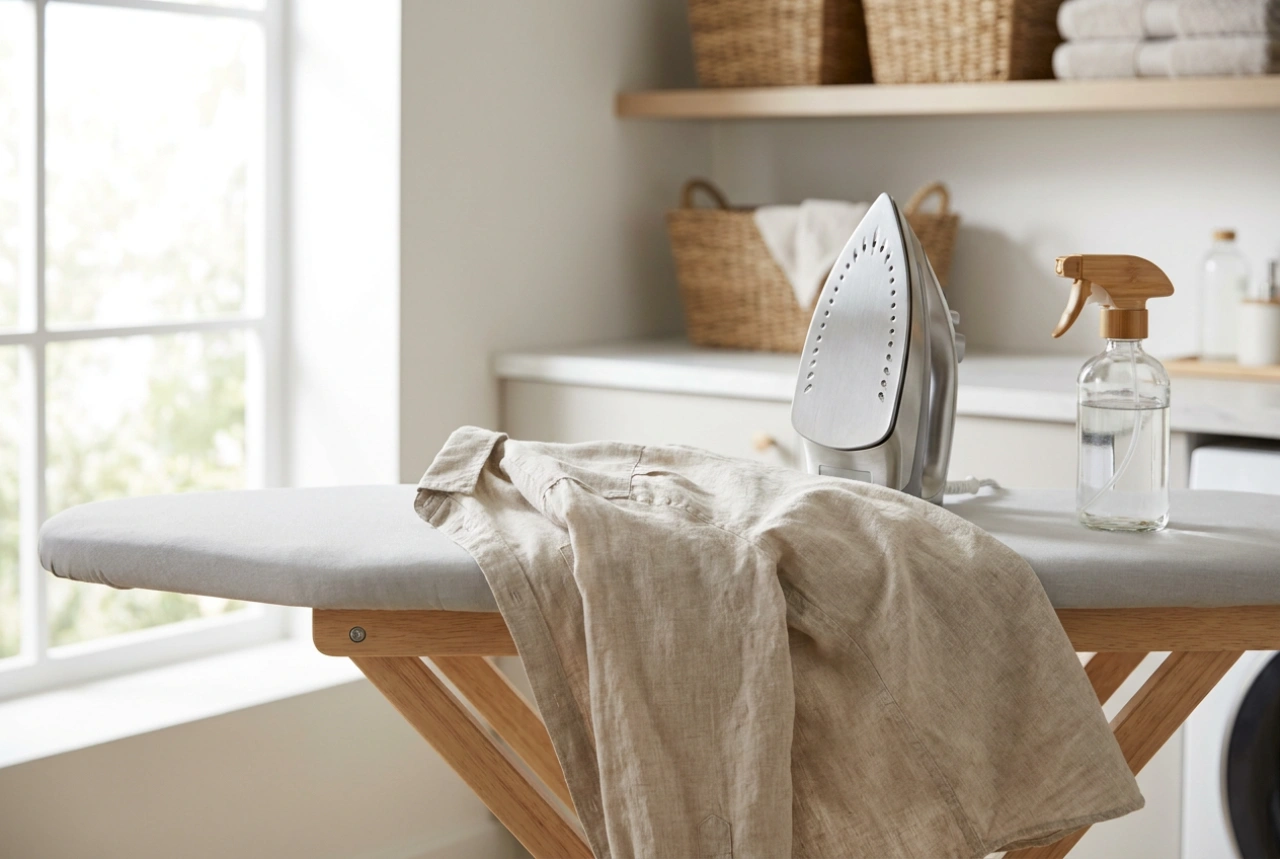
5. Thermal Reactivation: Once clean and dry, the DWR coating must be reactivated. The heat realigns the microscopic polymer chains on the outer fabric. Tumble dry on a low, gentle heat setting for 20 minutes, or iron the dry jacket on a low setting (no steam) using a clean towel or cloth as a barrier between the iron and the jacket surface.