

Achieving pristine white laundry without compromising the structural integrity of natural and synthetic fibres requires understanding the precise chemistry of bleaching agents, water temperature, and mineral reactions.
The Chemistry of Fabric Degradation and Yellow Stains
Many traditional bleaching methods rely on sodium hypochlorite (commonly known as chlorine bleach). While highly effective at stripping colour, chlorine is a harsh oxidizing agent that non-selectively attacks both organic stains and the polymer chains of the fibres themselves. In cotton and linen, this chemical attack cleaves the cellulose molecules, weakening the yarn and leading to premature tearing and fraying. Furthermore, chlorine reacts chemically with protein-based fibres like silk or wool, destroying them almost instantly and leaving behind a permanent yellow tint.
Yellowing on white fabrics during bleaching also occurs due to mineral interaction. If your tap water contains dissolved iron or manganese (common in hard water areas), chlorine acts as an oxidizing catalyst, converting these dissolved metals into insoluble oxides—essentially rust—which deposit directly onto the fabric fibres. This results in dull, yellow, or dingy grey spots that are incredibly difficult to remove with standard detergents.
The Safe Alternative: Active Oxygen Bleaching
To preserve fibre strength and prevent mineral yellowing, the optimal choice is sodium percarbonate, commonly referred to as oxygen bleach. When dissolved in water, sodium percarbonate dissociates into sodium carbonate (washing soda) and hydrogen peroxide. This reaction is highly temperature-dependent:
- Below 40°C: The reaction proceeds slowly, making it gentle but less effective for heavy staining.
- Between 40°C and 60°C: The release of active oxygen is optimized. The oxygen molecules selectively target and break down chromophores (the colour-producing parts of stain molecules) without attacking the underlying polymer structure of cellulose or synthetic fibres.
- Above 60°C: Ideal for sturdy cottons and linens, offering maximum sanitation alongside whitening, though delicate synthetics should avoid these temperatures to prevent thermal shrinkage.
Managing Water Hardness to Prevent Discolouration
Because minerals in water are a primary cause of yellowing, managing water chemistry is crucial. Incorporating a chelating agent into the wash cycle binds heavy metal ions like calcium, magnesium, and iron, preventing them from settling onto the fabric. Citric acid or generic water softening powders containing zeolites work exceptionally well. By neutralizing these minerals, the bleaching agents can focus entirely on stain removal, resulting in a brighter, more uniform white.
Step-by-Step Gentle Bleaching Protocol
To execute a safe, fibre-friendly whitening process at home, follow this structured methodology:
1. Preparation and Sorting
Separate your laundry strictly by fabric type and temperature tolerance. Group heavy cotton sheets and towels separately from delicate synthetics or blended fabrics. Check the care labels to determine the maximum safe water temperature for each group.
2. Pre-Dissolving the Bleaching Agent
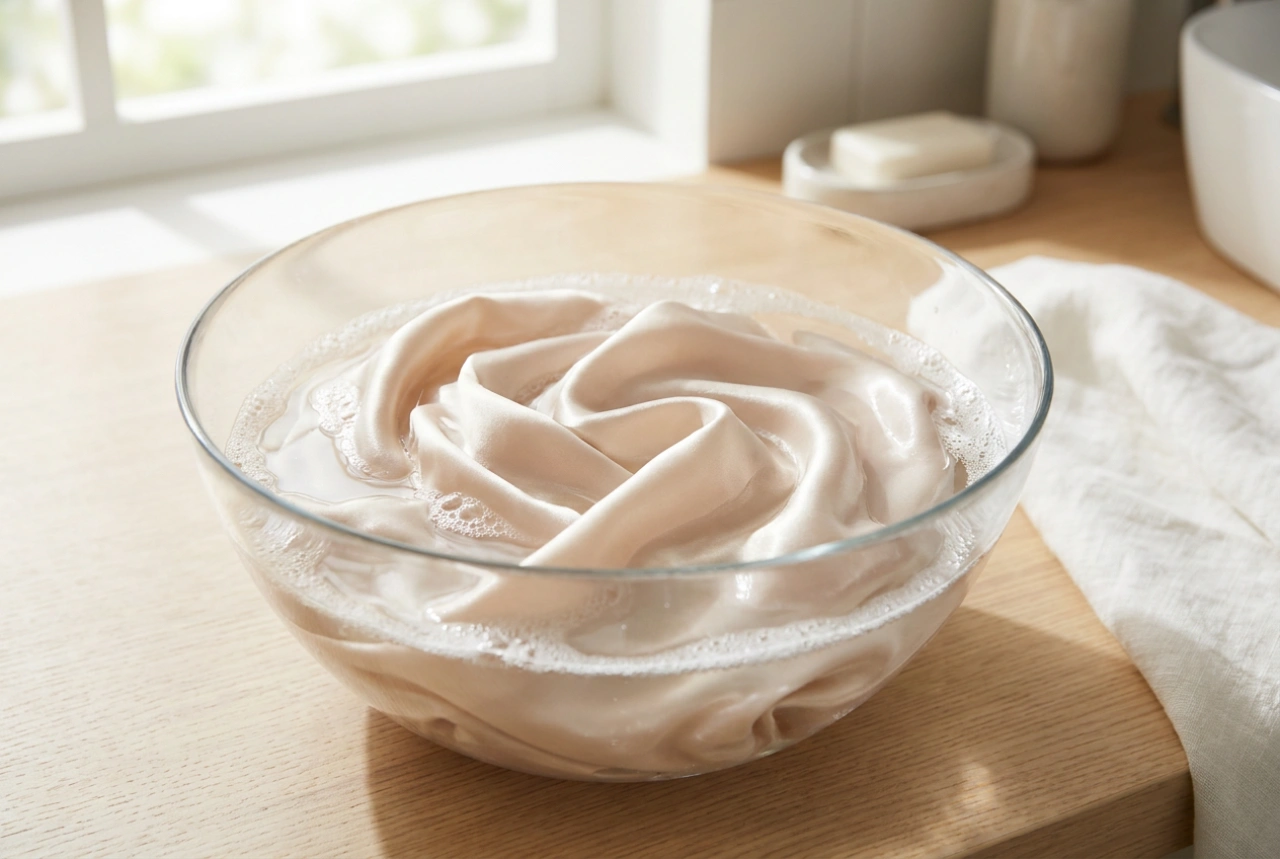
Never apply dry bleaching powder or concentrated liquid directly to dry garments, as this creates localized areas of high concentration that can chemically scorch the fibres. Always dissolve the sodium percarbonate completely in warm water first before submerging the textiles.
3. The Soak and Wash Cycle
For deeply yellowed items, a pre-soak is highly recommended. Submerge the whites in a warm solution of water and dissolved oxygen bleach (roughly 1 to 2 tablespoons per 5 litres of water) for 1 to 2 hours. Follow this with a standard machine wash using a generic, enzyme-rich detergent and an additional tablespoon of oxygen bleach in the detergent drawer.
4. The Neutralizing Rinse
Alkaline residues from detergents and washing soda can remain trapped within the fabric fibres. When exposed to heat during drying or ironing, these residues oxidize and cause the fabric to turn yellow. To prevent this, introduce a mild acid in the final rinse cycle. Adding half a cup of white distilled vinegar or a tablespoon of dissolved citric acid to the fabric softener compartment neutralizes the alkali, relaxes the fibres, and ensures they dry perfectly white and soft.
Drying and Preservation Techniques
How you dry your white garments plays a significant role in maintaining their brightness. Direct sunlight provides natural ultraviolet (UV) radiation, which acts as a mild, secondary photo-bleaching agent. However, prolonged exposure to harsh midday sun can dry out fibres, making them brittle. Hang whites outdoors in a well-ventilated area, preferably in morning light, or dry them indoors away from direct heat sources like radiators, which can cause localized heat yellowing.