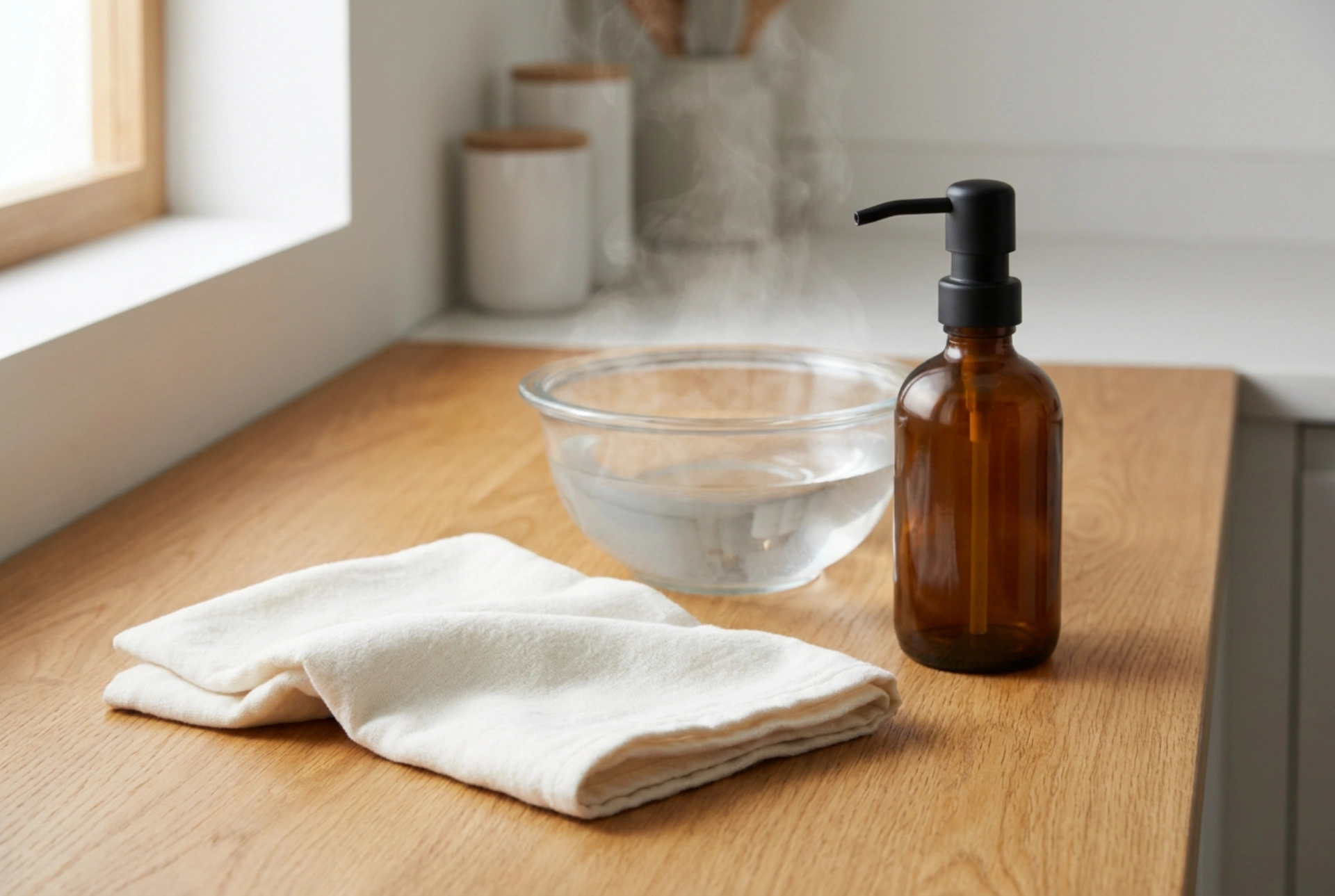


Removing a greasy wax stain from fabrics or wooden surfaces requires a two-step approach that addresses both the solid wax matrix and the residual oily dye that penetrates deep into material fibers. By understanding the thermodynamic properties of wax and the chemical nature of lipids, you can systematically lift the stain without causing permanent damage to the substrate.
The Science Behind Wax and Grease Stains
To effectively treat a wax spill, it is essential to understand what wax actually is. Most household candles are made of paraffin (a byproduct of petroleum consisting of long-chain hydrocarbons), beeswax (a complex mix of esters and fatty acids), or soy wax (hydrogenated vegetable oil). When melted, these substances have low viscosity, allowing them to penetrate deep into the porous structures of fabrics, carpets, or wood. As they cool, they solidify and contract, locking themselves into the fibers.
The real challenge, however, is not the solid wax itself, but the greasy residue left behind. This residue consists of oil-soluble dyes, synthetic fragrances, and the inherent lipid or hydrocarbon base of the wax. Simply scraping off the surface solid layer leaves these oily compounds bound to the fibers. Removing them requires a combination of thermal transfer to remove the bulk solid and surfactant chemistry to dissolve the remaining lipid ring.
Phase One: Thermal Extraction of the Solid Matrix
The first step in treating any wax stain on textiles is converting the solid wax back into a liquid phase and transferring it to a disposable absorbent material. This process utilizes capillary action and thermodynamics.
The Iron and Paper Method
- Preparation: Allow the wax to cool completely. Never attempt to treat hot, liquid wax, as rubbing it will only spread the lipids across a wider surface area. Once solid, gently scrape off the excess surface wax using a dull plastic edge, such as an old credit card or a plastic spatula. Avoid metal knives, which can sever fabric threads.
- The Absorbent Barrier: Place a clean sheet of non-printed, absorbent paper over the stain. Blotting paper, plain brown paper bags, or thick white paper towels work best. Avoid newspaper or printed bags, as the heat can transfer the ink onto your fabric.
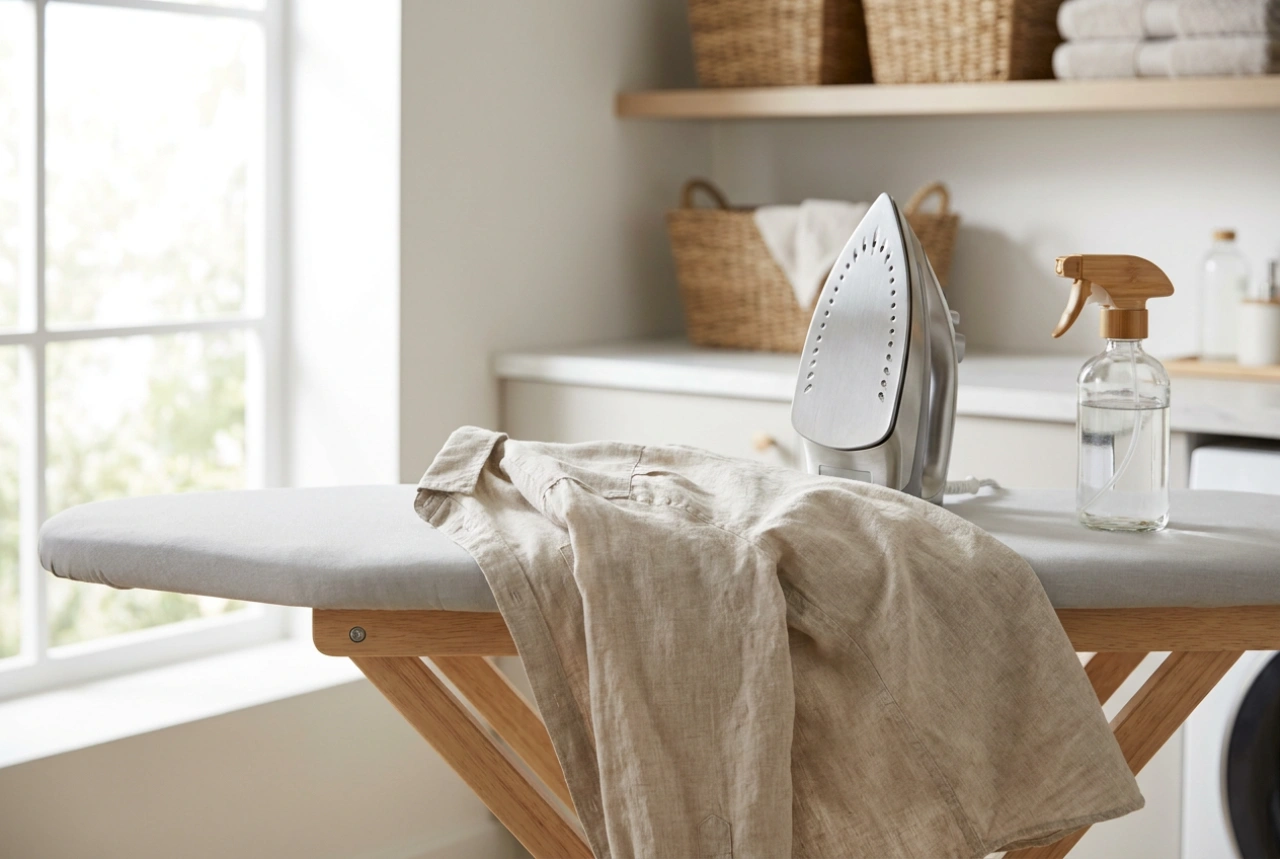
- Controlled Heat Application: Set your household iron to a low-to-medium heat setting with the steam function turned completely off. Moisture from steam prevents the paper from absorbing the oils. Gently press the iron onto the paper over the stain. Do not scrub or slide the iron; simply hold it in place for 5 to 10 seconds.
- Capillary Transfer: As the heat penetrates the paper, the underlying wax melts. The porous paper acts as a wick, drawing the liquefied wax upward and away from the fabric fibers. Move the paper to a clean, unused section and repeat the process until no more wax spots appear on the paper.
Phase Two: Dissolving the Residual Grease Ring
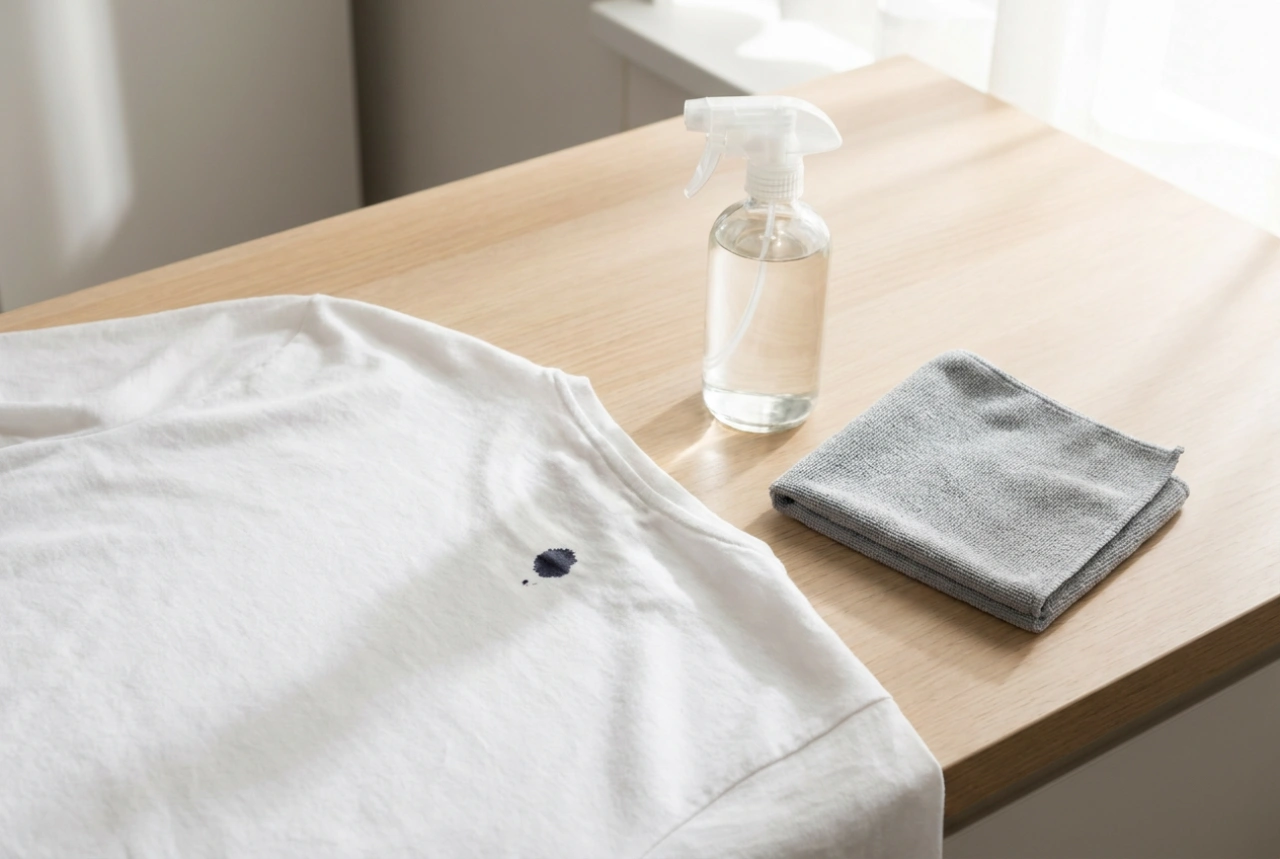
Once the solid wax is extracted, a dark, greasy ring often remains. This is caused by the oils and pigments that have chemically bound to the fibers. Because lipids are hydrophobic (water-repelling), water alone will not wash them away. You must introduce a surfactant or a mild solvent to break these bonds.
Applying Surfactant Chemistry
Liquid dish detergent, which contains highly concentrated surfactants, is the ideal tool for this phase. Surfactant molecules have a dual nature: a hydrophobic tail that attaches to the grease, and a hydrophilic head that bonds with water. When applied to the grease ring, the tails embed themselves into the oily wax residue.
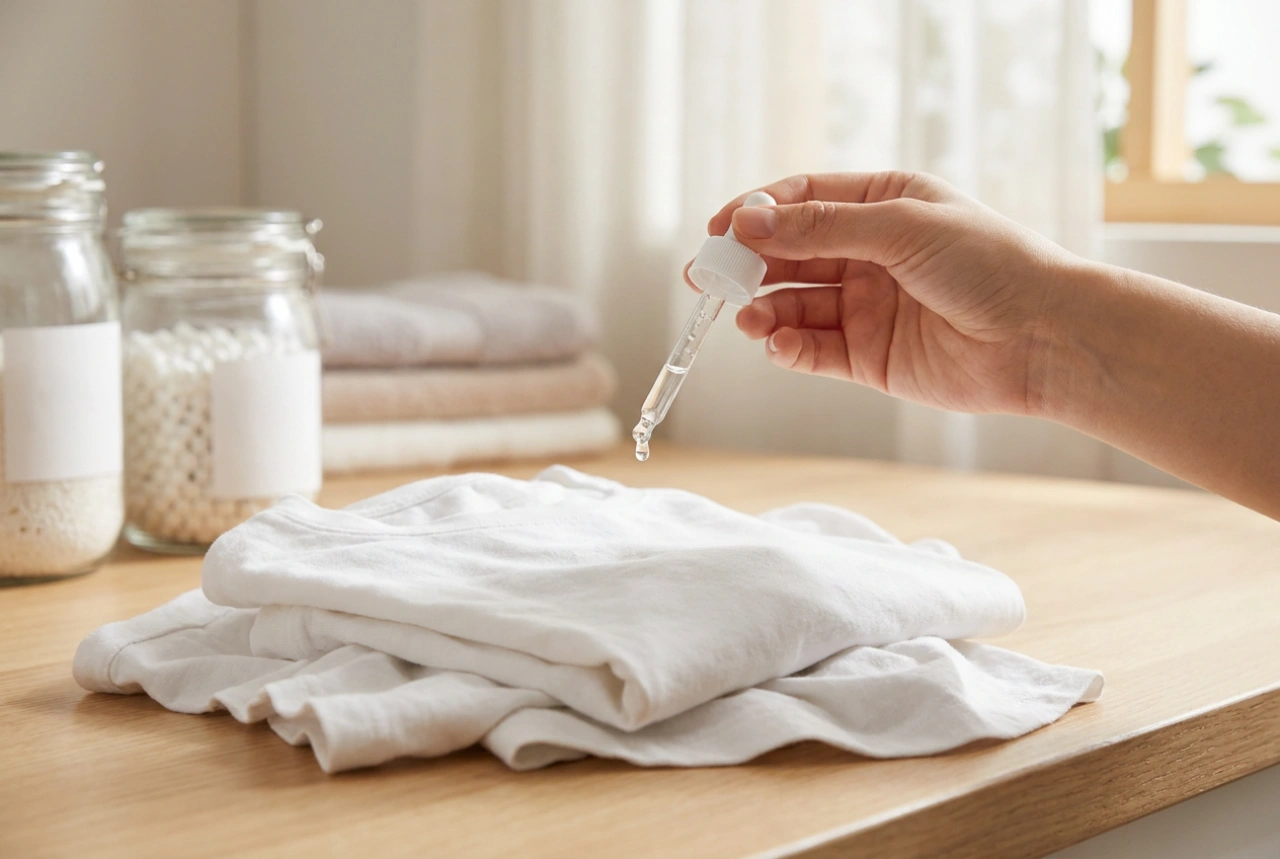
Apply a few drops of clear, fragrance-free dish detergent directly to the stain. Using a soft-bristled brush or a clean cotton cloth, gently work the detergent into the fibers using circular motions from the outside of the stain toward the center. This direction prevents the grease from spreading. Let the detergent sit for 10 to 15 minutes to allow the molecules to encapsulate the lipids. Rinse the area thoroughly with warm water, which liquefies any remaining wax remnants and washes the encapsulated grease away.
Treating Delicate Hardwood Surfaces
When wax spills on wooden furniture or floors, you cannot use a hot iron directly, as excessive heat can blister the varnish, shellac, or polyurethane finish. Instead, use a localized heating technique. First, harden the wax by placing an ice pack wrapped in a thin cloth over the spill. Once brittle, gently pop the wax off with a plastic scraper.
To address the remaining greasy residue on the wood, use a hairdryer set to low heat to soften the residue, immediately wiping it with a soft microfiber cloth. Follow this by cleaning the area with a damp cloth dipped in a mixture of warm water and a neutral, oil-cutting soap. Dry the wood thoroughly with a clean towel to prevent moisture damage.