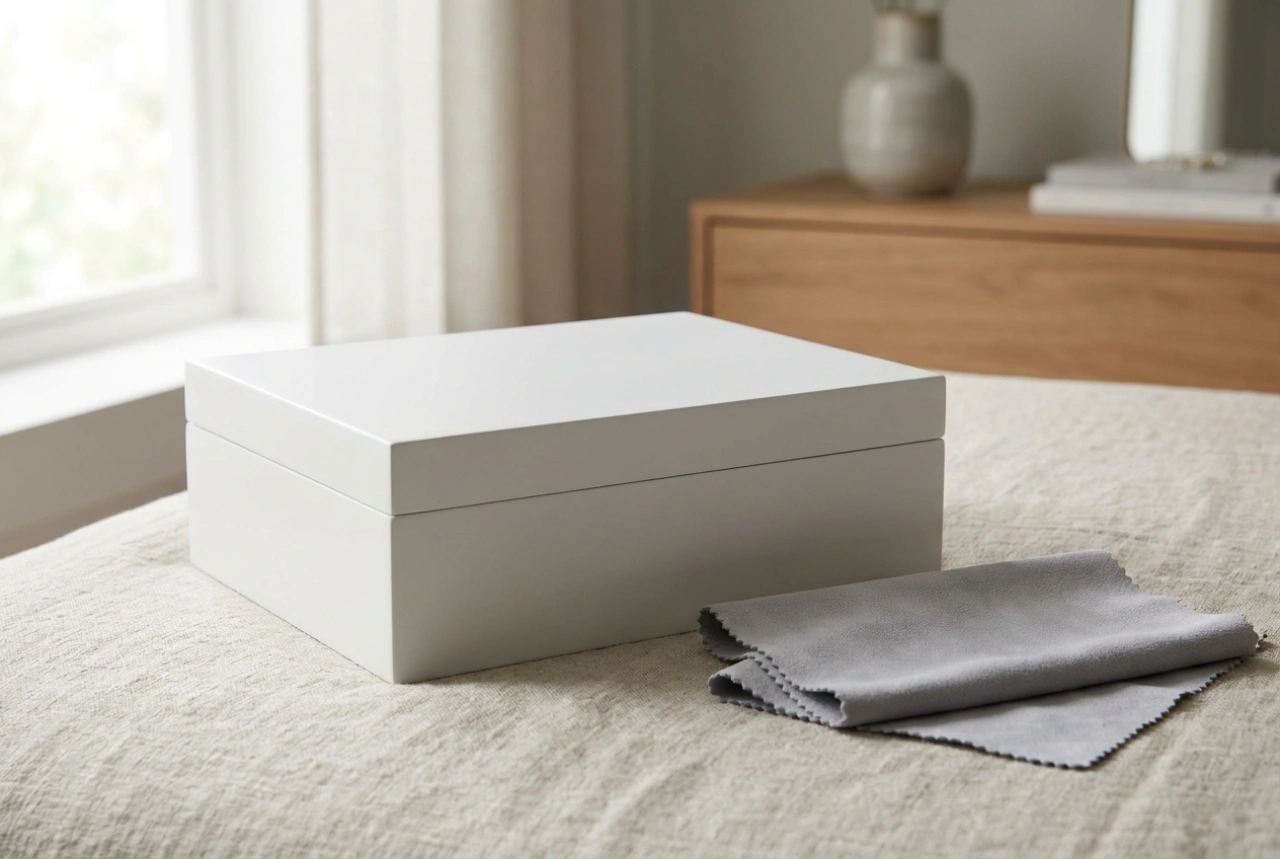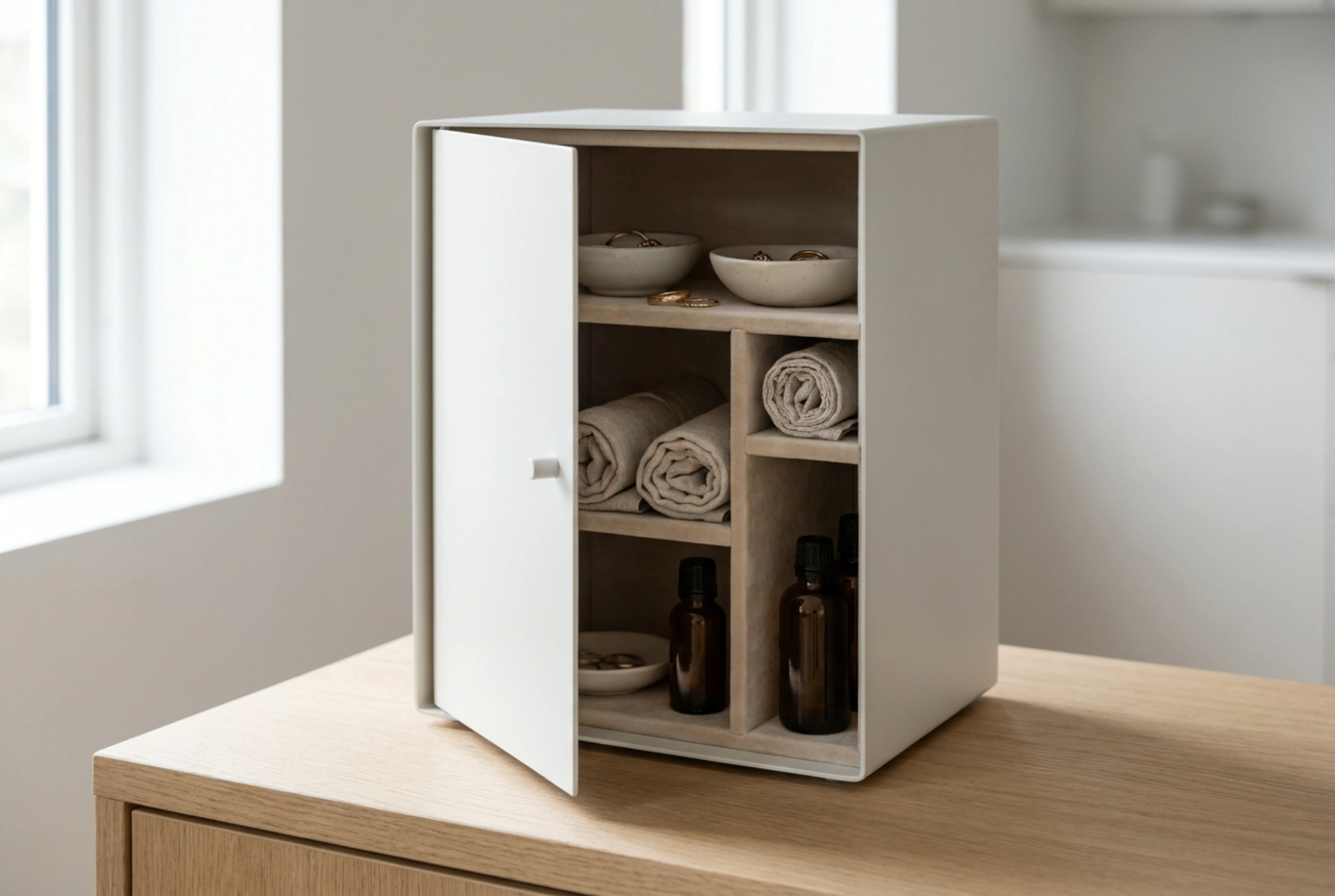


Small, lockable cabinets serve as the ultimate boundary for protecting and organising highly sensitive, compact items, from delicate jewellery to critical digital storage media. Properly utilising these micro-spaces requires understanding physical protection, material compatibility, and efficient spatial layout.
Material Physics: Choosing the Right Protective Shell
The structural integrity of a small cabinet depends heavily on its base material. Steel and aluminium are excellent choices for modern home storage because they offer high mechanical resistance against impact and shear forces. A powder-coated matte finish does more than provide an aesthetic look; it creates a non-porous, hydrophobic barrier that prevents ambient moisture from initiating oxidation on the cabinet’s surface. Inside the cabinet, however, bare metal poses a risk of micro-abrasions. When items slide during opening or closing, friction can scratch soft precious metals or polished plastics. To counter this, lining the compartments with inert materials such as dense felt, velvet, or ethylene-vinyl acetate (EVA) foam is critical. These liners act as shock absorbers, increasing the coefficient of static friction to keep items firmly in place.
Spatial Layout and the Physics of Organisation
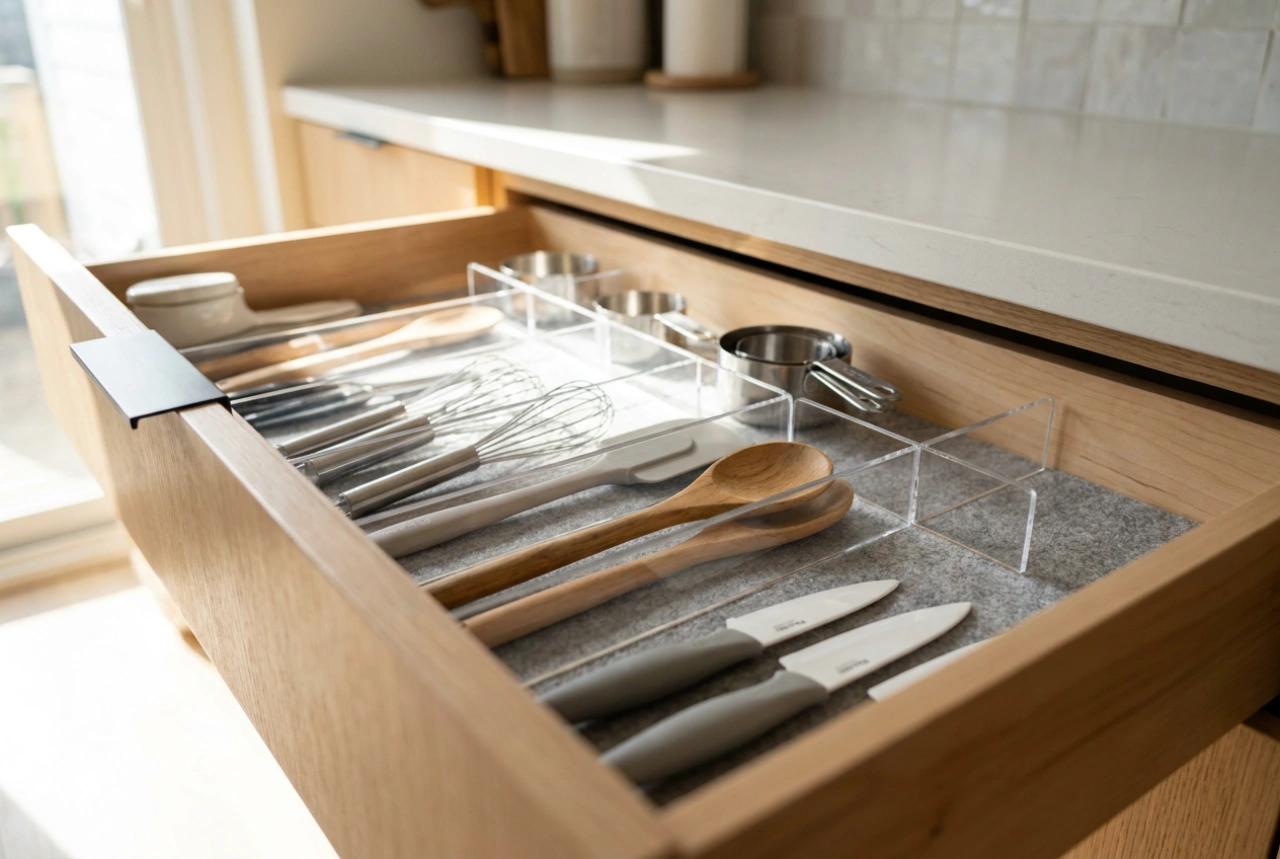
Organising a confined space requires systematic zoning based on weight, frequency of access, and material compatibility. To maintain the physical stability of a free-standing cabinet, place heavier items like metal tools, spare keys, or heavy watches at the absolute bottom. This lowers the overall centre of gravity, preventing the unit from tipping forward when the door is opened. Divide the vertical space using modular compartments. Keep daily-use items near the front at eye level, while archival items, such as backup USB drives or spare keys, should occupy the deeper, less accessible zones. Grouping similar materials together also prevents physical and chemical degradation. For example, keeping hard steel keys away from soft gold jewellery prevents mechanical gouging, while separating different metal alloys prevents galvanic corrosion.
Atmospheric Control in Enclosed Micro-Spaces
Locking a small cabinet seals a specific volume of air inside, creating a microclimate. If the room temperature fluctuates, the air inside the cabinet experiences changes in relative humidity. High humidity promotes the oxidation of copper and silver through reactions with trace atmospheric sulfur, forming dark tarnish layers. It can also cause micro-corrosion on the contacts of memory cards or USB drives. To manage this internal atmosphere, introduce a passive desiccant, such as a sachet of synthetic silica gel. Silica gel contains a vast network of microscopic pores that physically trap water molecules through adsorption. Place the cabinet away from direct thermal sources, such as radiators or direct morning sunlight, to prevent rapid heating cycles that can warp internal wooden components or degrade delicate adhesives.
Lock Maintenance and Key Custody
The lock itself is a mechanical assembly of precise tolerances, typically utilising a pin-tumbler or wafer-tumbler mechanism. Over time, atmospheric dust and microscopic debris can settle inside the keyway, increasing friction and causing the lock to bind. Avoid liquid lubricants or heavy household oils, as they attract dust and create a sticky paste that permanently jams the internal springs. Instead, apply a dry lubricant, such as micro-fine graphite powder, directly into the keyway. This dry carbon layer allows the pins to slide effortlessly without capturing debris. Finally, establish a systematic routine for key custody. A lock is only as secure as the management of its key; store the physical key in a secure, elevated, dry location, ensuring it remains accessible to authorised users while remaining entirely out of sight from casual observers.