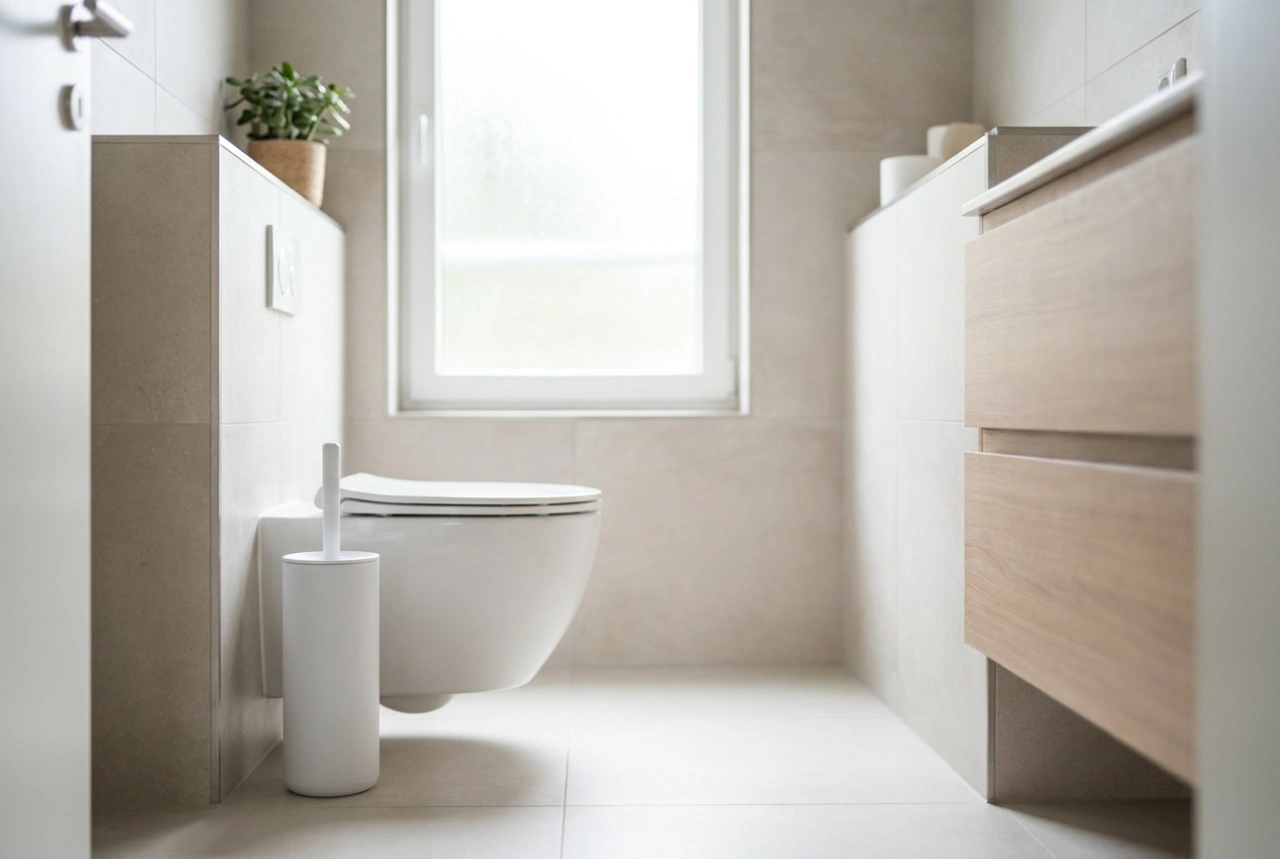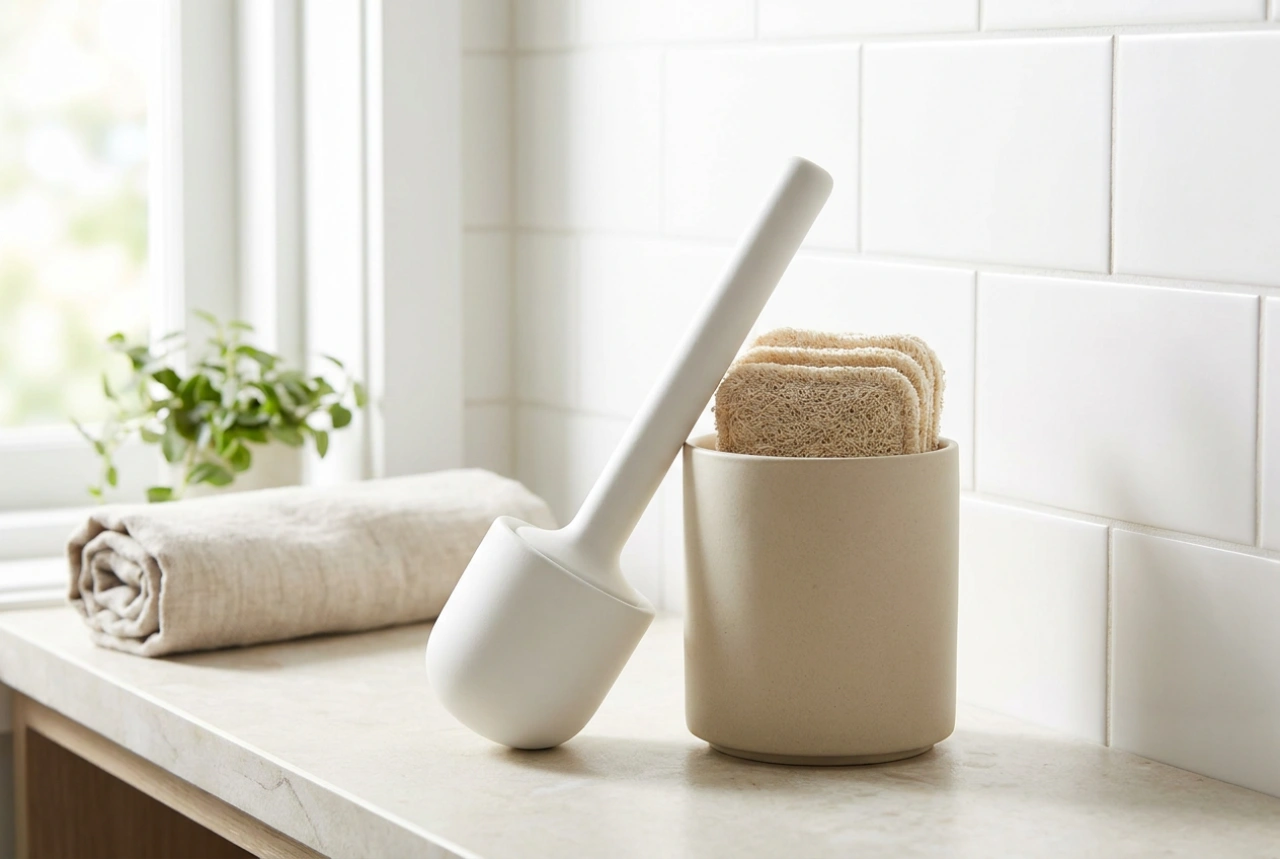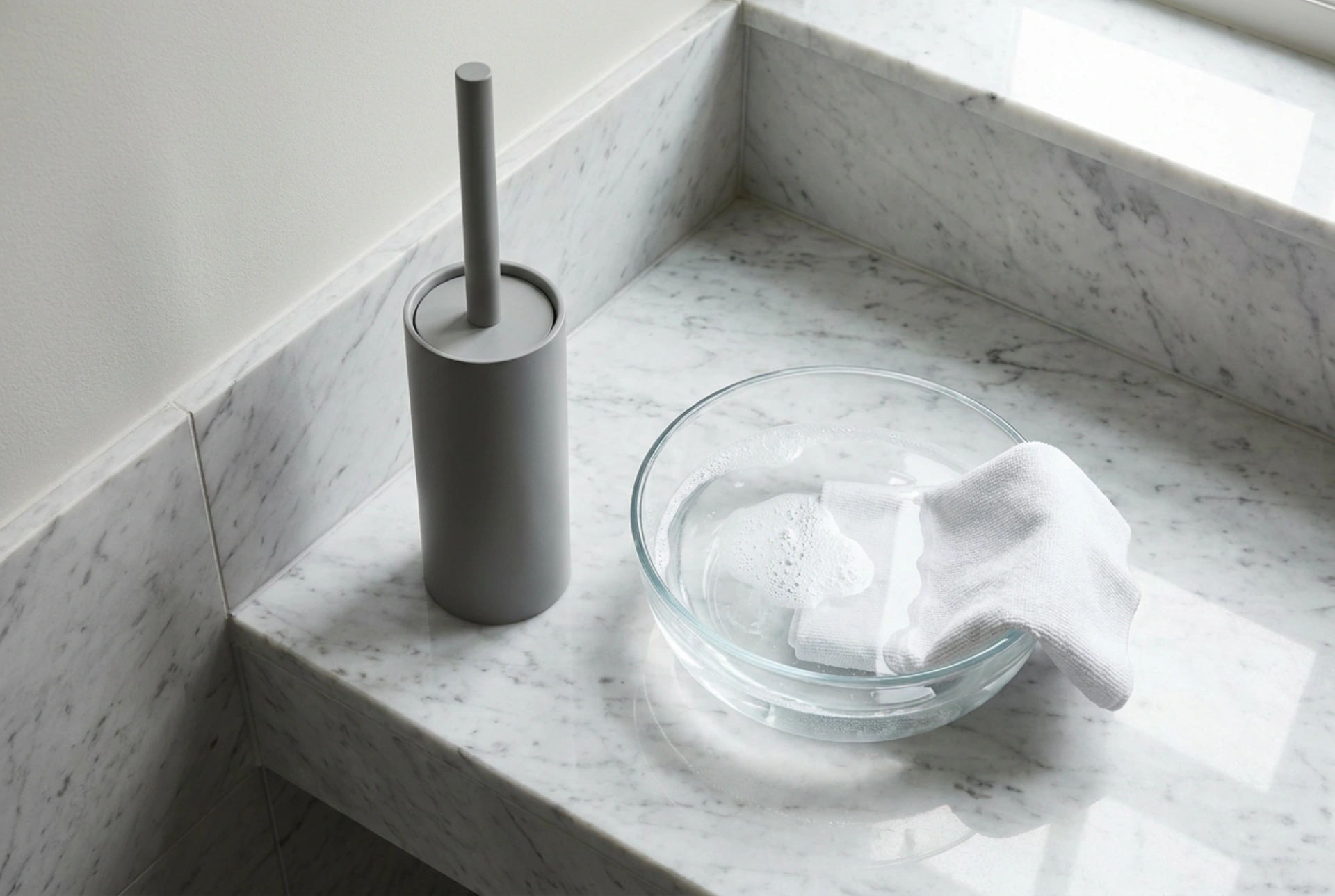


Grey toilet brushes are popular for their ability to blend seamlessly into modern bathroom designs, but their neutral shade can easily mask organic buildup that eventually emits stubborn odours. Preventing these smells requires a basic understanding of polymer surfaces, biofilm formation, and how to use the correct chemical agents to neutralise bacteria without damaging the brush materials.
Why Synthetic Toilet Brushes Retain Odours
Most modern toilet brushes, including grey variants, are manufactured from synthetic polymers such as polypropylene, nylon, or silicone. While these materials are durable and water-resistant, they are not completely impervious at a microscopic level. Over time, friction during cleaning creates micro-scratches on the plastic bristles and head. These tiny crevices become ideal breeding grounds for bacteria, which build a protective matrix known as a biofilm.
When organic waste becomes trapped within this biofilm, anaerobic bacteria thrive in the oxygen-deprived environment. These microbes digest the waste, releasing volatile sulphur compounds as a byproduct. Because grey plastics hide the visual cues of this buildup better than white materials, users often neglect deep cleaning, allowing the biofilm to thicken and the odour to penetrate deeper into the porous structures of the polymer.
The Chemistry of Neutralisation: Oxygen Bleach vs. Chlorine
To eliminate odours permanently, you must disrupt the biofilm and kill the bacteria responsible for the gas emission. Regular soap or mild dish detergents only suspend surface dirt; they do not sanitise the deep microscopic scratches. The most effective approach involves chemical oxidation, which destroys the cellular walls of the bacteria.
- Sodium Percarbonate (Oxygen Bleach): This is the ideal agent for plastic and silicone brushes. When dissolved in warm water (approximately 40°C to 50°C), it breaks down into hydrogen peroxide and sodium carbonate. The release of active oxygen bubbles physically lifts organic matter away from the bristles while disinfecting the surface.
- Chlorine-Based Disinfectants: Highly effective at sanitising, sodium hypochlorite solutions quickly eradicate bacteria. However, they must be used with cold water, as hot water causes the chlorine to gas off too rapidly, reducing its efficacy. Never mix chlorine with acids (such as vinegar or citric acid) as this produces toxic chlorine gas.
A Step-by-Step Deep Cleaning Protocol
Cleaning a grey toilet brush requires a methodical approach that ensures the active disinfecting agents reach every part of the bristles and handle. Follow this chemical and mechanical routine to restore the hygiene of your cleaning tools:
First, prepare a solution of warm water and sodium percarbonate in a dedicated utility bucket or directly within the toilet bowl (provided it has been thoroughly flushed and cleaned beforehand). Submerge the brush head completely. Avoid using boiling water, as extreme temperatures can deform synthetic bristles, causing them to bend and lose their mechanical cleaning power.
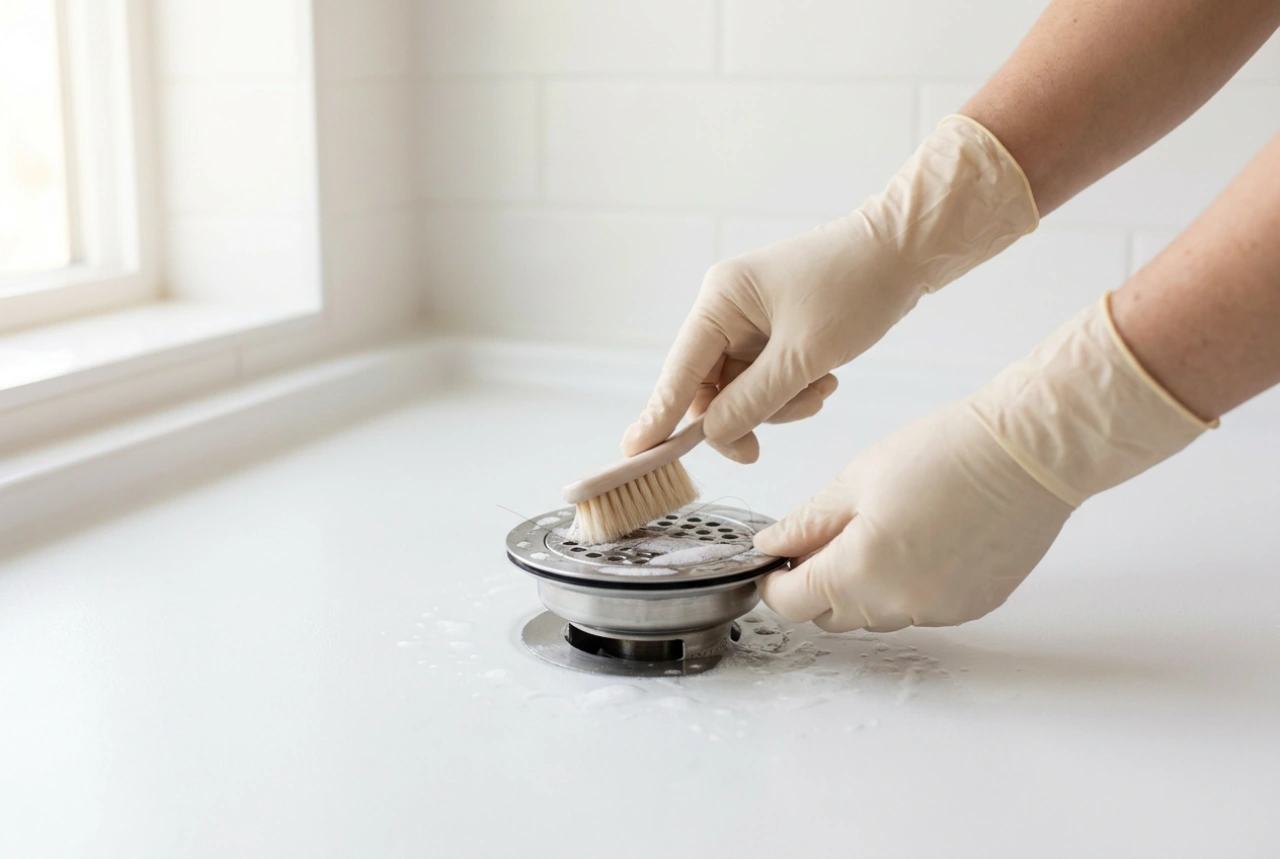
Let the brush soak for 30 to 45 minutes to allow the chemical oxidation to break down the biofilm. After soaking, gently agitate the brush in the solution, swirling it to loosen any remaining trapped particles. Use a secondary utility brush or a gloved hand to scrub the base of the bristles where they meet the handle—this connection point is a primary zone for moisture and organic accumulation.
The Critical Importance of the Drying Phase
Moisture is the single greatest catalyst for odour-causing bacterial growth. Returning a damp brush directly to its holder creates a dark, humid microclimate that accelerates bacterial multiplication. To prevent this, a strict drying protocol must be implemented after every use and deep clean.
Secure the wet brush by wedging the handle firmly under the toilet seat, suspended over the bowl. This allows gravity to pull excess water away from the bristles, dripping harmlessly into the toilet. Leave the brush in this position for at least 30 to 60 minutes, or until the bristles are completely dry to the touch. Ensure the bathroom is well-ventilated during this process to facilitate rapid evaporation.
Sanitising the Grey Holder
It is pointless to clean the brush if it is returned to a contaminated canister. The grey holder must be washed and disinfected with the same frequency. Fill the holder with a warm solution of oxygen bleach, scrub the interior surfaces thoroughly with a narrow bottle brush, and rinse with clean water. Wipe the exterior with a microfibre cloth dampened with a mild alcohol-based sanitiser to maintain its sleek, matte finish without leaving unsightly streaks.