

Washing feather pillows at home is entirely possible and highly beneficial, provided you respect the delicate structure of natural protein fibres and follow a precise scientific approach to cleaning and drying.
Understanding Feather Structure and Detergent Chemistry
Feathers and down consist of keratin, the same resilient protein found in human hair. This structure is naturally coated with a thin layer of protective lipids (fats) that give feathers their loft, flexibility, and water-resistance. When washing feather pillows, the primary chemical threat is the use of harsh, highly alkaline detergents or those containing enzymes (proteases). Enzymes designed to break down protein stains will actively degrade the keratin structure of the feathers, while harsh surfactants strip away the natural protective oils, leaving the filling brittle and prone to snapping.
To preserve the feathers, always select a mild, pH-neutral liquid detergent formulated for delicate fibres like wool or silk. Avoid powder detergents, as their solid particles easily get trapped inside the dense weave of the pillow casing and the feather clusters themselves, leading to irritation and clumping.
Machine Calibration: Balance, Temperature, and Mechanical Force
The physics of the washing machine can either clean your pillow or destroy its structural integrity. Before starting, inspect the ticking (the outer fabric cover) for any weakened seams. Even a tiny tear will expand under mechanical stress, releasing feathers into your machine drum. Always wash pillows in pairs. Loading a single wet pillow creates an unbalanced load during the spin cycle, causing the drum to wobble, which can damage your appliance and fail to extract water efficiently. Two pillows balance the centrifugal forces within the drum.
Set your washing machine to a delicate or wool cycle with a temperature of 30 degrees to 40 degrees Celsius. This temperature is warm enough to liquefy bodily oils and sweat accumulated on the pillow without denaturing the keratin proteins or causing shrinkage. Use an extra rinse cycle. The complex, multi-branched structure of down feathers acts as a highly efficient filter, trapping soapy water. Residual surfactants left in the feathers will attract moisture from the air post-drying, leading to musty odours and rapid re-soiling.
The Critical Extraction Phase
While delicate cycles often default to low spin speeds, feather pillows require robust water extraction to prevent the filling from rotting during the drying process. Once the main wash and extra rinses are complete, run a dedicated spin cycle. Start at a moderate speed (around 600 RPM) to release the bulk of the water safely, then increase to 800 or 1000 RPM. The high centrifugal force presses the feathers flat against the drum wall, extracting deep moisture without the abrasive friction of tumbling.
The Science of Drying: Eradicating Internal Moisture
Drying is the most critical phase of feather pillow restoration. Feathers must be dried completely to prevent the growth of mold, mildew, and bacteria, which thrive in warm, damp, dark environments. If using a tumble dryer, select a low-to-medium heat setting. While high heat speeds up the process, it dehydrates the natural core of the feathers, making them brittle and reducing their lifespan. To prevent the feathers from clumping into dense, wet masses, introduce mechanical agitators into the drum. Two or three clean wool dryer balls are essential. As the dryer rotates, these balls physically strike the wet clumps of feathers, separating the individual fibres and forcing warm air to circulate through the loft. This mechanical action restores the natural bounce and volume of the pillow. Expect this process to take several hours; pause the cycle every 30 to 45 minutes to manually shake and distribute the filling.
Alternative Air-Drying Protocol
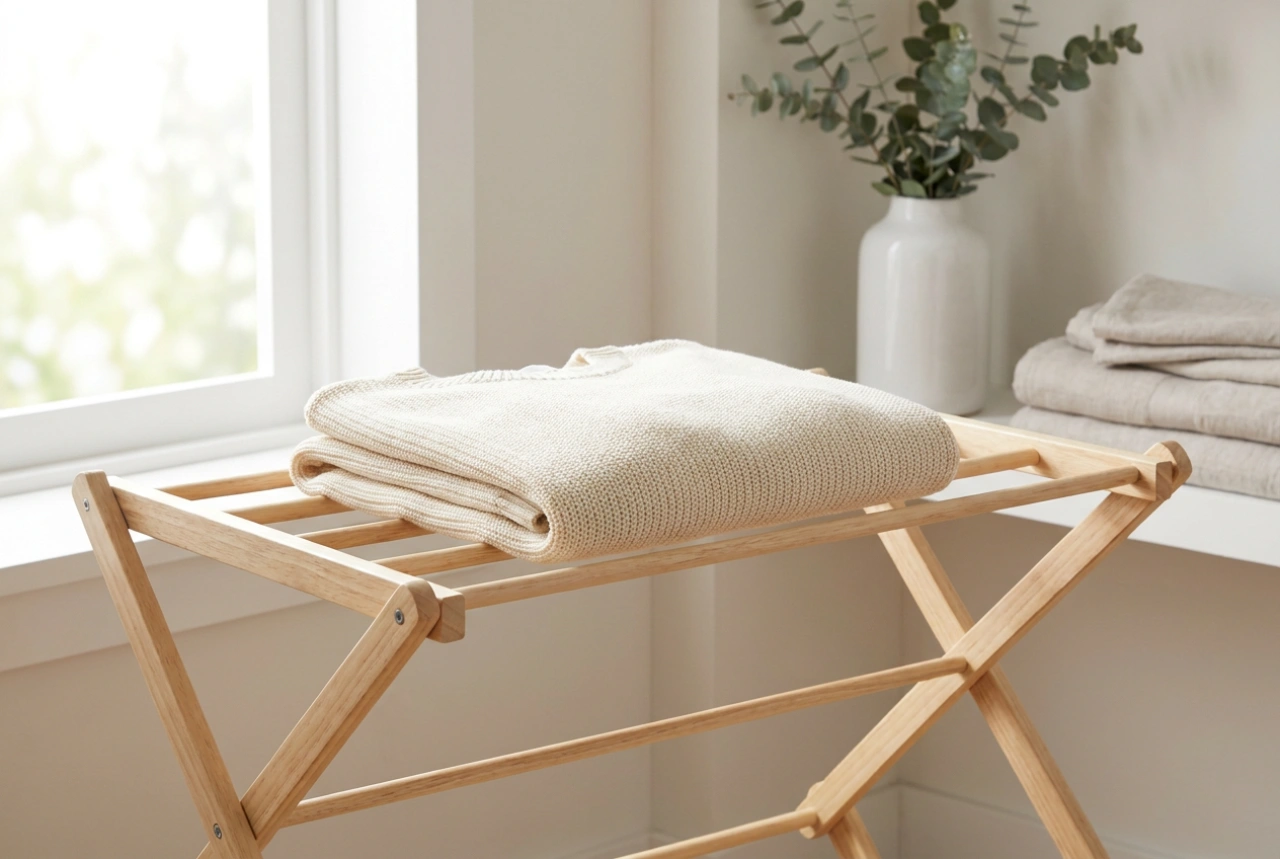
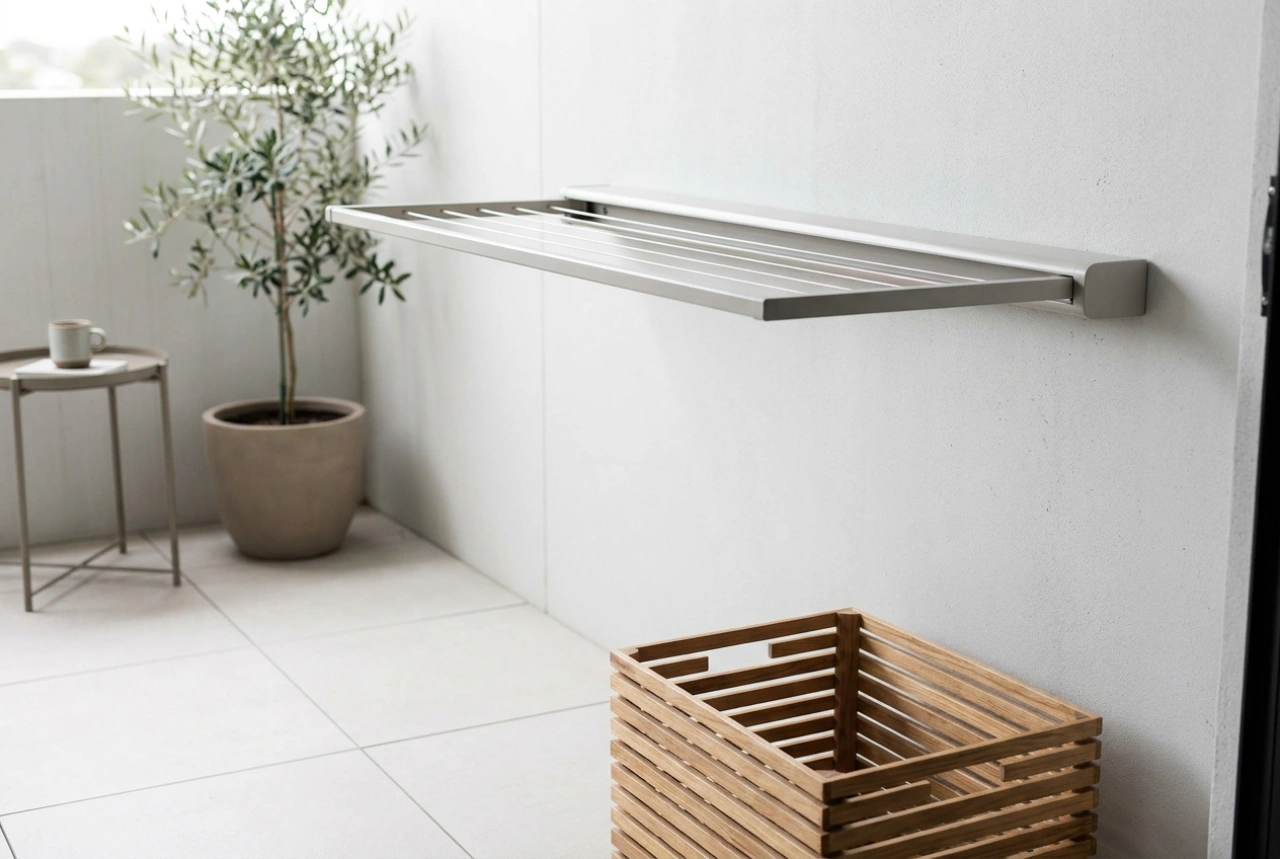
If a tumble dryer is not available, air-drying is possible but requires rigorous attention. Lay the pillow completely flat on a clean drying rack in a well-ventilated, warm room. Never hang a wet feather pillow by its corners, as gravity will pull the wet, heavy clumps to the bottom, causing them to mat permanently. Every few hours, vigorously shake, massage, and tease the clumps apart by hand to ensure even airflow throughout the entire core of the pillow.