

Delicate underwear requires a specialized washing approach because standard laundry detergents contain aggressive surfactants and enzymes that degrade fine fibers and irritate sensitive skin. Understanding the chemical composition of liquid detergents allows you to protect both your investments in fine lingerie and your physical comfort.
The Role of pH and Surfactant Charge
Standard heavy-duty detergents are engineered with an alkaline pH, often ranging between 9 and 11, to optimize the removal of acidic grease and soil. While highly effective for robust cotton linens, this alkaline environment is highly destructive to delicate fibers. Natural protein fibers such as silk, as well as synthetic elastics like elastane (spandex), degrade rapidly under alkaline conditions, losing their elasticity and structural integrity. A superior liquid detergent for underwear must maintain a neutral pH, ideally between 7 and 8.
Furthermore, the choice of surfactants is critical. Standard detergents rely heavily on anionic surfactants, which carry a negative charge and bind aggressively to organic matter. For delicate garments, a formulation incorporating non-ionic surfactants, such as alkyl polyglucosides, is preferred. These molecules do not carry an electrical charge, meaning they lower surface tension and lift bodily oils and sweat gently, without stripping the natural moisture barrier of the textile fibers or causing structural swelling.
The Enzyme Dilemma: Protease and Protein Fibers
Enzymes are biological catalysts added to detergents to target specific stain types. Protease enzymes, for example, are highly efficient at breaking down protein-based soils like blood, sweat, and sebum. However, natural luxury fabrics such as silk and wool are composed entirely of proteins (fibroin and keratin, respectively). When a detergent containing active proteases is used on these fabrics, the enzyme cannot distinguish between the stain and the garment. It physically digests the fabric fibers, leading to microscopic thinning, loss of luster, and eventual tearing.
A dedicated liquid detergent for fine underwear must be formulated either entirely without enzymes or specifically without proteases. For synthetic delicates, lipases (which target fats) and amylases (which target starches) can be safely utilized, but for silk-blend lingerie, a completely enzyme-free formulation is the safest choice to preserve molecular stability.
Why Liquid Formulations Outperform Powders
The physics of dissolution make liquid detergents far superior to powders for delicate wash cycles. Fine underwear is typically washed at low temperatures—ideally 30°C or colder—to protect synthetic elastics from heat degradation. Powdered detergents require both warm water and vigorous mechanical agitation to dissolve fully. In a cold, gentle cycle, undissolved powder granules remain suspended in the water, acting as an abrasive grit that physically wears down fine lace, embroidery, and sheer mesh.
Liquid detergents, conversely, are already fully dissolved. They disperse instantly and evenly throughout the wash bath, ensuring uniform cleaning action without any localized high concentrations of active ingredients or physical abrasion.
Optimized Washing Protocol for Fine Underwear
To maximize the lifespan of your underwear, the cleaning technique must complement the detergent's chemistry. Follow this systematic order of operations:
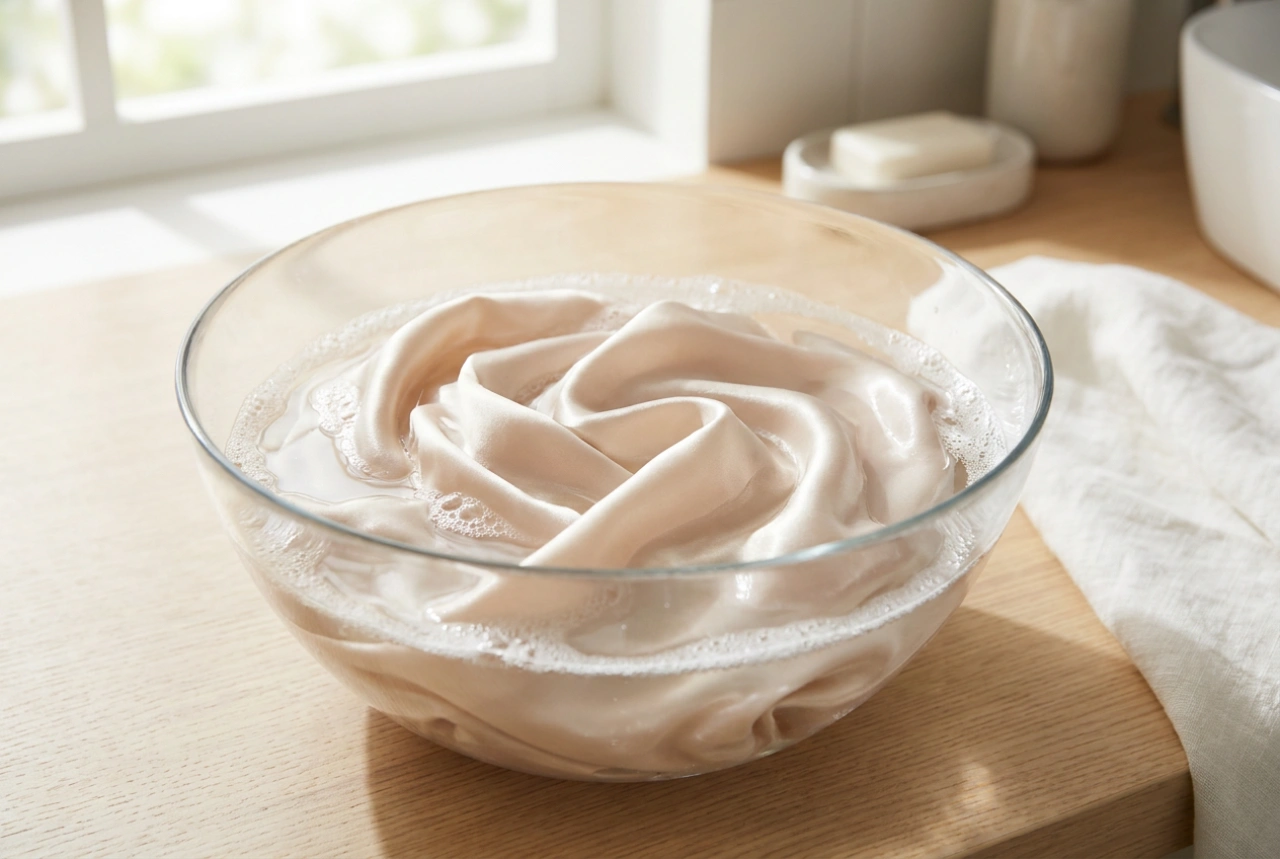
- Water Preparation: Fill a clean basin with lukewarm water, keeping the temperature strictly at or below 30°C.
- Detergent Dispersion: Add a small amount of neutral liquid detergent to the water and stir thoroughly before introducing the garments. This ensures the surfactants are fully diluted and evenly distributed.
- Gentle Agitation: Submerge the garments. Instead of scrubbing or twisting, gently squeeze the soapy water through the fabric fibers. This mechanical movement lifts soils without snapping fine elastane threads.
- Thorough Rinsing: Drain the soapy water and rinse the garments multiple times in clean, cold water until all traces of surfactant residue are removed. Residue left on the fabric can cause skin chafing and accelerate the yellowing of white fabrics.
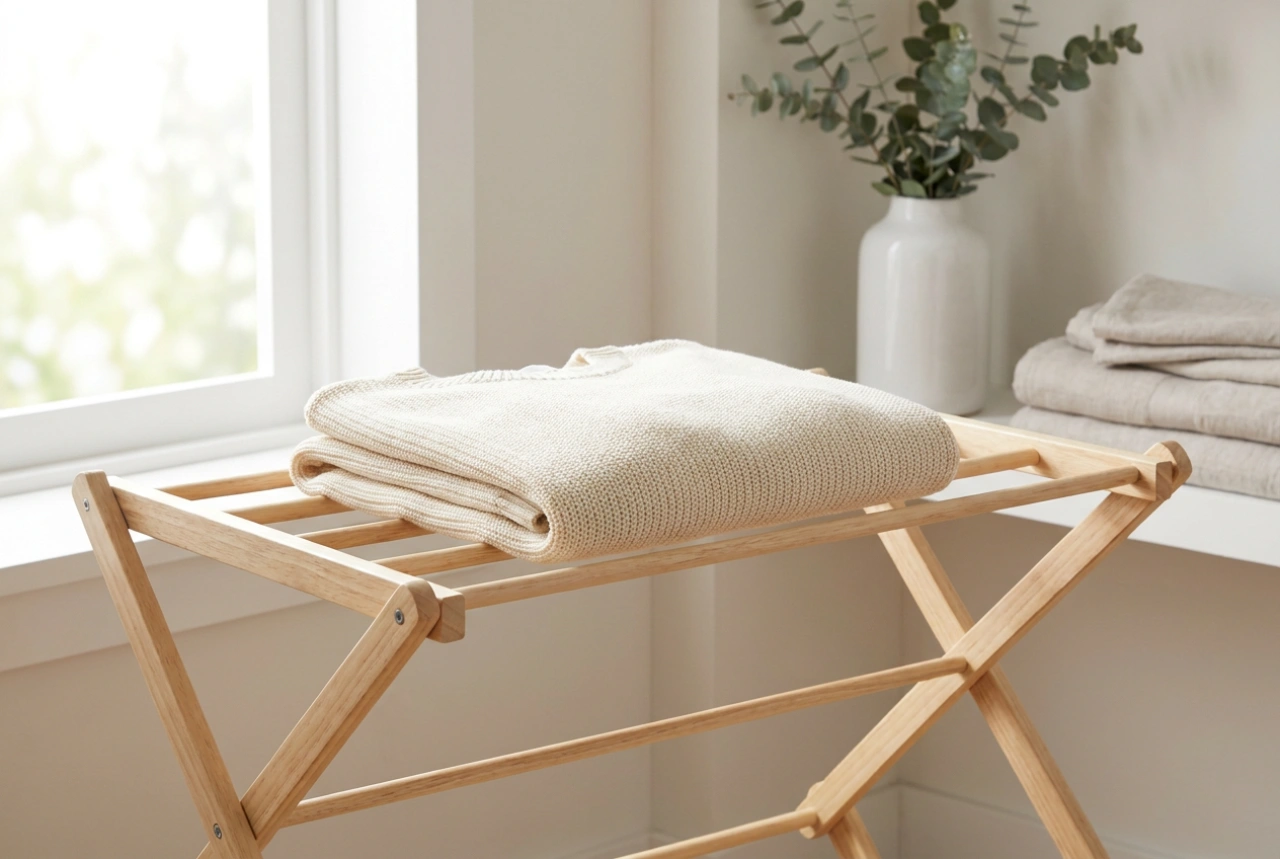
- Drying: Lay the damp underwear between two clean towels and press gently to extract excess moisture. Never wring the fabric, and always air dry away from direct heat sources.