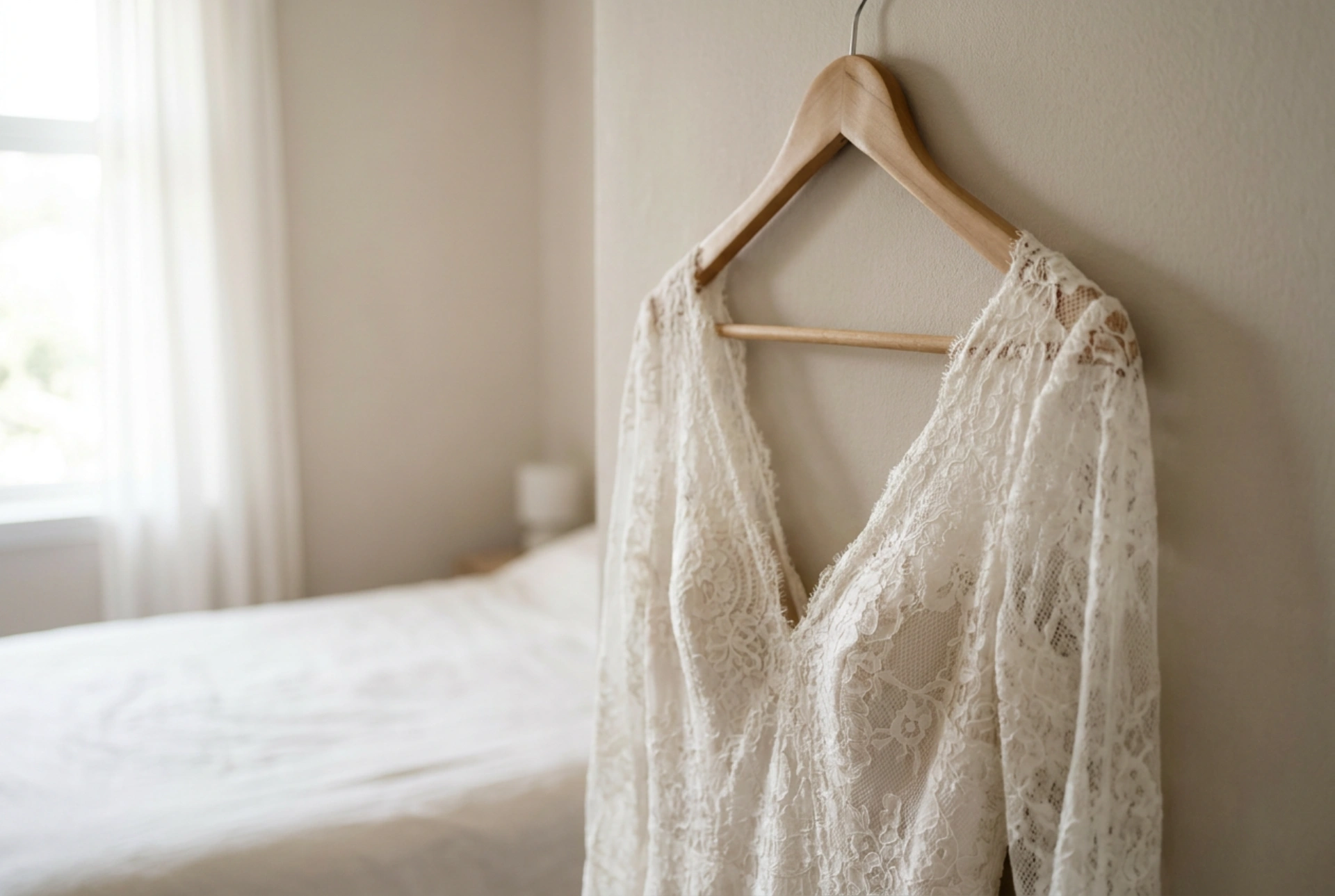


Successfully preserving a wedding gown requires immediate action and a fundamental understanding of textile chemistry to prevent permanent yellowing and fiber degradation. Proper treatment after the wedding ensures that delicate laces, silks, and synthetic polymers remain pristine for decades to come.
Understanding Stain Chemistry: The Invisible Threat
Many of the most damaging stains on a wedding dress are invisible immediately after the event. Perspiration, white wine, and sweet carbonated drinks contain organic compounds, specifically proteins and sugars. Over time, these compounds undergo an oxidation process similar to a sliced apple turning brown. When exposed to oxygen, light, and heat, the sugars caramelize, turning into stubborn, dark yellow or brown patches that bond chemically with the fibers.
To combat this, stains must be classified into two main categories before cleaning:
- Water-soluble stains: Sweat, wine, grass, and food. These require an aqueous solution with mild surfactants to break the surface tension of the water and lift the particles away.
- Oil-soluble stains: Makeup, lipstick, perfume, and body oils. These require a solvent or a lipophilic surfactant that can encapsulate the hydrophobic grease molecules and suspend them in water.
Fabric Behavior: Silk vs. Synthetics
Different textile fibers respond uniquely to cleaning agents, mechanical force, and temperature. Identifying the material of the gown is critical to selecting the correct cleaning methodology:
Natural Silk
Silk is a natural protein fiber. It is highly sensitive to high temperatures, alkaline substances, and friction. Strong alkaline detergents will degrade the protein structure, stripping its natural sheen and weakening the threads. Silk should only be treated with pH-neutral agents in lukewarm water under 30 degrees Celsius. Wetting silk can also cause temporary loss of fiber strength, making extreme care necessary during handling.
Synthetic Fibers
Polyester and nylon are synthetic polymers. They are highly durable and resistant to water-based shrinkage, but they are lipophilic, meaning they actively attract and hold onto grease and oils. While synthetic gowns can tolerate wet cleaning and mild mechanical agitation better than silk, they require targeted surfactants to fully release oil-based stains from the plastic-like fibers.
The Safe Cleaning Protocol: Hand-Washing and Spot Treatment
For gowns suitable for wet cleaning, a systematic approach prevents mechanical damage to delicate layers of lace, tulle, and beadwork:
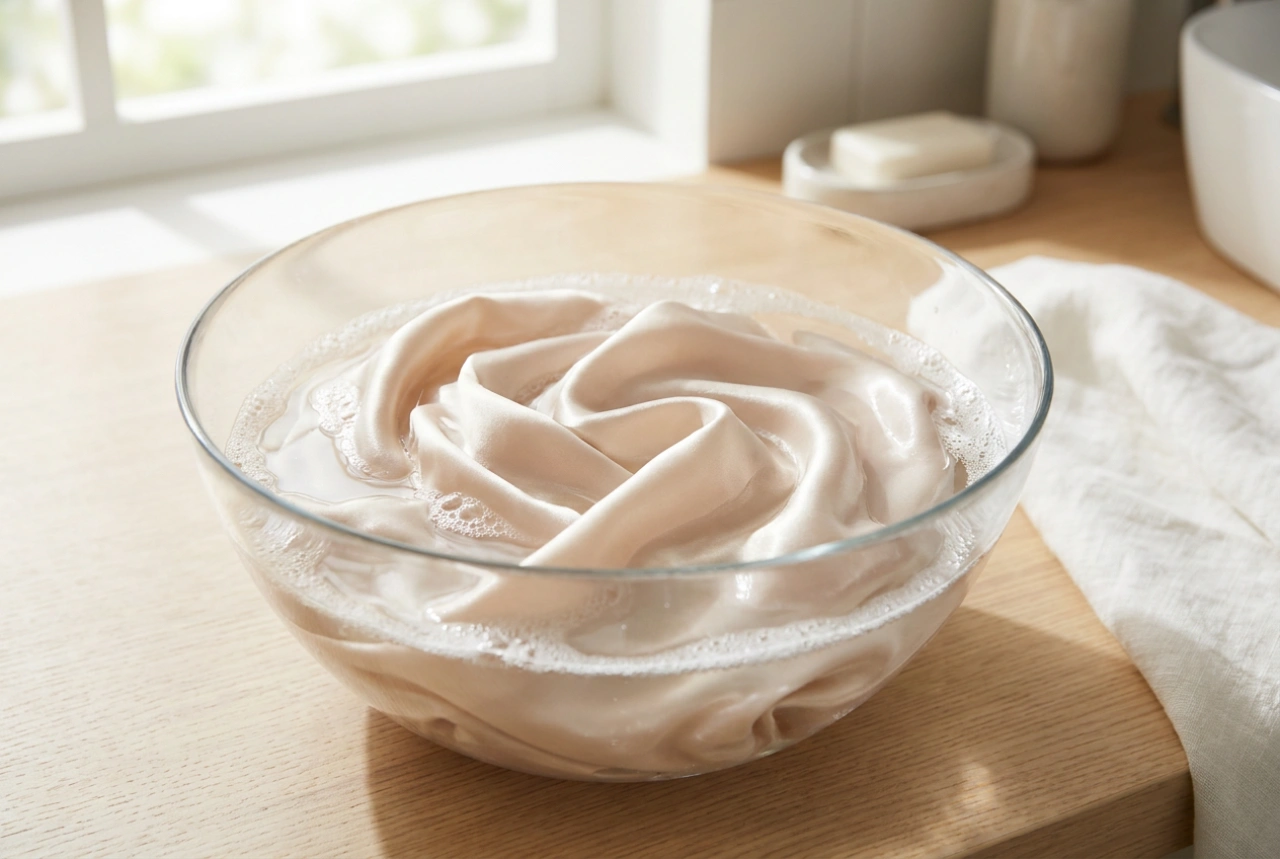
- Step 1: Hem Treatment. The hem is usually the dirtiest part. Soak only the hem in a shallow bath of lukewarm water with a dissolved, color-safe surfactant. Let it sit for thirty minutes to loosen dirt without rubbing.
- Step 2: Spot Blotting. Never scrub delicate lace or satin. Use a clean, white microfiber cloth dipped in a diluted, pH-neutral solution. Gently press the cloth onto the stain, moving from the outside of the stain inward to prevent it from spreading.
- Step 3: Thorough Rinsing. Surfactant residues left in the fabric will act as a magnet for dust and will accelerate yellowing during storage. Rinse the gown multiple times with clean, cold water until no suds or slick residues remain.
The Physics of Preservation: Proper Storage
Once the gown is completely dry, which should be done flat and away from direct sunlight or heat sources to prevent thermal yellowing, it must be prepared for long-term storage. The physical environment is critical.
Never store a wedding dress in a plastic garment bag. Plastic bags, especially those made of PVC, release chemical gases over time that react with fabrics, causing rapid yellowing. Plastic also traps ambient moisture, creating a microclimate ripe for mildew and mold growth.
Instead, use acid-free, pH-neutral tissue paper to wrap the gown and pad the bodice, sleeves, and folds. This prevents sharp creases that can fracture fragile fibers under stress. Place the padded gown inside a breathable, acid-free cardboard preservation box or wrap it in a clean, washed cotton muslin sheet. Store the container in a dark, dry space with a stable temperature, away from damp basements or hot attics.