

Optimising a large wall-to-wall wardrobe requires more than just sorting clothes by colour; it demands a systematic layout based on ergonomics, weight distribution, and fabric preservation. By understanding the physics of accessibility and the mechanical needs of different textiles, you can design a highly functional storage system that protects your wardrobe and streamlines your daily routine.
The Science of Vertical Zoning: Ergonomics and Gravity
To maximise efficiency, a wardrobe must be divided vertically into distinct access zones based on the natural movement of the human body. The most critical area is the "active zone," located between the thighs and the eyes (approximately 70 to 160 centimetres from the floor). This zone requires no bending or stretching, making it the ideal location for daily wear, such as work trousers, shirts, and frequently worn dresses.
Gravity and physical effort dictate the placement of other items. The "heavy lower zone" (from the floor to 70 centimetres) is reserved for shoes, heavy storage boxes, and dense items. Placing heavy objects low prevents physical strain and lowers the centre of gravity of the wardrobe structure itself. Conversely, the "light upper zone" (above 160 centimetres) should contain seasonal items, spare bedding, and lightweight travel gear. Because warm, dry air naturally rises in a room, the highest shelves are prone to low humidity, which is excellent for dry-storing synthetic down or cotton bedding, but requires woollens to be sealed in breathable garment bags to prevent fibre desiccation.
Hanging vs. Folding: Protecting Fibre Integrity
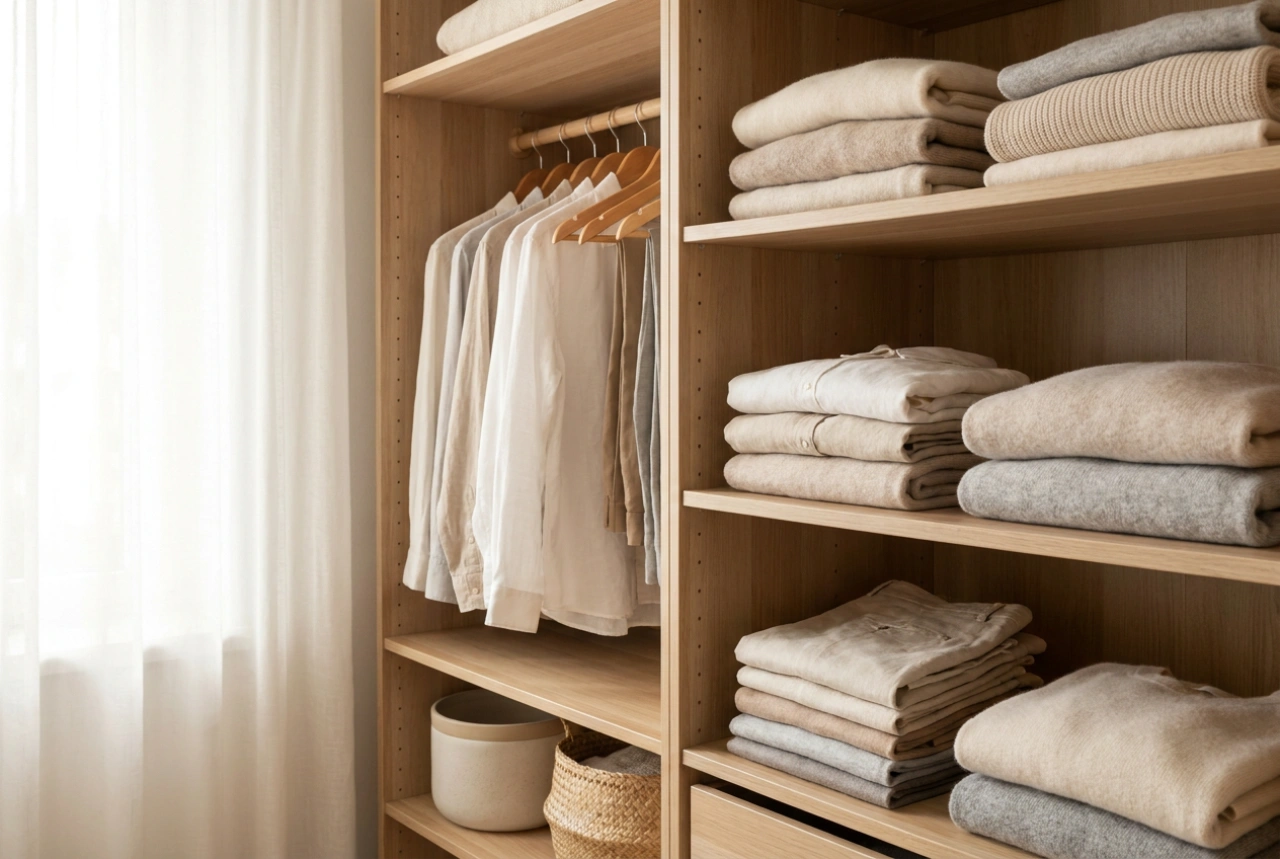
Organising a wardrobe is an exercise in material science. Different textile structures react uniquely to gravitational tension and compression. Suspended storage is essential for woven fabrics such as linen, silk, and wool suits. Hanging these garments allows the natural drape of the weave to release wrinkles over time, using the weight of the fabric itself to pull the fibres straight.
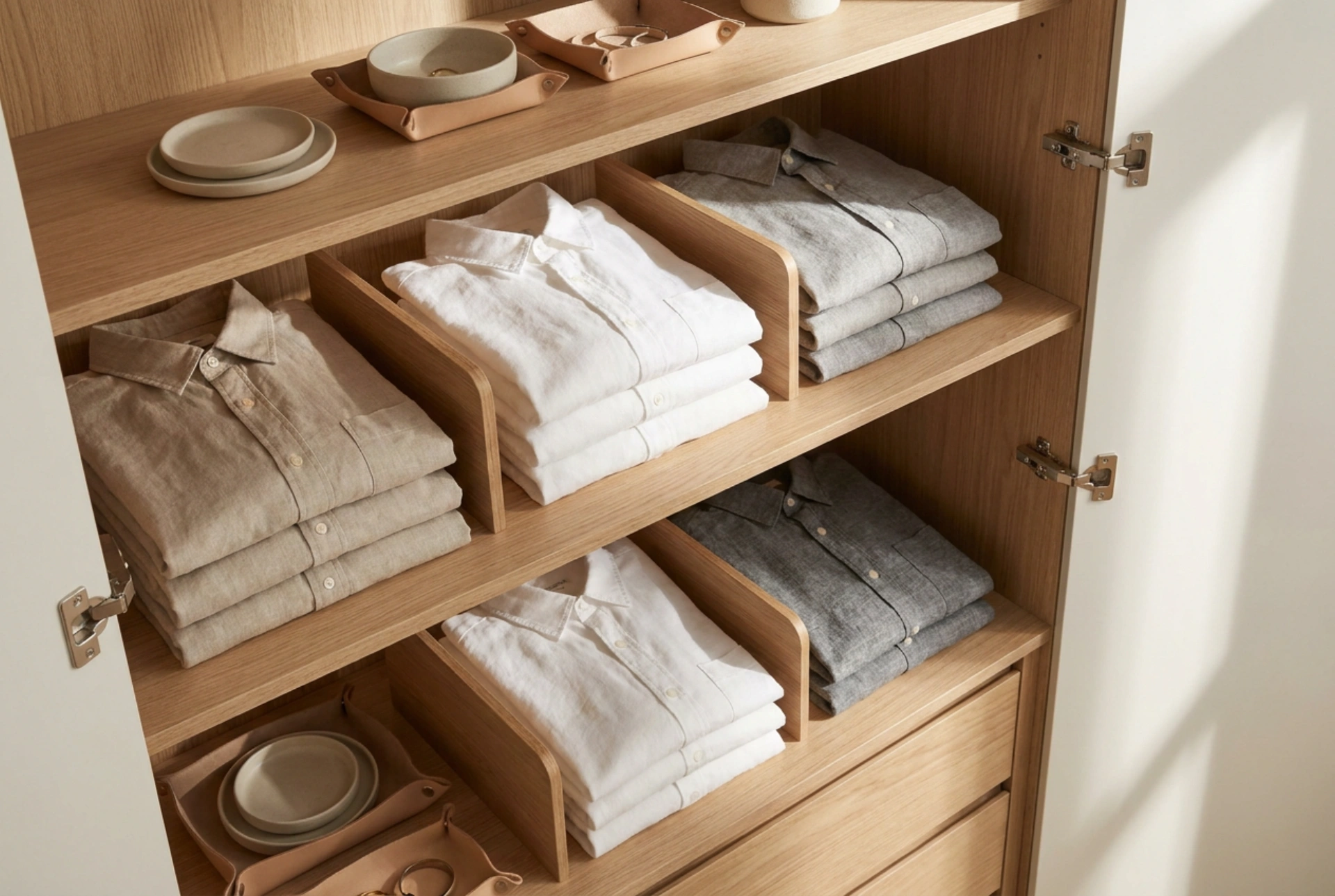
However, knitted fabrics—such as cashmere, merino wool, and heavy cotton t-shirts—must never be hung. The looped structure of knits makes them highly elastic; hanging them concentrates gravity on the shoulders, leading to irreversible stretching, misshapen necklines, and weakened seams. These garments should be stored flat. Folded items should be stacked by density, with heavy denim and thick cottons at the bottom of the pile and delicate silks or light knits on top, preventing the bottom items from being crushed and losing their loft.
Micro-Zoning and Airflow Dynamics
A common error in large wardrobe design is over-packing shelves, which restricts airflow. Stagnant air trapped behind closed doors can lead to micro-climates of high humidity, particularly against external walls. This moisture accumulation encourages the growth of microscopic mould spores and musty odours. To prevent this, implement a strict "80% capacity rule" for all shelves and drawers, leaving a gap of at least 5 centimetres between the top of a stack and the shelf above.
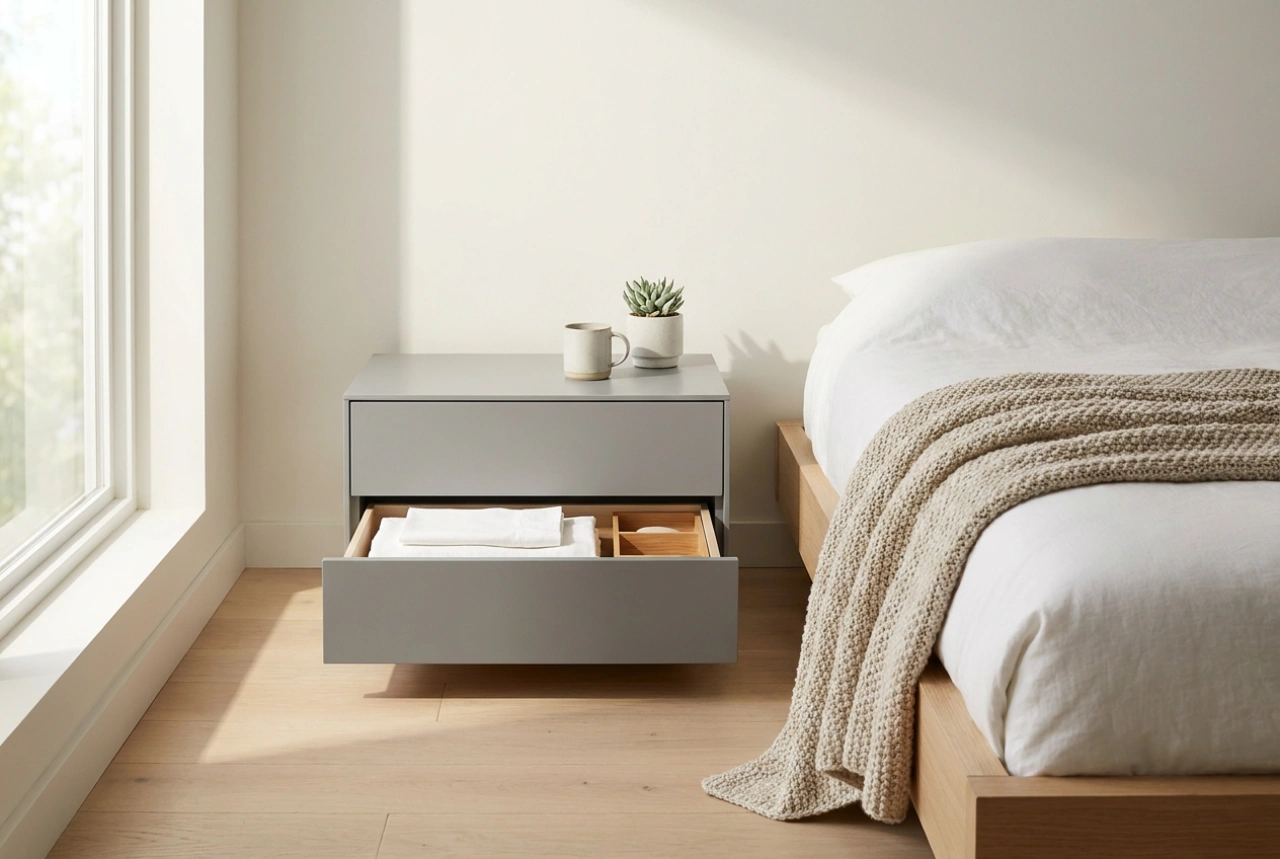
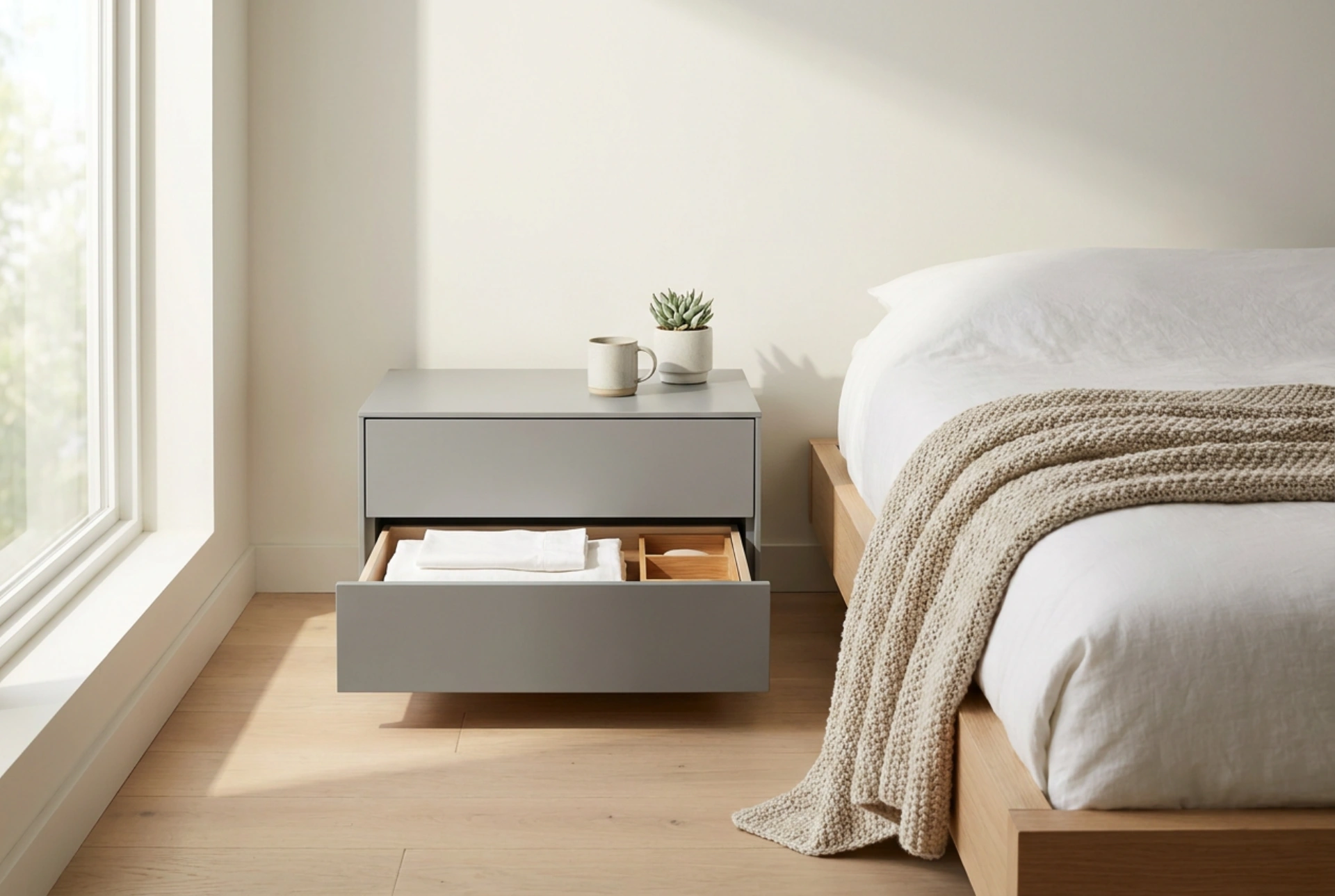
Using physical dividers within drawers and shelves is highly effective for micro-zoning. Raw wooden dividers, such as untreated cedar, provide a dual benefit: they physically separate different categories of clothing while absorbing excess ambient moisture and releasing natural phytoncides that deter textile pests. When folding shirts and activewear, organising them vertically (file-folding) rather than horizontally allows you to see every item at once, eliminating the friction of pulling an item from the bottom of a stack and disrupting the entire structure.
Depth Management and Drawer Mechanics
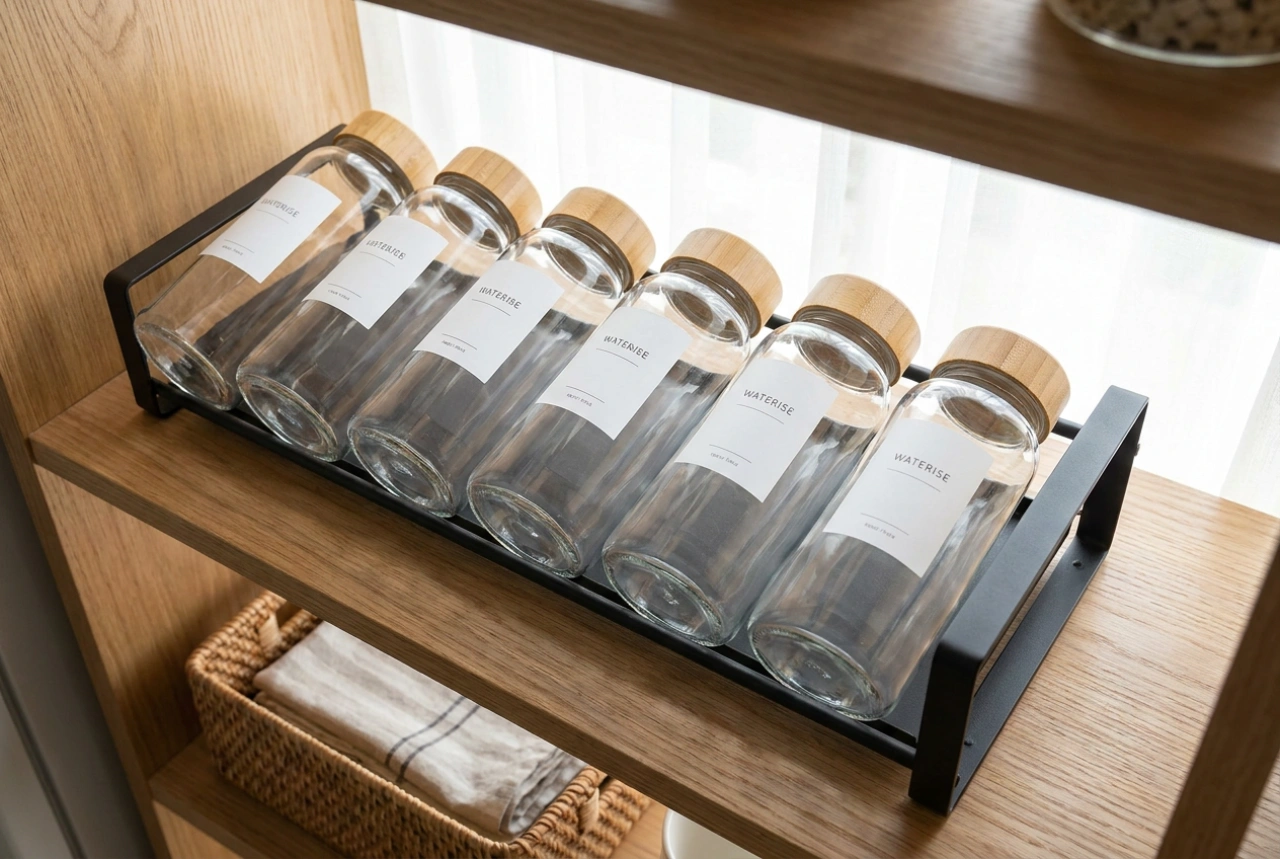
Wall-to-wall wardrobes typically feature a depth of 60 centimetres to accommodate standard clothes hangers. While ideal for hanging, this depth is highly inefficient for open shelving, as items placed at the back become invisible and inaccessible. To resolve this, deep zones should be converted into fully-extractable drawers or pull-out trays. Pull-out mechanisms bring the entire depth of the storage unit into the light, utilising 100% of the volume without requiring you to reach blindly into dark corners. For remaining deep shelves, group smaller items in breathable canvas baskets that can be pulled out like drawers, preserving the system's order and ensuring complete visibility of your inventory.