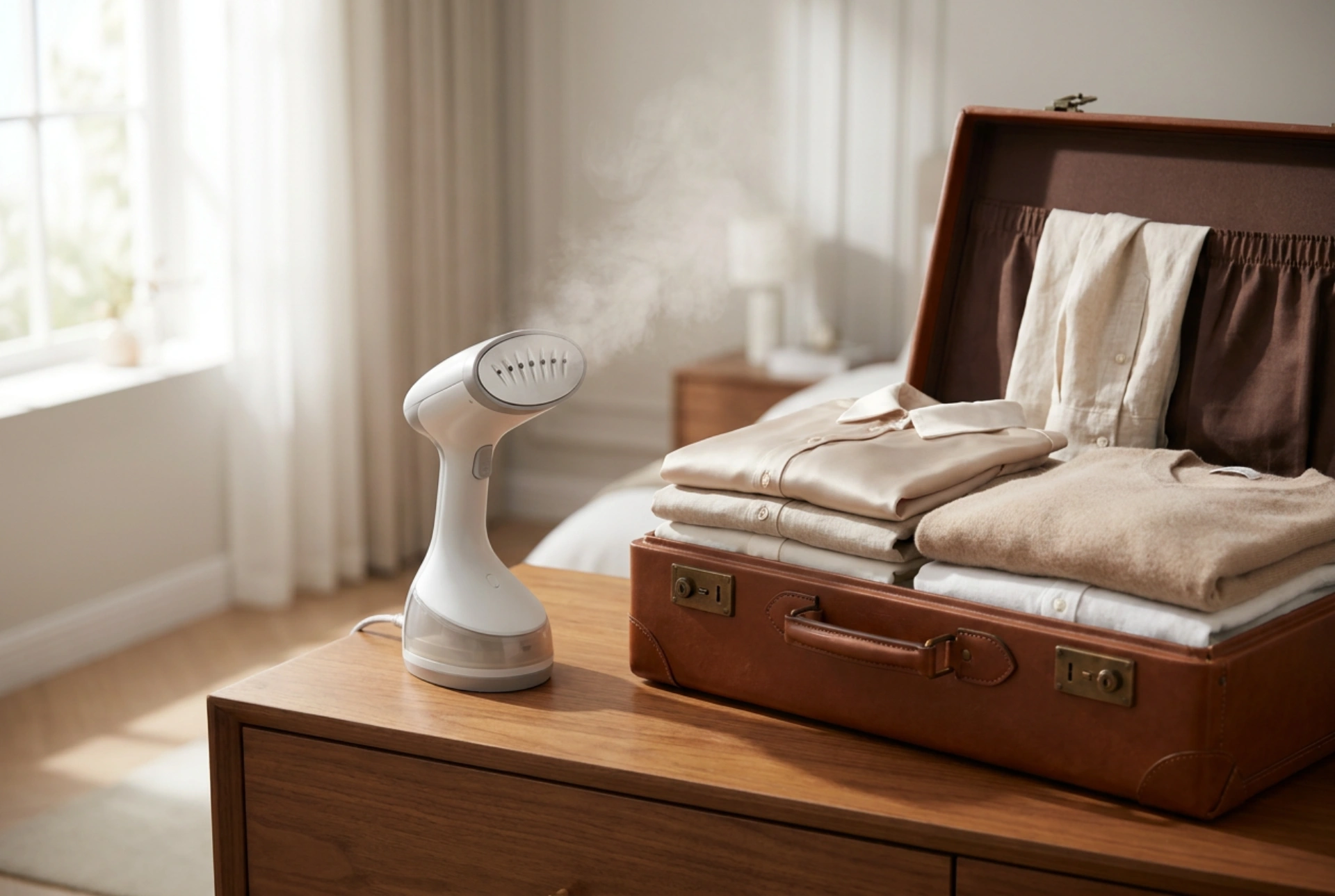


Packing garments into a confined suitcase inevitably subjects fabrics to pressure and friction, disrupting their molecular structure and leaving deep creases. Understanding how to utilize a travel garment steamer and employing scientific packing methods can restore the neat appearance of your wardrobe on any journey.
The Physics of Wrinkling: Why Fabrics Crease in Transit
Fabric fibers, particularly natural ones like cotton, linen, and wool, are held together by hydrogen bonds at a molecular level. When clothes are folded and compressed in a suitcase, the combination of physical pressure, residual moisture, and shifting temperatures forces these polymer chains to break and reform in distorted positions. This lock-in of bent fibers is what we perceive as a crease. Synthetic materials like polyester behave similarly under pressure, although their thermoplastic nature makes them more resilient to cold wrinkling but highly susceptible to heat-induced creasing.
The Role of Heat and Moisture: How Steam Restores Fibers
A travel garment steamer works by introducing localized heat and high-temperature water vapor to the compressed fabric. When steam penetrates the fibers, it temporarily breaks the weak hydrogen bonds holding the crease in place. The moisture relaxes the fiber structure, making it highly pliable. As the fibers loosen, gravity combined with gentle manual tension pulls them back into their original, straight alignment. Once the fabric cools and the moisture evaporates, the hydrogen bonds reform in this relaxed state, permanently removing the wrinkle.
A Step-by-Step Guide to Effective On-the-Go Steaming
Achieving professional results with a compact travel steamer requires a systematic approach, focusing on fabric tension, distance, and movement order.
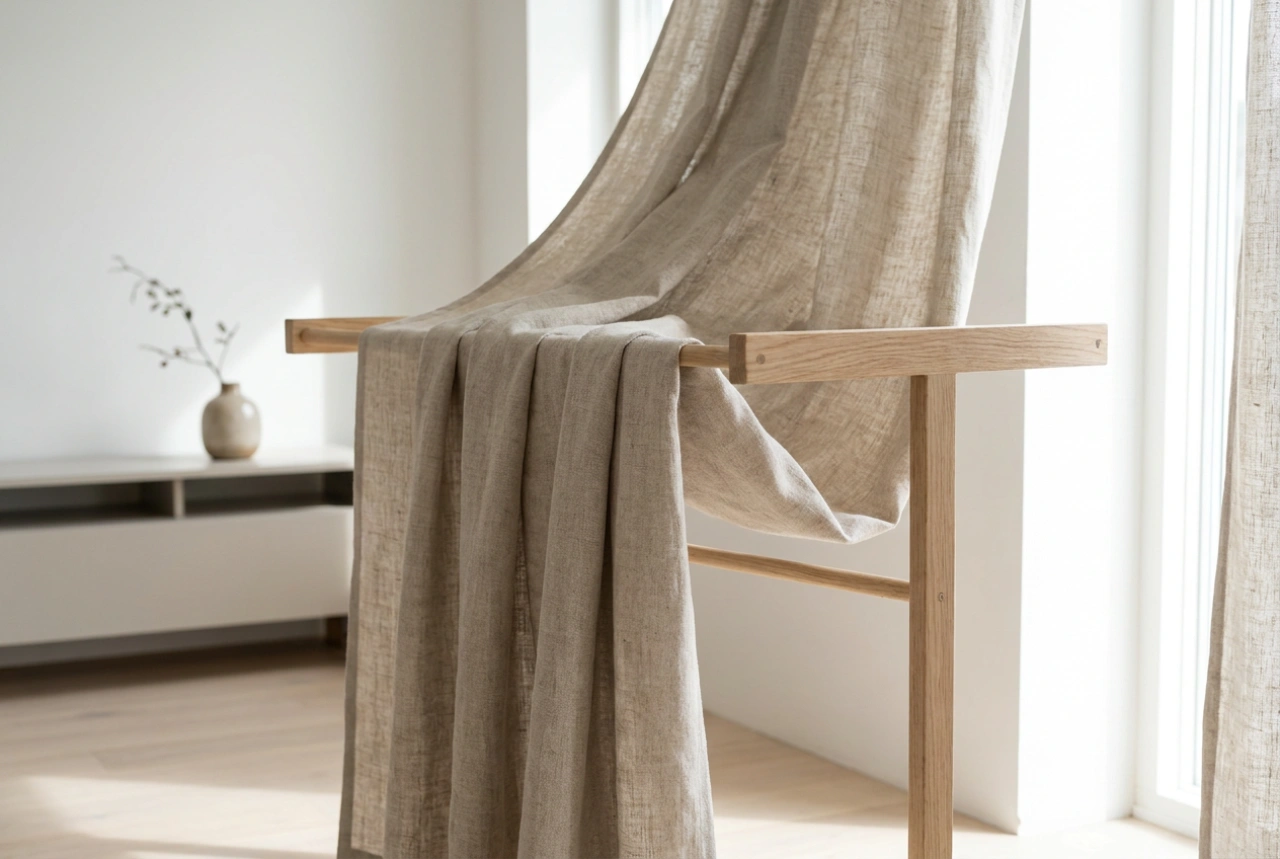
- Hang the garment securely: Always hang the item on a sturdy hanger. This allows gravity to assist in pulling the fabric downward as the steam relaxes the fibers.
- Create tension: Gently pull the hem of the garment downward with one hand to create a flat, taut surface. Be cautious not to pull too hard on delicate knits to avoid stretching the fabric out of shape.
- Apply the correct motion: Place the steamer head lightly against the fabric (for durable materials like cotton and linen) and move it in slow, vertical downward strokes. Never hold the steamer in one spot for too long, as excess moisture can saturate the fibers and cause water spots.
- Observe fabric rules: For delicate materials like silk or fine synthetics, hold the steamer head approximately two to three centimeters away from the surface. Alternatively, steam from the inside of the garment to protect the face of the fabric.
- Allow to dry and cool: Do not wear or pack a freshly steamed garment immediately. The fibers are still warm and slightly damp; wearing them right away will instantly create new creases. Let the garment hang for ten minutes until it is fully dry and cool.
Preventative Packing: Minimizing Creases Before You Leave
While a travel steamer is an excellent reactive tool, minimizing friction and pressure during packing reduces the overall effort required upon arrival. Implementing physical barriers and strategic folding can preserve fabric integrity.
The Rolling Technique
Rolling garments instead of folding them eliminates the sharp creases caused by hard folds. This method distributes stress evenly across the fabric and minimizes the volume of air trapped between layers, which reduces shifting during transport.
Interleaving with Tissue Paper
Placing sheets of acid-free tissue paper between layers of delicate clothing, such as silk shirts or formal dresses, reduces surface-to-surface friction. When the suitcase moves, the slippery texture of the paper allows the garments to slide against each other rather than catching and bending into stubborn folds.