

Washing high-tech membrane apparel requires a precise balance of temperature, mechanical movement, and chemistry to avoid clogging the microporous structure or stripping away the vital water-repellent coating.
The Science Behind Waterproof Membranes
To clean membrane clothing effectively, one must first understand its physical structure. Most high-performance outdoor jackets rely on either a microporous membrane (typically expanded polytetrafluoroethylene, or PTFE) or a hydrophilic membrane (usually polyurethane, or PU). Microporous membranes contain billions of microscopic pores per square centimetre. These pores are roughly 20,000 times smaller than a water droplet, preventing rain from entering, but about 700 times larger than a water vapour molecule, allowing sweat to escape. Hydrophilic membranes work on a chemical level, absorbing moisture from the inside and moving it along polymer chains to the drier exterior. Both systems rely on a clean surface to function, but standard laundry practices can easily compromise this mechanism.
How Standard Detergents Damage Membranes
Standard household laundry detergents are designed to clean everyday cottons and synthetics by leaving behind optical brighteners, fragrances, and softening agents. For membrane fabrics, these additives are highly destructive. Fabric softeners work by coating fibres with a thin layer of lubricating chemicals (typically cationic surfactants), which clogs the microscopic pores of PTFE membranes and coats the hydrophilic surfaces of PU membranes. This layer acts as a barrier to water vapour, trapping sweat inside and making the garment feel damp. Furthermore, conventional powder detergents often contain insoluble zeolites or builders that can physically lodge inside the pores, causing permanent damage and ruining the fabric’s breathability.
Selecting the Correct Washing Agent
When selecting a cleaning agent for technical apparel, purity is paramount. Avoid all powder detergents, fabric softeners, and biological formulas containing enzymes that can degrade the polyurethane coatings and taped seams. Instead, choose a mild, liquid-based synthetic surfactant or a pure liquid soap formulation specifically designed for technical wear. These agents are formulated to lift dirt and body oils without leaving behind a chemical residue that attracts moisture. If special technical washes are unavailable, a delicate liquid detergent free of enzymes, optical brighteners, perfumes, and softeners can be used in highly diluted quantities.
Optimising the Wash Cycle and Temperature
Mechanical stress during washing can delaminate the membrane layers or peel back the heat-welded tape used to seal the seams. Follow these step-by-step guidelines for a safe wash cycle:
- Preparation: Close all zips, hook-and-loop fasteners, and pocket flaps. This prevents metal teeth and rough surfaces from abrading the delicate face fabric of the membrane jacket. Turn the garment inside out to protect the outer Durable Water Repellent (DWR) finish.
- Temperature Control: Set the washing machine to a gentle or synthetic cycle at 30°C or a maximum of 40°C. High heat can weaken the adhesives holding the seams together.
- Spin Speed: Reduce the spin speed to 400 to 600 RPM. High spin speeds subject the rigid membrane structure to excessive folding and creasing, which can lead to micro-fractures in the waterproof barrier.
The Necessity of the Extra Rinse and DWR Activation
Even mild detergents can impair breathability if they remain in the fabric. Always configure the washing machine to run an extra rinse cycle to flush out any lingering surfactant molecules. Once the wash is complete, do not wring out the garment; let it air dry away from direct heat sources.
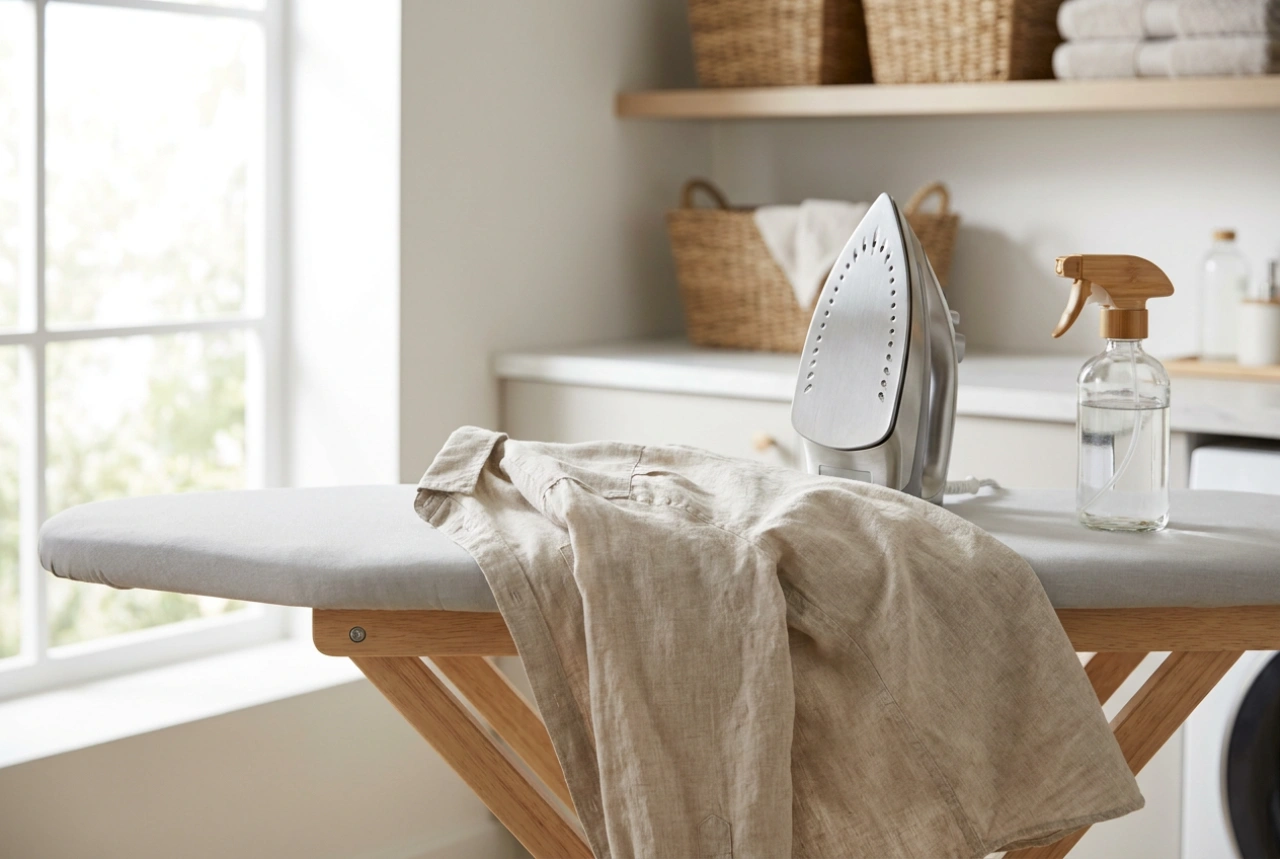
After drying, the outer water-repellent layer (DWR) must be reactivated. DWR works via microscopic, needle-like polymer structures on the fabric surface that force water to bead up and roll off rather than soaking into the face fabric. When dirty or heavily laundered, these microscopic needles lie flat. Gentle heat application re-aligns these polymers. Tumble dry the dry garment on a low heat setting for 20 minutes, or place a clean towel over the dry garment and iron it on a warm, steam-free setting. This simple thermal treatment restores the hydrophobic tension, ensuring your gear continues to shield you from the elements.