

Refreshing and pressing a structured wool suit requires a careful balance of moisture, heat, and pressure to avoid flattening delicate fibers or creating permanent shine. Understanding how natural fibers react to temperature allows you to maintain the shape and longevity of your tailoring without frequent, harsh dry cleaning.
The Structure of Wool: Why Heat and Moisture Matter
Most premium suits are constructed from wool, a natural protein fiber made of keratin. Wool fibers have a natural crimp and are covered in microscopic scales. When you wear a suit, physical movement, humidity, and body heat temporarily alter the hydrogen bonds within the fiber structure, leading to wrinkles and sagging in high-stress areas like the elbows and knees. Introducing controlled moisture relaxes these temporary bonds, allowing the wool to return to its natural, resilient state.
However, applying direct, dry heat from a household iron can scorch the fibers or fuse the microscopic scales flat. This flattening is what creates the dreaded shiny patches on lapels, seams, and trousers. To safely manipulate the fabric, you must use moisture as a heat-transfer medium, protecting the physical structure of the weave.
How to Deodorise and Refresh Suit Fibres Safely
Frequent washing or dry cleaning strips wool of its natural lanolin, making the fabric brittle over time. Instead, you can neutralise odours and remove minor creases using simple physical and chemical principles at home:
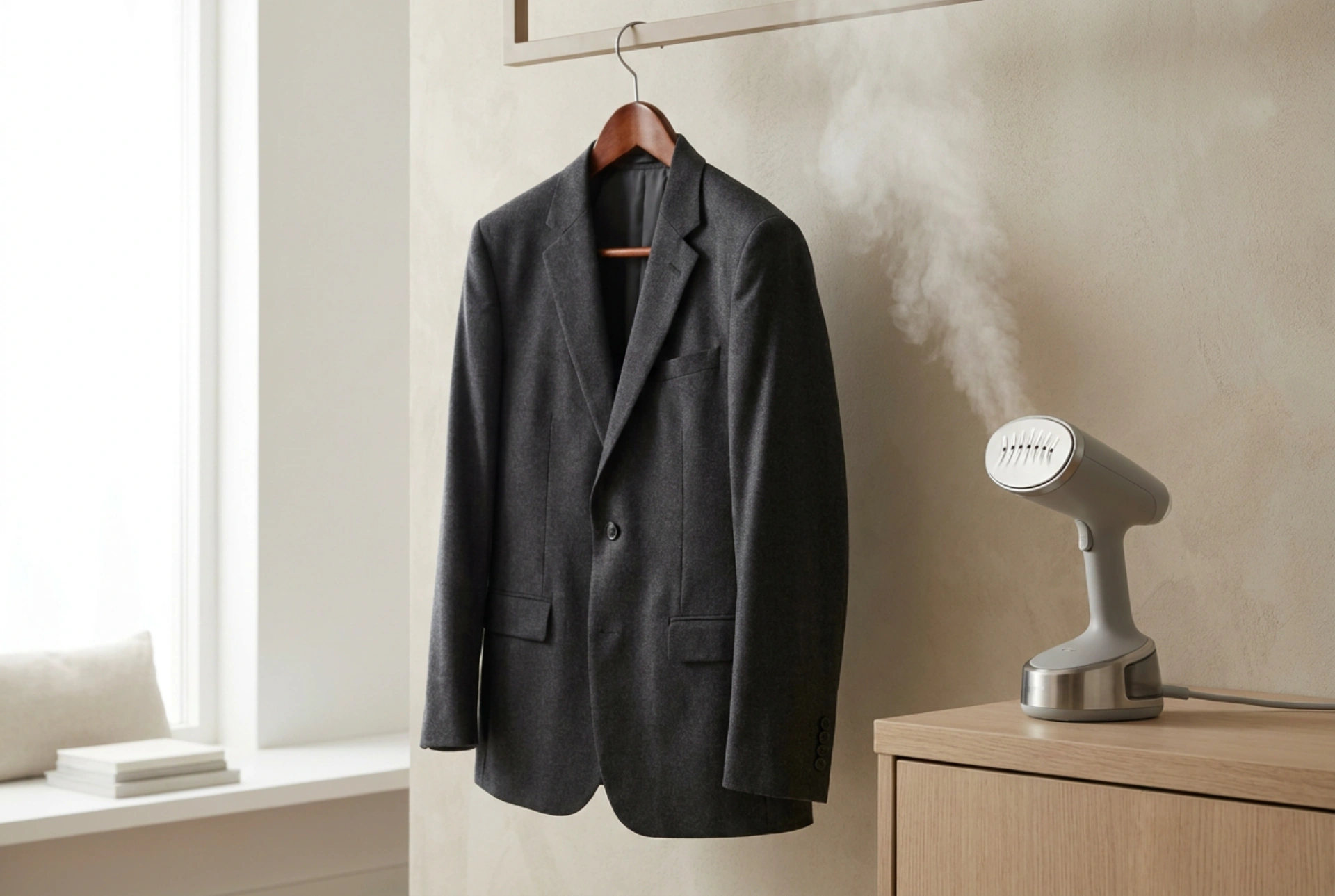
- Steam suspension: Hang the suit on a contoured wooden hanger in a humid environment, or use a handheld garment steamer. The hot water vapour penetrates the wool fibers, causing them to swell and release trapped odour molecules and wrinkles. Always steam from a distance of 10 to 15 centimetres to prevent water spotting.
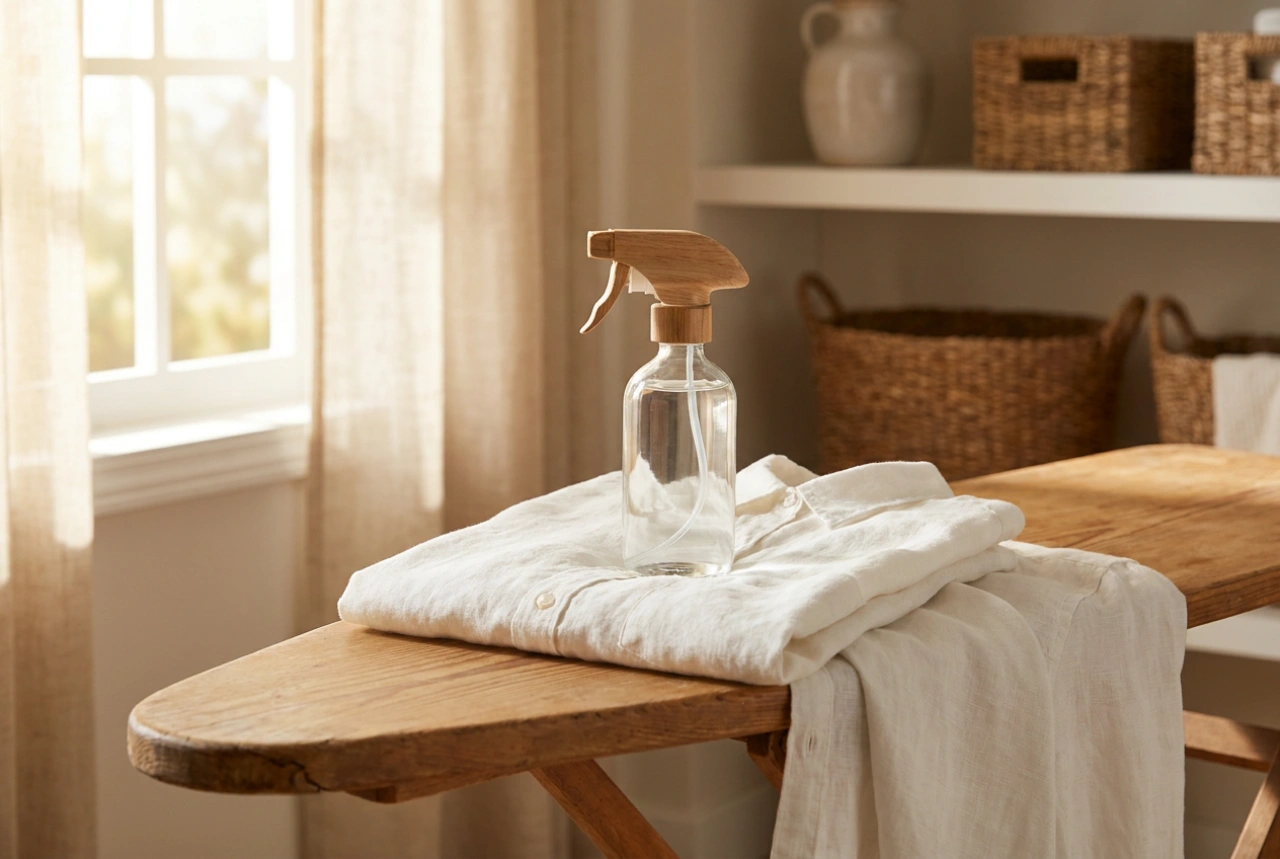
- Alcohol misting: For localized odours in the lining, lightly mist the area with a solution of equal parts distilled water and high-purity isopropyl alcohol. Alcohol evaporates rapidly, carrying away odour-causing bacteria and volatile organic compounds without leaving residue or altering the wool shell.
- Brushing: Use a natural wild boar bristle clothes brush after every wear. Brushing in a downward motion releases trapped dust, skin cells, and loose soil before they can settle deep into the weave and cause abrasive wear.
The Safe Ironing Technique: Pressing, Not Sliding
When ironing trousers or restoring the sharp crease of a lapel, you must use a method that minimises friction and direct contact. Sliding a hot iron across wool stretches the fabric and deforms the internal canvas layers, which are often made of horsehair or cotton interlining. To iron safely, follow this sequence:
1. Use a Pressing Cloth
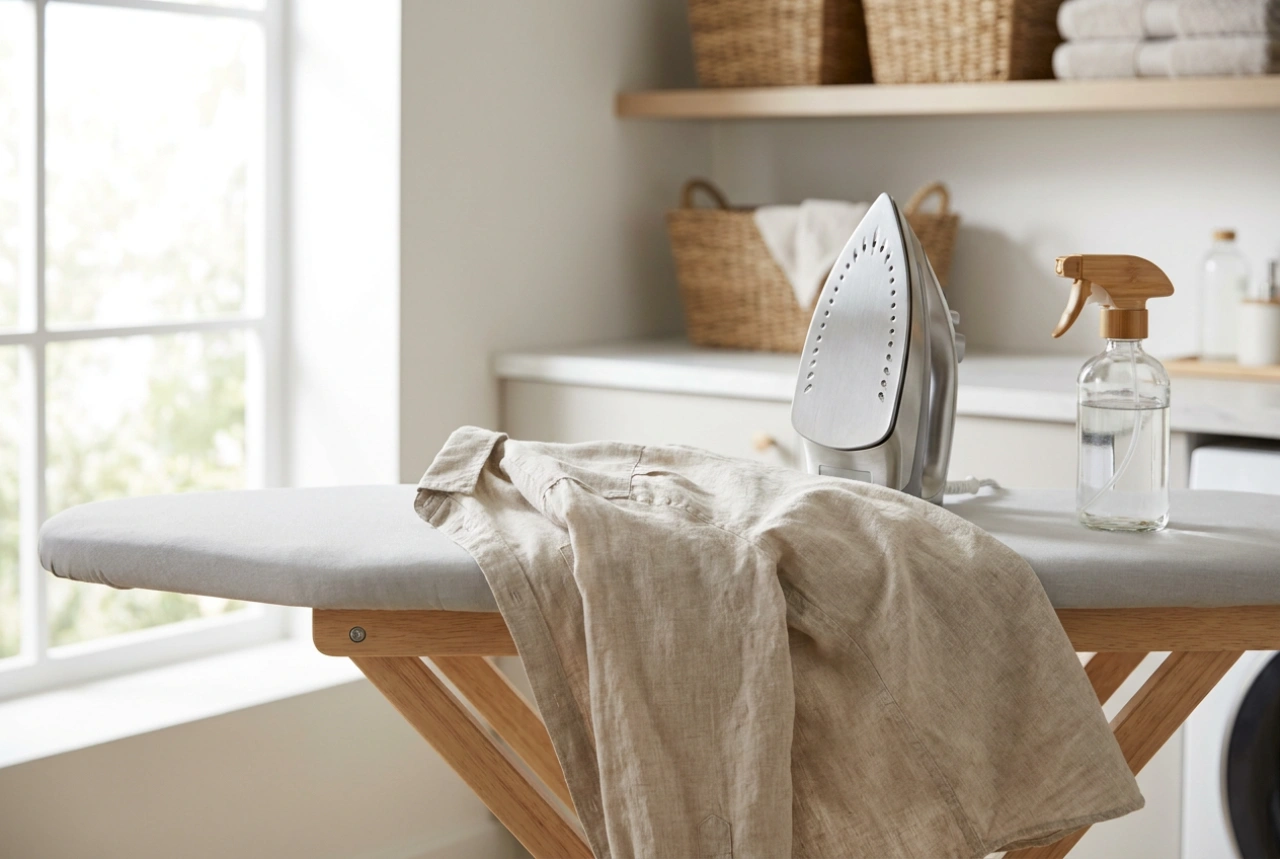
Never let the soleplate of the iron directly touch the suit fabric. Place a clean, damp, unbleached cotton or linen cloth over the target area. The damp cloth acts as a barrier, turning the dry heat of the iron into steam before it reaches the wool, while protecting the fibers from direct thermal contact.
2. Apply the Press-and-Lift Movement
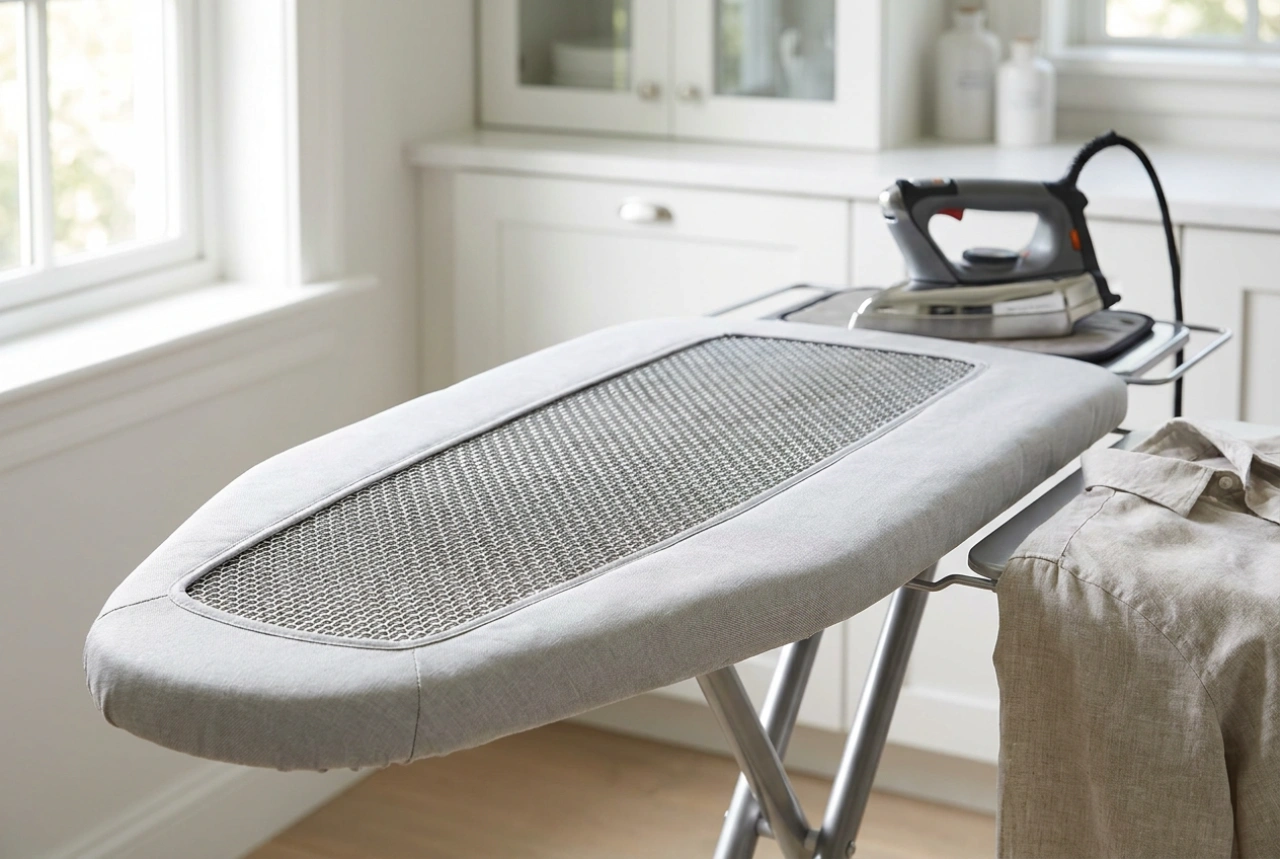
Set your iron to the dedicated wool temperature setting, typically around 150 degrees Celsius. Instead of sliding the iron back and forth, lower it onto the pressing cloth, apply firm vertical pressure for three to five seconds, and then lift it completely. Move to the next section and repeat. This technique sets the fabric shape without stretching the weave.
3. Handle Internal Structure with Care
When pressing the jacket, avoid pressing directly over pockets, internal linings, or canvas layers, as this can transfer the outline of the internal seams to the exterior fabric. Slide a rolled cotton towel inside the sleeves or under the shoulders to act as a curved support, preserving the three-dimensional drape of the garment.