

Water stains and tide marks on fabric car seats occur when dissolved dirt migrates to the outer edges of a wet patch as it dries. Eliminating this problem requires a systematic approach based on fabric capillary physics, uniform moisture distribution, and proper extraction techniques.
The Physics of Tide Marks on Fabric
When you spot-clean a fabric seat, you introduce moisture to a localized area. This moisture dissolves embedded dust, oils, and microscopic dirt trapped within the weave. As the water evaporates from the outer edges of the wet patch first, it pulls the dissolved dirt along with it via capillary action. When the remaining water finally evaporates at the boundary where wet meets dry, it leaves behind a concentrated ring of soil and mineral deposits. To prevent these unsightly rings, you must treat the entire fabric panel from seam to seam rather than just spot-cleaning, ensuring there is no dry-wet boundary where dirt can accumulate.
Why Distilled Water and the Right Surfactants Matter
Tap water contains dissolved minerals like calcium and magnesium. When tap water dries on fabric, these minerals crystallize, contributing to stiff fibers and white outlines. Utilizing distilled or demineralized water eliminates mineral deposits entirely. For the cleaning agent, choose a low-residue, neutral pH surfactant or oxygen-based fabric cleaner. Surfactants lower the surface tension of water, allowing it to penetrate the fibers and encapsulate oily soils. However, excessive soap will remain trapped in the fibers, attracting fresh dirt rapidly. A lean dilution of a non-foaming upholstery shampoo or a mild fabric cleaner is sufficient to break the chemical bonds holding dirt to the polyester or nylon fibers.
Pre-Cleaning preparation: Dry Soil Extraction
The most critical step in avoiding stains during wet cleaning is removing as much dry debris as possible beforehand. Dust, pet dander, and road grit turn into mud when they come into contact with water. Use a vacuum cleaner equipped with a crevice tool and a stiff-bristle upholstery brush. Agitate the fabric with the brush in multiple directions to loosen deeply embedded particles from the base of the weave, while vacuuming simultaneously. Pay close attention to seams, folds, and the crevice where the seat back meets the cushion, as these are primary accumulation zones for dry soil.
The Seam-to-Seam Cleaning Protocol
To ensure a uniform dry rate and prevent capillary migration of dirt, clean the seat using a systematic, panel-by-panel method.
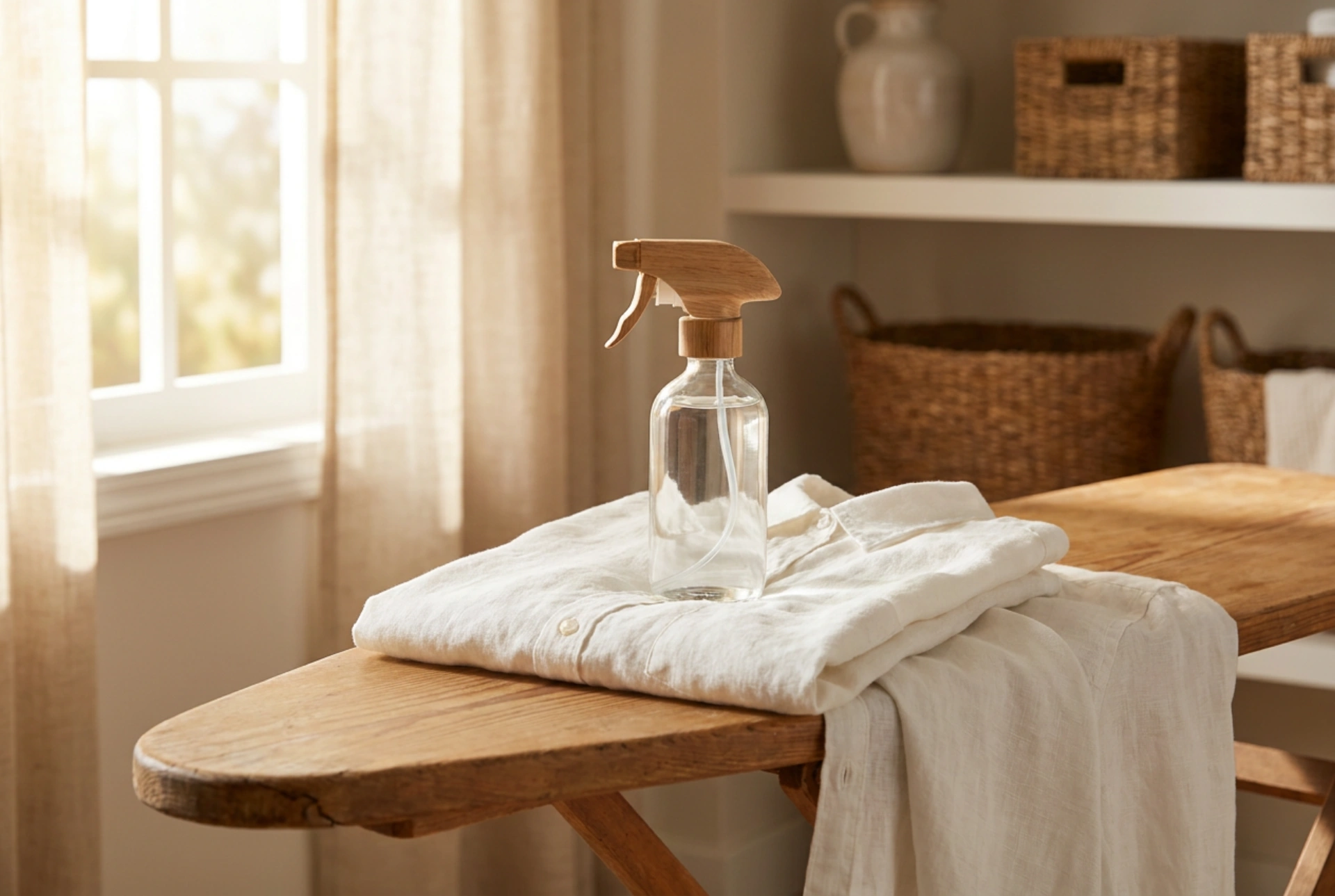
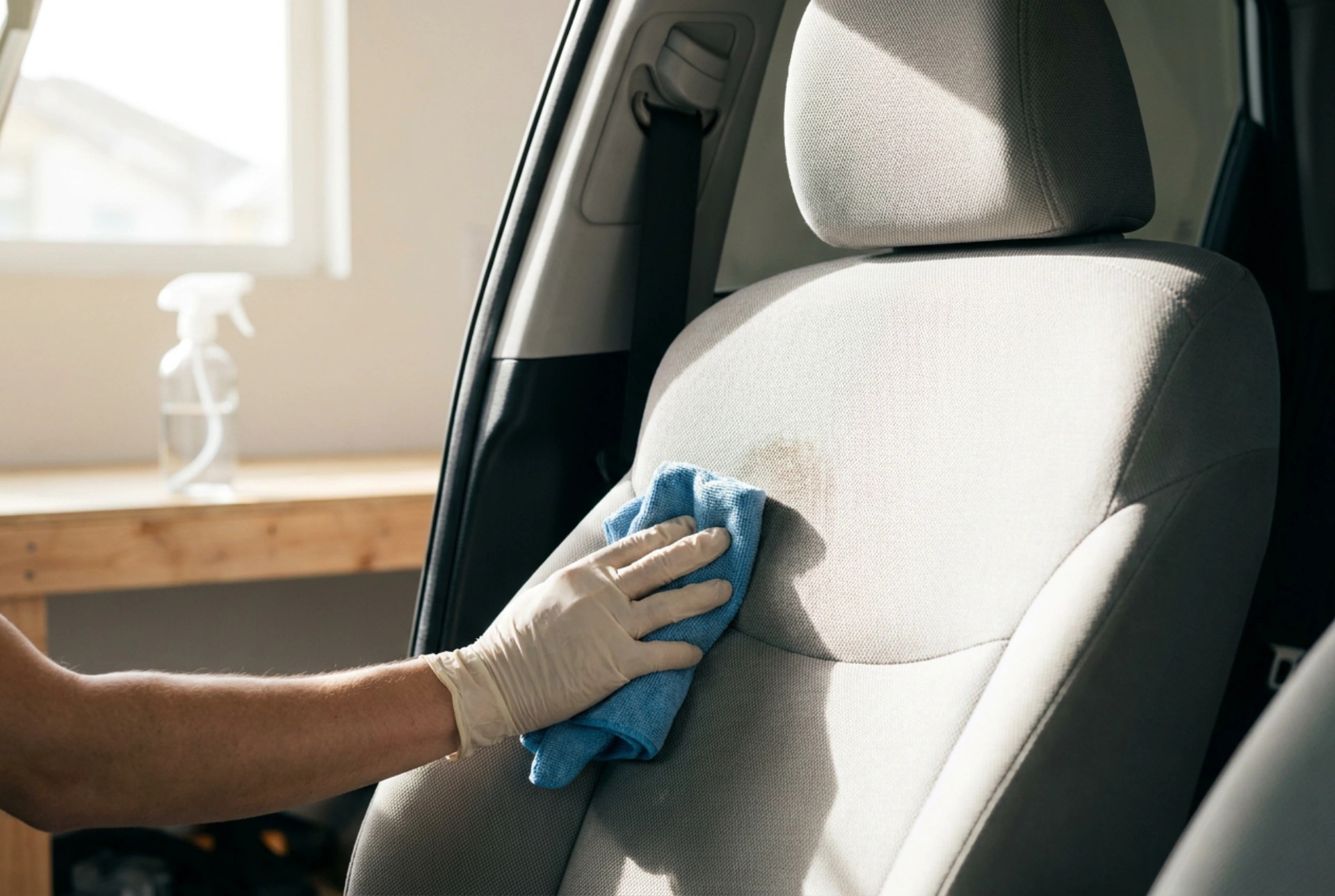
- Mist, do not saturate: Apply your cleaning solution using a fine-mist spray bottle. The fabric should feel slightly damp, never soaked. Excess water penetrates the polyurethane foam padding underneath, which takes days to dry and can lead to musty odours.
- Agitate gently: Work the solution into the fibers using a soft-bristled horsehair brush or a clean upholstery sponge. Move the brush in circular, overlapping patterns to lift the encapsulated dirt to the surface.
- Extract and blot: Immediately press a dry, clean, high-density microfiber towel firmly against the damp fabric. Rotate the towel frequently to a dry section to draw moisture and suspended dirt out of the seat. Avoid aggressive scrubbing with the towel, which can fray delicate fabric fibers; instead, use firm, blotting pressure.
Managing the Drying Environment
Once the panel is cleaned and blotted, rapid and even drying is essential to prevent any residual moisture from wicking dirt back up to the surface. Lower the vehicle's relative humidity by opening the doors or windows in a well-ventilated, dry garage or outdoor space. If cleaning during colder or highly humid seasons, position an auxiliary fan inside the vehicle to circulate air across the seats, or run the car's heater with the air conditioning active (which acts as a dehumidifier) to pull moisture out of the cabin air. Do not sit on the seats until they are completely dry to the touch to prevent crushing the wet fibers and sealing in any remaining dampness.