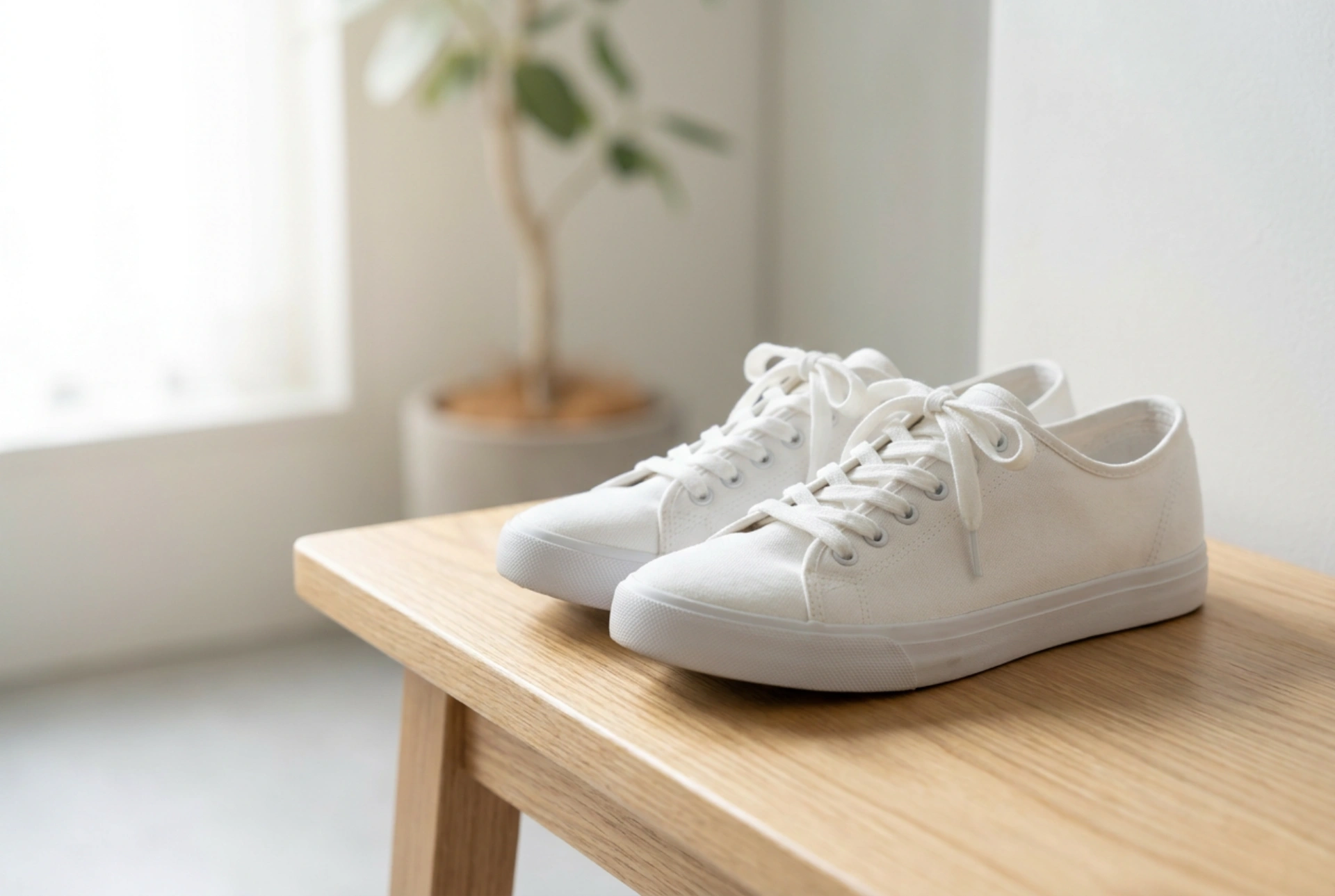


Yellow or brownish stains appearing on fabric shoes after washing are a common frustration, caused by a combination of capillary action, mineral deposits, and residual detergents. Understanding the physical and chemical processes during the drying cycle allows you to eliminate these unsightly rings and prevent them from recurring.
The Science Behind Drying Stains: Why Do They Form?
To solve the problem of post-wash staining, it is essential to understand the physics of drying. When fabric shoes—especially canvas or mesh trainers—are wet, they contain water mixed with trace amounts of laundry detergent, fabric softener, and dissolved minerals from tap water, such as calcium and magnesium carbonates. As the shoe dries, water evaporates from the outermost fibres first.
This evaporation creates a moisture gradient, triggering capillary action. Water from deep within the cushioning, structural padding, and seams is drawn outward to replace the evaporated moisture at the surface. As this water migrates, it carries dissolved soap residues and minerals along with it. When the water finally evaporates from the outer fabric surface, it leaves behind these concentrated solids, resulting in the characteristic yellow or brown tide marks.
The Paper Towel Technique: Diverting Capillary Action
The most effective physical method to prevent water stains on freshly washed shoes is to redirect the capillary flow. You can achieve this by wrapping the wet shoes tightly in plain, white, unprinted paper towels or tissue paper immediately after washing.
- The mechanism: The highly absorbent paper acts as an extension of the shoe's fabric. Instead of evaporating at the canvas surface, the water travels further into the paper wrapper.
- The result: The dissolved minerals and detergent residues bypass the shoe's outer surface entirely, depositing themselves onto the paper towel instead. When the shoes are completely dry, you simply peel away the yellowed paper, leaving the footwear spotless.
- Application tip: Stuff the inside of the shoes tightly with white paper to maintain their shape and absorb moisture from the inside, then wrap the exterior securely, ensuring there are no air gaps between the fabric and the paper.
Chemical Neutralisation of Existing Stains
If stains have already dried and set, simple water rinsing will often make them worse by repeating the capillary cycle. Instead, you must neutralise the chemical compounds causing the discolouration.
Mild Acidic Rinsing
Most laundry detergents are highly alkaline. If not rinsed thoroughly, these alkaline residues react with atmospheric oxygen and heat, turning yellow. Mild acids, such as citric acid or white vinegar, neutralise these residues and dissolve mineral build-up.
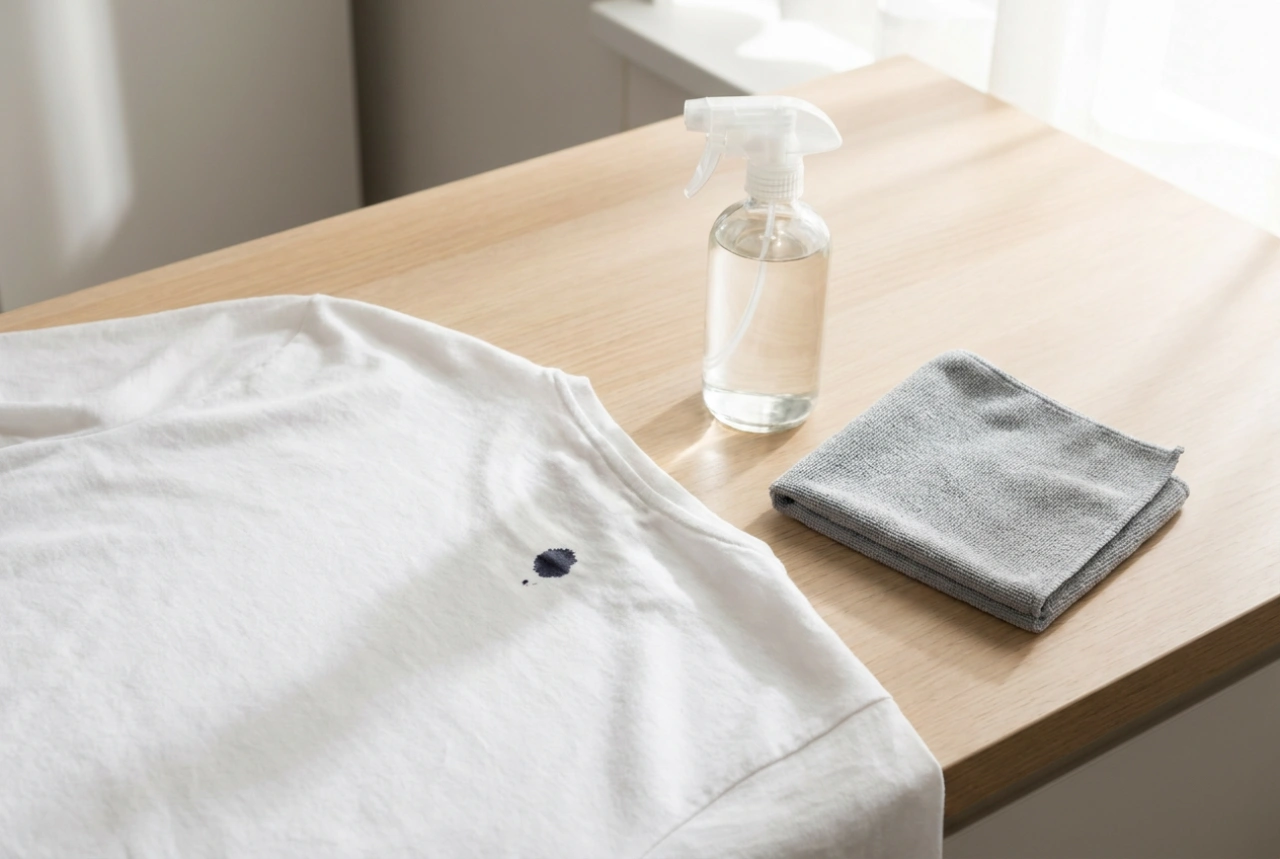
To apply this, mix a solution of one part white vinegar to two parts lukewarm water. Dab the stained areas gently with a clean microfibre cloth soaked in the solution. The acid breaks the bonds of the mineral salts and alkaline soap molecules, making them water-soluble again so they can be blotted away.
Oxygen-Based Bleaching
For stubborn stains on white canvas, oxygen bleach (sodium percarbonate) is highly effective. When dissolved in warm water, sodium percarbonate decomposes into sodium carbonate and hydrogen peroxide. The active oxygen breaks down the chemical double bonds responsible for the yellow colour, rendering them colourless without degrading the structural integrity of the textile fibres as chlorine bleach would.
Optimising the Washing and Drying Process
Prevention starts during the washing phase. Ensuring thorough rinsing is critical; always run an extra rinse cycle to strip away any remaining surfactants. When drying, avoid placing shoes near direct heat sources like radiators or in direct sunlight. Rapid, uneven heating accelerates evaporation in specific areas, intensifying capillary action and causing severe concentrated staining. Instead, dry shoes in a well-ventilated, shaded area at room temperature, ideally suspended so air can circulate freely around all surfaces.