

Ballpoint pen ink is a complex formulation of synthetic dyes, pigments, resins, and oily organic solvents, making it highly resistant to standard water-based washing. Removing these stubborn marks from different textiles requires a targeted chemical approach that breaks down the binding resins without destroying the underlying fabric fibres.
The Science of Ink Solubility: Why Water Fails
To successfully remove a ballpoint pen stain, one must understand the principle of "like dissolves like". Most ballpoint inks are oil-based or glycol-based, designed to dry rapidly upon contact with paper. Because these pigments are hydrophobic, water alone cannot dissolve them; instead, water can cause the resins to set permanently into the weave of the fabric. To break these bonds, you must introduce an organic solvent that matches the polarity of the ink's carrier medium. Isopropyl alcohol (rubbing alcohol) or denatured ethanol are highly effective because they rapidly dissolve the polymers and resins holding the pigment molecules together, suspending them so they can be physically lifted away.
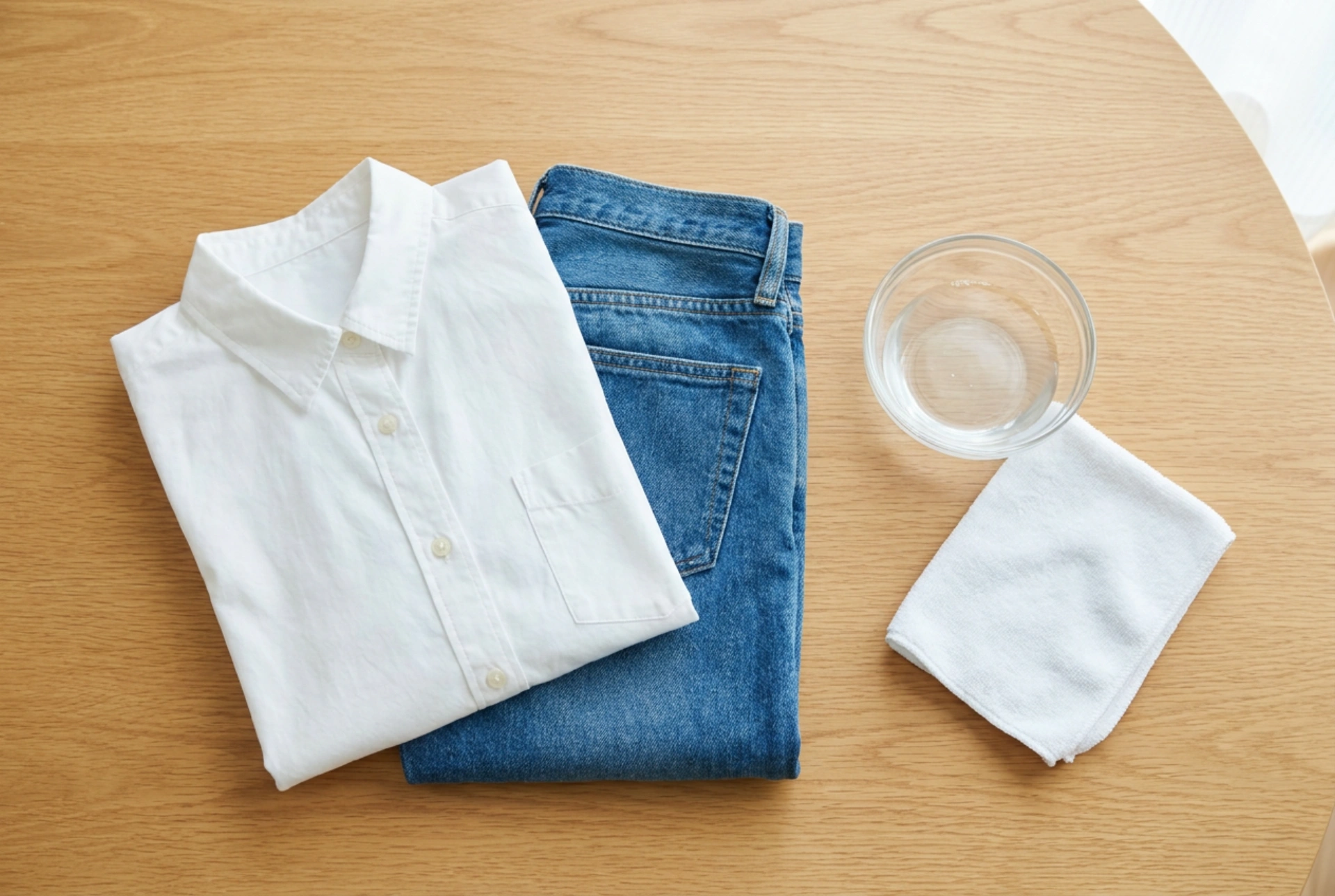
Step-by-Step: Removing Ink Stains from Cotton Shirts
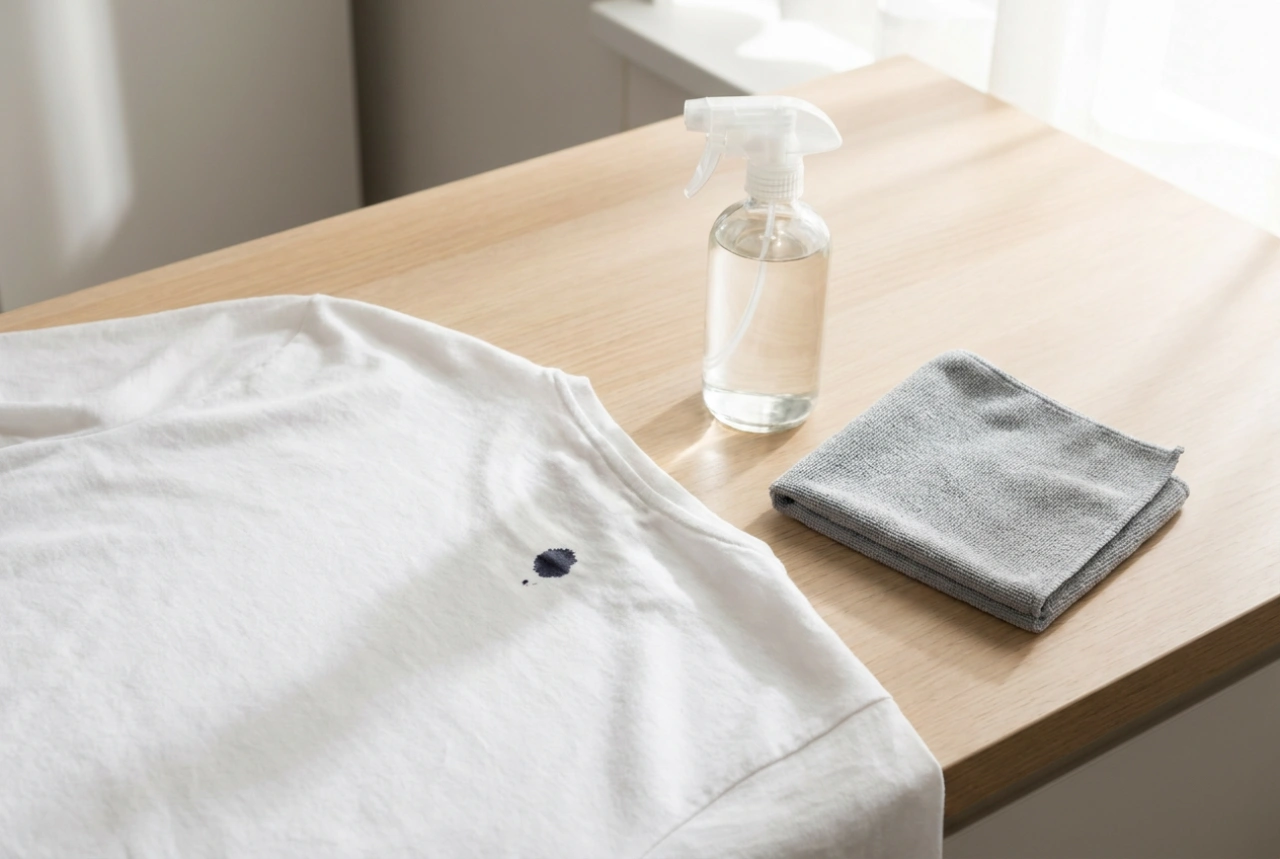
Fine-weave cotton shirts require a gentle, precise technique to avoid spreading the dissolved pigment into a larger, permanent shadow. Never rub the fabric vigorously, as this pushes the microscopic ink particles deeper into the cotton lumen.
- Step 1: Isolate the stain. Place a clean, white, absorbent cotton cloth or several layers of paper towels directly beneath the stained section of the shirt. This acts as a sink, drawing the dissolved ink downwards through capillary action.
- Step 2: Solvent application. Dip a cotton swab in high-concentration isopropyl alcohol (90% or higher). Gently press the swab onto the reverse side of the stain first, pushing the ink out the way it entered, rather than deeper into the fabric.
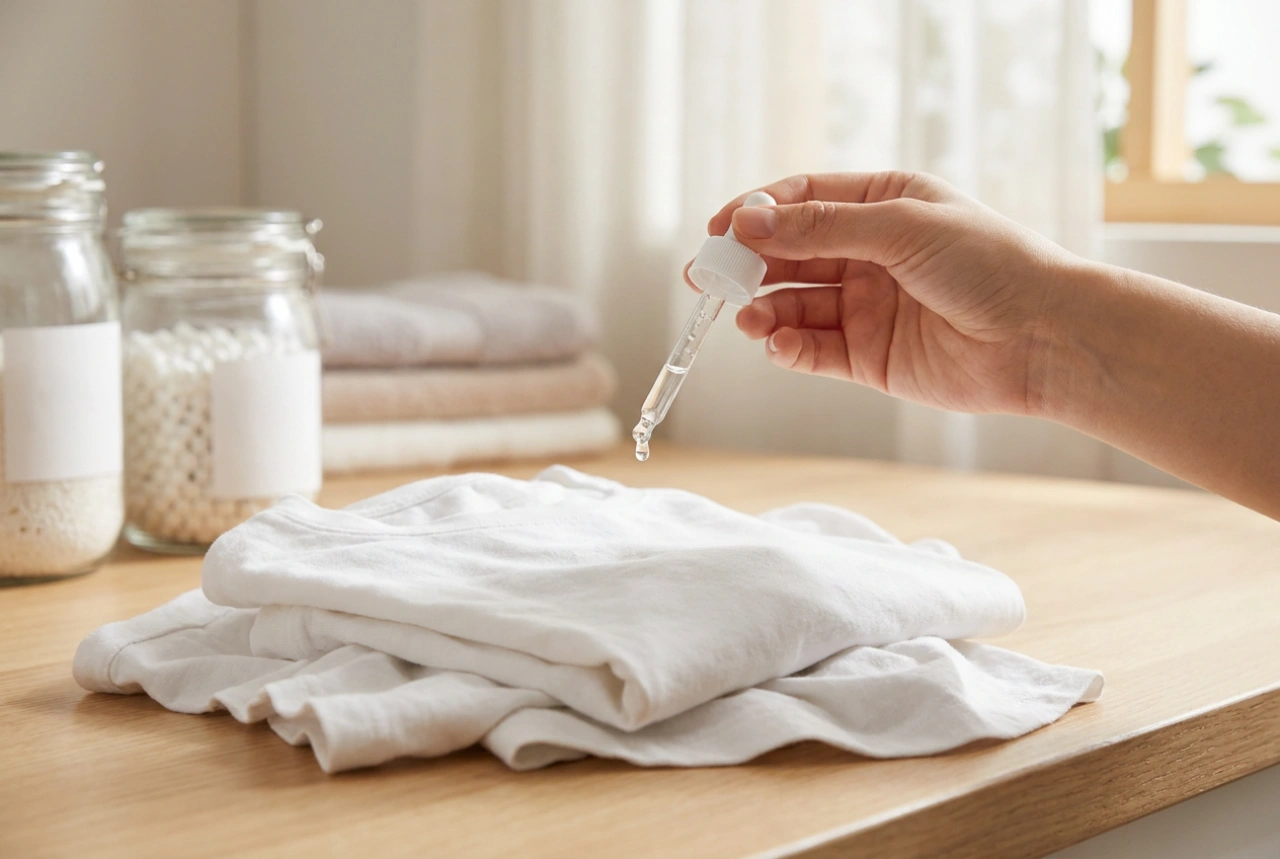
- Step 3: Emulsification. Once the ink begins to bleed onto the backing cloth, apply a drop of generic liquid dishwashing detergent or liquid laundry detergent. The surfactants in the detergent will wrap around the suspended oil-based pigment particles, preventing them from redepositing onto the cotton fibres.
- Step 4: Rinse and wash. Flush the area with cold running water to rinse away the emulsified ink. Wash the shirt immediately in a standard washing machine cycle at a temperature no higher than 40 degrees Celsius, as high heat will bake any remaining resins.
Dislodging Ink from Dense Denim Fibres
Jeans are constructed from a heavy twill weave, which easily traps pigmented resins deep within the tight warp and weft. Treating denim requires a combination of solvent breakdown and controlled mechanical action.
Begin by saturating the stained area with isopropyl alcohol. Because denim is highly absorbent, you may need to apply a mixture of equal parts alcohol and vegetable glycerine. Glycerine acts as a humectant and lubricant, keeping the ink particles suspended in a liquid state for longer. Using a soft-bristled brush, gently tap the stain in an inward-facing circular motion—always working from the outer edges of the spot toward the centre. This prevents the stain from expanding. Once the ink has loosened, rinse the area with cold water and apply a paste made of oxygen bleach powder and water. Let it sit for fifteen minutes before running the jeans through a standard wash cycle.
Addressing Upholstery: Controlled Extraction
Upholstery presents a unique challenge because you cannot submerge the fabric to rinse away solvents and dissolved pigments. Moisture control is critical to prevent water rings and deep dye migration.
Apply isopropyl alcohol sparingly using a clean microfiber cloth wrapped around your finger. Dab the stain lightly, rotating the cloth to a clean section with every touch to prevent transferring the ink back onto the furniture. Once the ink is dissolved, immediately press a dry, highly absorbent cloth against the spot to pull the liquid out of the cushion. To extract the remaining residue and dry the area quickly, dust a small amount of cornstarch or sodium bicarbonate (baking soda) over the damp patch. These fine powders act as a physical desiccant, drawing out the moisture and suspended microscopic pigments via capillary pressure. Once dry, vacuum the powder away thoroughly.