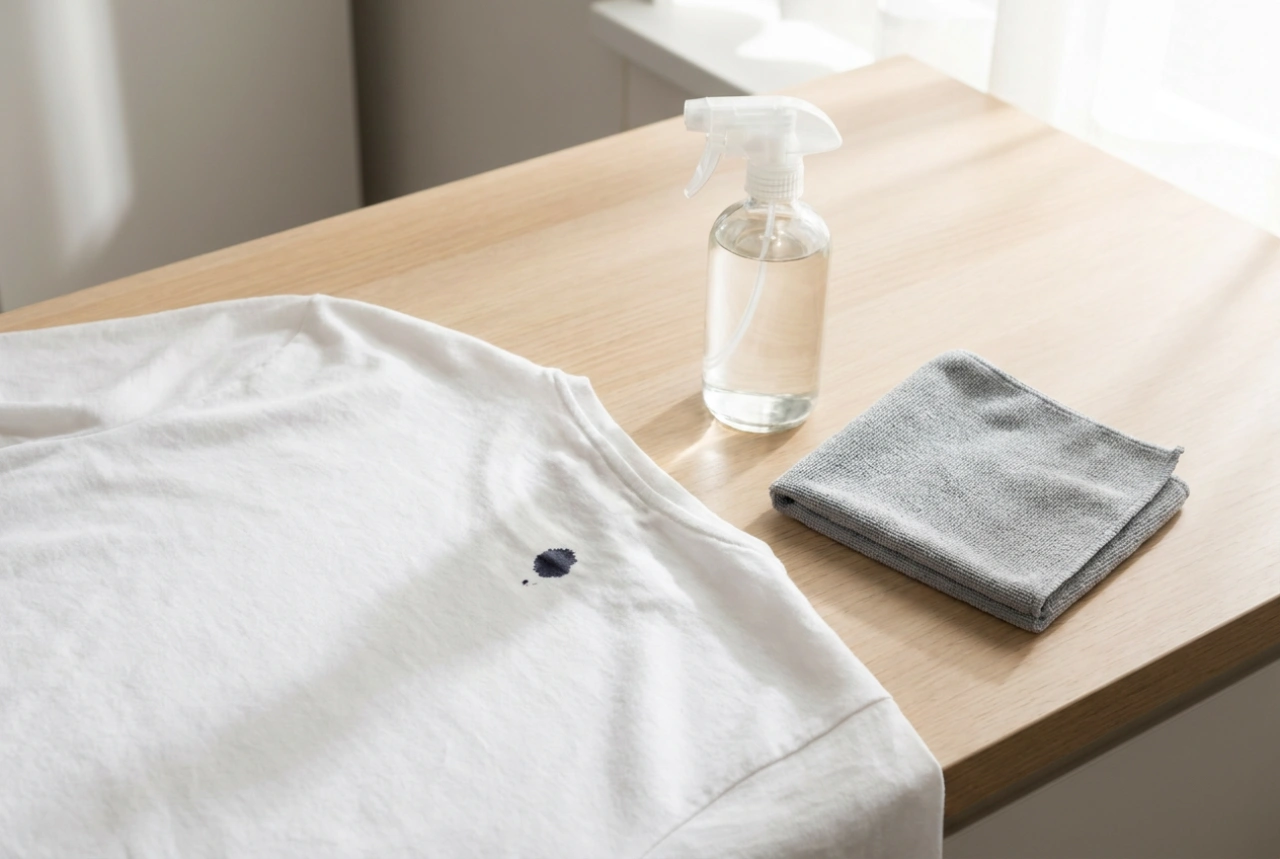


Grease spots appearing on garments after a wash cycle are a frustrating anomaly caused by set-in lipids or washing machine residues. To eliminate these stubborn stains, you must apply targeted chemistry that breaks down the hydrophobic bonds of the grease and lifts it from the fabric fibers.
Why Do Grease Stains Appear or Harden After Washing?
Finding greasy spots on freshly washed clothes is a common paradox. During a standard laundry cycle, heated water and mechanical action should theoretically dissolve oils. However, if the detergent concentration is insufficient or the water temperature is too low, the lipids (fats and oils) fail to emulsify. When these semi-soluble fats are exposed to the high heat of a tumble dryer or an iron, they undergo a physical change. The heat melts the fats, allowing them to penetrate deep into the expanding amorphous regions of the textile fibers (especially cotton and polyester). As the fabric cools, the fibers contract, locking the hydrophobic lipid molecules inside their structure. Additionally, fabric softeners can leave a cationic surfactant residue that coats the oil, making it even more water-resistant.
The Molecular Science of Re-Degreasing
To release trapped lipids from fibers, you must reverse the binding process using the principle of "like dissolves like" paired with effective emulsification. Normal washing detergents are diluted in large volumes of water, reducing their direct contact efficiency. Re-degreasing requires a concentrated surfactant system. Anionic and non-ionic surfactants, commonly found in high-quality, clear dishwashing liquids, possess a dual molecular structure: a lipophilic (fat-loving) tail and a hydrophilic (water-loving) head. When applied directly to a dry stain, the lipophilic tails insert themselves into the grease matrix. Upon the introduction of water, the hydrophilic heads pull toward the water molecules, lifting the grease out of the fiber and suspending it in an emulsion that can be easily rinsed away.
Step-by-Step Re-Degreasing Technique
Successfully removing a set-in grease stain requires precise physical manipulation and temperature control. Follow this methodical protocol to restore the fabric:
- Dry Pre-Treatment: Always apply the degreasing agent to dry fabric. If the fabric is wet, water molecules will occupy the fiber cavities and dilute the surfactant, preventing it from binding directly to the oil.
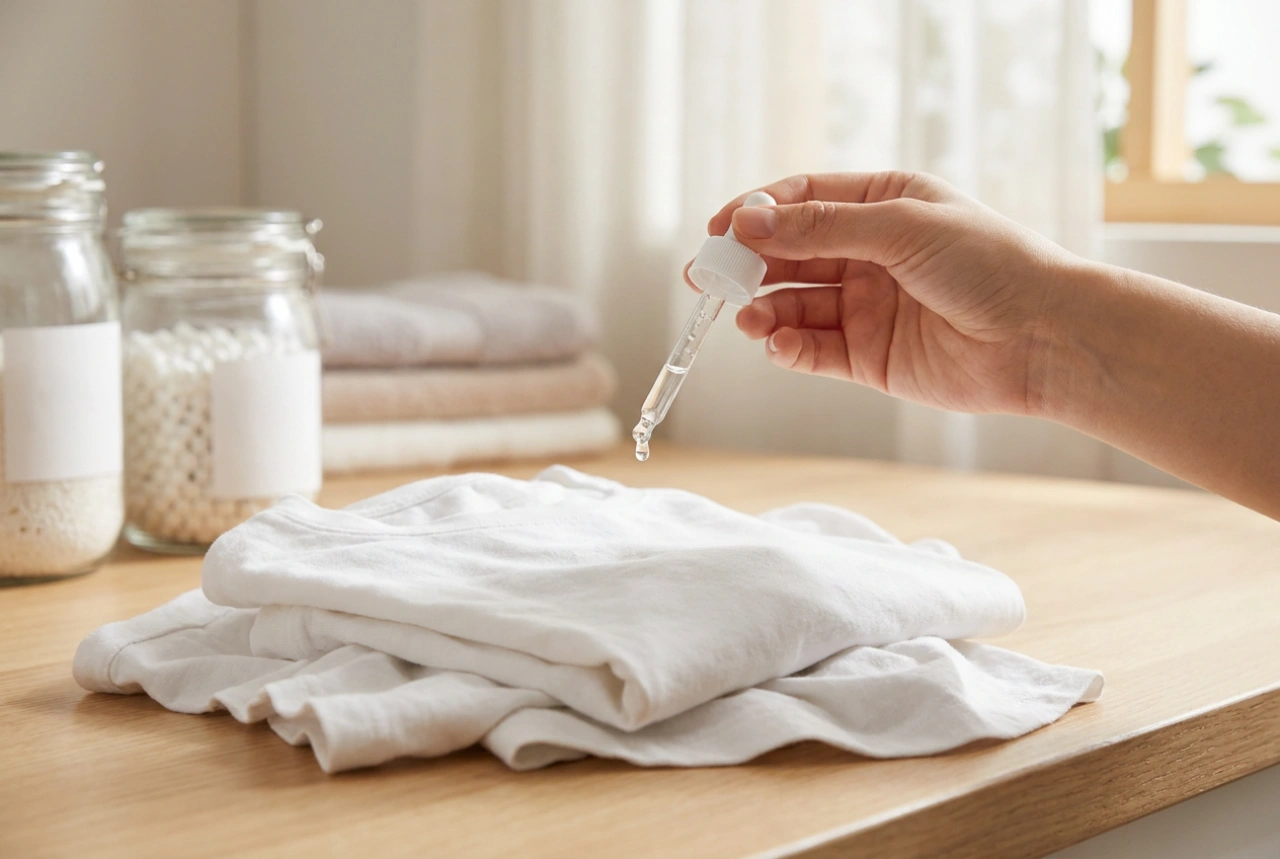
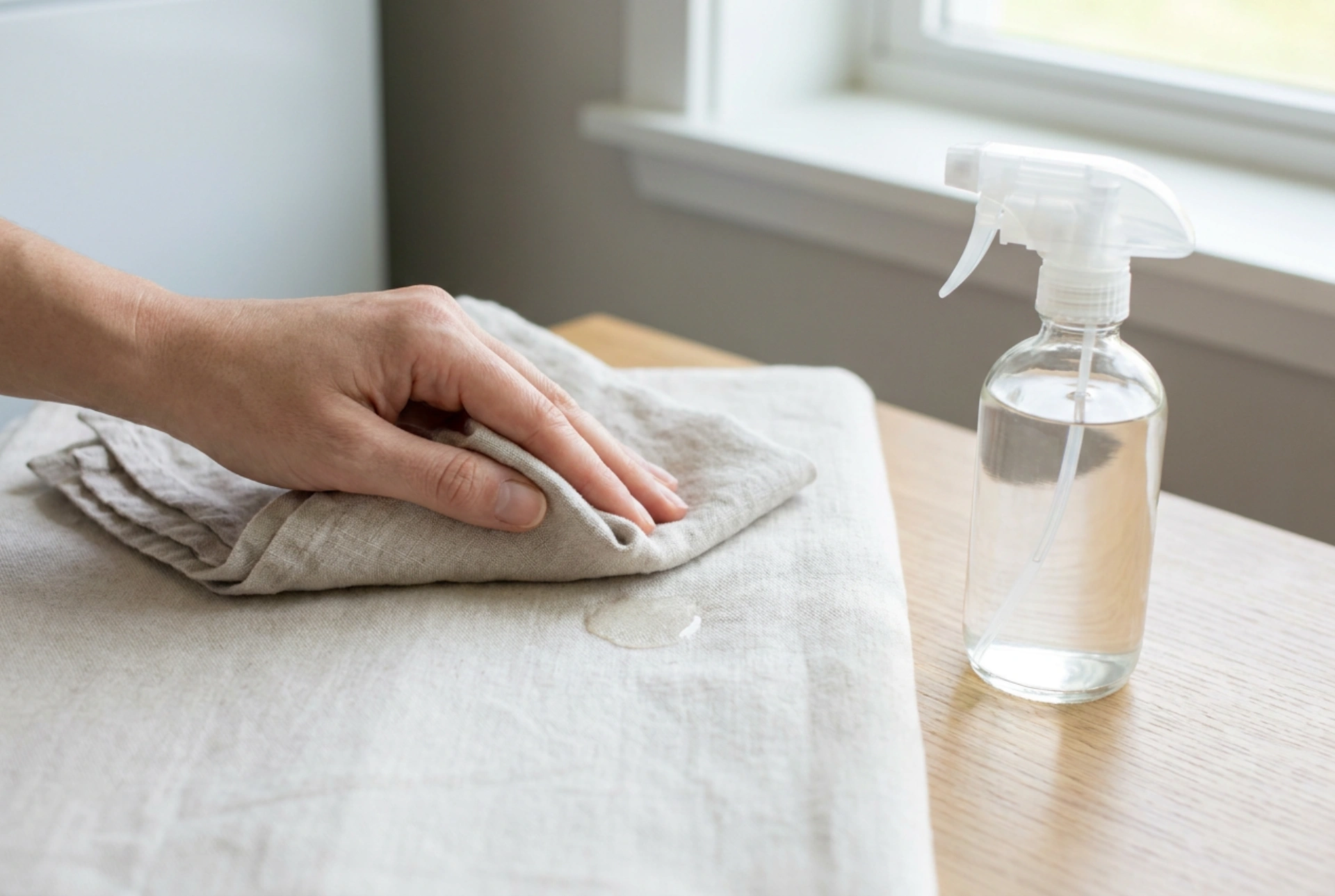
- Targeted Agitation: Place a clean, dry white cotton towel underneath the stained area to absorb excess oil as it releases. Apply a small drop of clear, neutral dishwashing liquid or isopropyl alcohol (for robust synthetic fabrics) directly to the stain. Using a soft-bristled brush or your fingertip, work the agent into the fibers using gentle, circular motions from the outer edge of the stain toward the center. This prevents the lipid boundary from expanding.
- Dwell Time and Thermal Activation: Allow the surfactant to react with the lipid matrix for 15 to 20 minutes. Next, rinse the area with hot water (at least 40°C to 50°C, provided the fabric care label permits). This temperature exceeds the melting point of most common household fats, converting them back into a liquid state that the surfactants can easily encapsulate.
- The Secondary Wash: Wash the garment once more in the machine at the highest safe temperature recommended for the fabric, using a standard powder detergent. Powder detergents often contain zeolites or oxygen-based bleaching agents that help absorb suspended oil droplets and prevent them from redepositing onto the clean fabric.
Preventing Machine-Induced Grease Deposits
Sometimes, grease stains do not originate from your food or cosmetics but from the washing machine itself. Over time, low-temperature washes and liquid detergents combine with fabric fibers to form a waxy substance known as "scrud" or biofilm inside the outer drum. During a spin cycle, fragments of this fatty buildup can break loose and transfer onto your garments, leaving dark, oily spots. To prevent this, execute a monthly maintenance cycle. Run the empty machine on its hottest setting (90°C or 95°C) using an oxygen-based bleaching powder or specialized washing machine cleaner. This high thermal and chemical action hydrolyzes the accumulated fats, keeping the internal mechanisms clear of lipid residues.