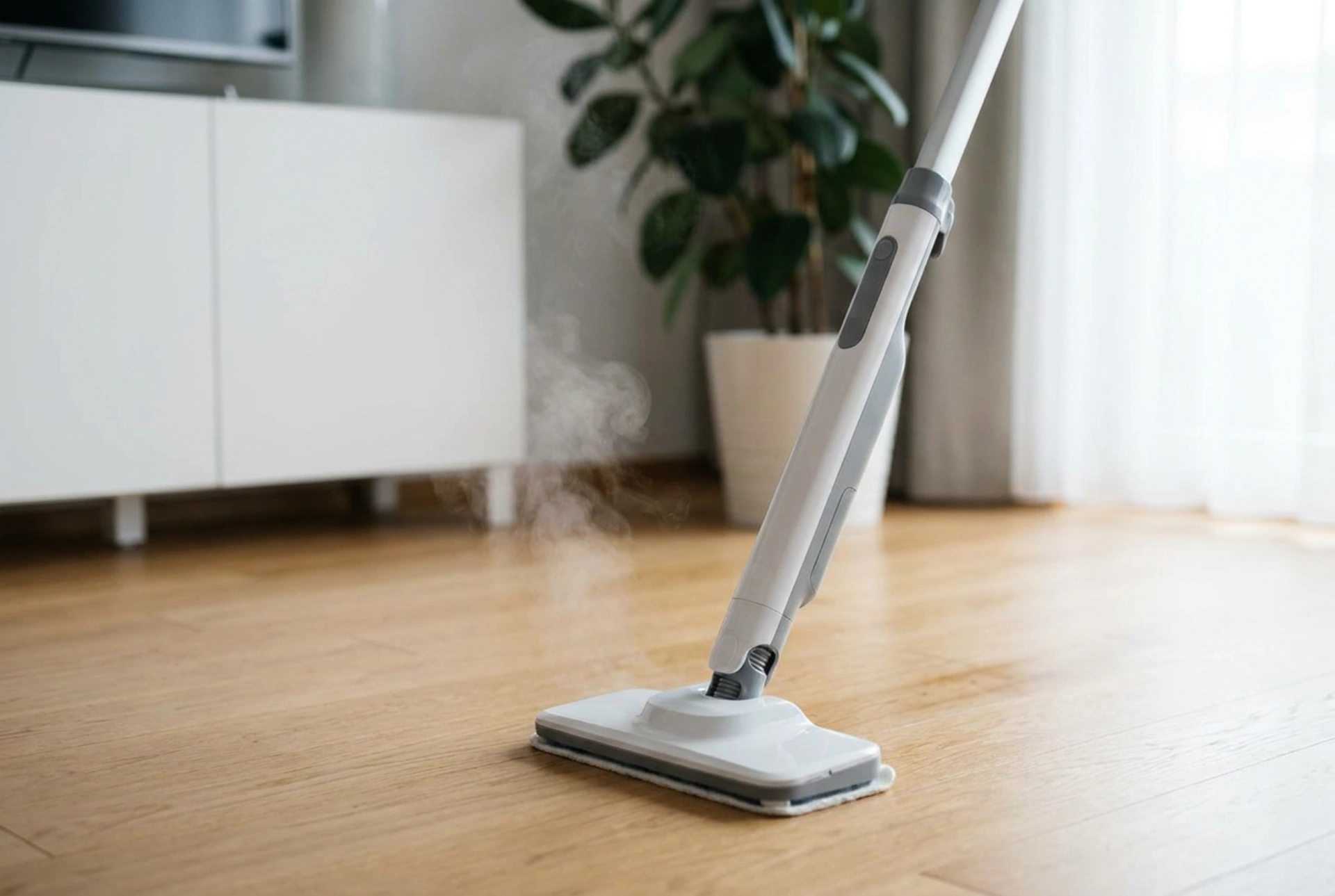


Cordless steam mops offer high mobility, but achieving optimal cleaning results without damaging floors requires understanding the thermodynamic limits of battery-powered heating and the moisture sensitivity of different floor materials. Managing heat transfer and water quality is essential to balance disinfection with structural preservation.
Thermodynamic Power and Cordless Battery Constraints
Traditional steam mops rely on a continuous mains power supply to heat water rapidly to its boiling point. Cordless models, powered by lithium-ion batteries, must manage energy consumption carefully to convert water into steam efficiently. The heat required to transition liquid water into vapour—known as the latent heat of vaporisation—is exceptionally high. In a cordless device, the heating element must be highly efficient, often using flash-heating chambers that vaporise small droplets of water instantly rather than heating an entire tank.
When operating a cordless steam mop, it is crucial to understand that the volume of steam and the operating time are limited by battery capacity. To maximise efficiency, start with pre-warmed water in the tank if the manufacturer permits, reducing the initial electrical load required to reach operating temperature. Managing the triggers and using steam in controlled pulses rather than a continuous stream will preserve battery charge and prevent the floor from becoming oversaturated.
Material Dynamics and Moisture Sensitivity
Not all flooring materials react identically to the thermal shock and moisture of steam. Sealed ceramic and porcelain tiles are highly resilient, as their non-porous surfaces easily withstand temperatures exceeding 100°C. However, hardwood, laminate, and luxury vinyl tiles require careful handling. Heat softens the adhesives used in laminate and vinyl, whilst high-pressure moisture can penetrate joints, causing swelling and warping of the core wood fibres.
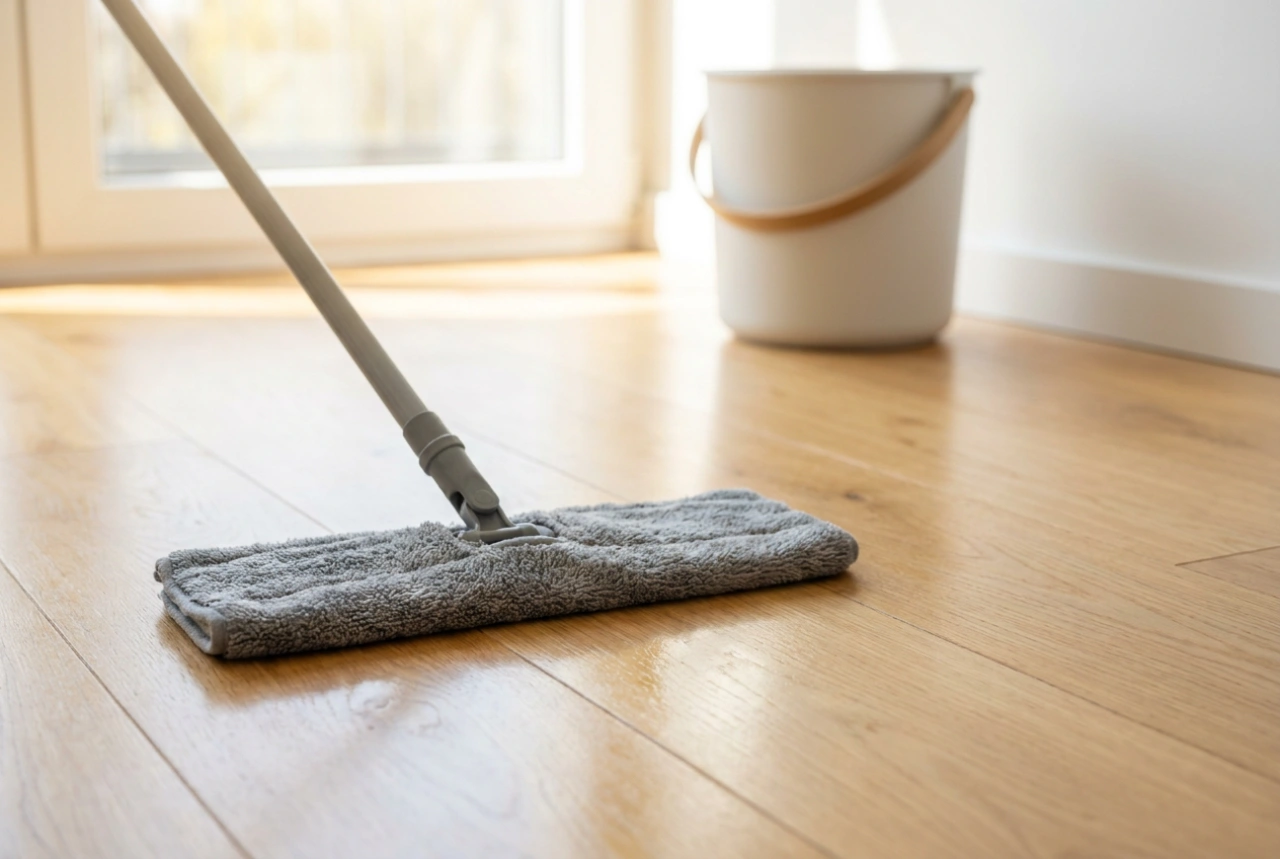
When cleaning sensitive surfaces with a cordless unit, use the lowest steam setting. The heat must be applied in brief, controlled bursts, ensuring that the microfibre pad absorbs the condensed moisture immediately rather than letting it pool on the joints. Always verify the integrity of the floor sealant before proceeding; unsealed wood or cracked grout lines can absorb water, leading to long-term structural degradation.
The Importance of Microfibre and Mechanical Movement
Steam loosens dirt by melting fats, oils, and particulate matter, but the steam itself does not remove the debris from the floor; that is the role of the microfibre pad. Microfibres feature wedge-shaped polyester and polyamide fibres that trap lifted particles through capillary action and electrostatic force. To clean effectively, always vacuum or sweep the floor beforehand. Any loose grit left on the surface can act as an abrasive under the heat and pressure of the mop head, leaving permanent micro-scratches.
When mopping, maintain a steady, continuous sweeping motion. Pausing in one spot concentrates thermal energy, which can blister floor finishes or cloud polyurethane sealants. Let the heat do the work rather than applying excessive downward pressure, which can damage the steam jets and wear down the microfibre weave prematurely.
Water Quality and Prevention of Mineral Build-up
The chemical composition of the water used in a steam mop directly impacts its lifespan and performance. Hard tap water contains dissolved calcium and magnesium hydrogen carbonates. Under high heat, these minerals precipitate out of solution, forming solid calcium carbonate (limescale) inside the heating element and fine steam nozzles.
This scale acts as an insulator, reducing heat transfer efficiency and forcing the battery-powered heating element to work harder, draining the battery faster. To prevent blockages and maintain optimal thermal output, always use distilled or demineralised water. This simple measure eliminates mineral deposits, ensuring consistent steam quality and extending the operational lifespan of the internal components.