

Choosing between a traditional steam iron and a pressurized steam generator depends on the physics of heat transfer, steam pressure, and your typical weekly laundry volume. Understanding how these devices interact with textile fibers on a molecular level allows you to optimize your ironing routine and protect delicate materials from thermal damage.
The Physics of Wrinkle Removal: Heat, Moisture, and Tension
To understand why one appliance might outperform the other, it is essential to look at the structure of textile fibers. Natural fabrics like cotton, linen, and wool consist of polymer chains held together by hydrogen bonds. When clothes are washed and dried, these bonds break and reform in disorganized configurations, resulting in wrinkles. Eliminating these wrinkles requires three elements: heat, moisture, and tension. Heat relaxes the molecular bonds, moisture (in the form of water vapor) lubricates the fibers to make them pliable, and physical tension straightens them into a flat state as they cool and dry.
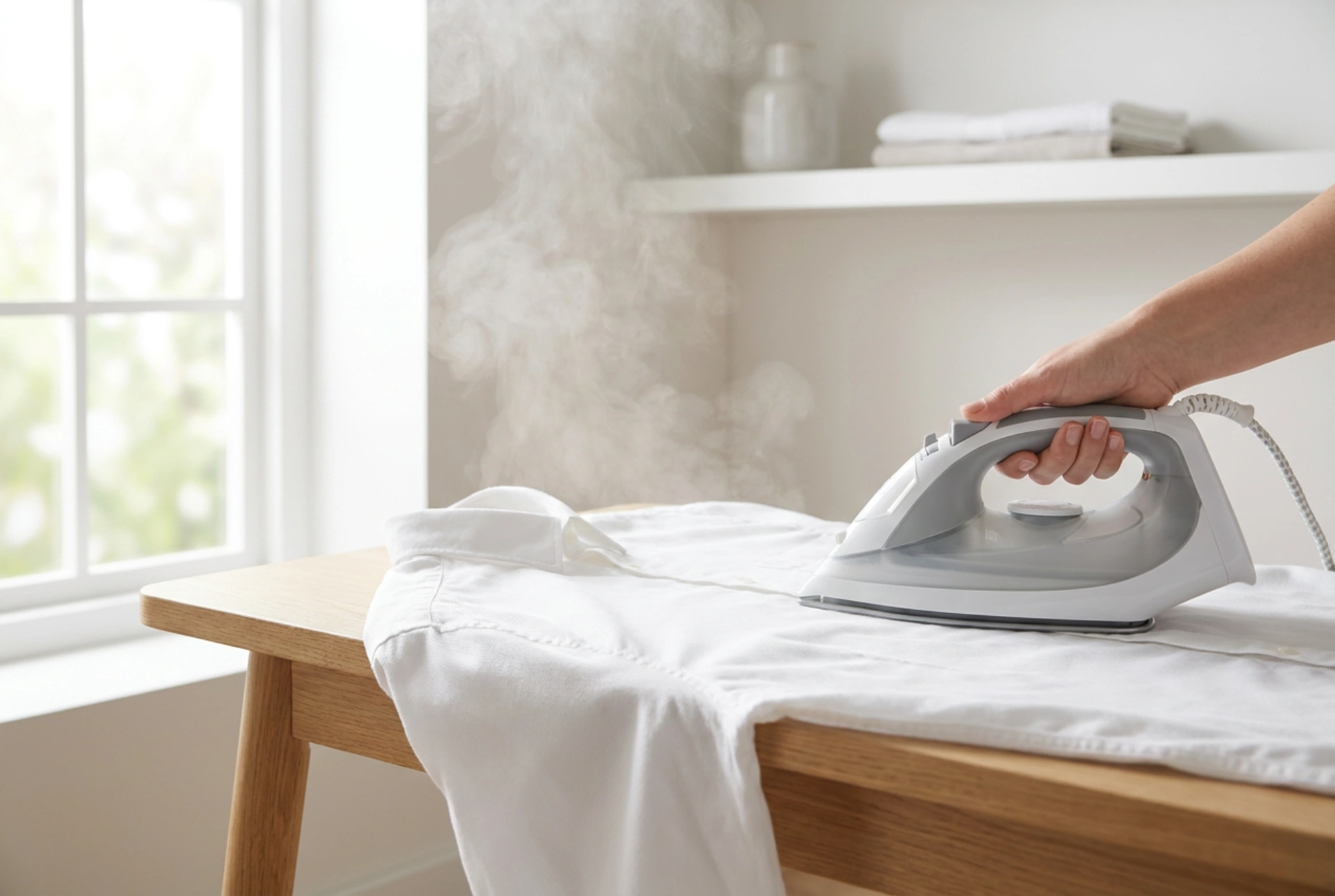
A traditional steam iron generates steam by dripping water onto a hot internal soleplate. This process produces low-pressure steam that primarily treats the surface of the fabric. Consequently, the user must rely on the physical weight of the iron and repeated friction to flatten the fibers. In contrast, a steam generator features a separate water reservoir and boiler. It produces high-pressure, dry steam that is forced deeply into the textile structure, relaxing the fibers instantly with minimal physical pressure and fewer passes.
Fabric Interactions: Matching the Tool to the Fiber
Different textile fibers react uniquely to thermal and moisture exposure, making appliance choice critical for garment longevity:
- Cotton and Linen: These cellulosic fibers have highly crystalline structures that resist deformation. They require significant moisture and high temperatures to relax. A steam generator excels here because its pressurized steam penetrates thick denim or double-layered linen instantly, allowing you to iron only one side of a garment to smooth both.
- Synthetics (Polyester, Acrylic, Nylon): As thermoplastic polymers, synthetics melt under excessive direct heat, causing irreversible glazing or shine. A steam generator allows for effective vertical steaming, removing wrinkles via hot moisture without the heated metal soleplate ever touching the sensitive fabric.
- Silk and Wool: These protein-based fibers are highly sensitive to dry, direct heat. Wool fibers can flatten permanently, losing their natural loft and elasticity, while silk can scorch. Using a steam generator with a high-volume, low-temperature steam setting relaxes these delicate fibers gently. If using a traditional iron, a damp pressing cloth must be placed between the soleplate and the fabric to distribute heat and prevent scorching.
Volume and Workflow: When to Upgrade
The choice between these two appliances is heavily influenced by the volume of your laundry and your operational habits. A traditional steam iron is highly efficient for small, daily touch-ups. It heats up rapidly—often in under ninety seconds—and requires minimal storage space. However, its small water tank requires frequent refilling, which disrupts the workflow during larger ironing sessions.
For households processing large batches of laundry weekly, a steam generator is thermodynamically and operationally superior. The large external water tank allows for hours of uninterrupted work. Because the steam is pressurized, it carries more thermal energy, allowing you to iron folded bed linens or tablecloths in multiple layers simultaneously, cutting overall chore time in half.
Practical Techniques for Superior Results
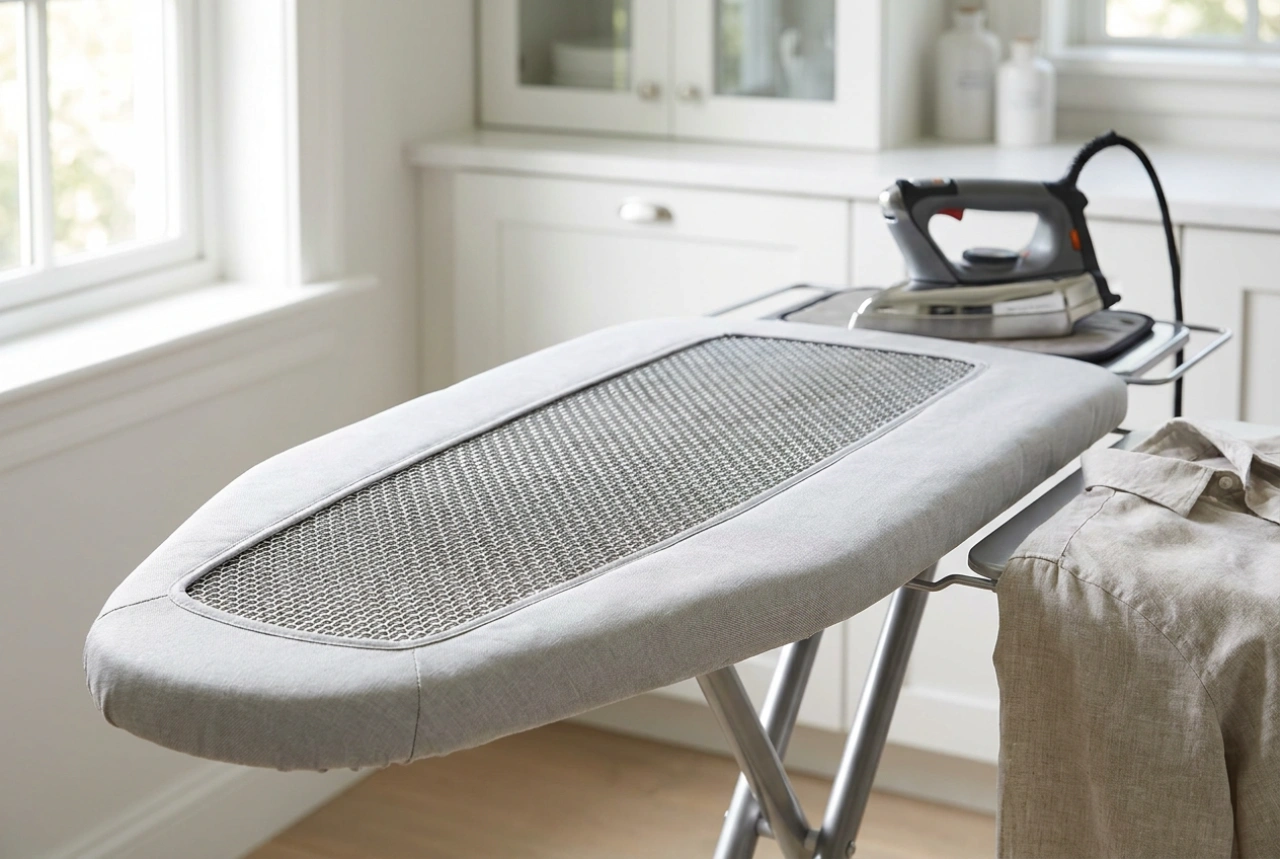
To maximize the efficiency of either appliance, always iron fabrics in ascending order of their temperature tolerance: start with synthetics, move to silk and wool, and finish with cotton and linen. When using a high-output steam generator, pair it with an active ironing board featuring a mesh top. This prevents steam from condensing into liquid water on the board's surface, which can cause water spots on garments and damage wooden floorboards underneath. Work in straight, parallel motions rather than circular patterns to avoid stretching the fabric grain out of shape.