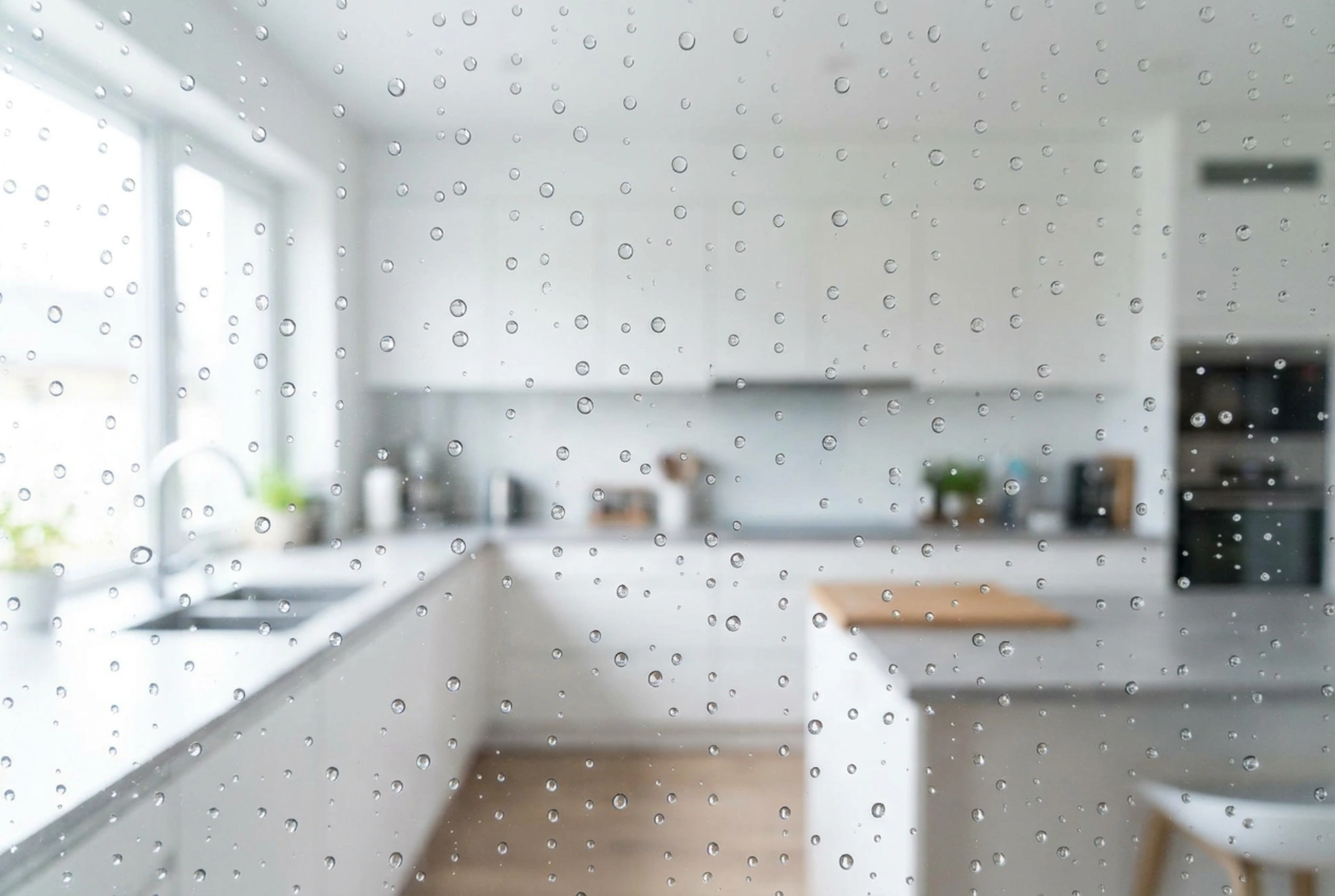


Rainwater itself is relatively pure, but as it runs down standard glass windows, it leaves behind a network of unsightly spots and mineral deposits. Hydrophobic glass cleaners prevent this by altering the microscopic structure of the glass surface, forcing water to bead up and roll away instead of pooling and drying in place.
The Science of Glass and Water: Why Spots Form
To understand why hydrophobic treatments work, we must first look at untreated glass. Glass is primarily composed of silicon dioxide (silica). On a molecular level, the surface of glass is covered with highly polar hydroxyl groups (silanol groups). Water is also a highly polar molecule. Because like attracts like, water molecules readily form hydrogen bonds with the glass surface. This makes untreated glass naturally hydrophilic, meaning "water-loving".
When rain hits a hydrophilic window, it does not bead. Instead, it spreads out into a thin, continuous sheet. As this sheet of water sits on the vertical or inclined pane, gravity pulls some of it down, but surface tension holds a significant amount in place. As the sun warms the window, this remaining water evaporates. Any dissolved atmospheric pollutants, dust, pollen, or minerals (such as calcium and magnesium carbonates) dissolved in the droplet are left behind, forming the characteristic circular outlines known as water spots or limescale stains.
The Hydrophobic Shield: Molecular Alteration
Hydrophobic glass cleaners do not just wash away dirt; they deposit an invisible, ultra-thin polymer barrier. These formulations typically contain specialized molecules, such as silanes, silicones, or fluoropolymers, dissolved in a fast-evaporating solvent (usually isopropyl alcohol).
When applied to clean glass, a chemical reaction occurs. The reactive silane groups in the cleaner form covalent bonds with the silanol groups on the glass surface. This anchoring process ensures that the treatment cannot be easily washed away by rain or wind. Opposing these anchor points are non-polar organic groups, such as alkyl or fluoroalkyl chains, which point outward away from the glass. These non-polar tails are hydrophobic ("water-fearing") and chemically inert. They completely mask the polar nature of the underlying glass, preventing water from forming hydrogen bonds with it.
The Physics of Beading: Contact Angle and Gravity
The effectiveness of a hydrophobic coating is measured by the water contact angle. On untreated, clean glass, the contact angle of a water droplet is very low, often between 10 and 30 degrees, causing the droplet to flatten. When a hydrophobic coating is applied, this angle increases dramatically, often exceeding 90 to 110 degrees.
At these high angles, the cohesive forces within the water droplet (holding it together) become much stronger than the adhesive forces between the water and the treated glass. The droplet is forced to assume a nearly spherical shape. Because a sphere has the minimum possible surface area for a given volume, it has very little contact with the glass. This lack of friction means that even a slight slope or a gentle breeze will cause the droplet to roll off the pane easily, carrying atmospheric dust and dirt along with it. This is known as the "self-cleaning" or "lotus" effect.
Optimal Application Method for Long-Lasting Protection
To achieve the maximum possible contact angle and ensure the hydrophobic layer lasts for months, the application process must be precise. Any residual dirt, grease, or previous surfactants will prevent the silane molecules from bonding directly to the silica network.
- Deep Chemical Cleaning: Start by thoroughly washing the window with a simple surfactant-free cleaner or a highly diluted acetic acid solution to strip away inorganic minerals. Dry the surface completely.
- Application Environment: Apply the hydrophobic agent out of direct sunlight and on cool glass. High heat causes the carrier solvent to evaporate too quickly, leading to uneven polymer distribution and hazing.
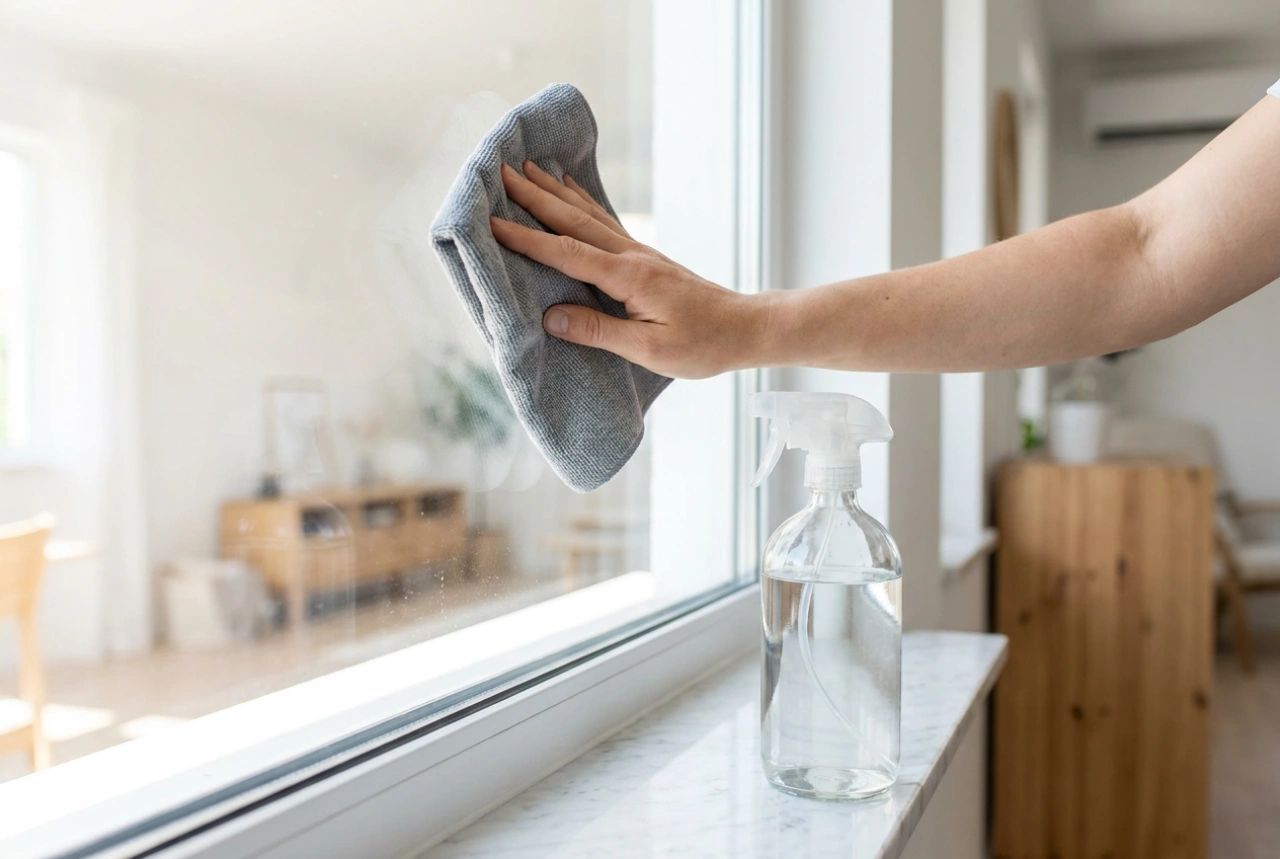
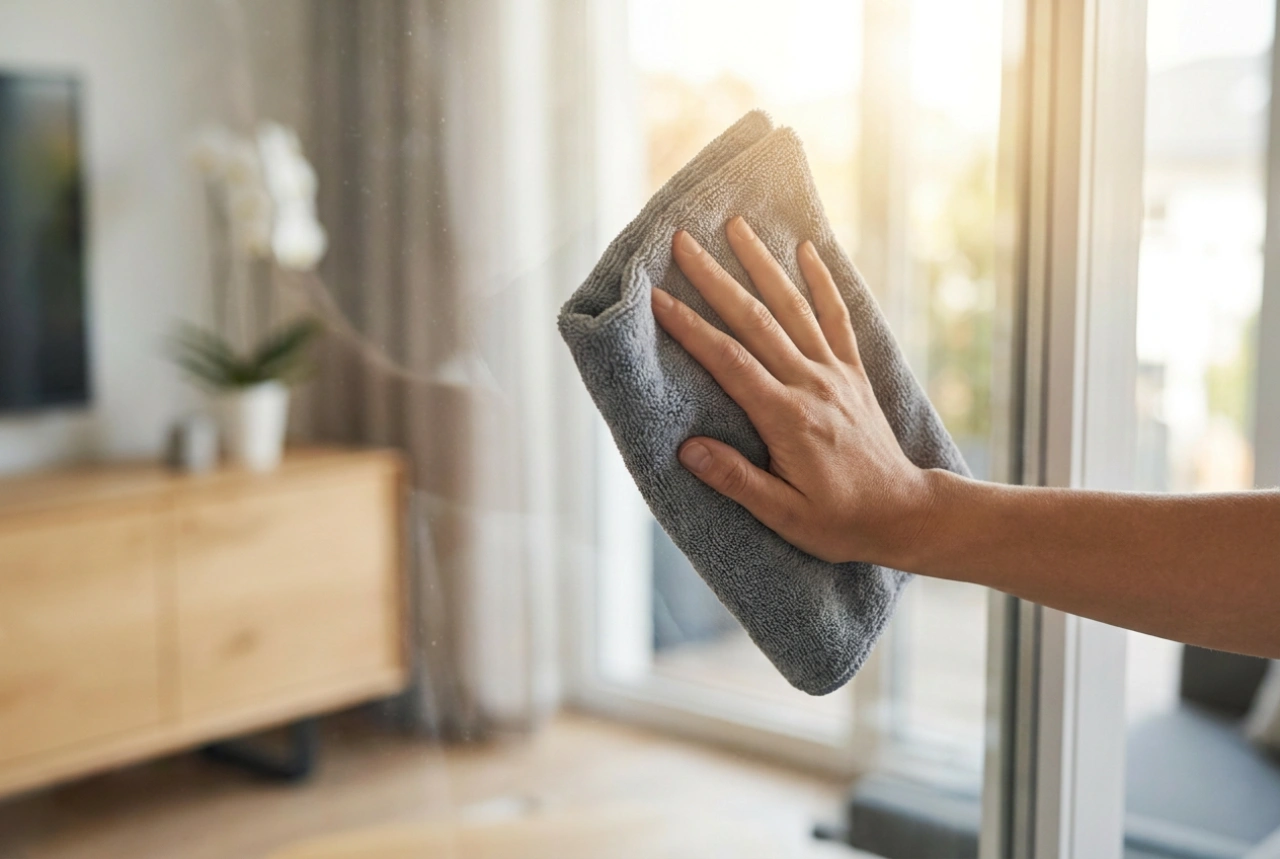
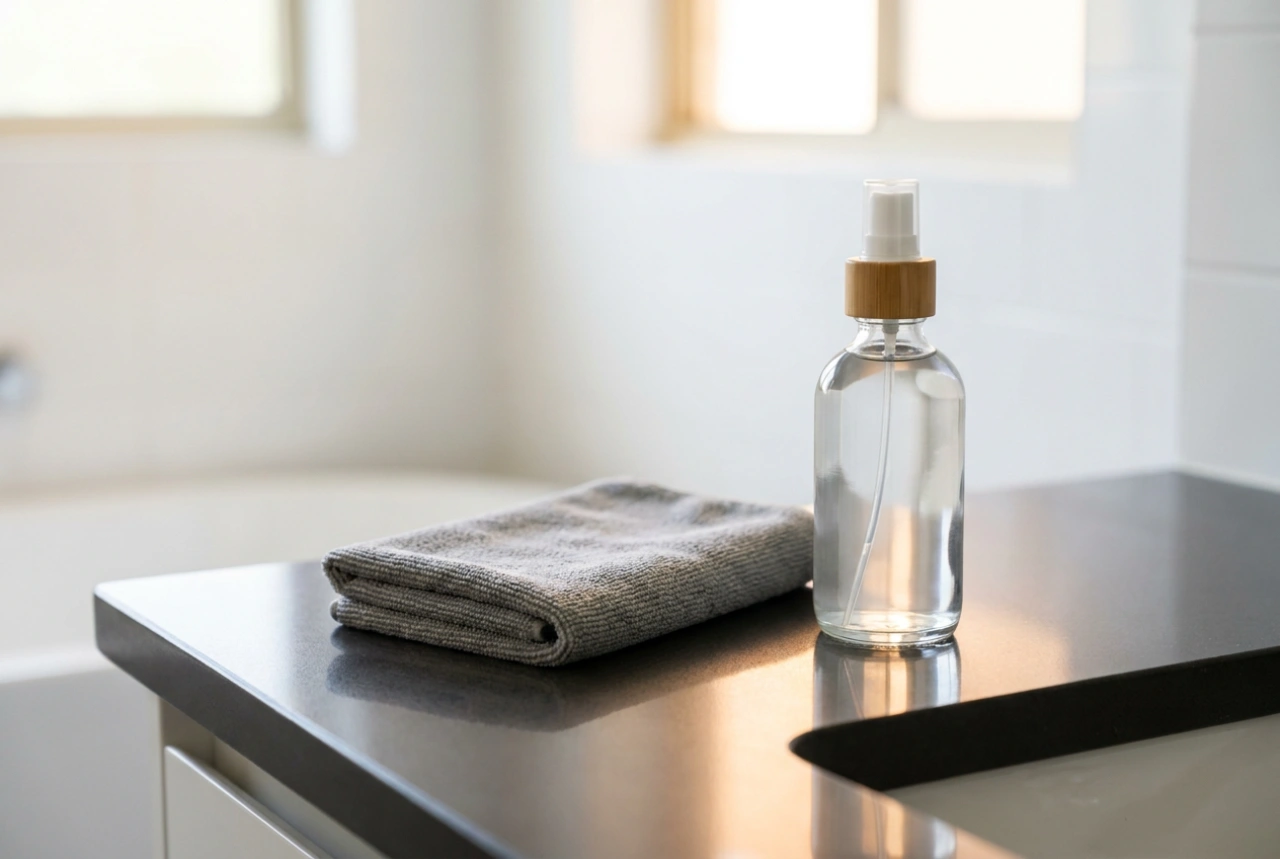
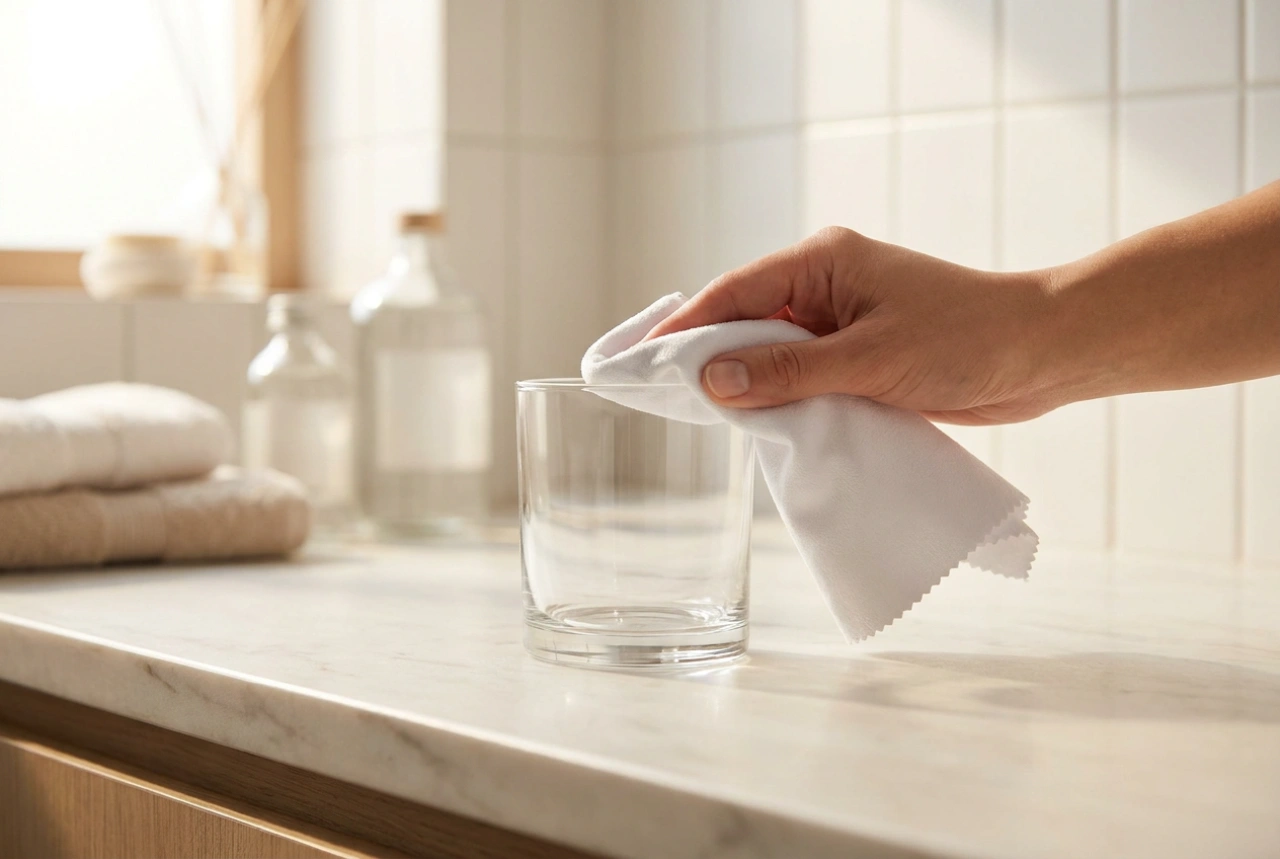
- Mechanical Buffing: Apply a small amount of the hydrophobic cleaner using a lint-free microfiber cloth in firm, overlapping circular motions. This mechanical action helps the active molecules align and bond uniformly.
- The Curing and Final Buff: Allow the solvent to flash off (usually a few minutes until a light haze forms), then use a separate, clean, dry microfiber cloth to buff the surface to a high gloss. This removes excess unbonded polymer chains, leaving a perfectly smooth, invisible barrier.