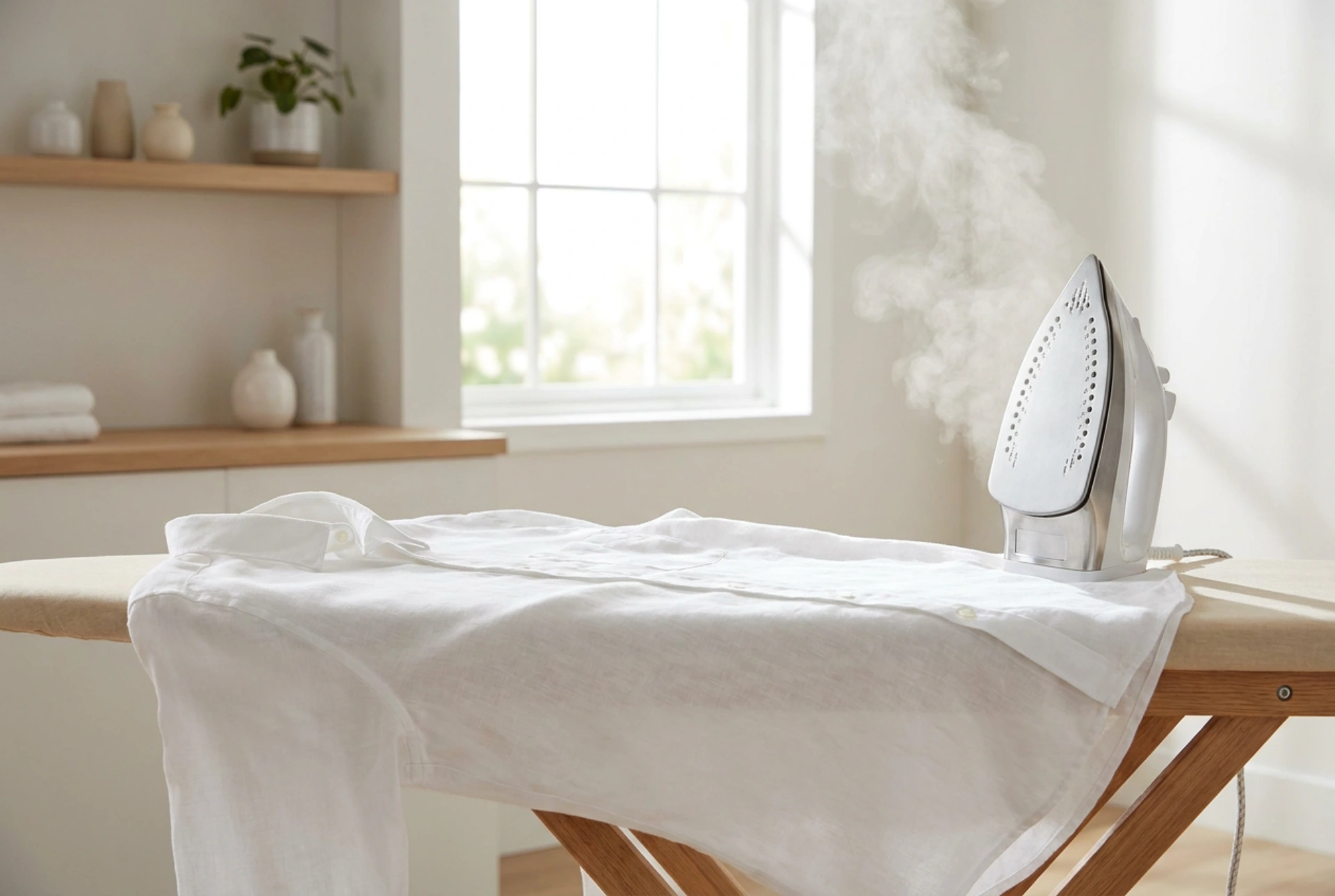


Steam generator irons offer superior performance compared to traditional irons by utilizing high-pressure, continuous steam to relax fabric fibers instantly. Understanding the mechanics of pressurized steam allows you to sanitize household textiles, restore delicate garments, and drastically reduce ironing time.
The Physics of Pressurized Steam in Garment Care
Unlike standard steam irons, which generate moisture directly on the heated soleplate, a steam generator iron relies on an external boiler unit. This pressurized reservoir heats water to temperatures well above boiling point, creating dry, high-pressure steam. When released, this steam is propelled deep into the molecular structure of the fabric weave under pressures typically ranging from 5 to 8 bar.
At a physical level, wrinkles are formed when the hydrogen bonds holding the polymer chains in textile fibers (such as cellulose in cotton and linen, or proteins in wool) are locked into deformed positions. Pressurized steam acts as a thermodynamic catalyst. The heat and moisture temporarily break these weak hydrogen bonds, allowing the fibers to slide back into their natural, flat alignment. As the fabric cools and dries under the flat pressure of the soleplate, new, straight hydrogen bonds are established, locking the smooth texture into place.
Optimizing Techniques for Diverse Fabric Types
Using a steam generator iron efficiently requires adjusting your technique, pressure, and temperature based on the material's specific thermal and chemical properties.
Cellulosic Fibers: Cotton and Linen
Cotton and linen possess highly crystalline polymer structures that require significant moisture and heat to deform. For these fabrics, utilize maximum steam output and high soleplate temperatures. Work with slow, deliberate strokes. The high-pressure steam penetrates multiple layers simultaneously, meaning you can often iron a folded sheet or the front and back of a garment in a single pass.
Synthetic and Delicate Fibers: Polyester, Silk, and Wool
Synthetic fibers like polyester are thermoplastic, meaning they melt at specific high temperatures. For these, lower the soleplate temperature and use short, controlled bursts of steam to relax the weave without glazing the surface. For silk and wool, which are sensitive to direct heat, employ vertical steaming. Suspend the garment on a hanger and pass the iron 2 to 3 centimetres away from the fabric, pulling it gently taut. The dry steam will smooth out wrinkles without risking fiber scorching or compression shine.
Advanced Applications: Household Sanitisation and Restoration
The utility of a steam generator iron extends far beyond the ironing board due to the high temperature of the emitted vapor, which typically leaves the nozzle at over 100 degrees Celsius.
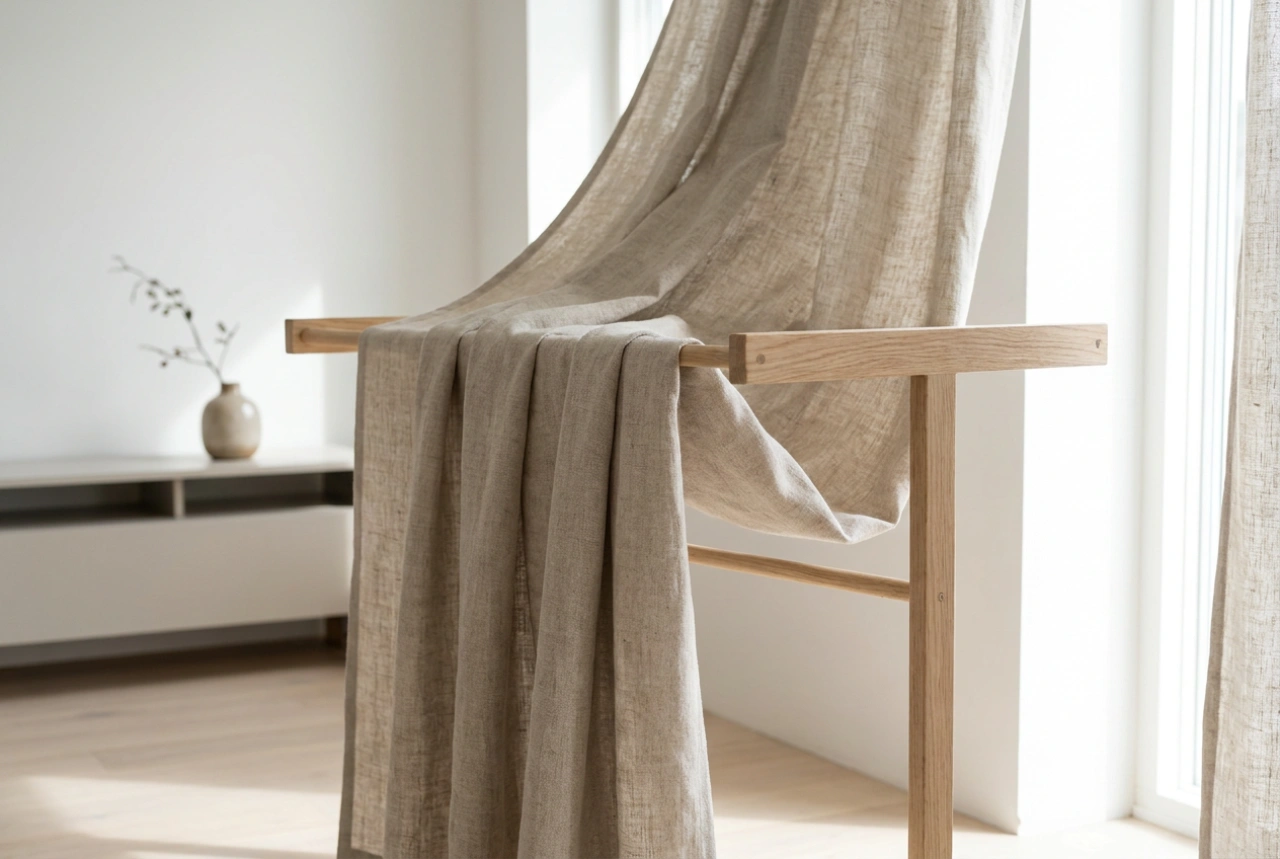
- Upholstery and Curtain Refresher: Vertical steaming allows you to smooth heavy window drapes directly on their rods. The high-temperature vapor penetrates deep into the fibers, neutralizing trapped odors and releasing airborne dust particles without chemical solvents.
- Sanitizing Mattresses and Soft Furnishings: Thermal disinfection is highly effective against dust mites and common household bacteria. Passing the steam nozzle slowly over mattress covers denatures the proteins in allergens, rendering them harmless. Ensure the material dries completely afterward to prevent mold growth.
Preventing Limescale and Maintaining Boiler Efficiency
The primary enemy of any pressurized steam system is limescale. Tap water contains dissolved minerals, primarily calcium and magnesium ions. When water is vaporized in the boiler, these minerals precipitate out as solid calcium carbonate.
Over time, limescale acts as a thermal insulator on the heating element, forcing the appliance to use more energy to reach operating temperatures. It can also block the micro-nozzles in the soleplate, leading to uneven steam distribution or spitting of rusty water. To prevent this, regularly perform a thermal flush of the boiler chamber as per the manufacturer's manual, or use a mixture of demineralized water and tap water to reduce the mineral load while maintaining the necessary electrical conductivity for the water-level sensors.