

Polyester is a highly durable, quick-drying synthetic fabric, yet its hydrophobic nature and susceptibility to thermal deformation make it highly prone to stubborn creases and frustrating static cling. By understanding the material science behind synthetic polymers, you can adjust your washing parameters to keep garments perfectly smooth and static-free without relying on harsh chemicals or excessive ironing.
The Science of Synthetic Fibres: Why Polyester Creases and Statics
To care for polyester effectively, it is essential to understand its molecular structure. Polyester is made of long-chain synthetic polymers. Unlike natural fibres like cotton, polyester is thermoplastic, meaning it responds directly to thermal changes. When subjected to heat, the polymer chains within the fabric loosen. If the fabric is then cooled rapidly while bunched up—such as during a high-speed spin cycle—the fibres lock into these crumpled positions, creating semi-permanent wrinkles. This physical transition occurs near the fabric's glass transition temperature, making thermal control the most critical element of the washing process.
Static electricity, on the other hand, is a result of polyester’s hydrophobic nature. Cotton naturally retains a small amount of moisture, which acts as a conductor to safely dissipate electrical charges. Polyester resists water absorption, retaining less than 1% of its weight in moisture. When synthetic garments rub against each other or the metal drum of a washing machine, friction causes a transfer of electrons (known as the triboelectric effect). Because the dry fabric cannot conduct these electrons away, a static charge builds up, causing the fabric to cling to your skin and attract airborne dust particles.
Optimising Wash Parameters: Temperature and Spin Speed
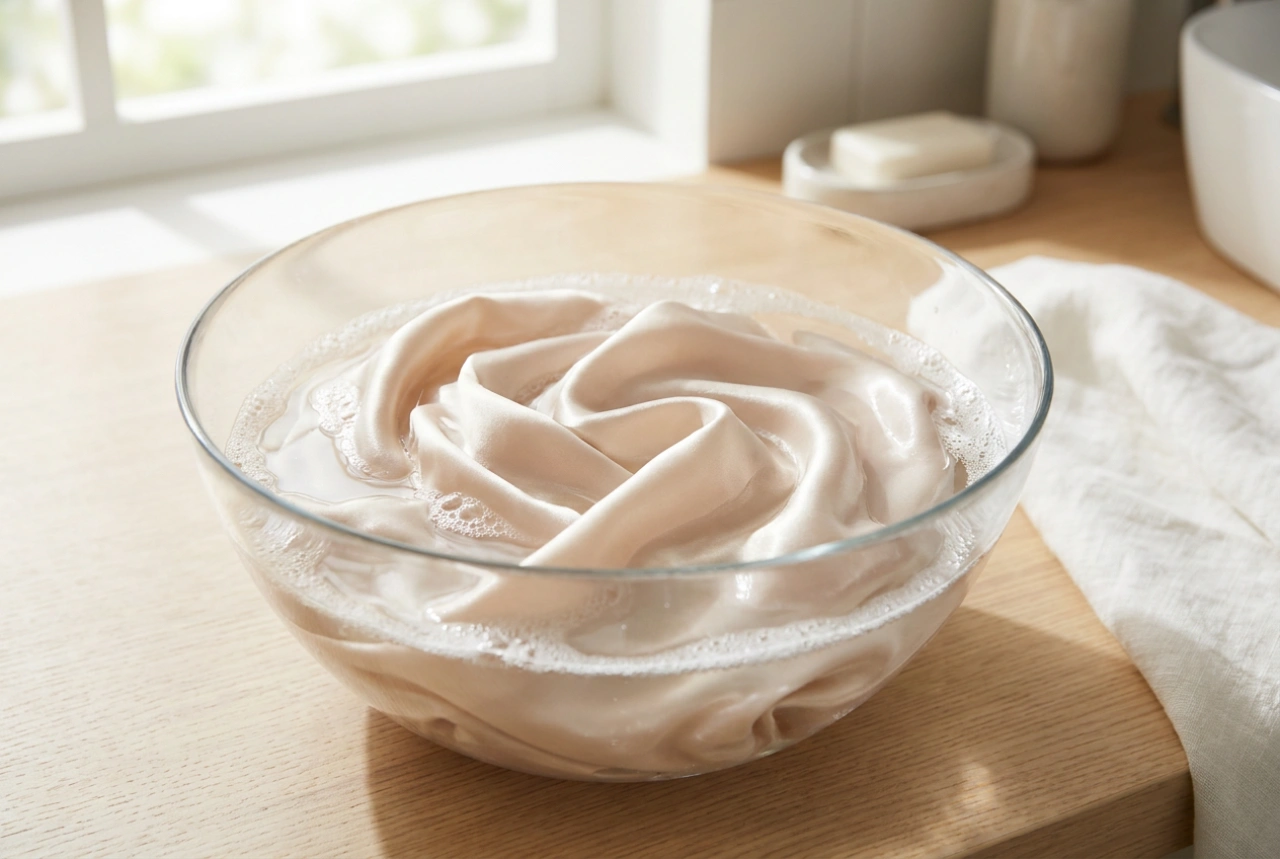
Preventing creases begins inside the washing machine drum. The golden rule for polyester is to keep the water temperature warm but never hot. A washing temperature of 30°C to 40°C is ideal. This temperature is warm enough to dissolve body oils and dirt suspended in the water, but cool enough to keep the polyester fibres well below their thermal softening point, preventing heat-induced creasing.
Equally important is the mechanical action of the cycle. Standard cotton cycles feature long wash actions and intense spin speeds, often exceeding 1200 RPM. For polyester, these high spin speeds force the warm, pliable fabric flat against the perforated metal walls of the drum, compressing creases into the structure. Instead, select a 'synthetics' or 'easy-care' cycle. These cycles employ a higher water level to cushion the garments, gentler drum rotation to minimise friction, and a reduced spin speed of 800 RPM. This lower speed removes excess water without crushing the synthetic fibres.
The Chemistry of the Rinse: Neutralising Static Cling
Since dry synthetic fibres naturally accumulate static charge, the rinsing stage is your primary opportunity to alter the surface chemistry of the fabric. Standard detergents clean by using anionic surfactants, which can sometimes leave a slight negative charge on the fabric. To counteract this, introducing an acidic or conditioning agent during the final rinse is highly effective.
- Distilled White Vinegar: Adding 50ml of white vinegar to the fabric softener compartment acts as a natural rinse aid. The mild acetic acid neutralises detergent residues, flattens the microscopic fibres, and slightly increases the conductivity of the fabric, allowing static charges to dissipate naturally.
- Liquid Fabric Conditioners: If you prefer commercial additives, look for those containing cationic surfactants. These positively charged molecules align themselves on the surface of the negatively charged synthetic fibres, forming a thin, lubricating barrier. This layer significantly reduces inter-fibre friction, preventing both the generation of static and the physical binding that leads to wrinkling.
Drying and Gravity: Locking in a Smooth Finish
The transition from wet to dry is where the final shape of the polyester fibre is set. High heat in a tumble dryer is the leading cause of shrunk, wrinkled, and highly charged synthetic clothing. If you must use a dryer, select the lowest heat setting or a dedicated 'synthetics' cycle, and remove the garments while they are still slightly damp.
The superior method for maintaining a pristine finish is air drying. As soon as the wash cycle completes, remove the garments immediately to prevent damp creases from setting. Give each item a vigorous shake to realign the weave and relax the fibres. Hang the garments on wide, contoured hangers rather than thin wire ones, which can distort the shoulders. The weight of the remaining water in the damp fabric acts as a natural tensioner, utilising gravity to pull out any residual micro-creases as the synthetic fibres dry in a relaxed, vertical position.