

Connecting both a washing machine and a condenser or heat pump tumble dryer to a single drain outlet is a highly efficient way to streamline laundry wastewater management, provided you control for pressure and backflow.
The Physics of Shared Drainage and Backflow Risks
When two appliances share a single drain pipe, the primary challenge is managing pressure differentials and wastewater volume. Washing machines use powerful internal pumps to actively expel water at high speed and pressure. Condenser or heat pump tumble dryers, on the other hand, produce a much slower, low-pressure stream of condensate. If these two lines are connected improperly, the high-pressure discharge from the washing machine will easily overpower the weak outflow of the dryer, forcing dirty, soapy water backward into the dryer drum.
To prevent this cross-contamination, you must rely on gravitational barriers and mechanical non-return valves. Understanding how liquid moves through these tubes ensures that wastewater can only flow in one direction: down into the main domestic sewer line.
The Essential Component: Dual-Spigot Siphons with Check Valves
A simple plastic Y-splitter without internal valves is a recipe for drainage failure. Instead, safe shared drainage requires a specialised dual-spigot appliance siphon or a dual-nozzle adapter equipped with built-in non-return valves (often called check valves or spring-loaded seals).
- Individual Non-Return Valves: Each spigot on the adapter must contain a mechanical flap or ball valve. When the washing machine pumps water, the pressure closes the dryer's valve, blocking backflow. When the pump stops, gravity and the dryer's gentle outflow open its respective valve.
- Physical Air Gaps: High-end plumbing setups utilise an air gap system. This physical break in the plumbing line prevents back-siphoning by ensuring that negative pressure cannot pull contaminated water back into either machine.
- Standard Sewer Siphons: The adapter must feed directly into a standard U-bend or P-trap. The standing water in this trap acts as a hydraulic seal, preventing toxic sewer gases from entering your living space.
Step-by-Step Connection and Hose Routing
The layout and geometry of your drain hoses are just as critical as the hardware you choose. Correct alignment prevents stagnant water and keeps pressure balanced.
1. Elevate the Drain Hoses (The Anti-Siphon Loop)
Before connecting the hoses to the dual adapter, loop them upward. The peak of the loop must rise higher than the maximum water level inside the washing machine drum (typically at least 60–80 cm from the floor). This high point acts as a gravity barrier, preventing any residual water from trickling back down into either appliance by force of gravity alone.
2. Trim and Fit the Spigot Connectors
Most dual adapters feature conical, stepped spigots to accommodate different hose diameters (typically 19mm to 22mm). Cut off any unused, smaller segments of the spigot with a utility knife. Leaving narrow, unused plastic sections restricts water flow, increases backpressure, and creates catch points for lint.
3. Secure with Worm-Gear Hose Clamps
Never rely on a friction fit. The vibration of the spin cycle and the thermal expansion of hot water can easily dislodge a loose hose. Slide a stainless steel worm-gear hose clamp over each hose end, push the hose fully onto the spigot past the ridges, and tighten the clamp firmly with a screwdriver. Do not overtighten, as this can crack the plastic spigot.
Preventing Clogs from Lint and Soap Scum
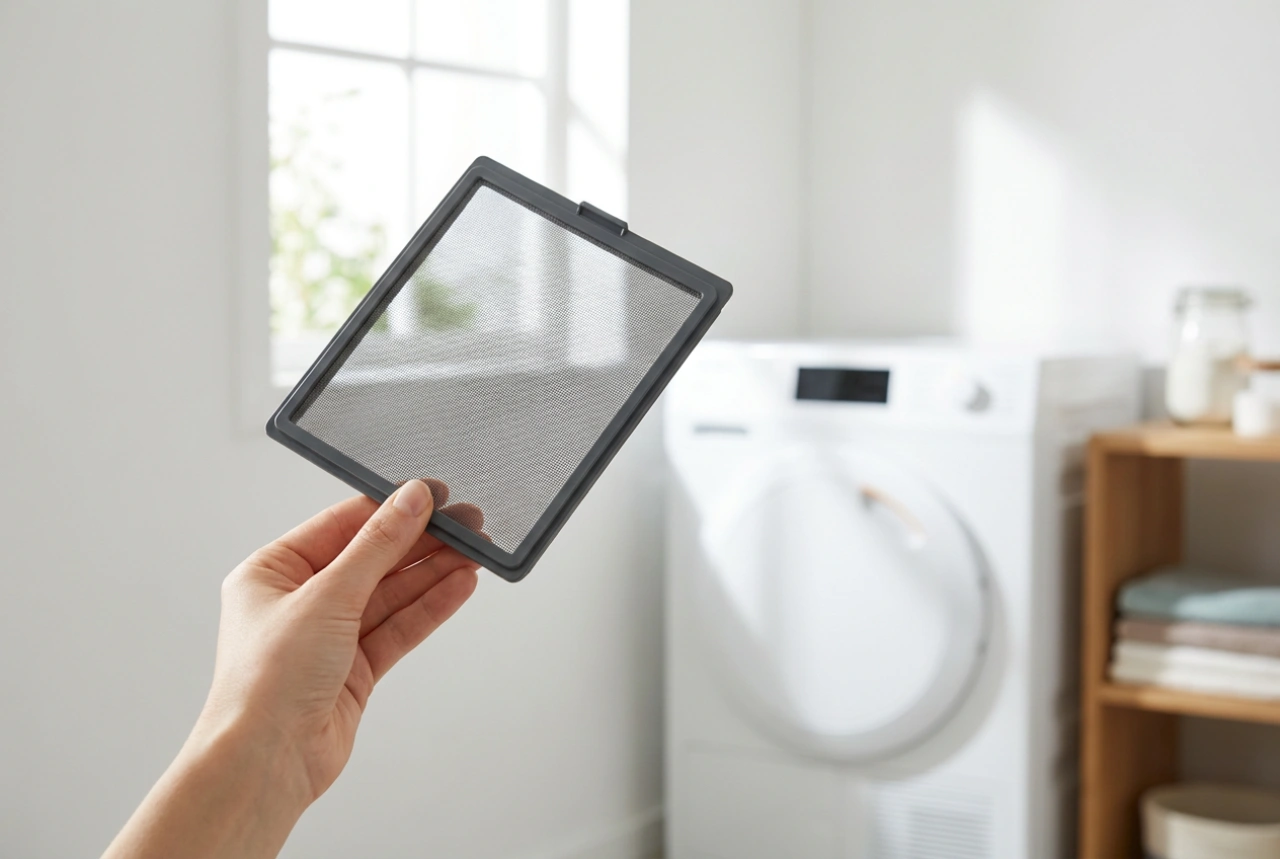
Combining washing machine discharge with dryer condensate creates a unique chemical challenge. Washing machine wastewater contains dissolved soap scum, fats, and microfibres, while dryer condensate contains fine lint. When these substances meet in a shared, narrow adapter, they bind together to form a highly resilient, felt-like clog.
To maintain a clear flow, inspect the shared siphon adapter every six months. Unscrew the spigots, flush out any accumulated lint, and ensure that the internal rubber check valves move freely and have not become brittle or coated in greasy deposits.