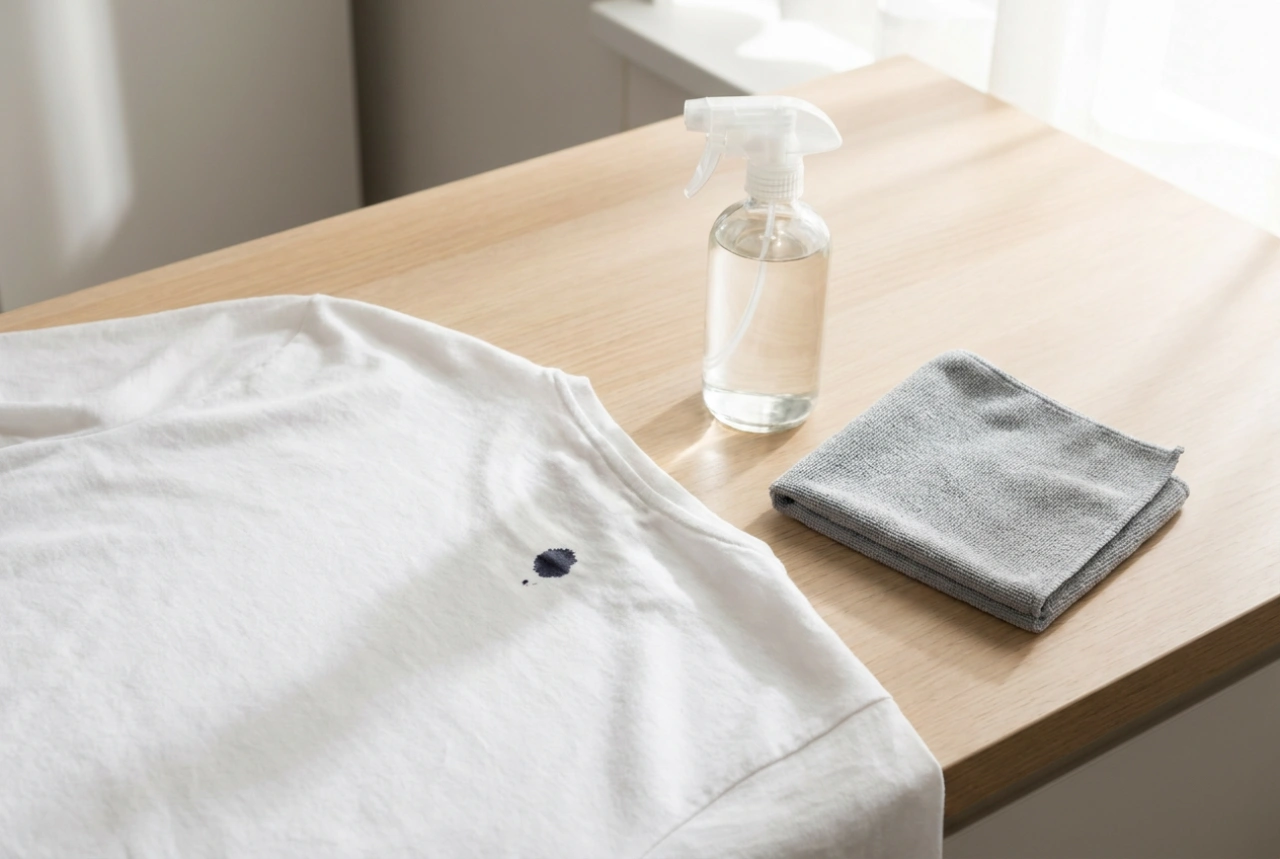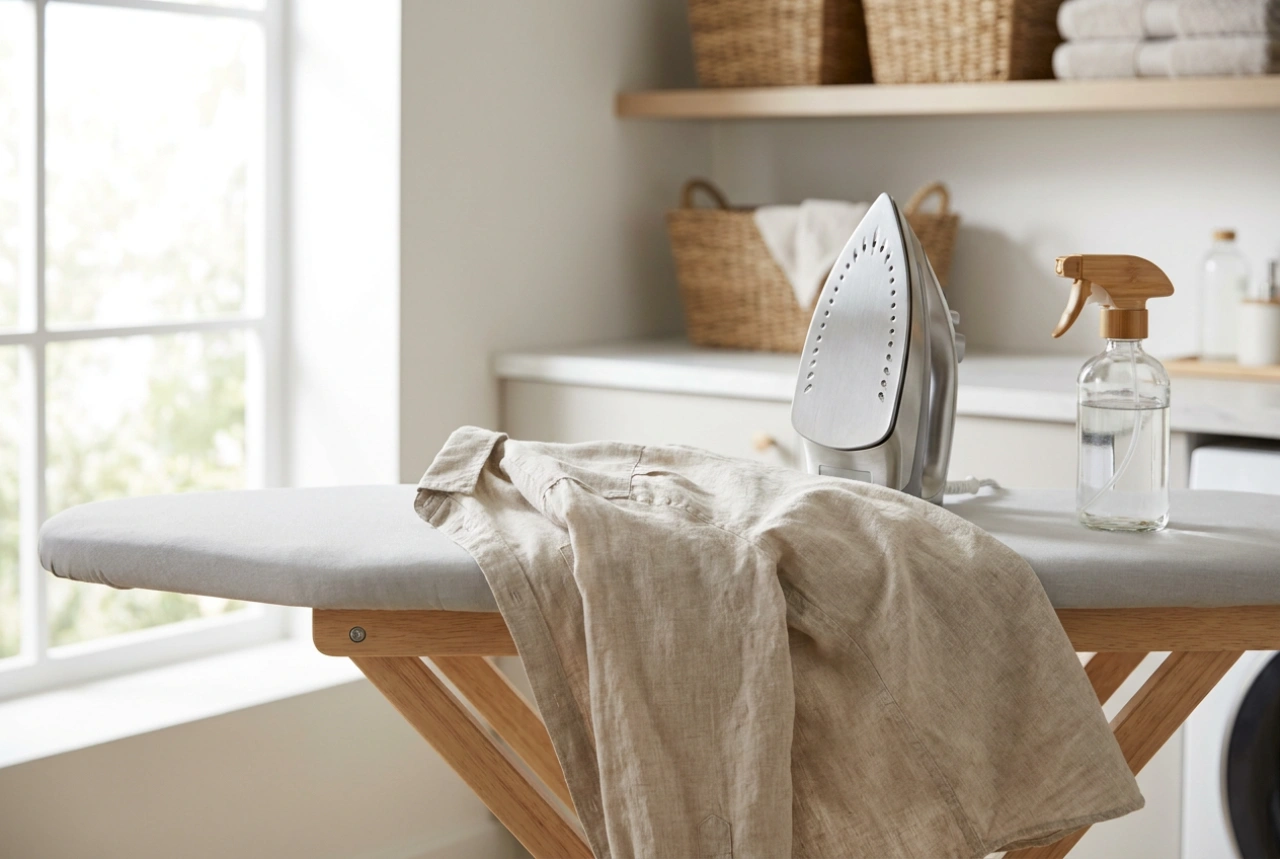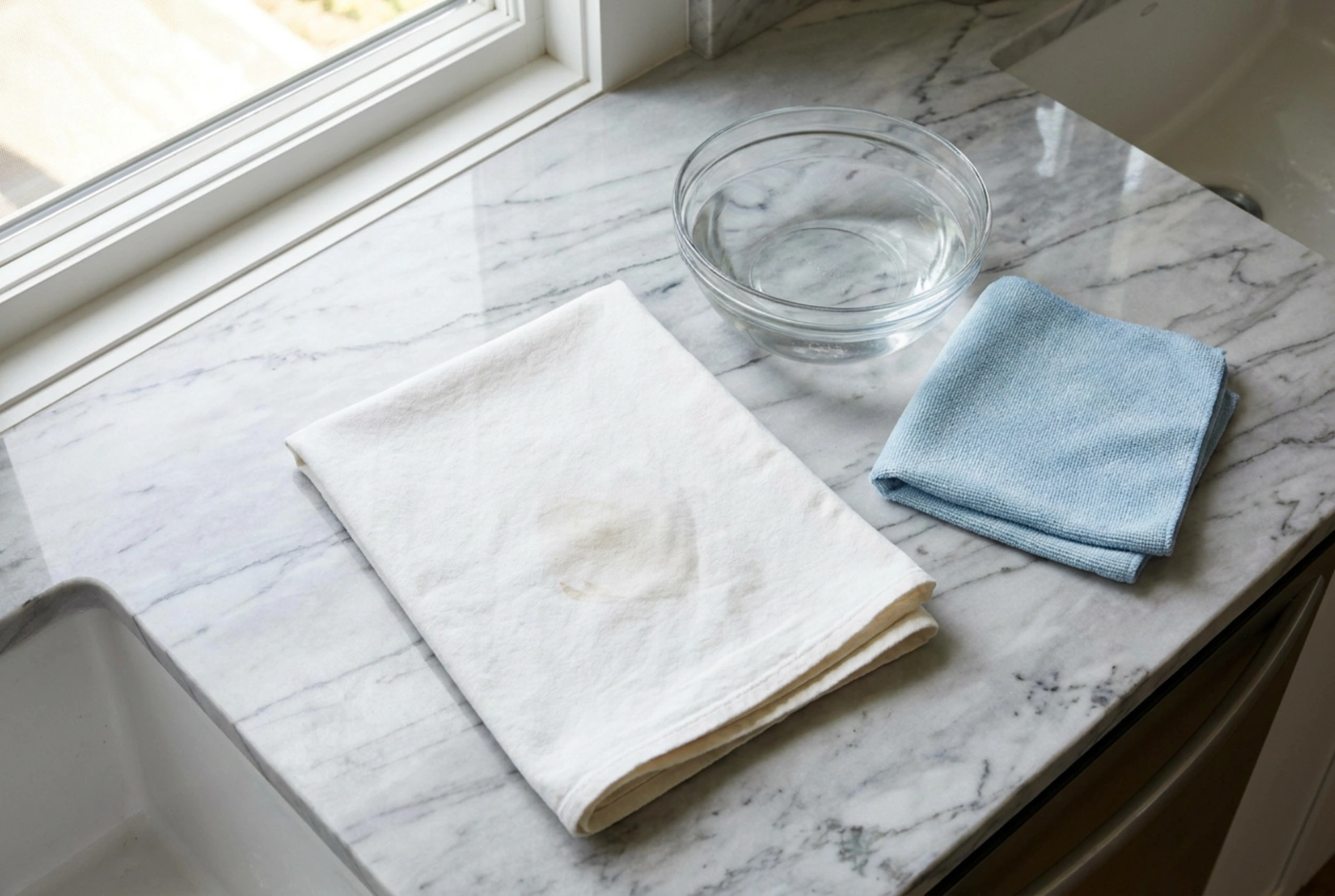


Dealing with a set-in ballpoint pen ink stain that has already undergone an unsuccessful washing or stain-removal attempt requires a targeted chemical strategy. Once the ink has dried, or worse, been exposed to heat, the polymer resins bind tightly to the textile fibres, demanding systematic re-solubilisation to lift the pigment safely.
The Chemistry of Dried Ink and Why Standard Washing Fails
To effectively remove ink that has already been treated or washed, it is essential to understand its molecular structure. Ballpoint pen ink is a highly concentrated mixture of synthetic pigments or dyes suspended in a solvent carrier—usually benzyl alcohol or phenoxyethanol—alongside synthetic resins and fatty acids. The resins act as binders, ensuring the ink adheres permanently to the writing surface.
When you wash the garment with standard household detergents, or subject it to the high heat of a tumble dryer, the original solvents evaporate completely. This causes the resins to cure, polymerising and locking the dye molecules deep within the capillary structure of the cotton, polyester, or linen fibres. Standard water-based surfactants cannot break these polymer bonds, which is why the stain remains unchanged or spreads into a faded grey halo. To reverse this process, you must introduce a solvent capable of dissolving the cured resin binder without degrading the fabric polymer itself.
Selecting the Correct Solvent for Cured Resins
Water alone cannot dissolve cured ballpoint resins. Instead, you must rely on organic solvents that share a similar polarity with the ink binders. The most effective and safe options for domestic textile care include:
- Isopropyl Alcohol (99%): This highly volatile organic solvent breaks down the resin matrix rapidly. Its molecular structure allows it to penetrate the cured binder, liquifying the resin and freeing the trapped pigment molecules.
- Vegetable Glycerin: A viscous, non-toxic humectant that works exceptionally well on older, dehydrated stains. Glycerin acts as a plasticiser, softening the hardened resin before the application of stronger solvents.
- Amyl Acetate: Useful specifically for sturdy natural fibres like cotton. However, aggressive solvents must never be used on delicate synthetic fibres like acetate, which dissolves completely under their influence.
Step-by-Step Reactivation and Extraction Protocol
When treating a previously washed stain, the physical technique is just as critical as the chemical agent. Rubbing or scrubbing must be avoided, as the mechanical friction pushes the liquefied pigment deeper into the yarn twist, causing permanent staining.
First, lay the garment flat on a hard, non-porous surface. Place a thick, clean white cotton cloth or several layers of absorbent paper towels directly underneath the stained area. This acts as a receiver pad, drawing the liquefied ink away from the garment via capillary action.
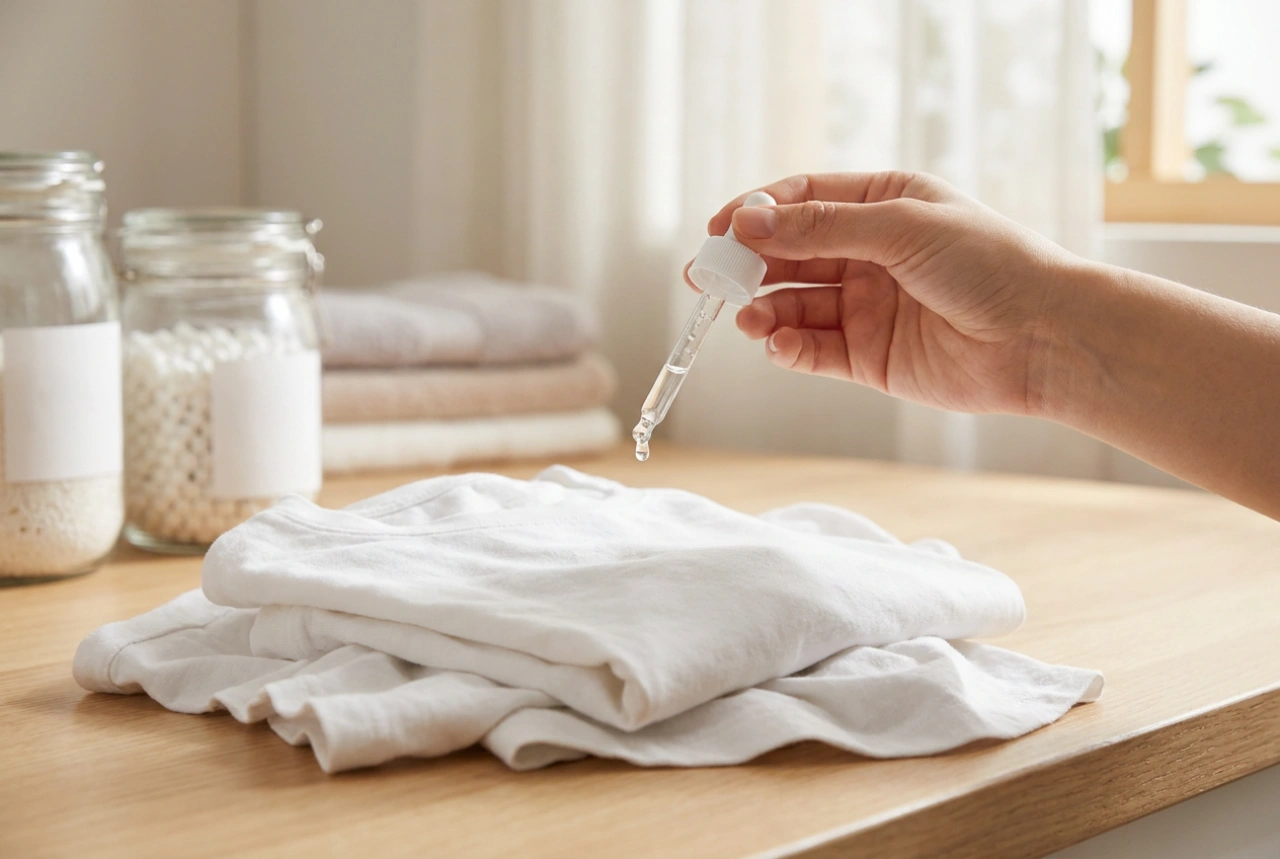
Apply a few drops of vegetable glycerin directly to the ink stain and gently massage it into the fibres using the rounded edge of a clean spoon or your fingernail through a plastic barrier. Allow it to sit for fifteen minutes to soften the cured binder. Next, saturate the area with isopropyl alcohol. You will immediately observe the ink beginning to bleed and liquefy.
Immediately press a clean, dry microfibre cloth firmly onto the stain. Do not wipe. Use a vertical, downward pressing motion to force the dissolved pigment down into the receiver pad and up into the pressing cloth. Shift the receiver pad and the pressing cloth to clean, dry sections constantly to prevent re-depositing the dissolved ink onto the fabric. Repeat this cycle of solvent application and blotting until no more ink transfers to the cloths.
Emulsification and the Final Wash
Once the bulk of the pigment has been extracted, a residual shadow may remain. This residue consists of microscopic pigment particles trapped in the outer layer of the fibres. To remove these, apply a highly concentrated liquid laundry detergent containing non-ionic surfactants directly to the damp area.
Non-ionic surfactants surround the pigment particles, forming micelles that keep the hydrophobic dye suspended in water. Work the detergent into a light lather using a soft-bristled brush in tight, circular motions. Rinse thoroughly with cool water. Avoid hot water at this stage, as any microscopic ink remnants could set permanently. Once the stain is completely gone, wash the garment in a standard machine cycle according to the fabric care label, and air-dry to verify the results.