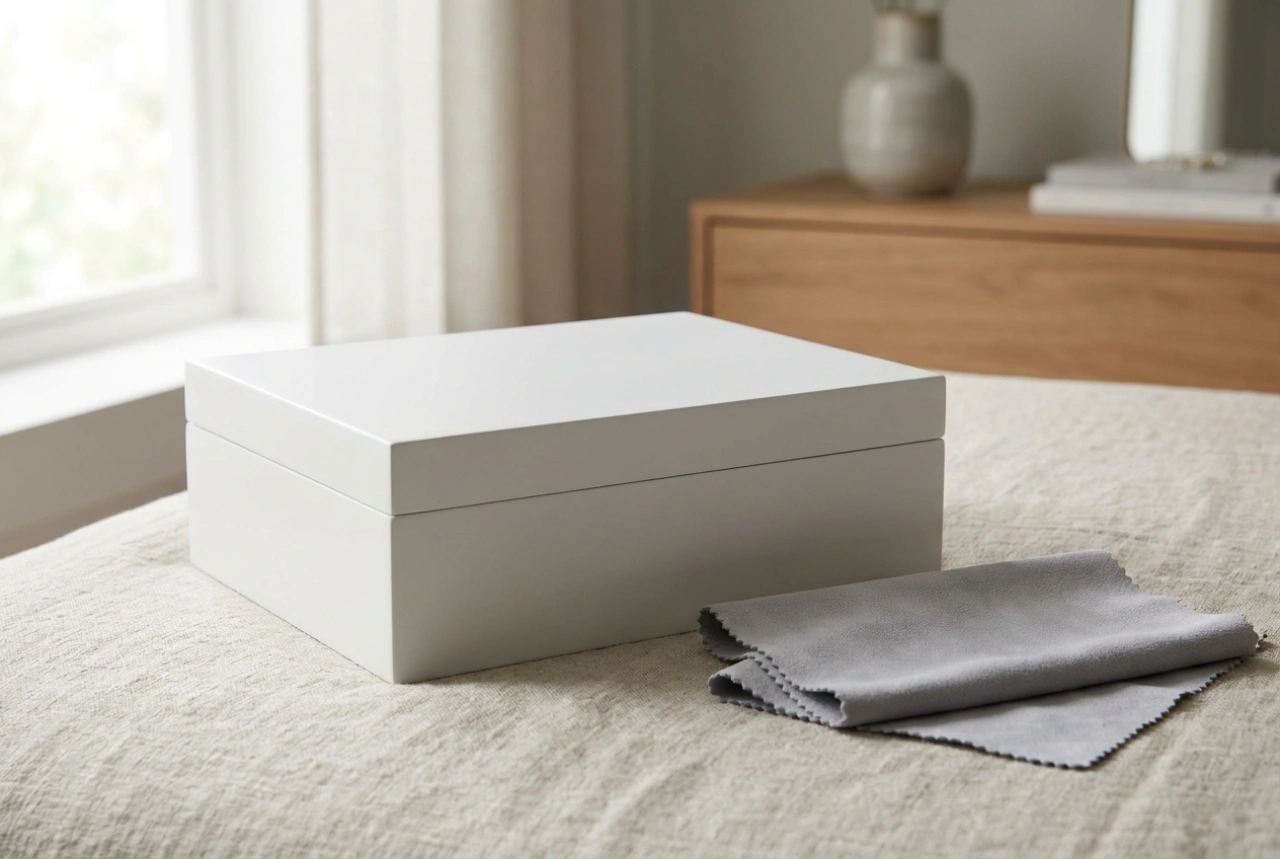


Properly managing spent batteries at home is crucial for preventing chemical leaks, short circuits, and potential thermal events. While a battery may no longer power a household device, it still retains a residual electrical charge and active chemical compounds that require careful handling.
The Science Behind Battery Hazard Risks
Understanding why spent batteries require specific storage conditions starts with electrochemistry. Even when a battery is deemed "dead" by an electronic appliance, it is rarely completely discharged. Inside the cell, chemical components such as potassium hydroxide in alkaline batteries, or lithium compounds in rechargeable variants, remain reactive. When multiple batteries are stored loosely in a drawer or container, their exposed terminals can easily touch.
This physical contact can complete an electrical circuit, especially if conductive materials like paperclips, keys, or aluminium foil are present. This sudden discharge generates intense localized heat, known as a short circuit, which can breach the battery casing or trigger thermal runaway. Furthermore, as alkaline batteries age, the internal zinc anode oxidizes, generating hydrogen gas. This pressure buildup can rupture the safety seals, leading to the leakage of highly corrosive potassium hydroxide, which damages surrounding surfaces and poses skin contact hazards.
Selecting the Ideal Household Container
To safely isolate batteries, the choice of storage vessel is paramount. You must select a non-conductive container that prevents any unwanted flow of electrical current. High-density polyethylene or polypropylene plastic boxes are highly suitable, as they are non-conductive, chemically inert, and physically robust. Glass jars are also non-conductive but carry a risk of breakage.
Never use metal containers, cookie tins, or boxes with metal clasps, as any contact between a battery terminal and the container wall can facilitate a short circuit. Additionally, the container should not be completely airtight. In the rare event of outgassing, an airtight container can pressurize, leading to a sudden release. A container with a loosely fitting lid or small ventilation holes provides the necessary pressure relief while keeping the contents protected from dust and moisture.
Step-by-Step Preparation and Sorting
Before placing any spent battery into your household storage container, you must execute a simple physical insulation procedure to eliminate terminal contact risks:
- Insulate the terminals: Apply a small piece of non-conductive electrical tape, such as standard vinyl or PVC tape, over the positive and negative terminals of each battery. This is absolutely critical for 9-volt batteries, where both terminals are closely positioned on the same end, and for lithium coin-cell batteries, which can easily short across their entire surface.
- Sort by electrochemical type: Keep different battery chemistries segregated. Do not mix standard alkaline batteries with lithium-ion, nickel-cadmium, or lead-acid batteries in the same loose pile. If a leak occurs, the mixing of different chemical agents can cause aggressive chemical reactions. Use small, separate plastic bags within your main container to maintain this division.
- Orient them uniformly: If space permits, store cylindrical batteries parallel to one another rather than in a chaotic heap, reducing the likelihood of terminal-to-terminal contact.
Optimal Environmental Placement
The physical location of your battery container within the home dictates the rate of natural chemical degradation. High temperatures accelerate chemical kinetics, increasing the rate of self-discharge and physical degradation of the battery's protective seals. Store the container in a cool, dry place, such as a pantry, utility closet, or dedicated drawer, away from direct sunlight, radiators, or heat-producing kitchen appliances.
Avoid areas with high humidity, such as bathrooms or damp basements. Moisture promotes atmospheric corrosion on the steel casing of the batteries, weakening the structural integrity of the cell and leading to premature rust and leakage. While cold storage is often rumored to preserve batteries, storing them in a domestic refrigerator is not recommended due to internal condensation risks when the cold battery is exposed to warm, humid room air.