

Maintaining a ceramic toilet brush and its holder is essential not only for aesthetics but also to prevent the build-up of pathogenic bacteria and mineral deposits. Because glazed ceramic is highly durable yet susceptible to micro-scratches, choosing the correct chemical agents and physical techniques is crucial to preserving the material while ensuring total sanitisation.
Understanding the Material: Ceramic and Bristle Chemistry
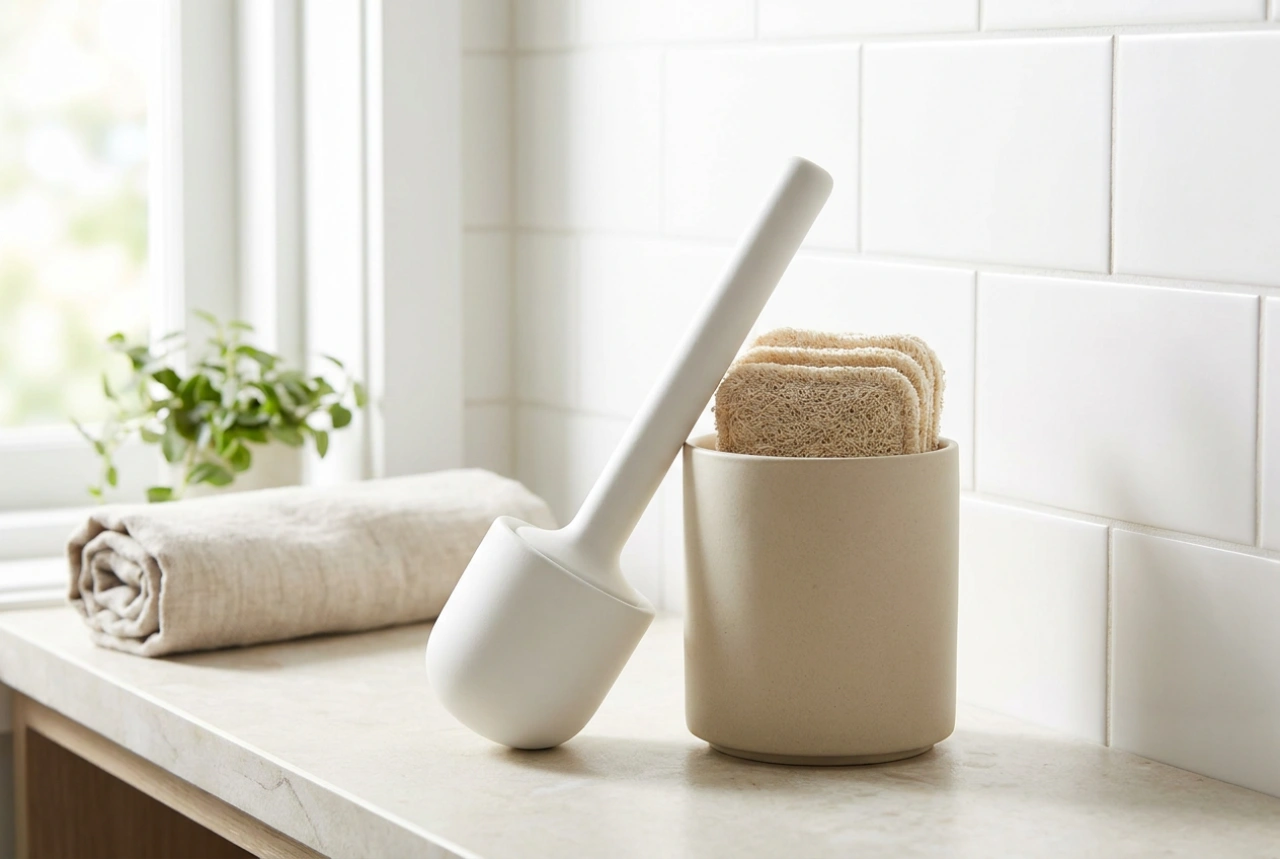
Ceramic toilet brush holders are typically made of stoneware or porcelain coated with a vitreous glaze. This glaze creates a non-porous barrier that resists water and chemical staining. However, over time, hard water minerals—specifically calcium carbonate and magnesium—precipitate out of stagnant water dripping from the brush, forming a crusty layer inside the holder. This limescale creates a textured surface where organic matter and bacteria can easily cling.
The brush itself is usually composed of synthetic bristles, such as nylon or polypropylene, secured to a plastic or metal wire core. Cleaning these components requires a two-pronged approach: dissolving the alkaline mineral deposits and destroying the biological pathogens. Using harsh abrasives or highly corrosive acids can strip the protective glaze from the ceramic or corrode the brush's metal binding, leading to rust stains and premature wear.
The Step-by-Step Sanitisation Protocol
For an effective and hygienic clean, follow a strict order of operations to minimise splash risks and ensure maximum contact time for the cleaning agents.
- Preparation and Emptying: Put on protective gloves. Pour any standing water from the ceramic holder directly into the toilet bowl. Flush the toilet to clear any waste.
- The Acid Soak: To dissolve mineral deposits inside the ceramic holder, pour a solution of warm water and citric acid (approximately two tablespoons of citric acid powder per 500 ml of water) directly into the canister. Let it sit for 20 to 30 minutes. The acid reacts with the calcium carbonate, converting it into soluble calcium citrate, which easily rinses away.
- The Brush Disinfection: Place the brush inside the toilet bowl, pinning the handle under the toilet seat so the bristle head is suspended in the bowl water. Add a tablespoon of oxygen bleach (sodium percarbonate) directly into the toilet water. Oxygen bleach releases active oxygen when dissolved in water warmer than 40°C, breaking down organic matter and sanitising the synthetic bristles without releasing toxic chlorine fumes.
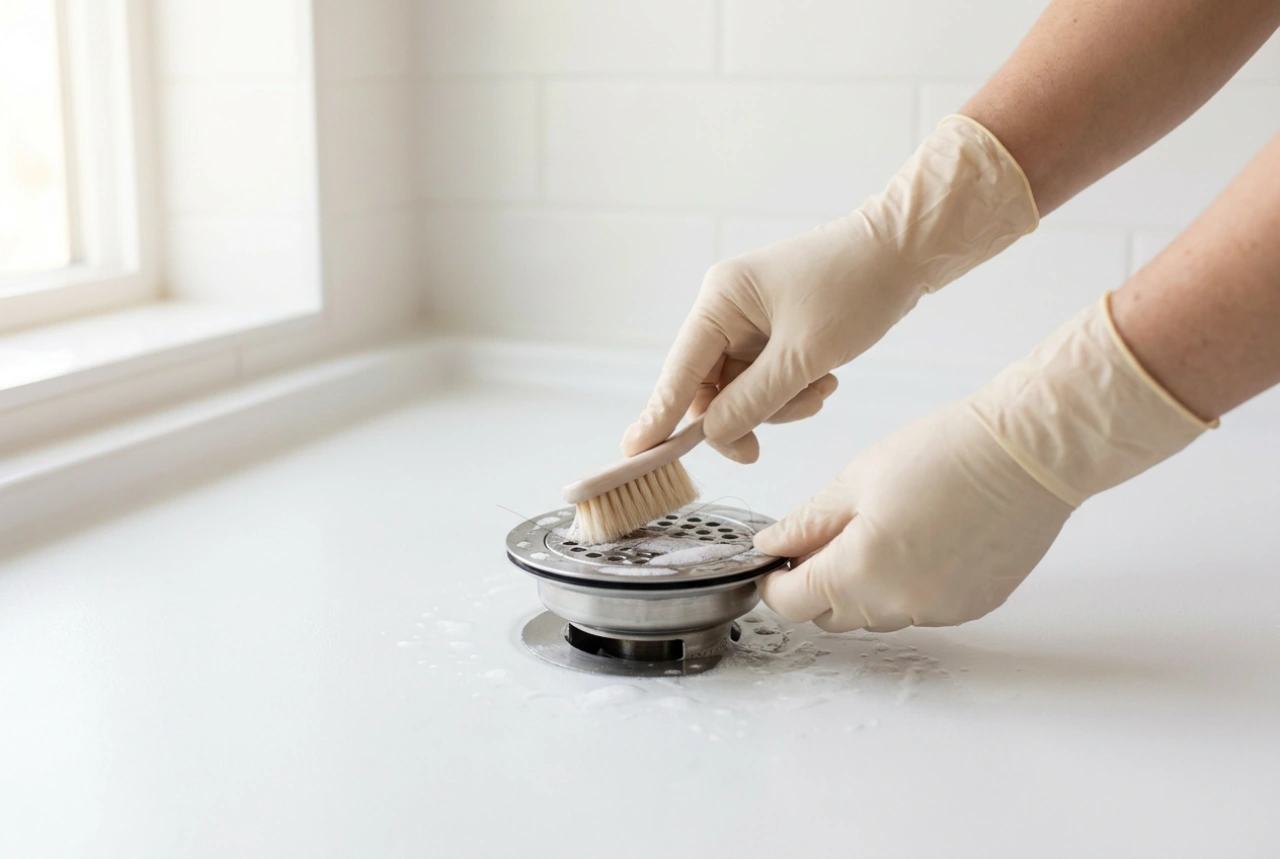
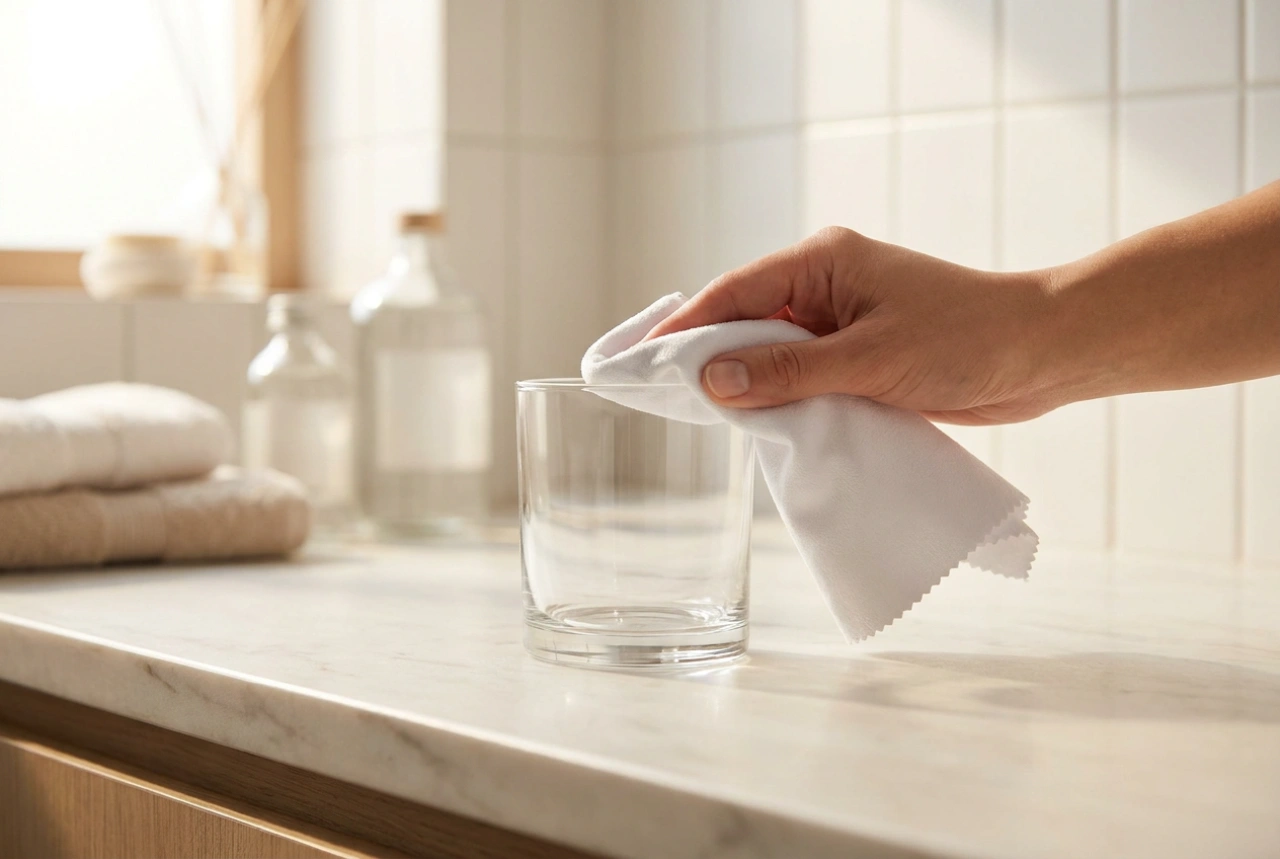
- Scrubbing and Rinsing: Use a non-abrasive microfibre cloth or a soft-bristled utility brush to scrub the interior of the ceramic holder. Avoid steel wool or stiff wire brushes, which can cause micro-abrasions in the ceramic glaze. Rinse both the holder and the brush thoroughly with clean, warm water.
The Chemistry of Mineral and Bacterial Removal
Why do these specific agents work so well? Citric acid is an organic chelating agent. When it encounters limescale, it binds to the calcium ions, breaking the mineral matrix apart. This is far gentler on ceramic glazes than mineral acids like hydrochloric acid, which can dull the gloss over time.
For sanitisation, oxygen bleach is highly recommended over chlorine-based bleaches for regular maintenance. Sodium percarbonate breaks down into sodium carbonate (washing soda) and hydrogen peroxide. The hydrogen peroxide oxidises the cell walls of bacteria, yeasts, and viruses, rendering them inactive. This reaction is highly efficient and leaves behind no toxic residues, only oxygen, water, and soda ash. This is highly beneficial for homes with septic systems and preserves the structural integrity of plastic bristles, which can become brittle and snap when exposed to concentrated chlorine bleach.
Daily Maintenance to Prevent Stagnant Water
The key to keeping a ceramic toilet brush holder clean is preventing the accumulation of standing water. When a wet brush is placed directly back into its holder, it creates a dark, humid environment that promotes rapid bacterial proliferation and anaerobic decay, leading to unpleasant odours.
To prevent this, always allow the brush to drip-dry before storing it. After cleaning the toilet, rest the wet brush handle across the toilet rim, pinching it under the toilet seat. Let it suspend over the bowl for 10 to 15 minutes until the excess water has drained completely. For added protection, place a few drops of a natural essential oil, such as tea tree or eucalyptus, at the bottom of the dry ceramic holder; these oils possess natural antimicrobial properties and help control odours between deep cleanings.