

Old liquid foundation stains on collars and blouses can feel impossible to shift once the cosmetic pigments and oils have fully bonded with the fabric fibres. By applying targeted chemical principles and the correct mechanical techniques, you can safely break down these stubborn compounds without damaging your garments.
Understanding the Chemistry of Cosmetics on Fabric
Modern foundations are formulated to resist water, sweat, and sebum, relying on complex mixtures of silicones, mineral oils, waxes, and heavy pigments like titanium dioxide and iron oxides. When these substances transfer onto clothing, they form a hydrophobic barrier. Standard laundry detergents often fail to penetrate this oily shield, especially after the stain has dried and oxidised over time. To remove the stain, you must first dissolve the binding oils and silicones before attempting to wash away the pigment particles.
Step 1: Breaking the Oil and Silicone Barrier
Because oil is hydrophobic, water alone will not dislodge it. You must introduce a surfactant or a solvent capable of breaking the emulsification barrier. For cotton and synthetic blends, liquid dishwashing soap or isopropyl alcohol are highly effective tools.
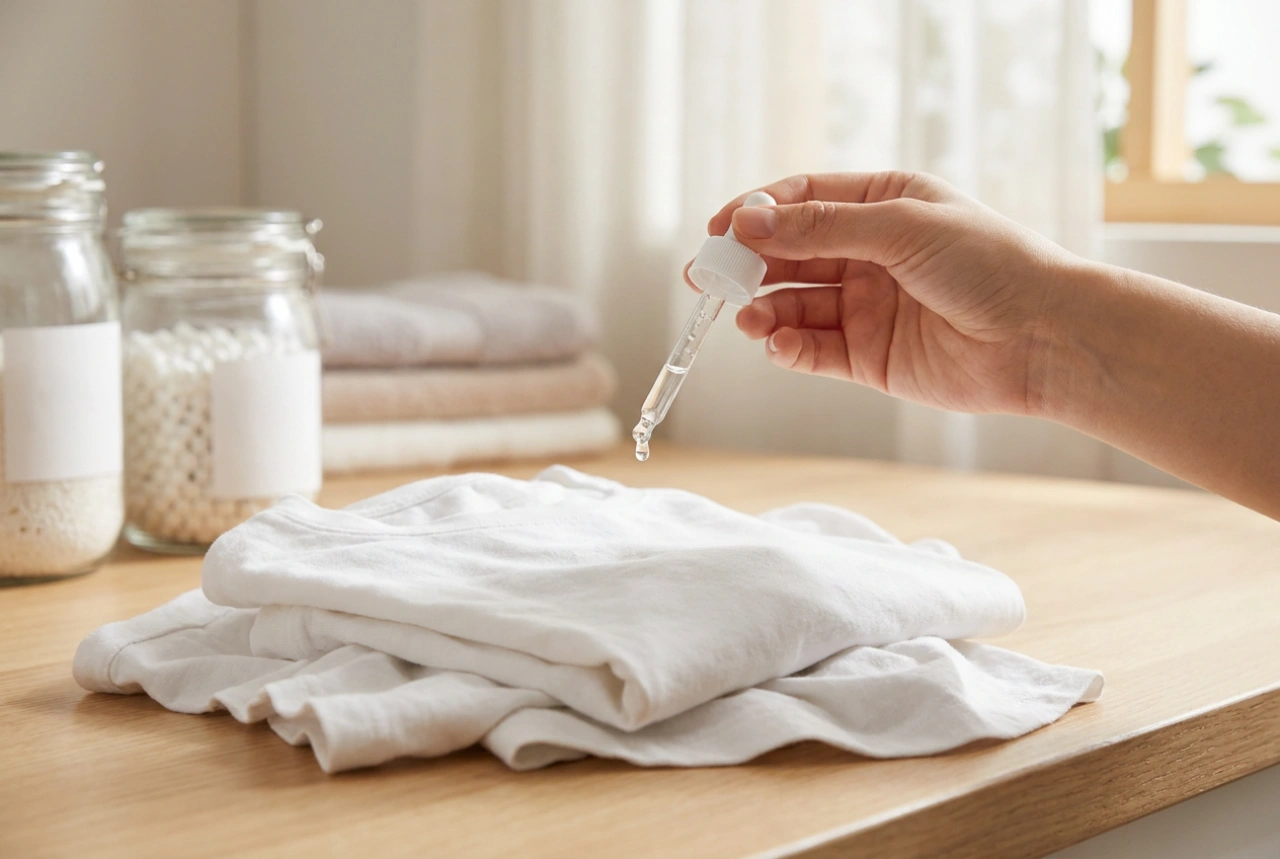
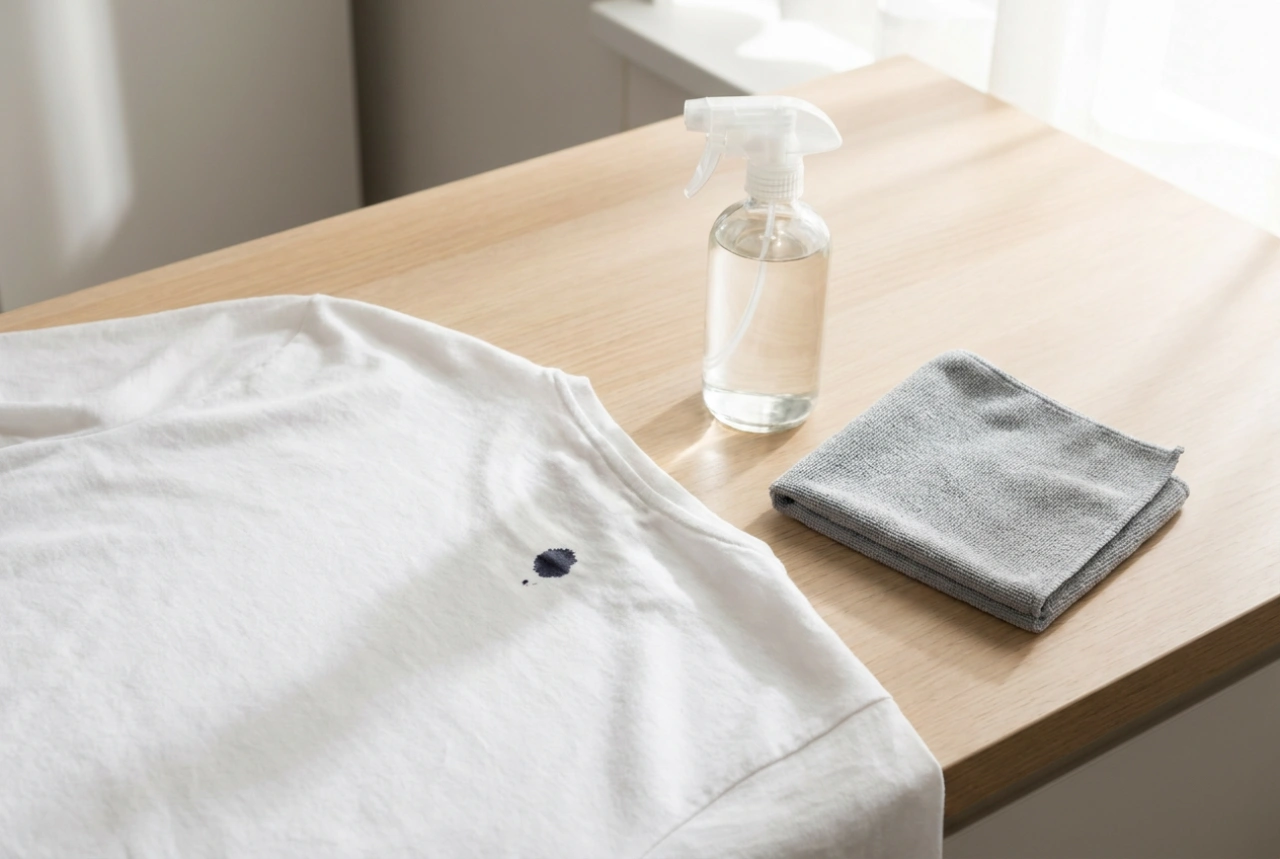
- Isopropyl Alcohol: Highly effective for synthetic fabrics like polyester. It acts as a solvent, rapidly dissolving silicone and oil matrices. Apply a few drops to a clean microfibre cloth and gently press it onto the stain to lift the dissolved pigments. Do not rub, as this spreads the stain.
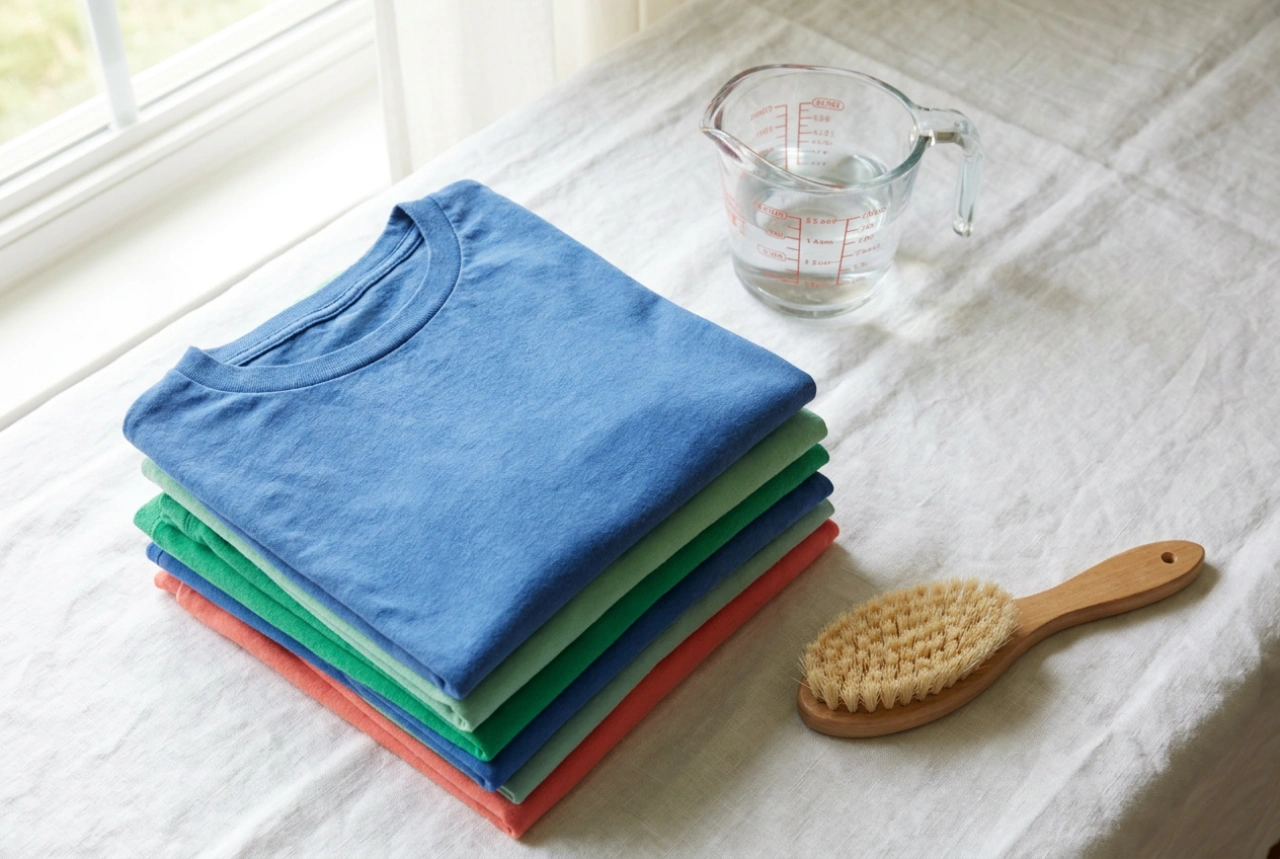
- Concentrated Dishwashing Liquid: Ideal for cotton and linen. These liquids contain high concentrations of surfactants that surround oil molecules, making them water-soluble. Apply a small drop of clear, dye-free dishwashing liquid directly to the dry stain. Work it gently into the fibres using a soft-bristled brush in circular motions, moving from the outer edges inward.
Step 2: The Importance of Temperature and Mechanical Action
Applying high heat too early in the stain-removal process is a common error that can permanently set pigments into the fabric matrix. Hot water can cause the proteins and pigments in the foundation to bind irreversibly with the textile fibres. Always use lukewarm or cool water for the initial rinsing stage.
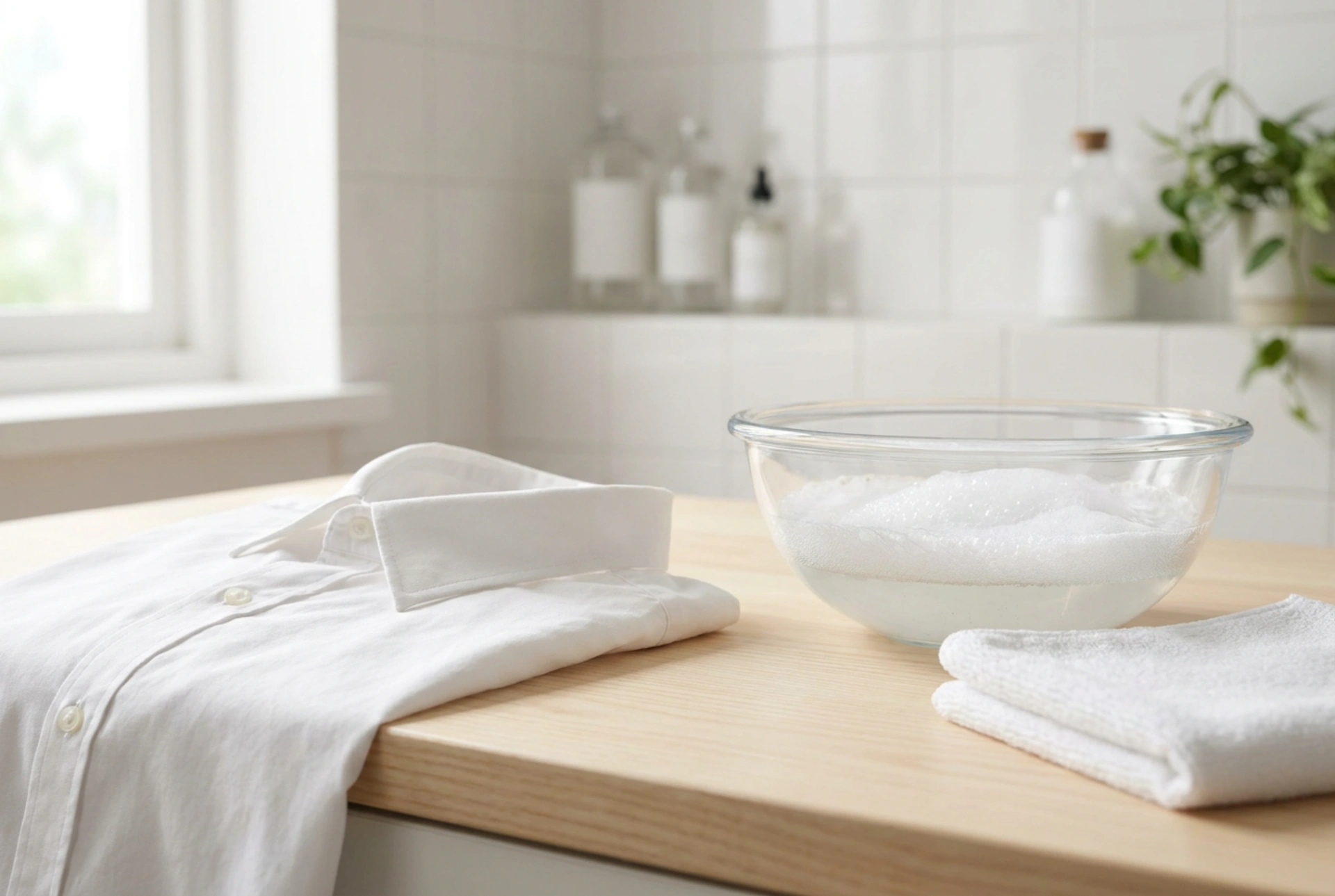
The physical technique you use is just as critical as the chemical agent. Rubbing the fabric vigorously against itself or using a coarse brush can fray the fibres and push the micro-pigments deeper into the weave. Instead, employ the tap and blot method. Place a clean, dry white towel underneath the stained collar. Tap the stained area from behind with a damp cloth to push the dissolved foundation out of the garment and onto the towel beneath.
Step 3: Eliminating Residual Pigment Shadowing
Even after the oily binder is successfully dissolved and rinsed away, a faint beige or orange shadow may remain. This is caused by the residual mineral pigments trapped between the fabric threads. To eliminate this shadow, you need an oxidising agent.
Oxygen bleach (sodium percarbonate) is highly effective for this stage. Unlike chlorine-based bleaches, which can weaken fibres and yellow synthetic materials, oxygen bleach releases hydrogen peroxide when mixed with water, safely breaking down the pigment molecules. Dissolve one tablespoon of oxygen bleach powder in warm water, submerge the stained area, and allow it to soak for at least two hours before running the garment through a standard gentle wash cycle.
An Easy Diagnostic Protocol
For a quick reference during laundry day, follow this sequence of operations:
- Dry Pre-treatment: Apply liquid dishwashing soap or isopropyl alcohol directly to the dry fabric to tackle the oily base.
- Dwell Time: Let the surfactant sit for 10 to 15 minutes to fully penetrate the dried layer.
- Blotting: Use a microfibre cloth to blot from the outside in, transferring the pigment away from the garment.
- Rinse: Rinse thoroughly with lukewarm water to wash away the emulsified soap and oil.
- Oxidise: Soak in oxygen bleach if any pigment shadow persists.