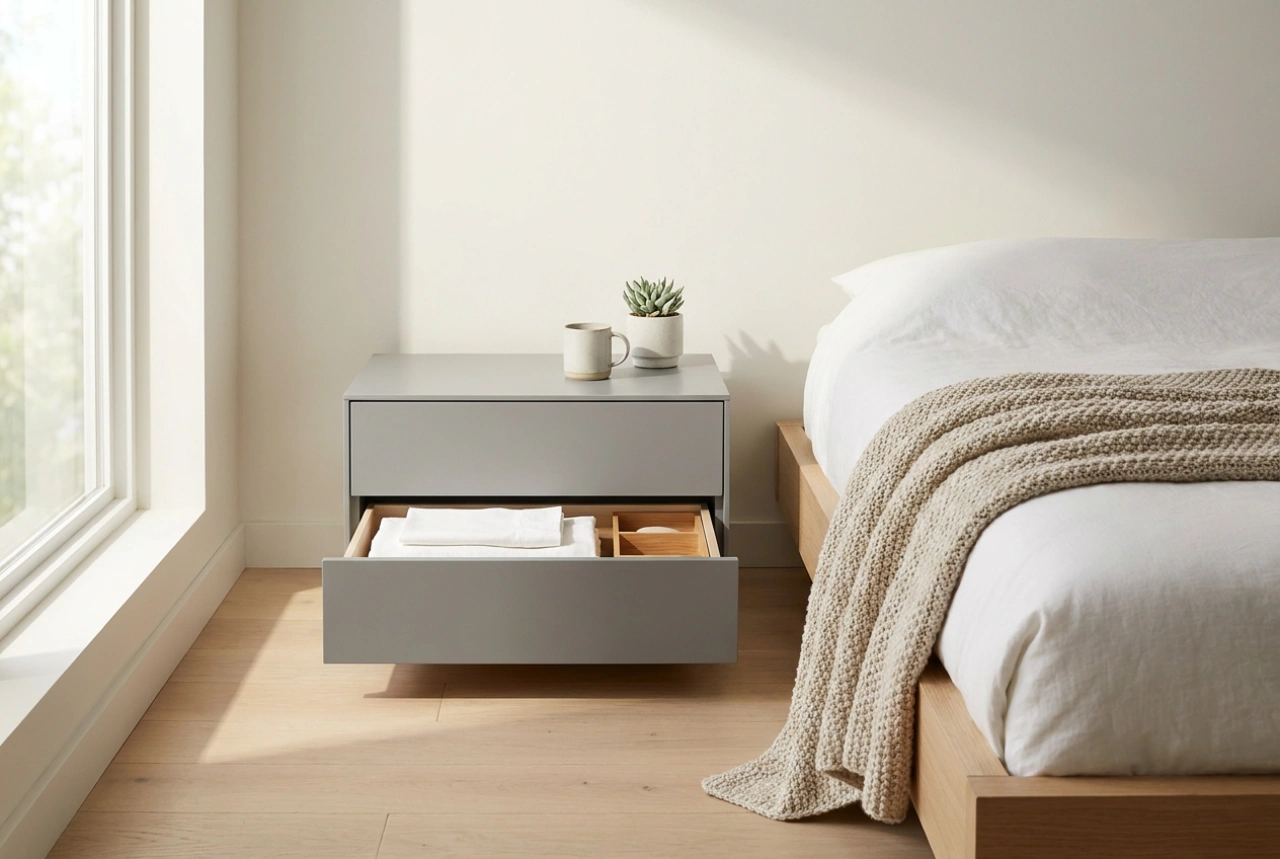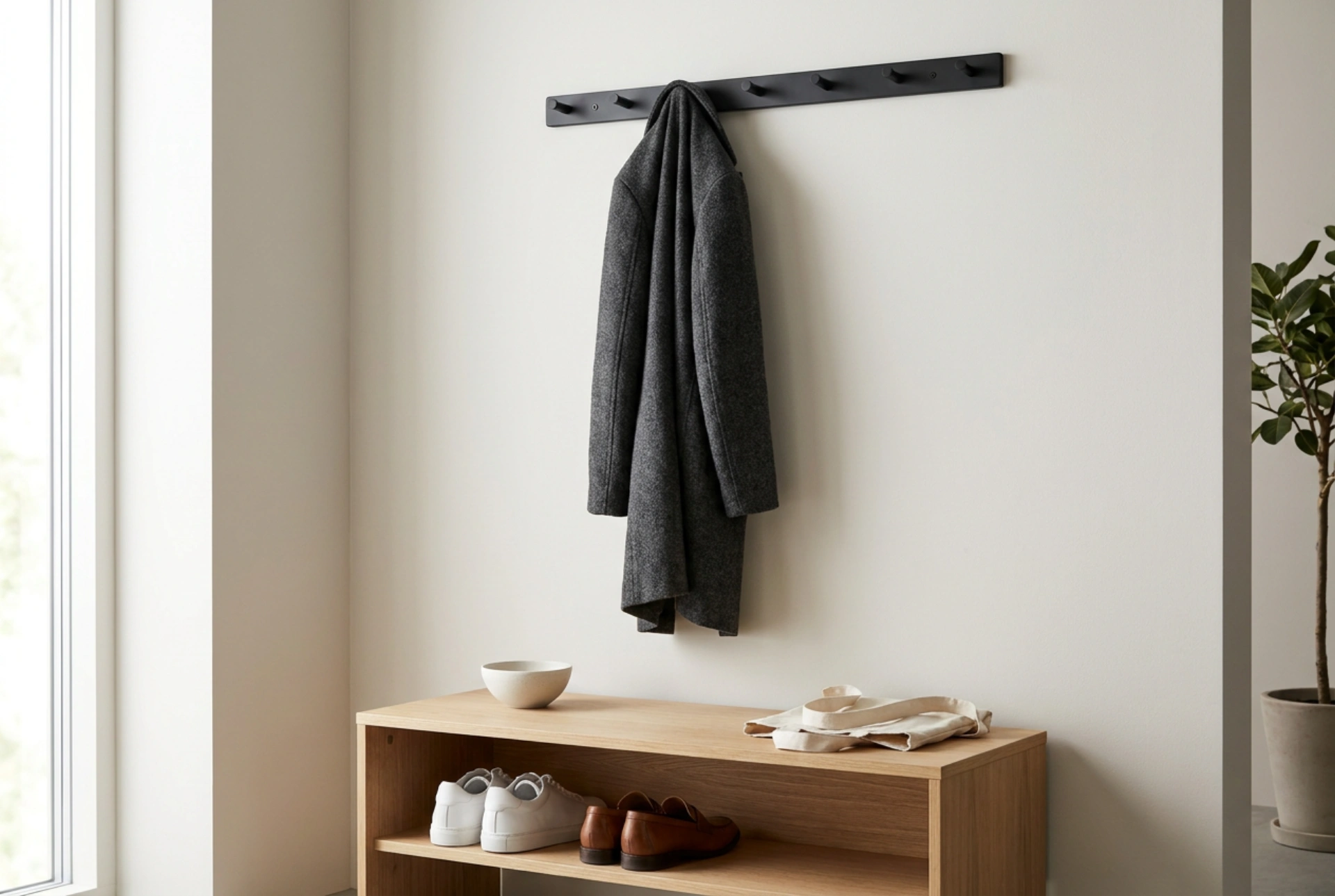


Designing an efficient hallway entry zone requires a deep understanding of spatial ergonomics, material durability, and microclimate control. The entryway is the primary barrier between external environmental factors and the regulated climate of your home, making the choice and positioning of your coat rack and cabinet critical for both daily flow and material preservation.
The Microclimate of the Entryway: Humidity and Material Integrity
The hallway experiences the most violent fluctuations in temperature and relative humidity within the household. Every time the external door opens, a draft of cold or hot air meets the internal climate, causing rapid condensation on cold surfaces. Furthermore, wet outerwear introduces liquid water directly onto your storage units.
When selecting or constructing a hallway cabinet with an integrated coat rack, material science must guide your choice. Medium-Density Fibreboard (MDF) and particle board are highly susceptible to moisture ingress if the edge banding is compromised. When water penetrates these engineered woods, the urea-formaldehyde or polyurethane binders weaken, leading to irreversible thickness swelling. For this high-stress zone, choose materials with high-pressure laminate (HPL) surfaces or solid hardwoods treated with hydrophobic, vapour-permeable oils. These finishes allow the wood to breathe—absorbing and releasing moisture molecularly without structural warping or delamination of the surface layers.
Aerodynamics of Drying: Why Hook Spacing and Ventilation Matter
Hanging wet coats directly against a solid back panel is a common design error that promotes the growth of mould and mildew. Without proper air circulation, moisture trapped between the fabric and the cabinet panel cannot evaporate. This creates a stagnant microenvironment with high relative humidity, ideal for fungal spores to colonise.
- Clearance Gap: Ensure the coat rack is mounted with a spacer or designed with a projecting rail that keeps wet garments at least 5 to 8 centimetres away from the rear wall or cabinet panel. This gap allows for convection currents—warm air rises, drawing cool air from below, which accelerates the evaporation of moisture from the fabric.
- Hook Distribution: Distribute hooks at a minimum of 15-centimetre intervals. Overcrowding garments restricts airflow, traps dampness, and compresses insulated jacket fillings, which can permanently degrade their thermal efficiency.
- Load-Bearing Physics: A single wet winter coat can exert a downward force of up to 50 Newtons (approximately 5 kilograms). Ensure wall-anchored coat racks utilise appropriate mechanical fixings—such as heavy-duty nylon expansion plugs for masonry or toggle bolts for plasterboard—to distribute shear stress evenly across the substrate.
Ergonomics of the Drop Zone and Footwear Storage
An entry zone must accommodate the physical kinematics of arriving and departing. The human body requires specific clearances to remove shoes and coats without losing balance. Integrating a low cabinet that doubles as a seating bench is an ideal solution that merges structural stability with functional storage.
The optimal height for an entryway bench is between 40 and 45 centimetres, which aligns with standard ergonomic seating requirements. Beneath this bench, shoe storage must be designed to handle both dry dirt and liquid runoff. Avoid solid timber shelves for wet footwear. Instead, opt for open metal wire grates or removable, high-density polyethylene (HDPE) trays. These materials resist the corrosive effects of road salts (sodium chloride and calcium chloride) brought in during winter and prevent standing water from pooling on wooden structural elements, eliminating the risk of dry rot.
Surface Protection and Chemical Maintenance
Hallway furniture is subjected to high mechanical wear from metal keys, zippers, and abrasive dirt particles. Protecting these surfaces requires a systematic approach to cleaning and material preservation. Avoid using generic household polishes containing non-volatile silicones, as these build up a tacky layer that attracts and binds airborne dust.
To clean wooden or laminated cabinet surfaces, use a highly diluted, pH-neutral surfactant solution. Apply the solution using a microfibre cloth, which utilises capillary action to lift dirt away from the surface pores rather than pushing it deeper. For brass, steel, or anodised aluminium hooks, a simple wipe with an isopropyl alcohol solution (70% concentration) will sanitise the surface and strip away hand oils without leaving a residue that could oxidise or tarnish the metal over time.