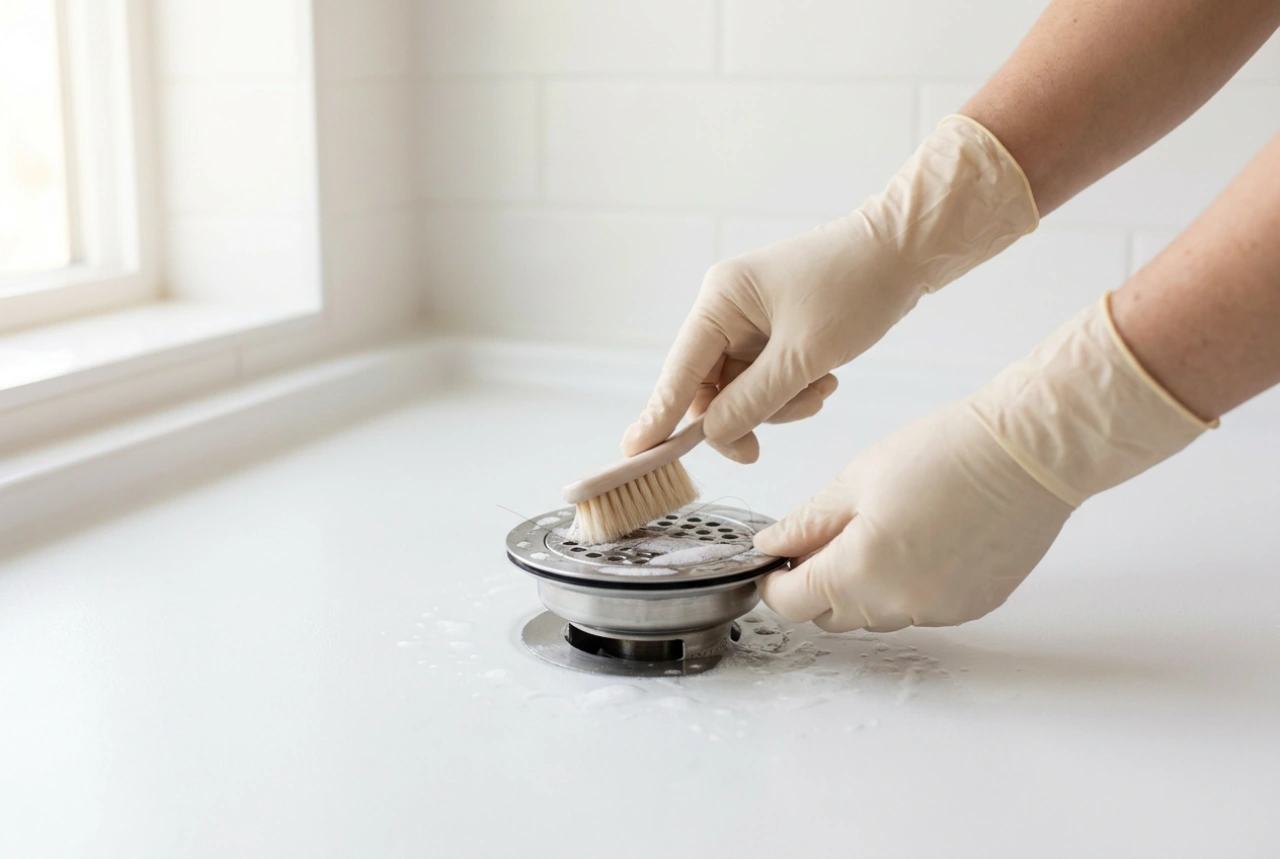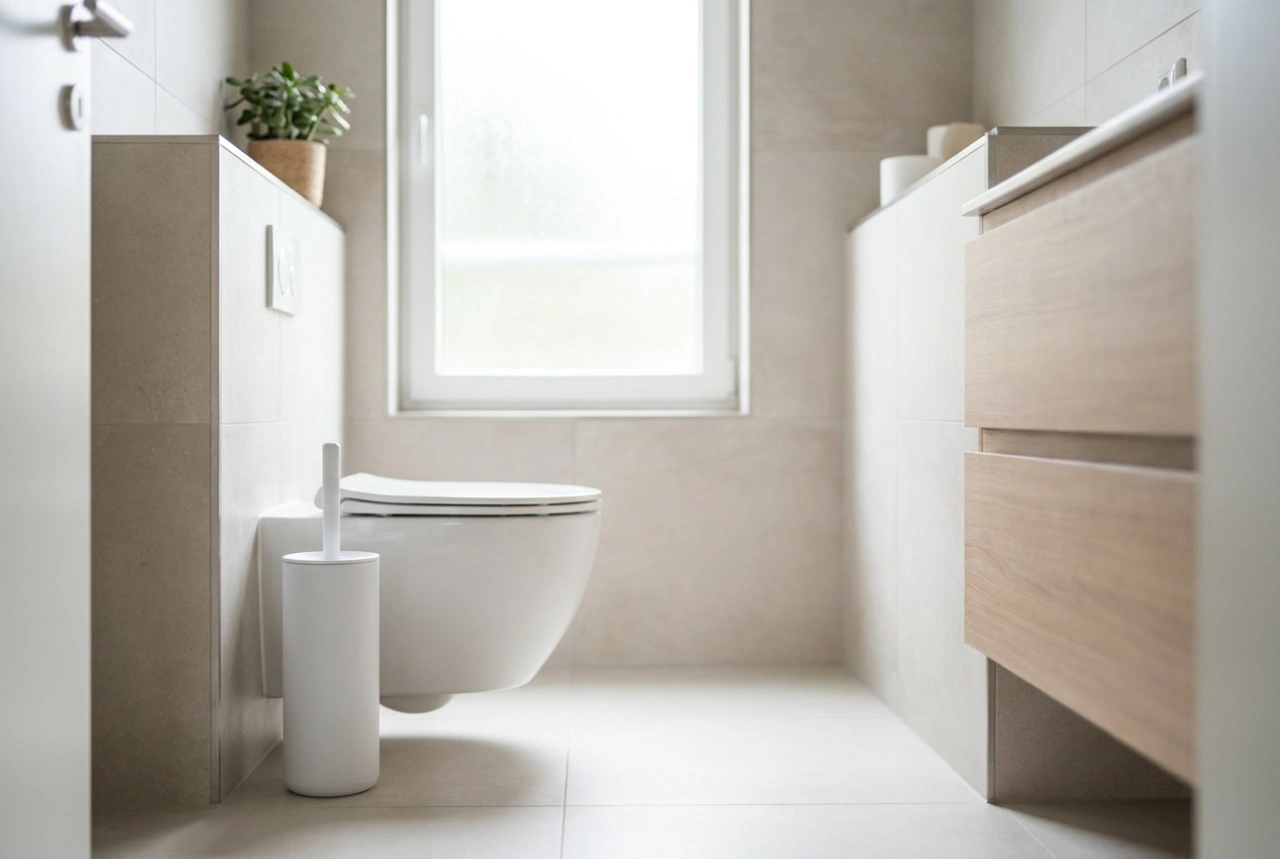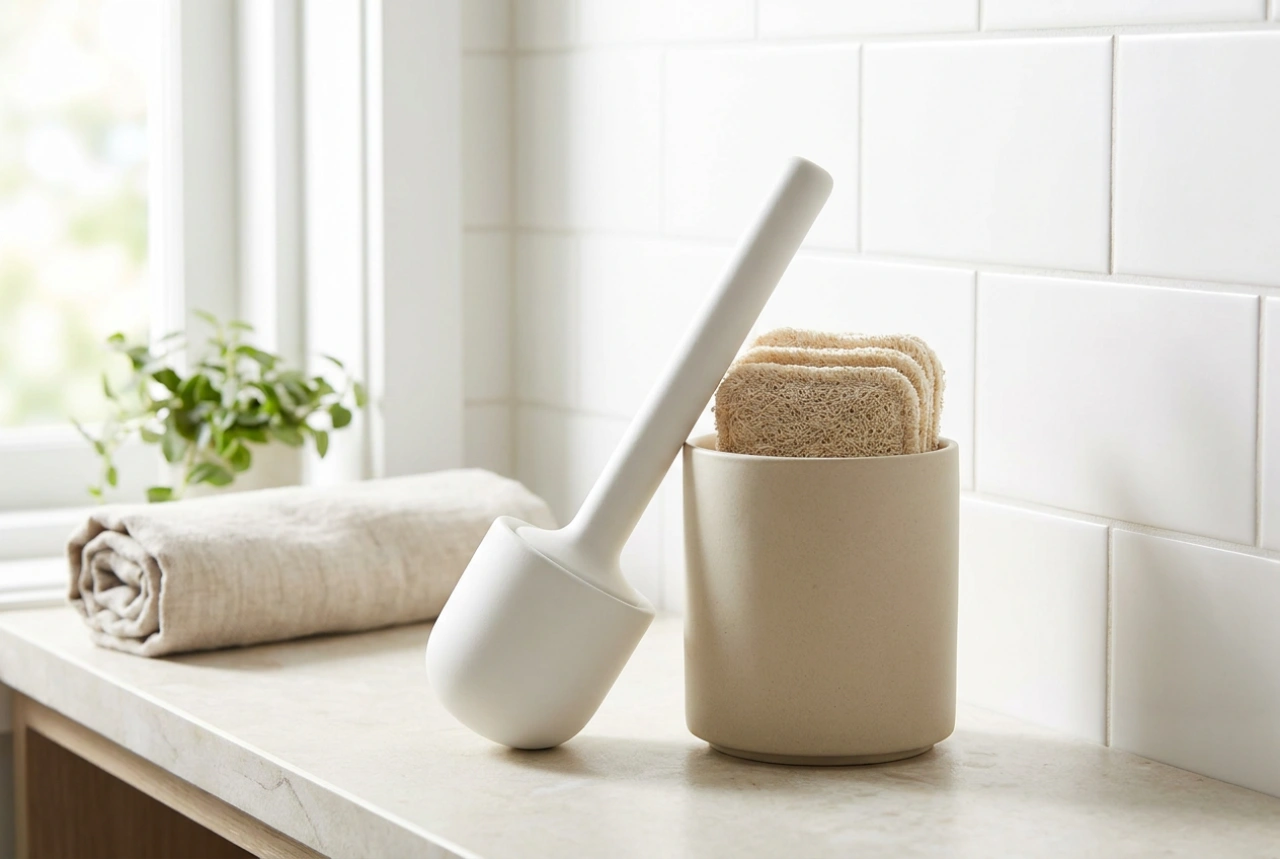


Selecting the right toilet brush is not a matter of aesthetics, but of material science, geometry, and hygiene physics designed to keep ceramic surfaces pristine without damaging the protective glaze.
The Physics of Bristles: Silicone vs. Nylon
To understand which toilet brush performs best, we must examine the materials at a microscopic level. Traditional toilet brushes rely on nylon bristles. Nylon is a synthetic polymer known for its high tensile strength and elasticity. Under mechanical pressure, nylon bristles bend and scrape against the porcelain surface, shearing away organic buildup and mineral deposits. However, nylon possesses high capillary action. Liquid clings to the spaces between the tightly packed bristles, trapping dirty water and microbes. Over time, these bristles fray, creating micro-cracks that harbor pathogens and reduce cleaning efficiency.
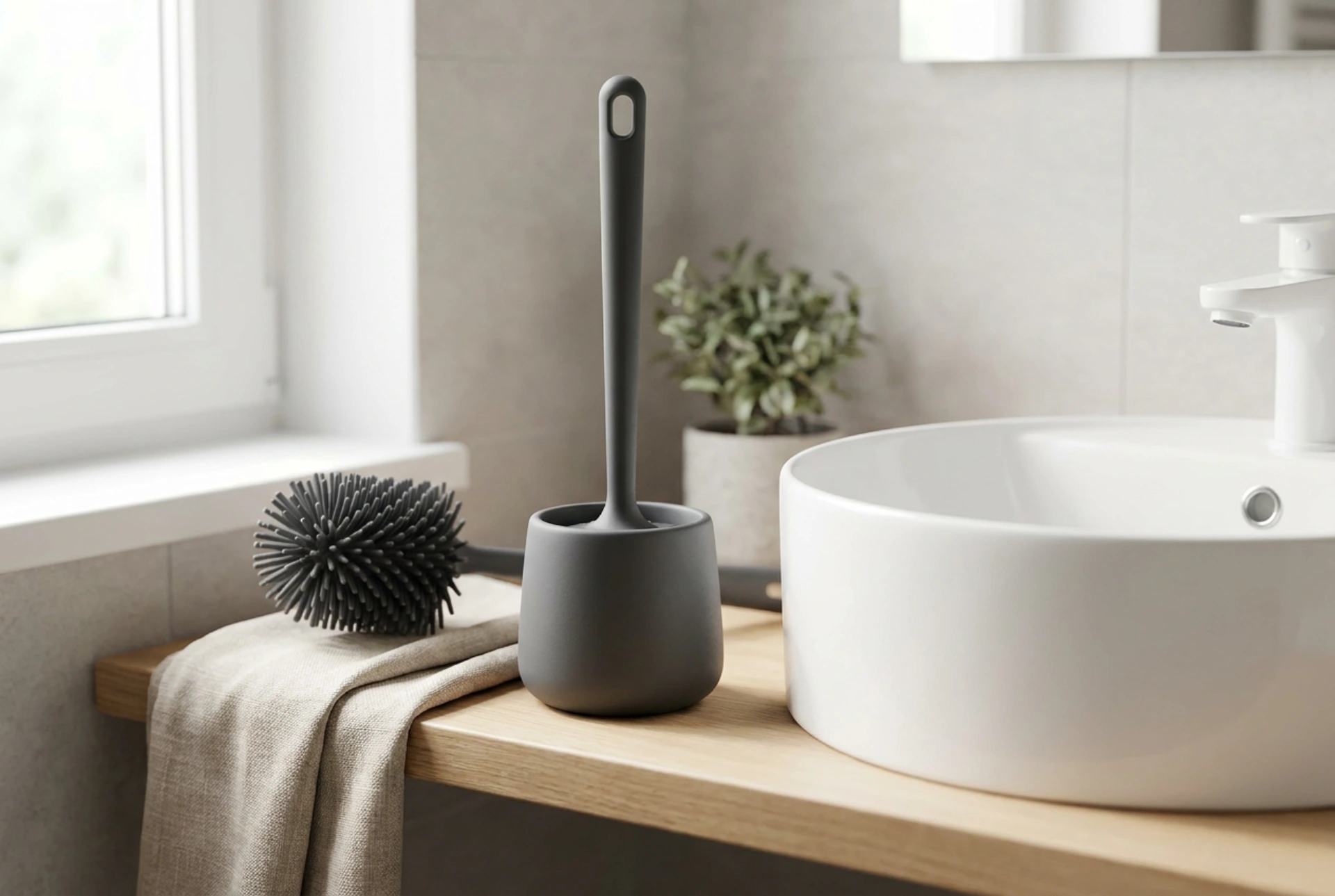
Modern alternatives utilize thermoplastic elastomer (TPE) or silicone. Silicone is highly hydrophobic, meaning water naturally beads up and slides off the material rather than clinging to it. The surface tension of water prevents it from adhering to silicone bristles, significantly reducing post-cleaning drips. Because silicone bristles are molded as solid, non-porous studs rather than bundled fibers, they lack the microscopic crevices where bacteria multiply. Physically, silicone is softer than nylon, which completely eliminates the risk of scratching the delicate protective glaze of the toilet bowl. However, because silicone has lower abrasive friction, it relies more on user-applied pressure and chemical synergy to dissolve stubborn stains.
Anatomy of the Brush Head: Reaching the Rim
The geometry of the brush head dictates its mechanical efficiency inside the complex contours of a toilet bowl. Standard spherical brush heads struggle to clean the U-bend and the area under the rim. Effective cleaning requires a design that accommodates these tight radii of curvature.
- D-shaped and Flat Heads: These profiles offer high flexibility, allowing the brush to bend into the U-bend where water-column pressure forces minerals to precipitate. The flat face increases the surface contact area, distributing cleaning pressure more evenly.
- Rim Cleaners: High-performance brushes feature an auxiliary upward-facing bristle cluster or a flexible extension. This specific geometry leverages leverage physics, allowing you to apply upward force under the rim—the primary site for calcium carbonate accumulation and anaerobic bacterial growth.
Chemical Synergy and Mechanical Action
A toilet brush does not work in isolation; its primary job is to agitate and distribute cleaning agents, accelerating chemical reactions. To remove hard water stains (calcium carbonate) and rust (iron oxide), you must use an acidic cleaning agent, such as diluted citric acid or sulfamic acid. The acid reacts with the alkaline minerals, converting them into water-soluble salts.
For organic matter, alkaline agents or oxygen bleach are required to break down proteins and fats. When using a toilet brush, apply the cleaning agent and allow it to dwell for at least ten minutes to weaken the molecular bonds of the stains. When scrubbing, utilize firm, circular motions. The circular movement ensures that the bristles attack the deposit from multiple angles, maximizing shear stress and lifting the loosened material off the ceramic glaze.
Ventilation and Storage Physics
The brush holder is an essential component of the cleaning system. A closed, unventilated container creates a humid, dark environment that facilitates rapid bacterial and fungal proliferation. When storing a wet brush in a sealed canister, the stagnant water undergoes anaerobic decomposition, resulting in foul odors.
Look for holders that incorporate a suspended design, allowing the brush head to hang above the base. This facilitates gravimetric drainage, letting excess water fall into a reservoir. Additionally, open-sided or ventilated holders utilize natural convection currents to evaporate residual moisture quickly, keeping the brush dry and hygienic between uses.