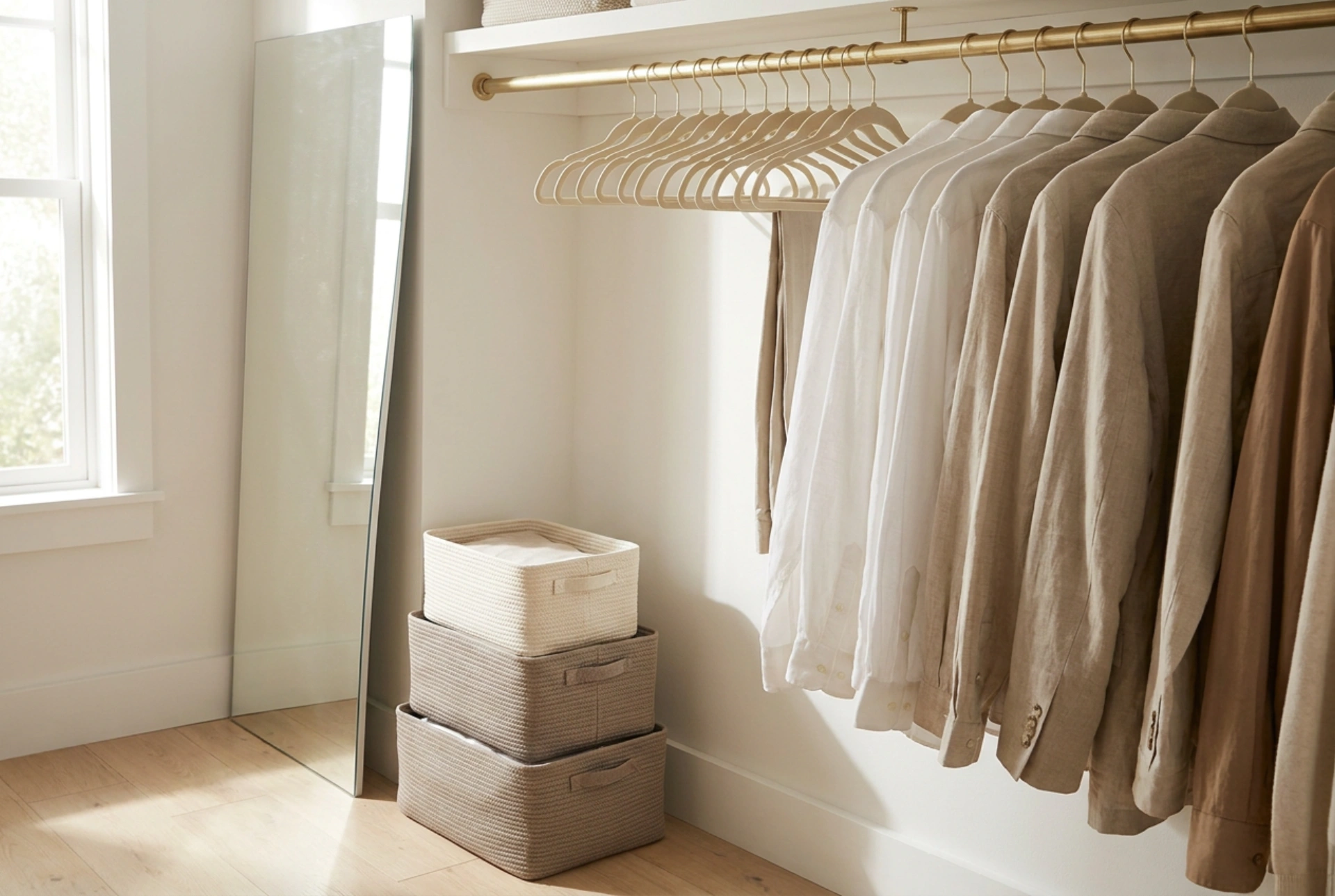


A single-rod wardrobe without built-in shelving can easily become a chaotic clutter zone, yet understanding vertical space utilization and the physics of gravity-based storage allows you to maximize every cubic inch of your closet. By focusing on structural techniques, weight distribution, and modular systems, you can transform a simple hanging rod into a highly organized, high-capacity storage solution.
The Physics of Vertical Space and Weight Distribution
When organizing a wardrobe with only a rod, gravity is your primary constraint and your main asset. A standard closet rod can bow under excessive, unevenly distributed weight. To prevent structural fatigue, distribute heavier garments, such as wool coats and heavy denim, toward the outer supports of the rod, where shear strength is highest. Lightweight items, such as linen shirts and silk blouses, should occupy the center. Grouping your clothing by length—from shortest to longest—creates a stepped diagonal profile underneath. This diagonal clearance frees up floor space in a graduated manner, allowing you to insert storage containers of varying heights without blocking access to the hanging items above.
Mastering Cascading and Layered Hanging Techniques
Standard hangers utilize only the topmost portion of your closet’s vertical clearance. To reclaim the unused space below, employ cascading hanging techniques. Using vertical connectors or durable S-hooks allows you to chain multiple hangers together vertically, shifting the volume of your clothes from a horizontal line to a vertical column. This technique relies on the tensile strength of the top hanger, so ensure that the primary hanger is made of a sturdy material like hardwood or heavy-gauge metal. For lighter items, ultra-slim velvet-coated hangers increase friction, preventing silky fabrics from slipping off while saving up to fifty percent of horizontal rod space compared to bulky plastic alternatives.
Utilizing Floor Space with Modular, Non-Permanent Units
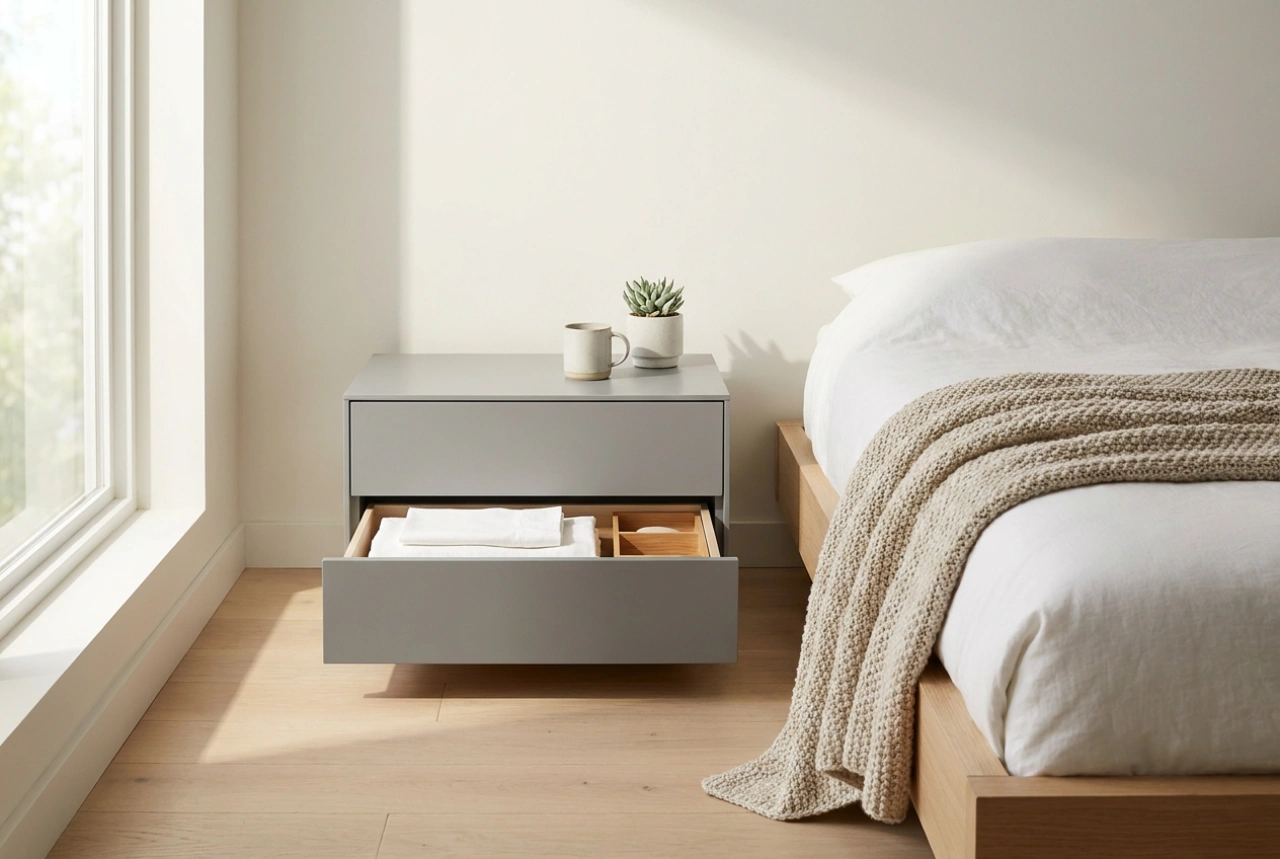
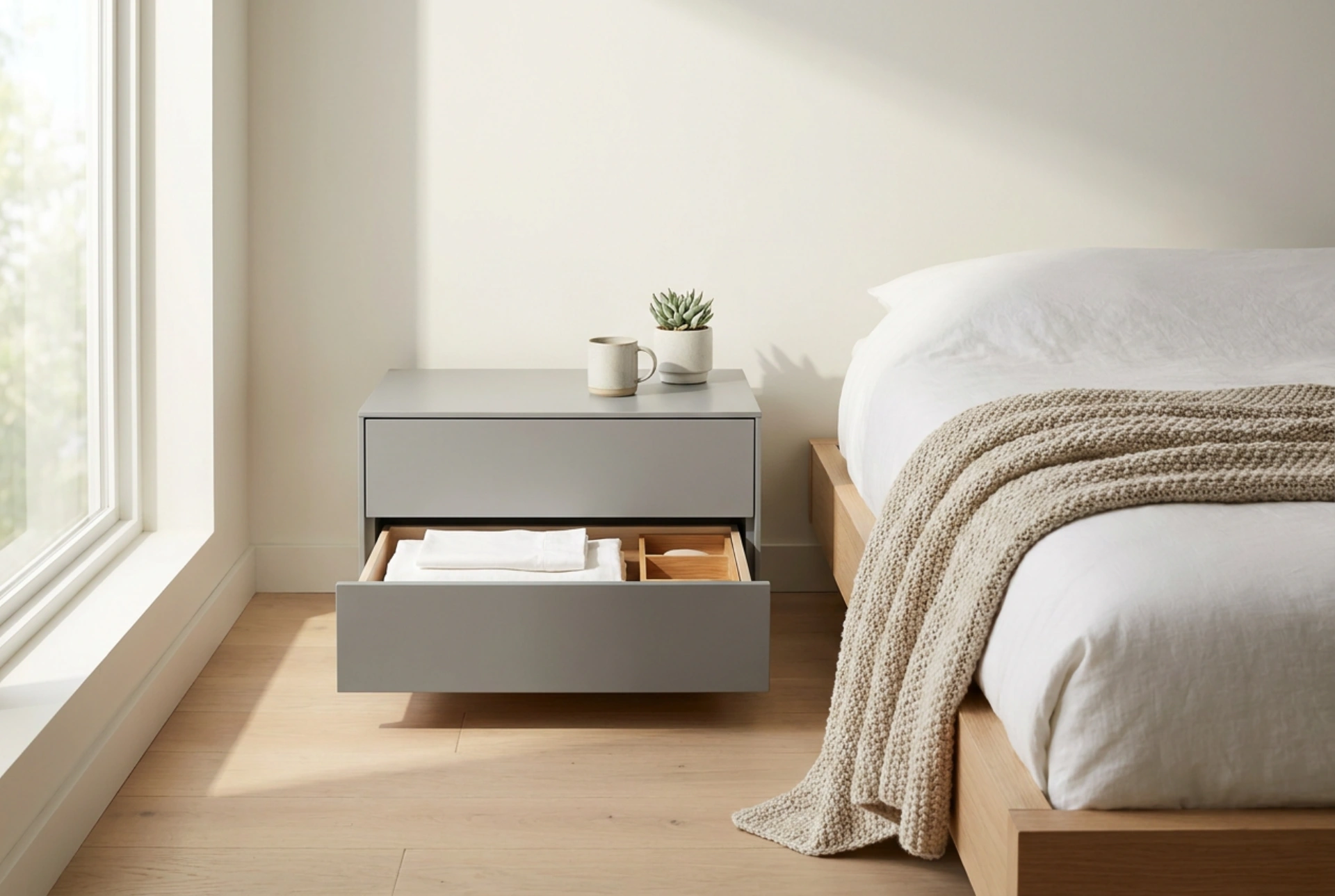
The empty floor space beneath a stepped hanging line is prime real estate for modular, non-permanent storage. Instead of executing permanent construction, utilize freestanding, stackable drawer units. The key to successful floor storage is stability and accessibility. Opt for containers with a wide base to prevent tipping and ensure they feature pull-out drawers rather than top-opening lids, which require unstacking. Utilize these lower units for folded knits, activewear, and accessories that do not benefit from hanging. Keeping these containers independent of the closet structure retains the flexibility to reconfigure the layout as your wardrobe needs change seasonally.
Ensuring Fabric Preservation and Air Circulation
Closets without shelves often suffer from restricted airflow, especially when packed tightly. Air circulation is critical to preventing moisture buildup and fiber degradation. Natural fibers like wool, cotton, and silk contain organic proteins and cellulose that can trap ambient humidity, leading to musty odors. Maintain at least a two-finger width of space between hanging items to facilitate natural convection currents. For garments stored in lower modular bins, avoid compressing them too tightly; compressed fibers lose their natural elasticity over time. Use breathable cotton garment bags for delicate items rather than non-porous plastic sleeves, which trap moisture.
Seasonal Rotation and Order of Operations
To maintain an organized single-rod wardrobe long-term, establish a strict seasonal rotation protocol. At the change of seasons, remove all garments to assess their frequency of use and physical condition. Clean the interior surfaces of the wardrobe with a damp microfiber cloth to remove dust particles. When reassembling, place off-season garments in sealed, under-bed storage containers or vacuum-sealed bags, reducing their volume and protecting them from oxidation. Only current-season items should occupy the primary rod. This systematic approach ensures that your limited closet volume is never occupied by idle garments, keeping your daily-wear items visible and accessible.