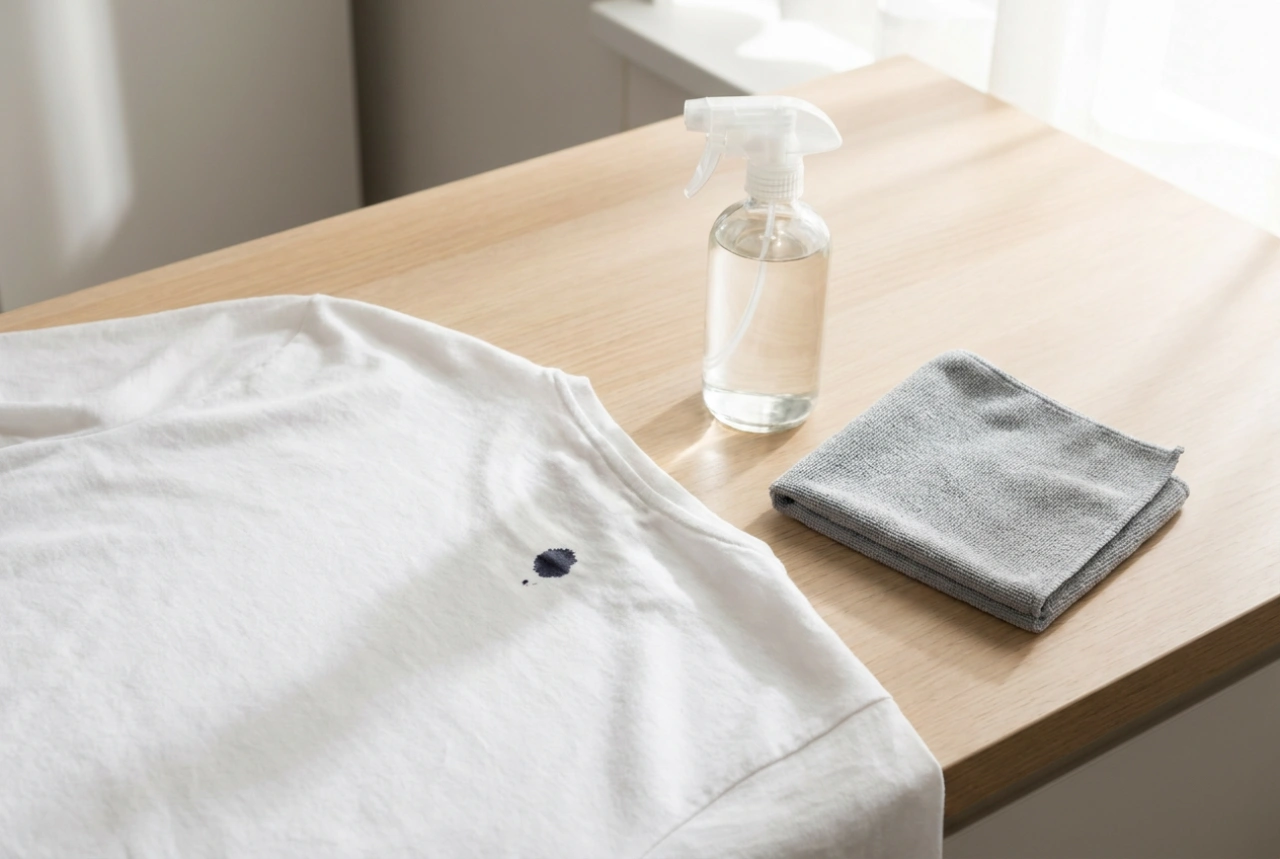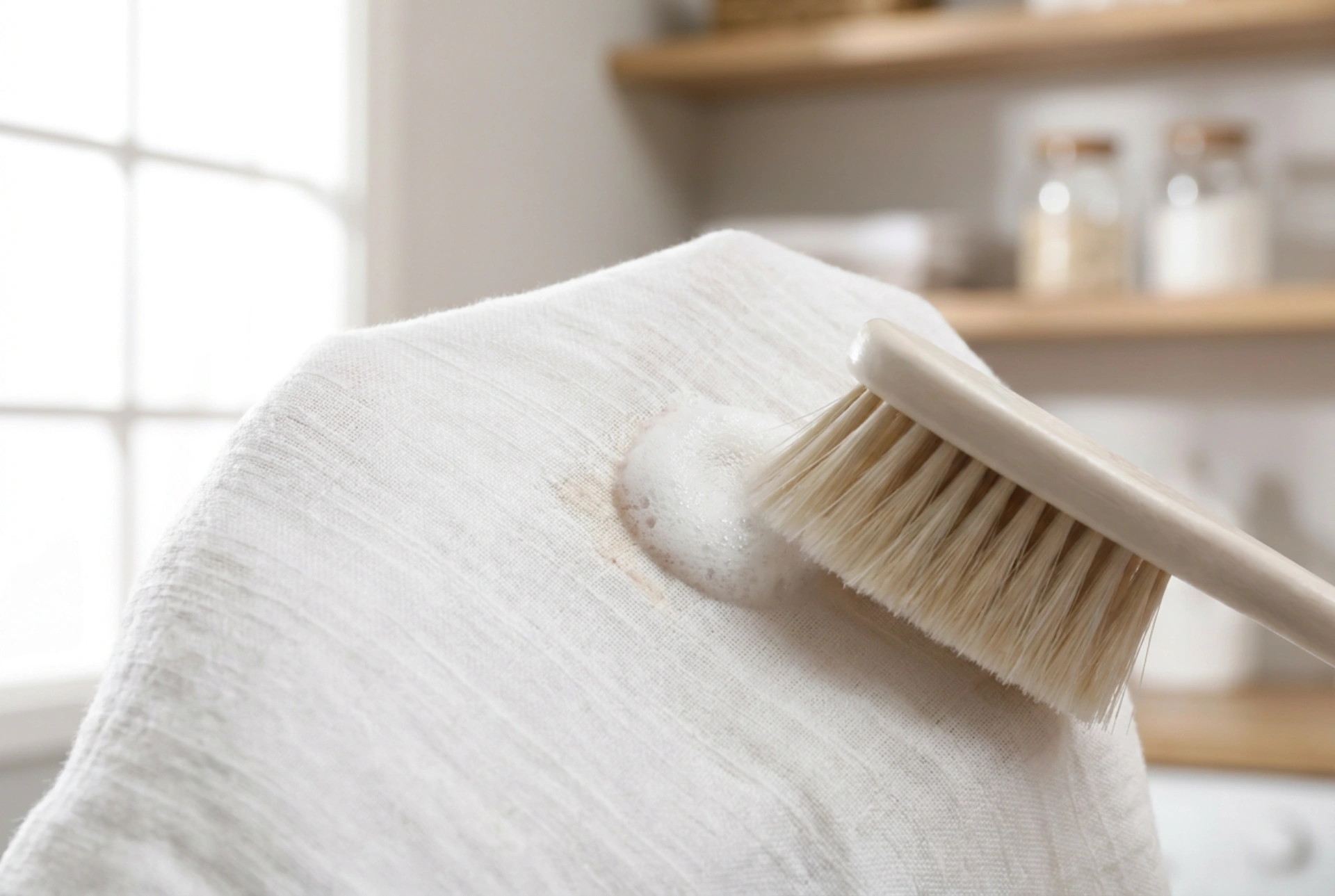


Spot-treating grease stains before putting clothes into the washing machine is the single most important step in saving your garments. Once a greasy lipid spot is exposed to the hot water and subsequent heat of a tumble dryer, it undergoes a thermal bonding process with the synthetic or natural fibres, making it nearly impossible to remove.
The Molecular Science of Grease Stains
To remove fat and oil from fabrics, you must first understand why water alone cannot wash them away. Lipids are hydrophobic, meaning they repel water molecules. Because water is polar and oils are non-polar, they cannot mix. When oil lands on cotton, polyester, or wool, it coats the fibres and penetrates the microscopic spaces within the yarn. Standard washing machine cycles dilute detergents to a point where they may not be concentrated enough to break these strong hydrophobic bonds, especially at lower temperatures. Pre-treatment relies on applying concentrated chemistry directly to the stain to break these bonds before dilution occurs.
Synthetic fibres like polyester and nylon are particularly problematic. These materials are oleophilic (oil-attracting) by nature. This means they form highly stable thermodynamic bonds with fats, pulling them deep into the polymer matrix. Natural fibres like cotton and linen are hydrophilic but can still trap oils within their porous cellular structure through capillary forces. Understanding your fabric type dictates how gently or vigorously you can apply your chemical and mechanical treatments.
Phase One: Adsorption of Excess Lipids
If the grease stain is fresh and still liquid, your first step must be physical extraction rather than chemical breakdown. Applying water immediately can spread the oil outwards, increasing the stain size.
- Apply an inert powder: Dust the affected area liberally with cornstarch, potato starch, or talcum powder. These substances have high surface areas and excellent capillary action.
- Allow contact time: Leave the powder on the fabric for 15 to 20 minutes. During this time, the loose, unbound oil is drawn upward into the dry powder matrix.
- Gentle removal: Use a soft-bristled brush or dry cloth to sweep the saturated powder away. Do not scrape hard, as this can press the oil back down into the weave.
Phase Two: Chemical Emulsification with Surfactants
Once the excess surface oil is removed, you must address the lipids bound to the fibres. This requires a surfactant—a compound containing both hydrophilic (water-attracting) and lipophilic (fat-attracting) properties.
Choosing the Right Agent
An effective pre-treatment agent is a concentrated, colourless liquid dishwashing detergent or a high-performance liquid laundry detergent. Avoid coloured soaps, as their dyes can transfer onto light-coloured fabrics. Oxygen-based bleaching agents can also be mixed into a paste for white fabrics, but pure liquid surfactant is the universal gold standard for oils.
Application and Mechanical Action
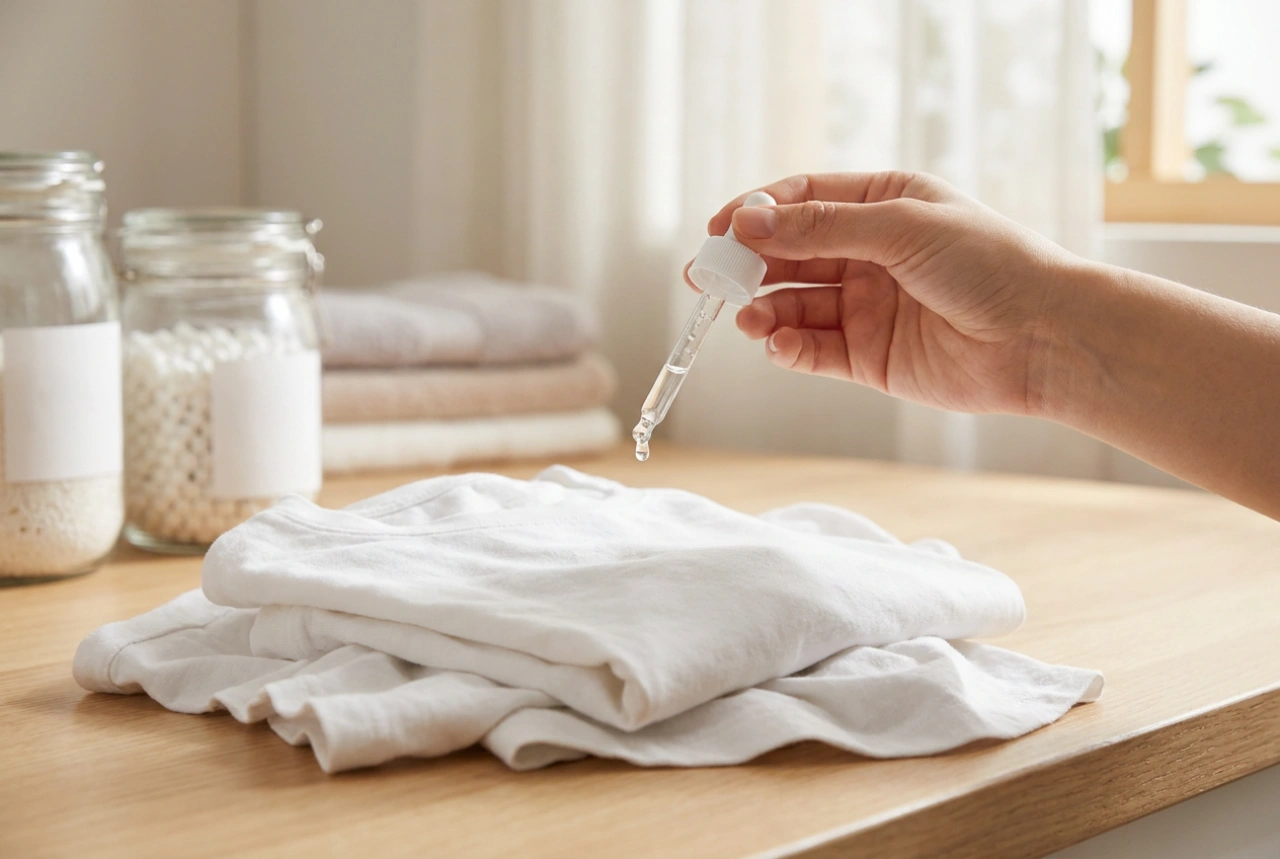
Apply a few drops of the surfactant directly to the stained area. Instead of rubbing the fabric vigorously against itself, which damages the fibres and pushes the grease deeper, use a targeted tapping motion. Use a clean, soft-bristled toothbrush to tap the soapy solution into the weave. This physical vibration coaxes the lipophilic tails of the surfactant molecules to bind with the grease molecules, surrounding them to form structures called micelles. These micelles suspend the grease, separating it from the fabric fibres. Massage the area gently with your fingertips in a circular motion, working from the outside of the stain toward the center to prevent spreading.
Phase Three: Thermal Optimization and Rinsing
Temperature plays a crucial role in lipid removal. Fats solidifying at room temperature are far more difficult to extract than liquid oils. Warm or hot water liquefies these fats, lowering their viscosity and allowing the surfactant to encapsulate them easily.
- Check the care label: Always use the highest water temperature recommended for that specific fabric. Higher temperatures increase the kinetic energy of the molecules, accelerating the cleaning process.
- Rinse from the reverse side: Turn the garment inside out and run warm water through the back of the stain. This pushes the emulsified grease out of the fabric structure instead of forcing it through the thickness of the textile.
- Immediate washing: Do not let the treated area dry out before washing. Place the garment directly into the washing machine and run a standard cycle using a high-quality laundry detergent to wash away the suspended micelles.