

Maintaining a clean, resilient ironing board cover is essential for wrinkle-free garments and preventing accidental stain transfer. Over time, covers accumulate caramelized starch, scorched mineral deposits from steam, and microscopic lint, all of which compromise heat distribution and fabric safety.
The Material Science of Your Cover
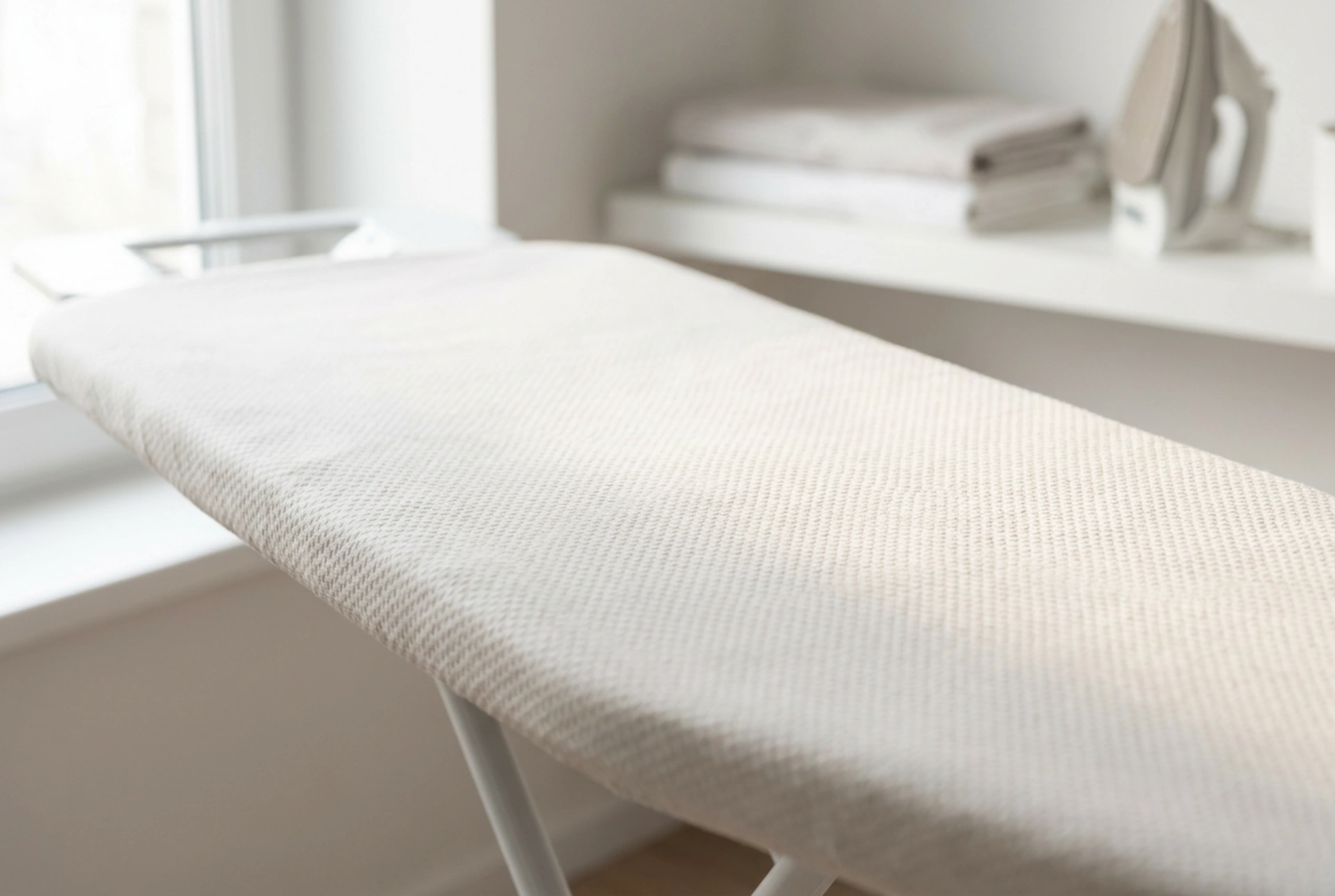
Ironing board covers are engineered to withstand extreme temperatures while facilitating moisture transport. High-quality covers typically feature heavy-duty cotton weaves, often treated with heat-resistant coatings, paired with a felt or foam underlay. Cotton is favored for its high thermal threshold and natural friction, which holds garments in place. However, the open weave that allows steam to escape also absorbs minerals from water and chemical residues from detergents.
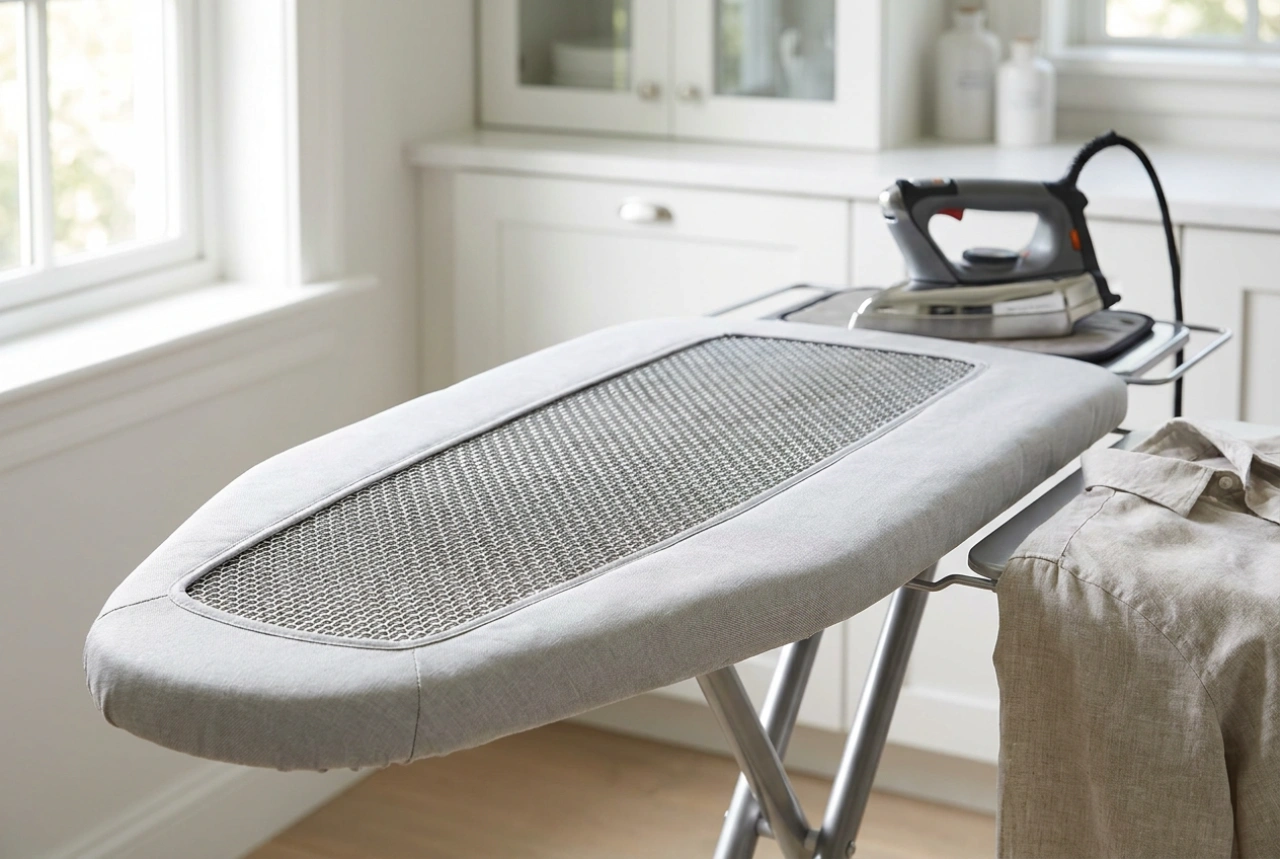
When steam passes through the cover, it condenses within the padding. If this moisture is trapped, it degrades the underlying foam structure and fosters mildew. Synthetic covers with metallised coatings rely on heat reflection to iron both sides of a garment simultaneously. These reflective coatings must never be scrubbed with abrasive materials, as micro-scratches destroy their reflective efficiency and cause uneven heat distribution.
Combating Burn Marks and Starch Caramelisation
Yellow or brown patches on your cover are usually not scorched fabric, but rather caramelized residues of starch, fabric softeners, or synthetic sizing agents. When exposed to heat exceeding 150°C, these organic compounds oxidise and bond with the cover's fibers. Addressing these marks promptly prevents them from transferring onto light-colored clothes during future ironing sessions.
- Oxygen-Based Bleach Treatment: For severe discoloration on cotton covers, create a paste using sodium percarbonate (oxygen bleach) and lukewarm water. Apply it directly to the stain, allowing the active oxygen molecules to break the chemical bonds of the organic residue without degrading the cotton.
- Sodium Bicarbonate Paste: For milder starch buildup, use a paste of sodium bicarbonate and water. The gentle alkaline nature of sodium bicarbonate neutralizes acidic scorch residues and acts as a mild, non-damaging abrasive to lift stubborn particles.
- Acidic Mineral Removal: To dissolve mineral scale left behind by hard water steam, wipe the cover with a cloth dampened in a 1:1 solution of white vinegar and distilled water. The acetic acid dissolves the calcium crust, restoring the fabric's permeability.
Washing Techniques: Hand Washing vs. Machine Cycles
While some modern covers claim to be machine-washable, mechanical agitation can severely damage the structural integrity of the fabric, especially if it features a laminated foam backing. Thermal shock from hot water can cause the foam to delaminate or shrink, rendering the cover unusable.
Hand washing in lukewarm water (around 30°C) is the safest method. Use a mild, pH-neutral liquid detergent. Avoid powder detergents, as undissolved granules can lodge in the weave and create abrasive hot spots under the iron. Submerge the cover, gently squeeze the soapy water through the fibers, and rinse thoroughly with cold water. Never wring out the cover violently; instead, roll it in a clean towel to press out excess moisture.
Drying and Reinstalling for Perfect Tension
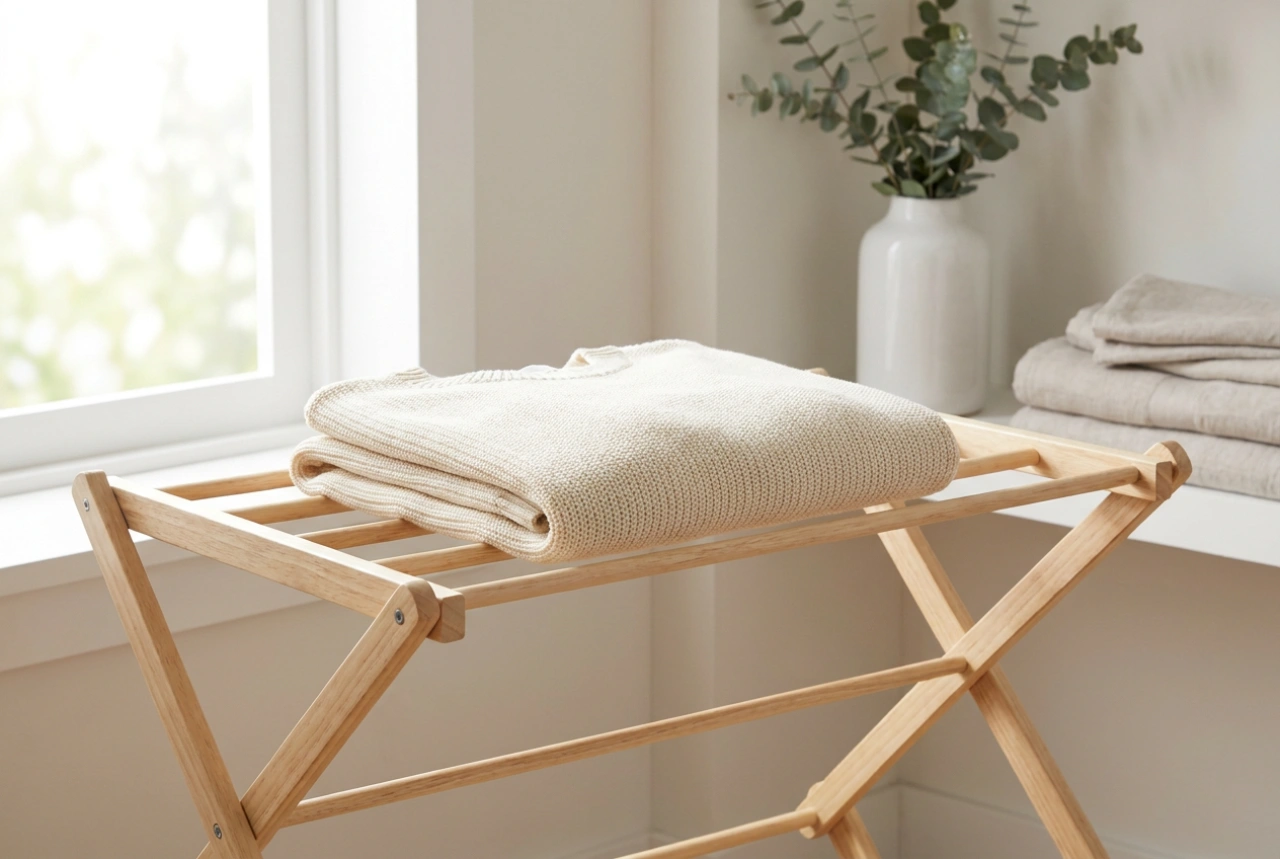
Proper drying is critical to maintaining the shape and fit of the cover. Never tumble dry an ironing board cover, as the high heat and tumbling action shrink the natural cotton fibers and warp the elastic or drawstring edges. Air drying is the only viable method.
For the best fit, reinstall the cover while it is still slightly damp (around 10% moisture retention). Pull the drawstring or elastic taut and secure it. The slight residual moisture allows the cotton fibers to stretch perfectly over the board's contours. As the cover dries completely in place, the fibers shrink slightly, creating a drum-tight, wrinkle-free surface that is ideal for precision ironing.
Preventative Care and Storage
After every heavy ironing session, leave the ironing board open in a well-ventilated room for at least one hour. This allows trapped steam within the felt padding to evaporate completely, preventing rust on the metal mesh of the board and stopping the growth of mildew. Store the board in a dry closet, away from direct sunlight, which can UV-degrade the cotton fibers and cause them to become brittle over time.