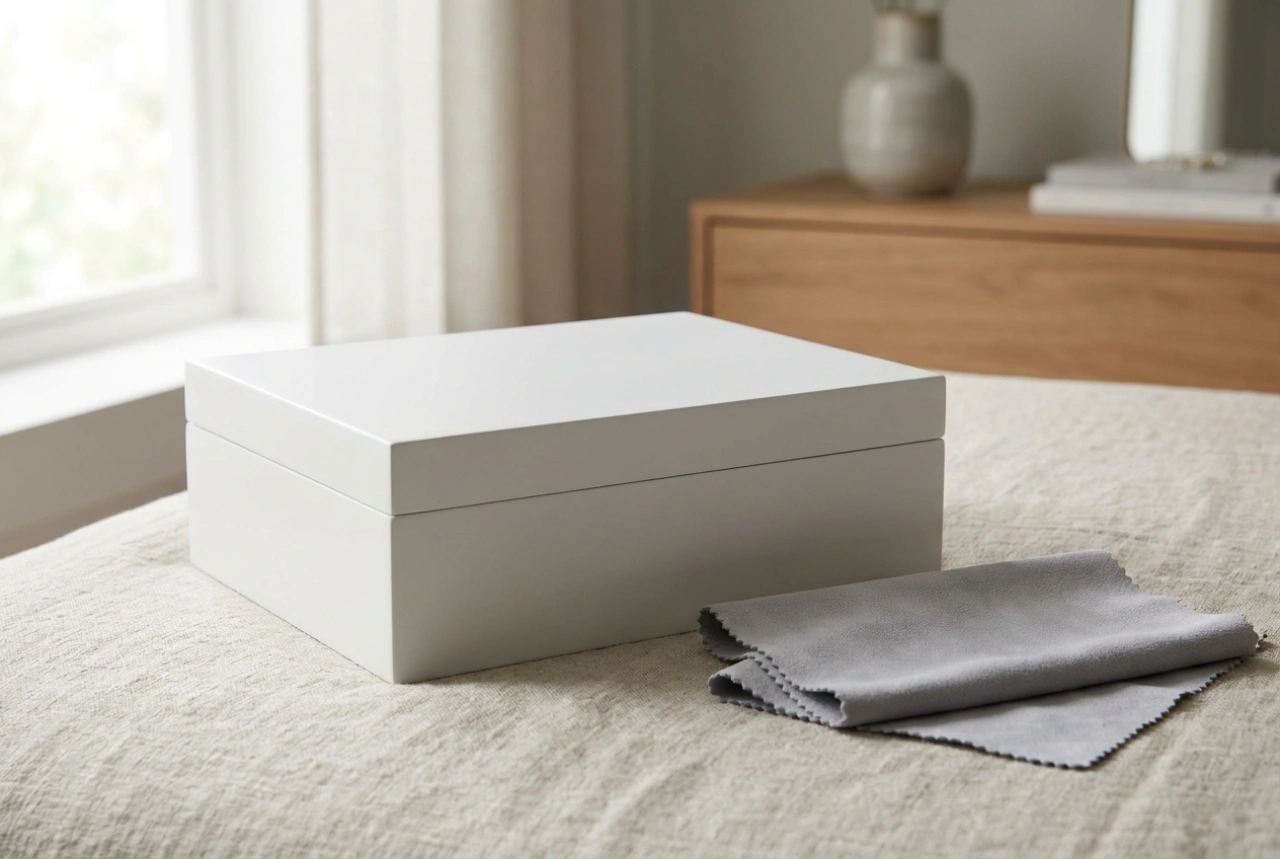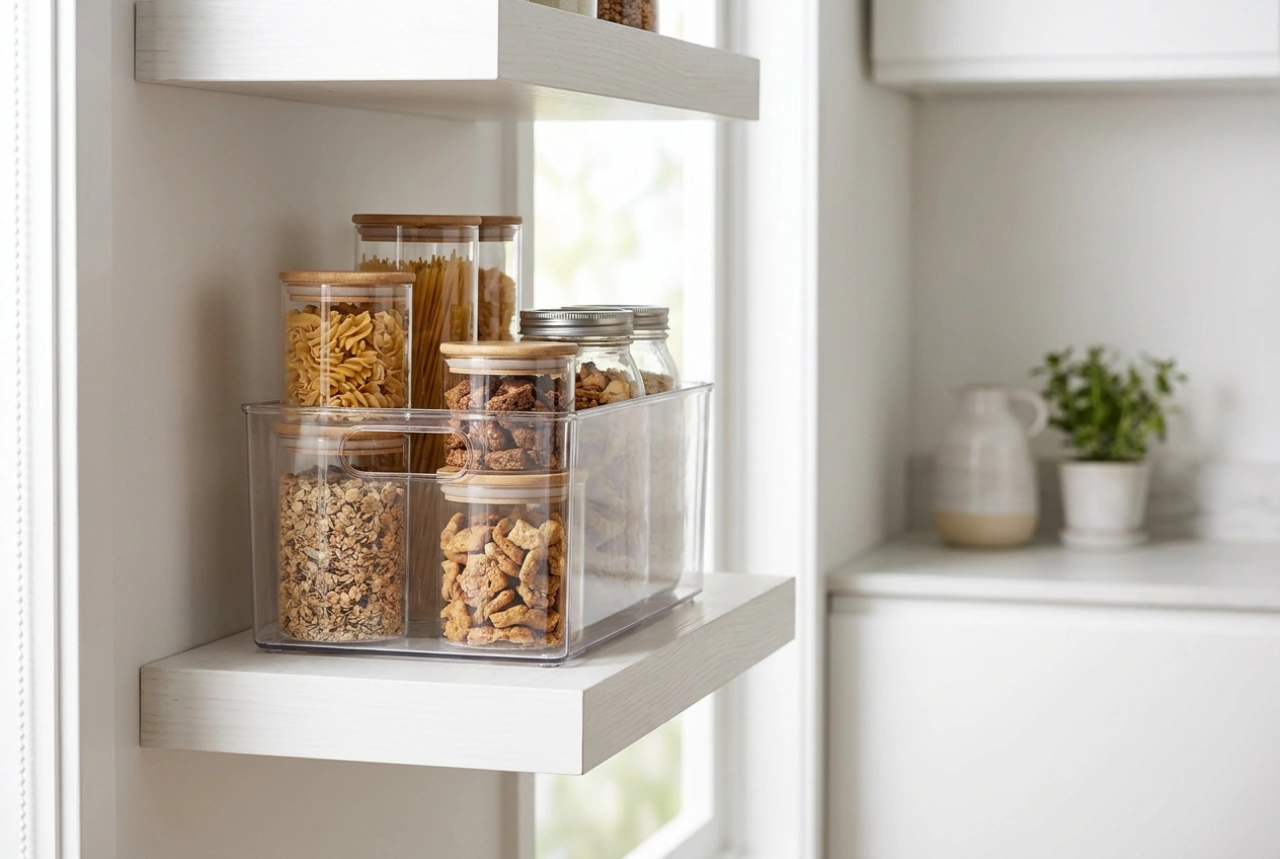


Lidded storage boxes represent more than just simple containers; they are essential tools in spatial engineering that transform chaotic open shelves into highly structured, protective micro-environments. By implementing systematic encapsulation, you can protect your belongings from physical degradation while maximizing vertical storage capacity.
The Physics of Vertical Space: Load Distribution and Stability
Open shelves often suffer from underutilized vertical space because stacking loose items is inherently unstable. Unstable stacks are prone to collapsing due to gravity and uneven centers of mass. Lidded boxes solve this physical limitation by introducing flat, rigid horizontal planes.
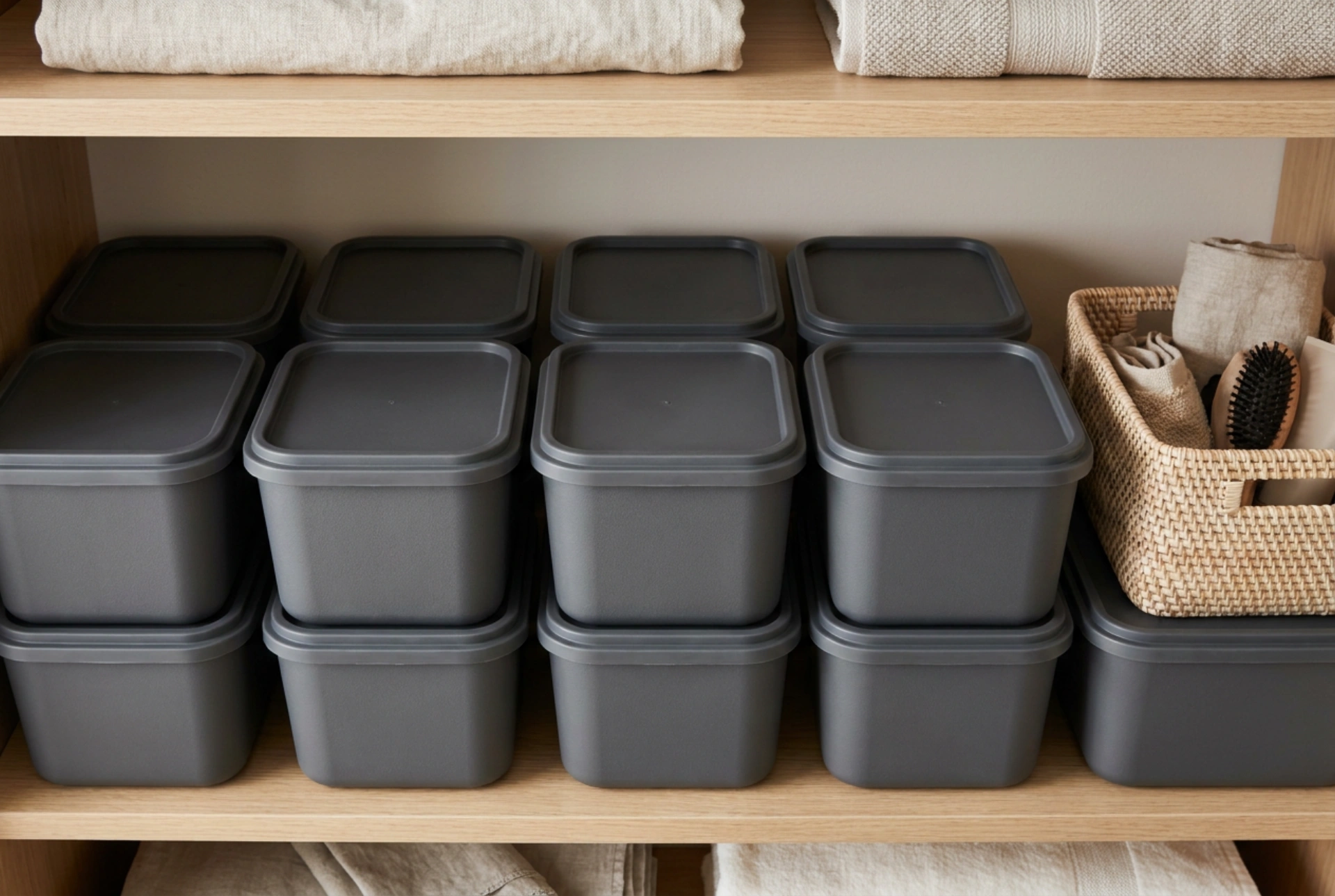
When you place a lid on a storage box, you create a load-bearing surface that distributes weight evenly across the container's perimeter walls. This structural integrity allows you to stack multiple units safely. To optimize this effect, always place heavier, denser items at the bottom of the stack to keep the center of gravity low. This simple arrangement prevents tipping and minimizes structural stress on the lower boxes, especially when using cardboard or lightweight polymers.
Microclimate Control: Shielding Against Dust and UV Degradation
Open air is filled with suspended particulate matter, moisture, and varying light spectrums, all of which act as destructive agents over time. Dust, consisting of organic fibers, skin cells, and mineral particles, settles on exposed items, creating a breeding ground for dust mites and trapping ambient moisture against materials.
A securely fitted lid serves as a primary physical barrier. By sealing the top aperture of the container, you restrict air currents that carry dust and microscopic pollutants. Furthermore, opaque or tinted lids block ultraviolet (UV) radiation. UV rays break down chemical bonds in plastics, yellow paper documents, and fade natural textile fibers. By encapsulating these items, you preserve their chemical structure and prolong their lifespan without relying on chemical preservatives.
Reducing Visual Noise: The Ergonomics of Spatial Cognition
The human brain is constantly scanning environments for patterns, shapes, and colors. When a shelf is filled with mismatched items of varying sizes, the brain processes each object individually, leading to high cognitive load and a perception of disorder, commonly known as visual noise.
Uniform lidded boxes act as a visual filter. By replacing dozens of irregular shapes with identical, clean geometric solids, you reduce the amount of visual data your brain needs to process. This optical uniformity creates an immediate psychological sense of order and cleanliness. When selecting containers, choosing matte finishes and cohesive color palettes helps absorb ambient light rather than reflecting it, further softening the visual impact and making the space feel serene and organized.
Material Science: Choosing the Right Barrier
Not all storage scenarios require the same material properties. Understanding the science of polymers, paperboards, and natural fibers is key to maintaining the integrity of stored items:
- Polypropylene (PP): Ideal for high-moisture environments like basements or bathrooms. PP is non-porous, hydrophobic, and chemically inert, making it highly resistant to water vapor and mold growth.
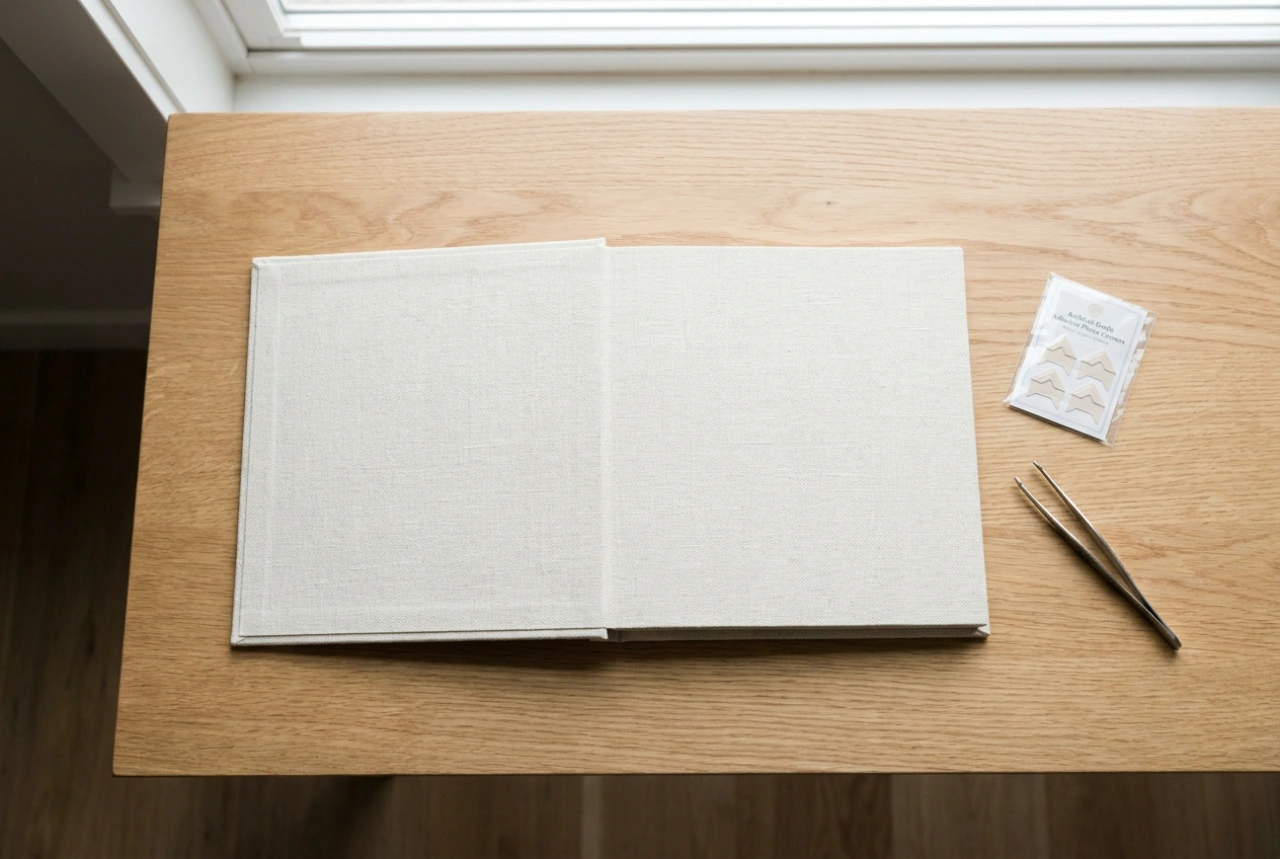
- Acid-Free Cardboard: Crucial for long-term storage of archival paper, photographs, and natural textiles. Standard cardboard contains lignin, which produces acids as it degrades, yellowing stored items. Acid-free varieties maintain a neutral pH.
- Woven Fabric and Canvas: These materials allow air molecules to pass through while blocking dust. This breathability is essential for natural fibers like wool and silk, preventing the trapping of stagnant humidity that can lead to musty odors.
Systematic Packing and Order of Operations
To achieve maximum efficiency, organize your shelves using a systematic approach. Begin by categorizing items by frequency of use. Place infrequently used, heavier lidded boxes at the very bottom of your shelving unit or at the back of deep shelves. Daily essentials should reside in lighter, easily accessible containers at eye level.
Always label the exterior face of each box. Labeling eliminates the need to open lids repeatedly to inspect the contents, which prevents the unnecessary introduction of dust and moisture into the sealed environment. By applying these methodical principles of physics, material science, and ergonomics, you can establish an enduring system of shelf organization.