

Top-loading washing machines offer distinct physical and ergonomic advantages that simplify laundry management, provided you understand the mechanical principles of drum balance and fabric distribution.
The Physics of Top-Loading Ergonomics
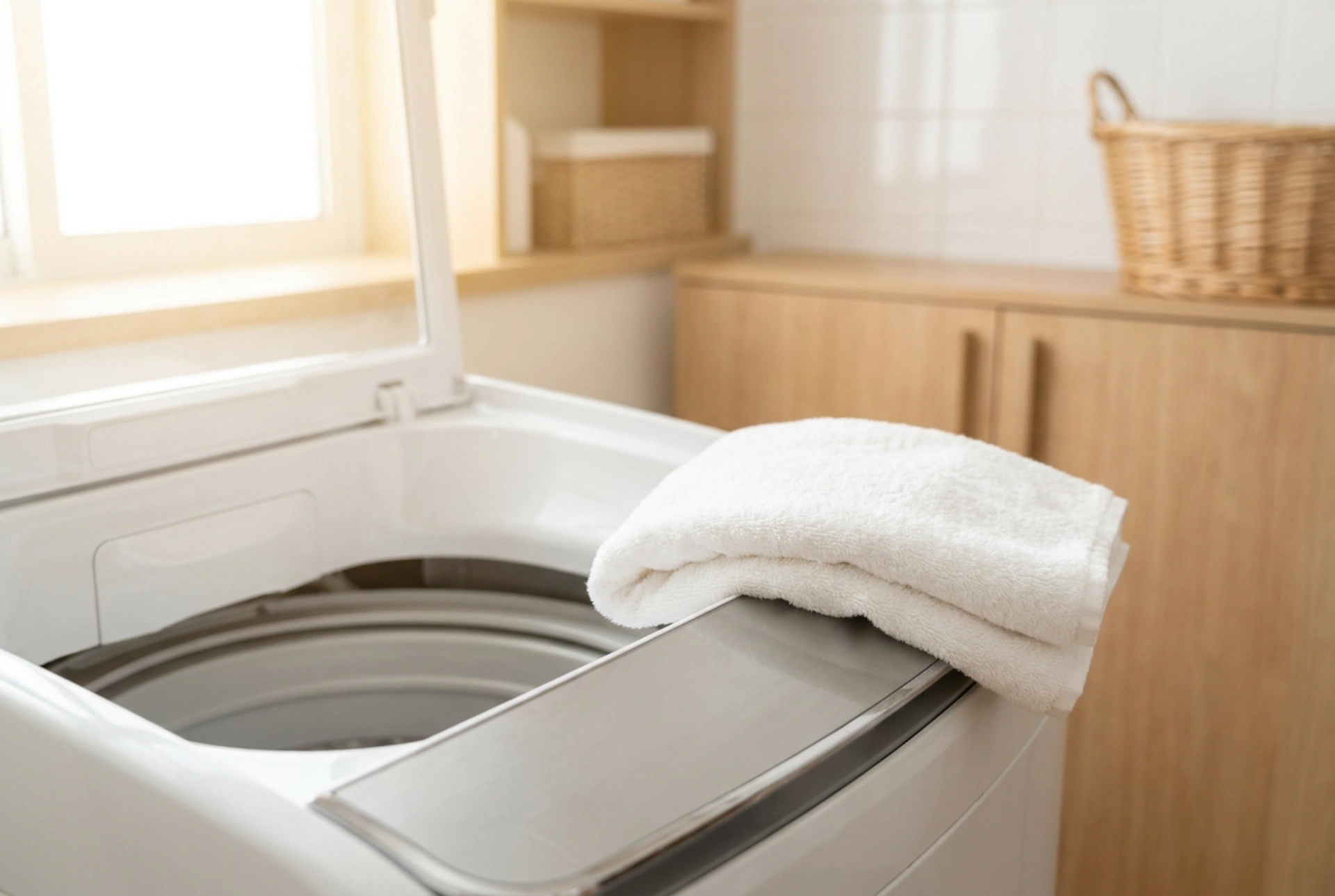
Unlike front-loading appliances, which require constant bending and stooping, top-loading machines utilize a vertical axis. This design leverages natural human posture, reducing shear stress on the lumbar spine during loading and unloading. From a biomechanical perspective, lifting wet, heavy textiles vertically out of a drum allows the skeletal structure to bear the load more efficiently than reaching horizontally into a deep recess. Furthermore, the top-opening door acts as a gravity-assisted barrier; you can add forgotten garments mid-cycle without the risk of water escaping, a common limitation in horizontal-axis machines where the water level rests against the door seal.
Optimising Load Distribution and Drum Balance
To ensure quiet operation and prevent mechanical wear, understanding how a vertical drum rotates is crucial. Top-loading machines generally use either a central agitator or a low-profile impeller to move clothes through the wash liquor. When loading, gravity naturally pulls garments to the bottom. If heavy items like denim or cotton towels are concentrated on one side, the drum's centre of gravity shifts away from the central axis. During the high-speed spin cycle, this imbalance creates centrifugal force anomalies, leading to violent vibrations, noise, and potential damage to the suspension springs.
To prevent this, distribute garments evenly around the agitator or wash plate in loose, concentric layers. Avoid wrapping large sheets or trousers around the central spindle, as this causes binding and prevents the fabrics from moving freely, which reduces wash efficiency.
The Correct Order of Operations for Loading
Achieving optimal cleanability in a top-loader depends heavily on the sequence in which water, detergent, and textiles are introduced. For traditional agitator models, the ideal method is to add water first, dissolve the detergent, and then add the laundry. This ensures that chemical surfactants are fully hydrated and evenly distributed before they make contact with dry fabrics, preventing localized chemical spotting or incomplete powder dissolution.
- Phase 1: Water and Detergent: Allow the tub to partially fill with water and add your laundry detergent (oxygen bleach or generic surfactants). This initiates the chemical activation of the cleaning agents.
- Phase 2: Heavy Fabrics: Place dense, highly absorbent items like bath towels, jeans, and heavy cottons at the bottom. Their weight helps stabilize the lower part of the drum.
- Phase 3: Medium and Light Fabrics: Layer synthetic blends, t-shirts, and shirts on top. This hierarchy allows lighter fabrics to circulate easily in the upper zone of the wash bath.
- Phase 4: Delicates: Place fragile items, preferably enclosed in mesh bags, on the very top of the pile to protect them from aggressive agitator action.
Preventing Biofilm and Maintaining the Top-Loading Mechanism
While top-loaders do not have the large, flexible rubber door bellows of front-loaders—which are notorious for trapping moisture and cultivating mould—they are still susceptible to biofilm accumulation. Damp air naturally rises, and if the top lid is kept closed immediately after a wash cycle, moisture becomes trapped in the upper casing, control panels, and detergent dispensers. To maintain hygiene, always leave the lid fully open after use to facilitate evaporation. Regularly flush the drum with hot water (at least 60 degrees Celsius) combined with oxygen bleach to break down fatty acid deposits from fabric softeners and detergent residues that stick to the outer drum casing.